





 Portuguese
  English
  Spanish
  3 min of reading
  0 comments


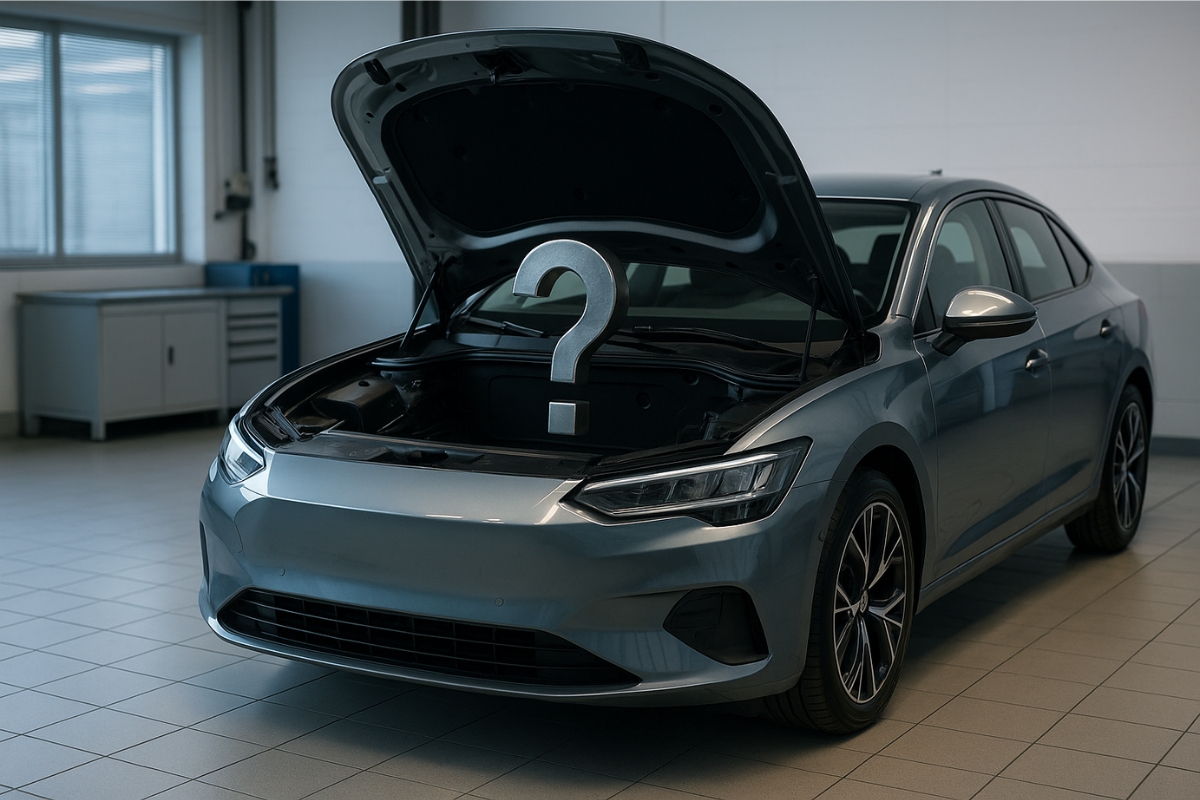
A Forgotten Invention Steps Back into the Spotlight and Promises to Change Design, Interior Space, and the Efficiency of Electric Cars, Reopening an Old Debate in the Industry
Have you ever imagined a car without a hood, without a front trunk, and without that huge space reserved just for the engine?
It sounds futuristic, but this idea is much older than it seems.
The technology of motors installed directly in the wheels, known as Wheel Motors (WMs), emerged in 1900 by the hands of Ferdinand Porsche.
-
The Toyota Hilux is R$ 75.5 thousand cheaper and bets on the 2.8 turbodiesel engine with up to 204 hp and 50.9 kgfm to catch up with the VW Saveiro, which leads with 4,472 sales.
-
The new Renault Koleos has a screen exclusively for the passenger that is invisible to the driver, heated rear seats, and 29 assistance systems, but its Chinese competitors cost R$ 40,000 less and deliver more power.
-
The car stored for 38 years: when opening the barn door, what appears is breathtaking and looks like a scene from a movie!

-
Fiat works miracles in the Brazilian market, lowers the price of its 0 km hatch to R$ 69,990, reestablishes the model as the cheapest car in the country, and reignites the battle against Kwid and C3.

The concept was shelved for decades, but now it reappears as a strong solution for the new phase of electric mobility.
The Return of an Advanced Invention for Its Time
For practically the entire 20th century, the position of the engine defined the performance of cars, the interior space, and even the design of vehicles.
This standard dominated the industry for more than a hundred years.
But that is changing.
By placing the motor inside each wheel, transmission shafts, differentials, and various complex mechanical mechanisms disappear.
This paves the way for simpler, lighter, and much more efficient cars.
In the past, this type of motor did not thrive. The technology was still limited, and the world lacked the electrical infrastructure to support this concept.
Today, the scenario is completely different.
The advancement of batteries, automotive electronics, and the global focus on sustainability put wheel motors back in the center of discussion.
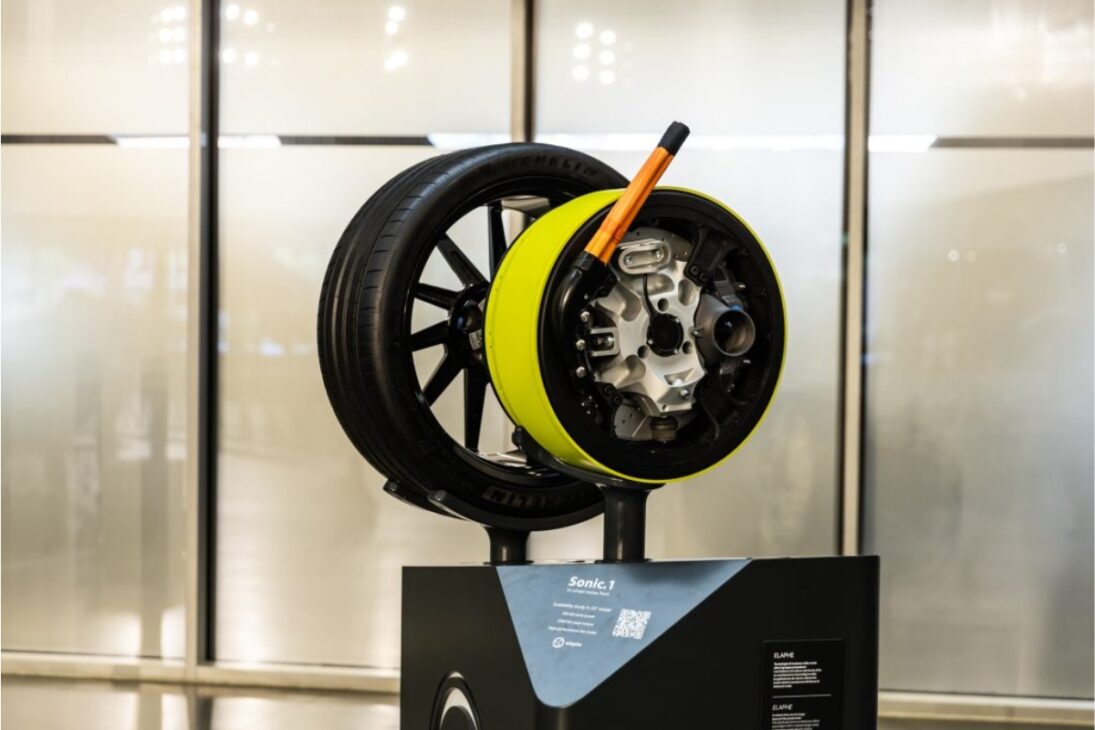
Companies like Elaphe Propulsion Technologies from Slovenia already have prototypes ready for use in production models.
More Internal Space, More Efficiency, and Better Performance
The advantages of this architecture are many.
When the motor stops occupying the front and rear space of the car, there is more room for larger batteries, new interior layouts, and more comfort for those inside the vehicle.

Each wheel receives its own motor and acts independently.
This allows for much more precise torque control in curves, climbs, and uneven surfaces.
The result is superior stability and handling that surpasses traditional systems.
One of the most advanced models is the Sonic 1, developed by Elaphe.
Compact, lightweight, and designed for wheels up to 21 inches, it works alongside high-performance brakes and eliminates energy losses typical of axles and differentials.
In practice, it delivers instant torque and increased energy efficiency.
Another important point is the cost-effective aspect.
With fewer mechanical components, production becomes cheaper, and maintenance costs decrease.
A New Path for the Global Automotive Industry
Wheel motors do not just change performance.

They can completely change the way cars are designed.
Modular platforms become simpler and easier to adapt.
This opens the door for compact versions, family sedans, and even large electric SUVs, all using the same base.
This standardization can accelerate mass production and strengthen automakers that adopt the technology first.
The resurgence of wheel motors shows how visionary ideas can come back with force when the technological context changes.
What once seemed like a bold experiment in the early 20th century can now turn the key to a new generation of more efficient, cleaner electric vehicles with a completely different design from what we know today.









-

2 pessoas reagiram a isso.