





 Portuguese
  English
  Spanish
  4 min of reading
  0 comments



Amid Debates About Renewable Energies, Jean Paul Prates Criticizes the Weakening of the Agenda and Warns of Lobbying That Drains Investments in Wind, Solar, and Green Hydrogen in the Northeast.
The debate about renewable energies has returned to the center of attention after strong criticisms from Jean Paul Prates, former president of Petrobras and energy planning specialist.
He accuses influential sectors of acting against the advancement of solar, wind, and green hydrogen energy, especially in the Northeast, a region identified as strategic for the development of new electricity-intensive industries.
The statements come in a context where Brazil seems to be redirecting its energy policy, prioritizing biofuels while, according to Prates, essential topics of the climate transition are losing space in the federal government.
-
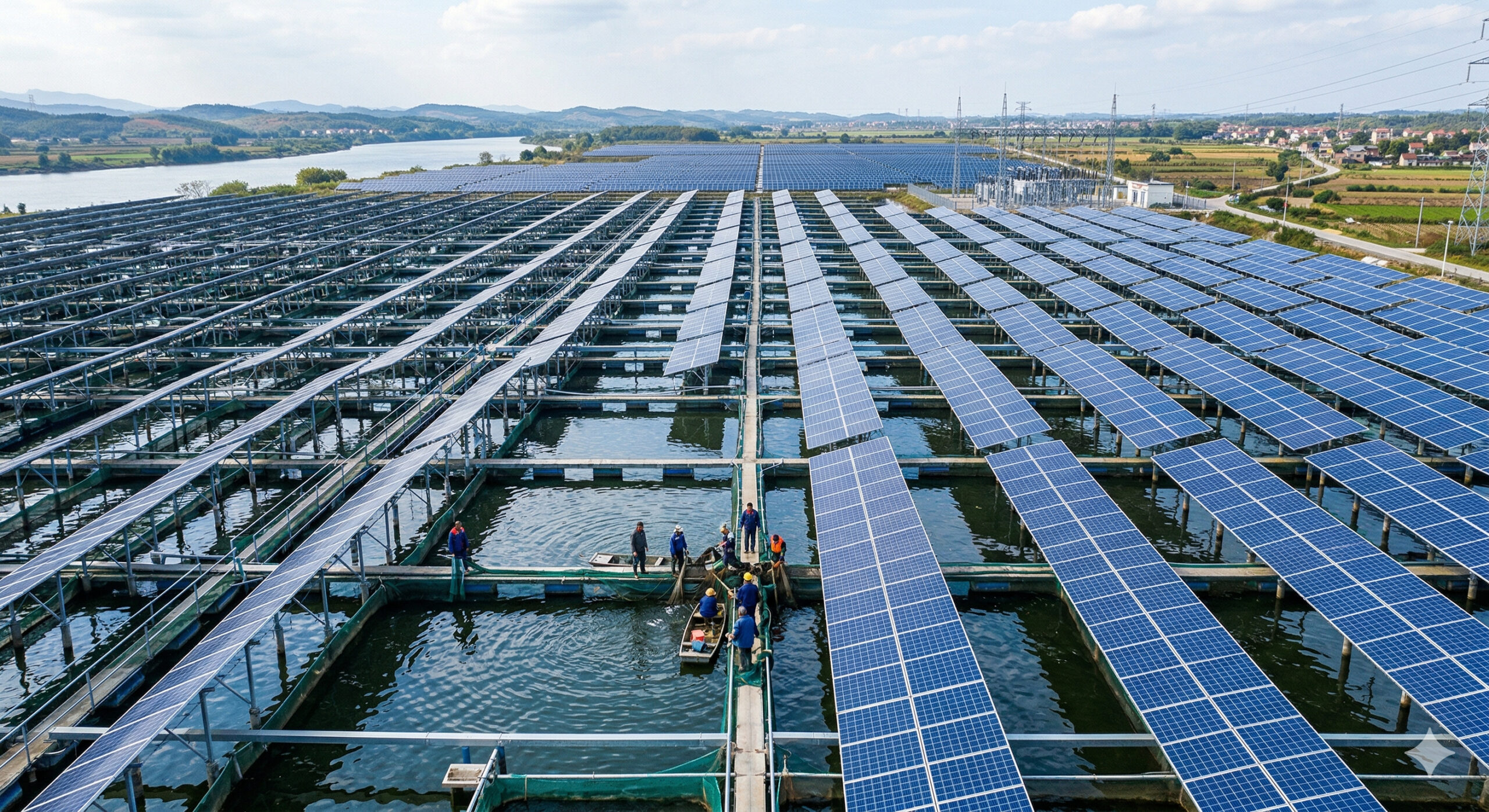
China bets on the Fishery-PV model and transforms fish farms into giant solar plants, covering ponds with panels that generate energy while utilizing the same space for large-scale aquaculture production.
-
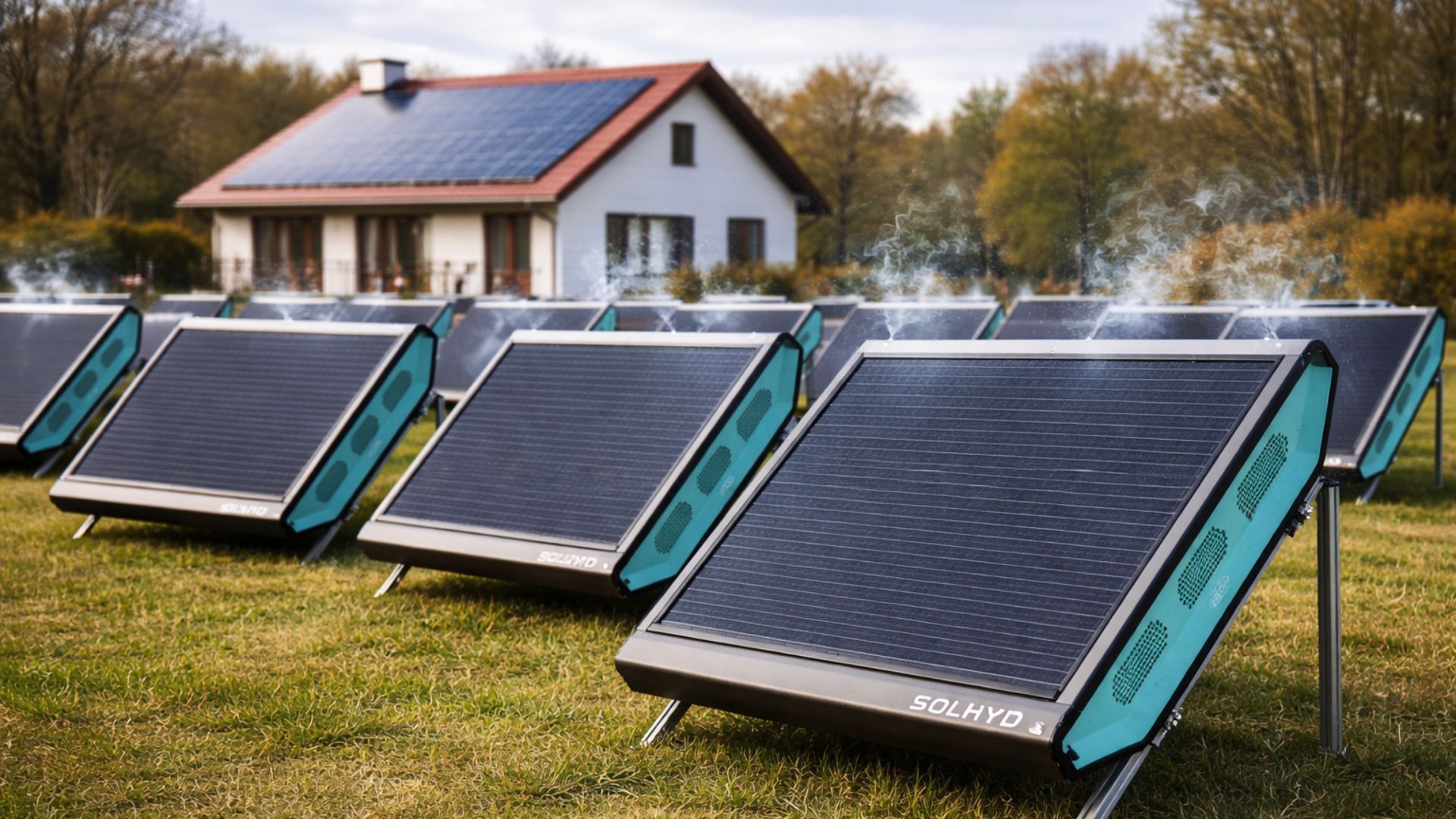
Green hydrogen at home: Belgium launches new technology that makes solar panels produce fuel from the moisture in the air, which could boost the energy transition.
-
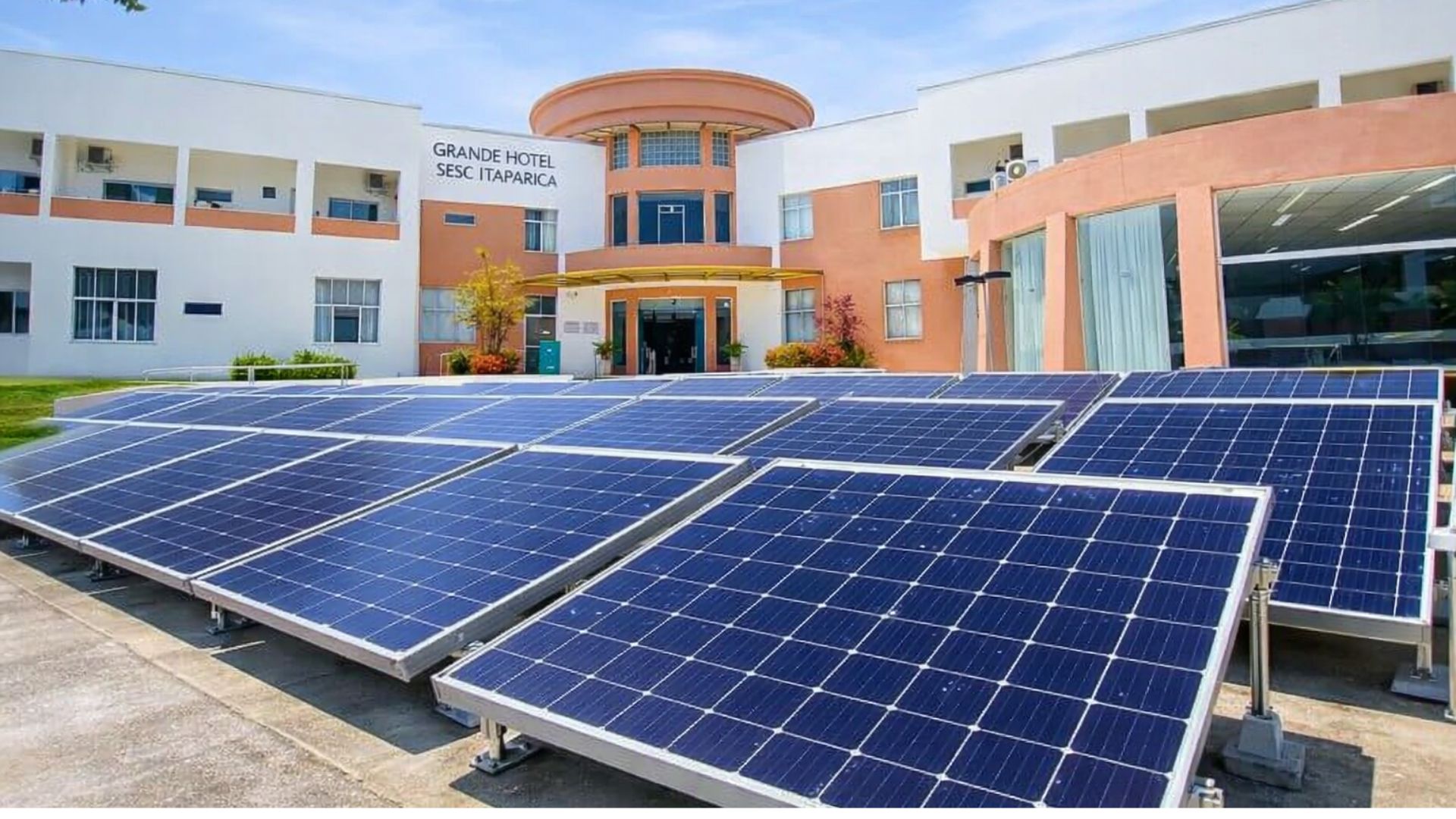
Sesc-BA bets on renewable energy with the support of EDP and drives the energy transition with a direct impact on cost reduction and the sustainability of its operations in Bahia.
-
Technology giant breaks global sustainability records: How Amazon’s leadership in renewable energy procurement transformed the global energy market in the past year.


The Criticisms of the Disappearance of Renewable Energies from the National Agenda
The central point of Prates’ criticisms is the distancing of renewable energies — especially wind, solar, and green hydrogen — from government discussions. According to the former president of Petrobras, there has been a deliberate emptying of these topics in preparation for COP 30.
He argues that, despite the insistence of ambassadors and Brazilian representatives, the climate agenda has ceased to include essential issues. “It was at this moment that, at COP 30, the world realized that they were not talking about electromobility, that is, about solar, offshore wind, green hydrogen, none of that was there, only biofuels,” he stated.
According to Prates, the justification that there would be pressure from oil-producing countries does not make historical sense. In his view, even in the face of oil interests, the renewable agenda has always advanced. In this edition, however, the setback was pronounced.
Northeast as Vanguard — and Target of Resistance
Prates emphasizes that states like Ceará and Rio Grande do Norte have the best conditions in the country to lead the installation of clean industries and large energy-consuming operations. He points out that “people have been sluggish, literally, regarding the real energy transformation that we can achieve.”
For the specialist, the Northern Northeast is ready to lead renewable energy projects on the continent and at sea, including offshore wind and high-capacity solar parks. However, he states that there is a movement trying to prevent this progress.
“Instead of at least letting us play our game, they not only want to win over the whole world, they want to take the market, they want to maintain their market reserve with heavy subsidies,” he highlighted.
According to him, this blockage benefits sectors that wish to keep the focus on biofuels and conventional forms of energy generation, even if they are less efficient for large operations, such as data centers and modern industrial plants.
Biofuel: Important, but Not the Future, Says Prates
Although he recognizes the relevance of the sector, Prates is direct in stating that biofuels should not be treated as the energy solution of the future. He notes that, internationally, the production of agricultural fuels faces environmental limits and scalability issues.
“It is commendable to talk about biofuels, as Brazil has much to contribute in this regard, but it is not the fuel of the future,” he stated. He reinforced that major economies have already opted to skip this phase, going directly to clean sources like green hydrogen.
The specialist also reminds that countries with scarce land, such as European nations, prioritize fertile areas for agriculture, not for fuels. Only Brazil, the USA, and India maintain intense production, but, according to him, this model is set to be unsustainable in the long run.
Digital Influence, Criticism of Renewables, and Narrative War
Prates also mentioned the existence of funded campaigns that seek to discredit wind, green hydrogen plants, and even data centers powered by clean energy. For him, the criticisms are unfounded and are part of a “narrative war.”
<p“That's why you see so many posts from highly financed influencers,” he stated. He cites criticisms about impacts on communities, fishing, and water consumption as examples of distorted discourse.
Meanwhile, little is said — according to the former president — about problems associated with the biofuels chain, such as deforestation, land grabbing, and cases of analogous slavery.







-

Uma pessoa reagiu a isso.