





 Portuguese
  English
  Spanish
 5 min of reading


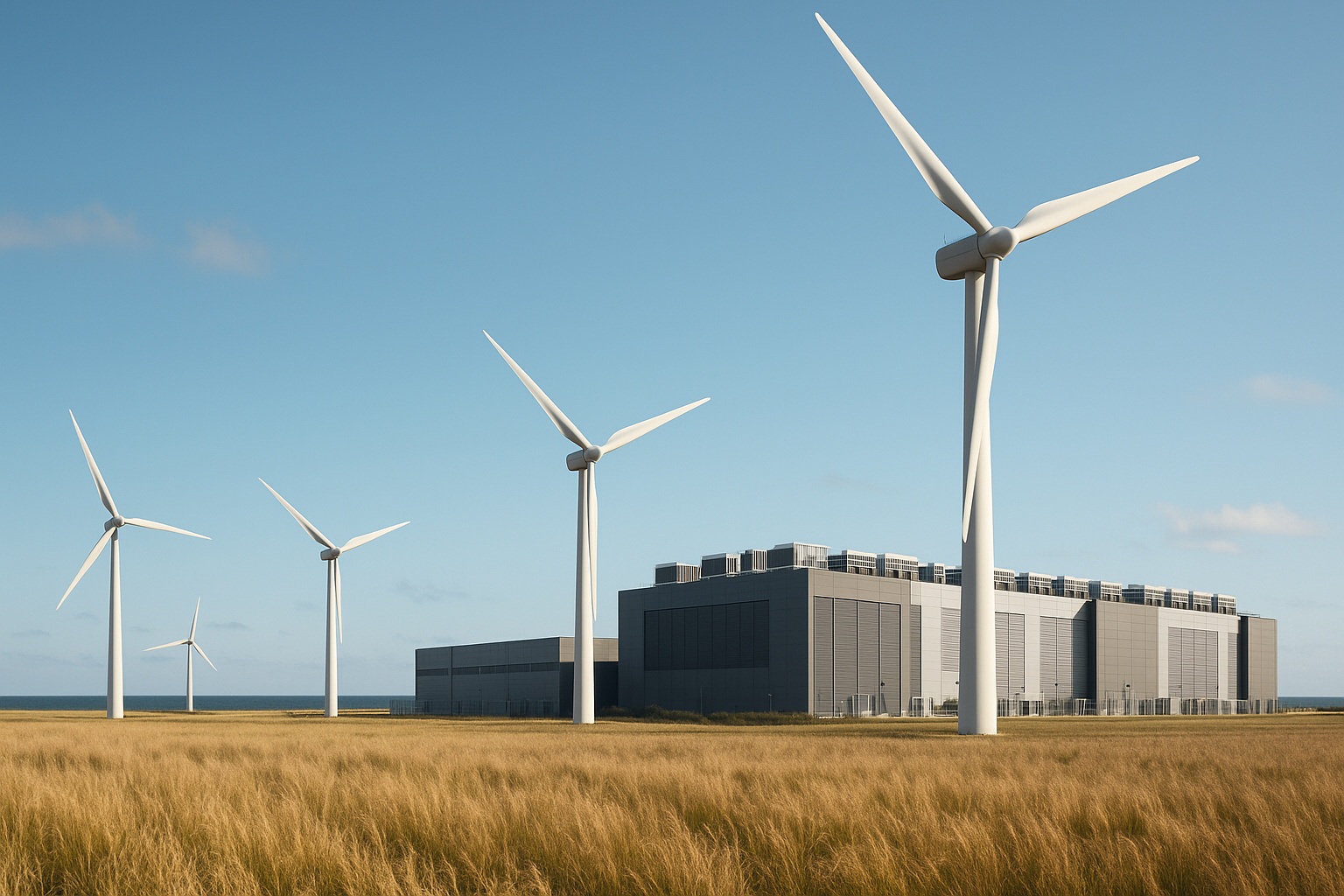
Today, Ceará occupies a prominent position in the Brazilian energy landscape. Over the past two decades, the state has consistently built a solid foundation in renewable sources, especially in wind and solar energy. However, this accelerated progress has brought a relevant paradox. Generation has grown at a pace surpassing local drainage and consumption capacity, leading to surpluses that often cannot reach the National Interconnected System.
Historically, the Brazilian electrical matrix has always relied predominantly on hydroelectric generation. Since the 1950s, large dams have structured the national electrical system. However, recurring water crises, especially from the 2000s onward, have highlighted the limits of this model. In this context, space was opened for the diversification of the matrix. According to the website of the National Electric Energy Agency, ANEEL, it was precisely in this context that wind energy began to gain relevance in the country.
In Ceará, this movement occurred particularly intensively. This is because natural conditions favored the expansion of wind energy. Constant winds, especially along the coast and in some inland areas, made it possible to install large-scale parks. As a result, according to data from the National System Operator, ONS, the state began to record, starting in the 2010s, generation peaks capable of meeting a large part of local demand at certain times.
-
Giant of the winds in Rio Grande do Norte: Serra do Tigre Wind Complex receives new investments and accelerates the expansion of clean energy generation to supply millions of Brazilian homes.
-
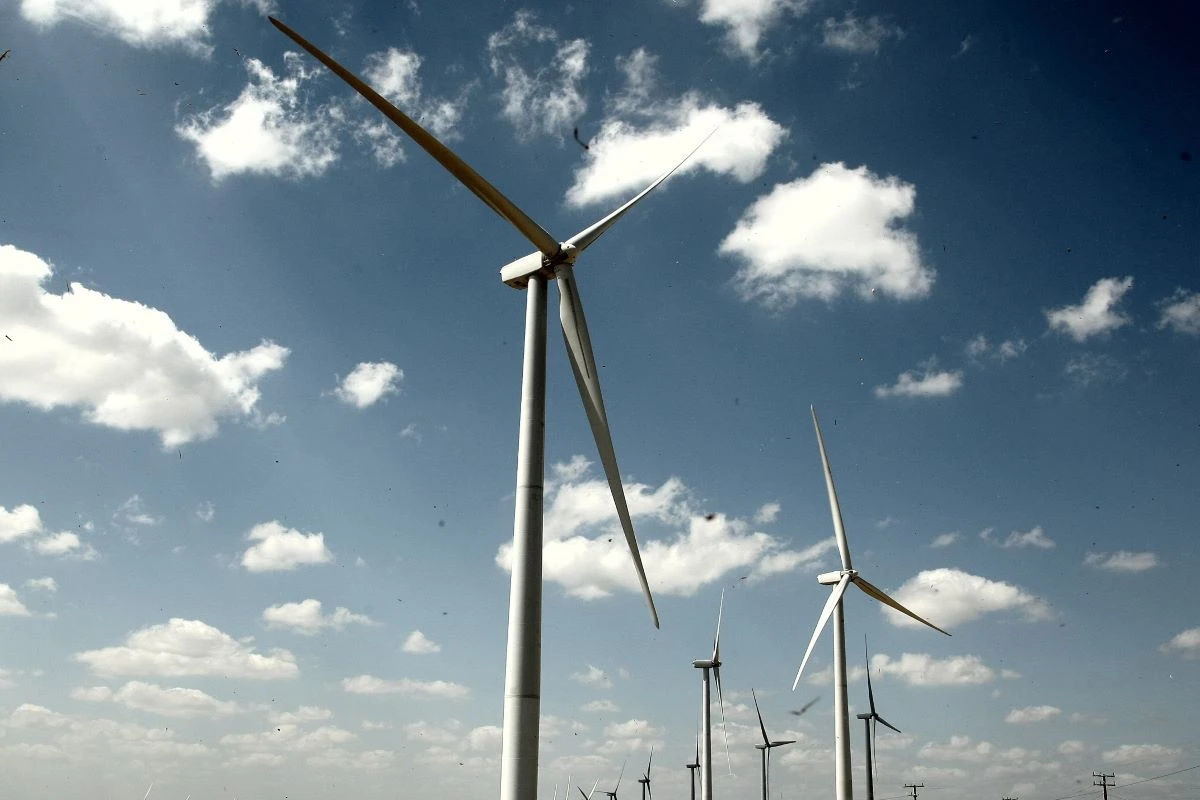
Urgent energy transition: Greenpeace advocates for massive investments and points to Brazil as a global leader in wind energy production in the coming years.
-
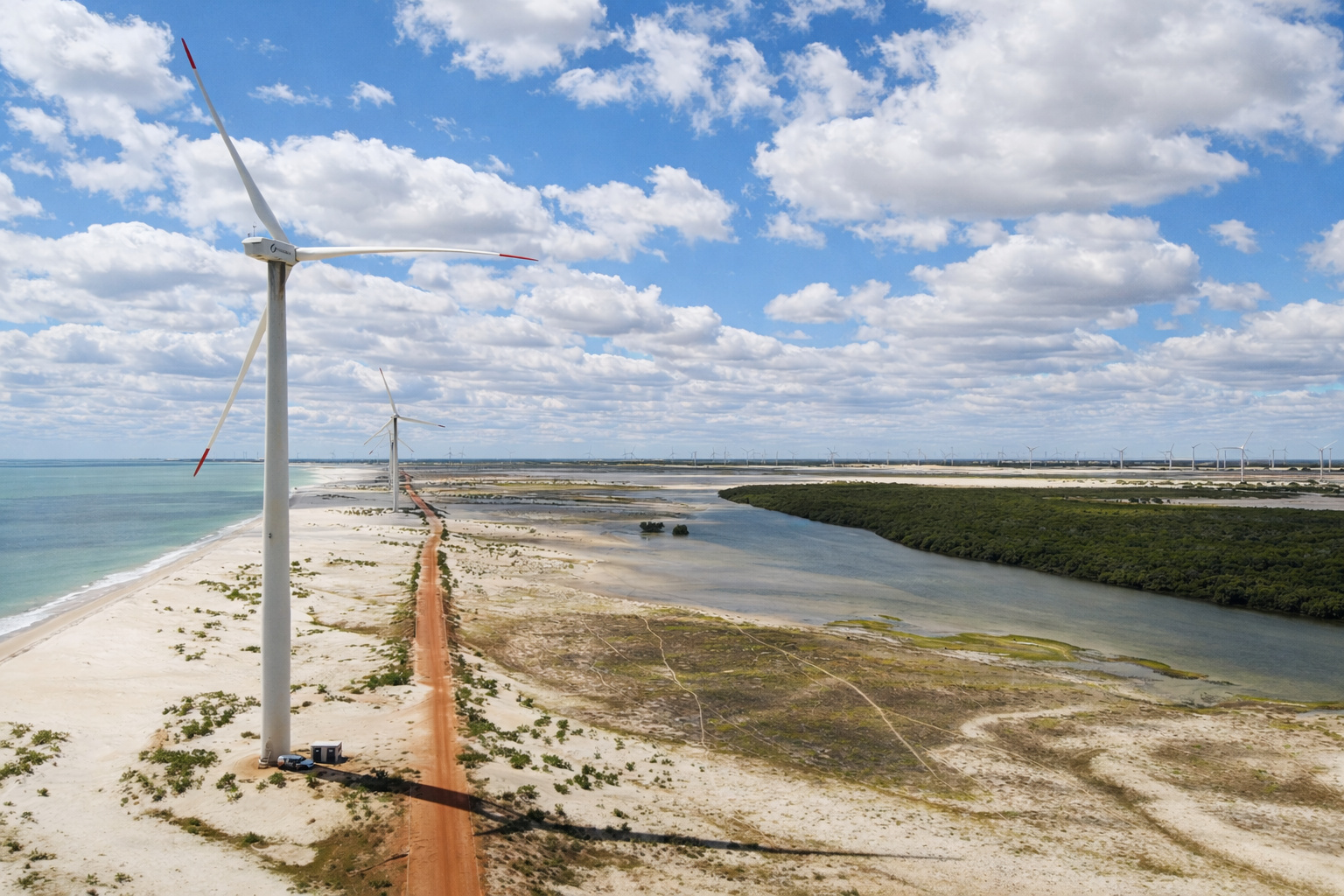
Conflict in the Sertão: Rural communities in Rio Grande do Norte report issues with wind farms and the new challenges of clean energy in the semi-arid region.
-
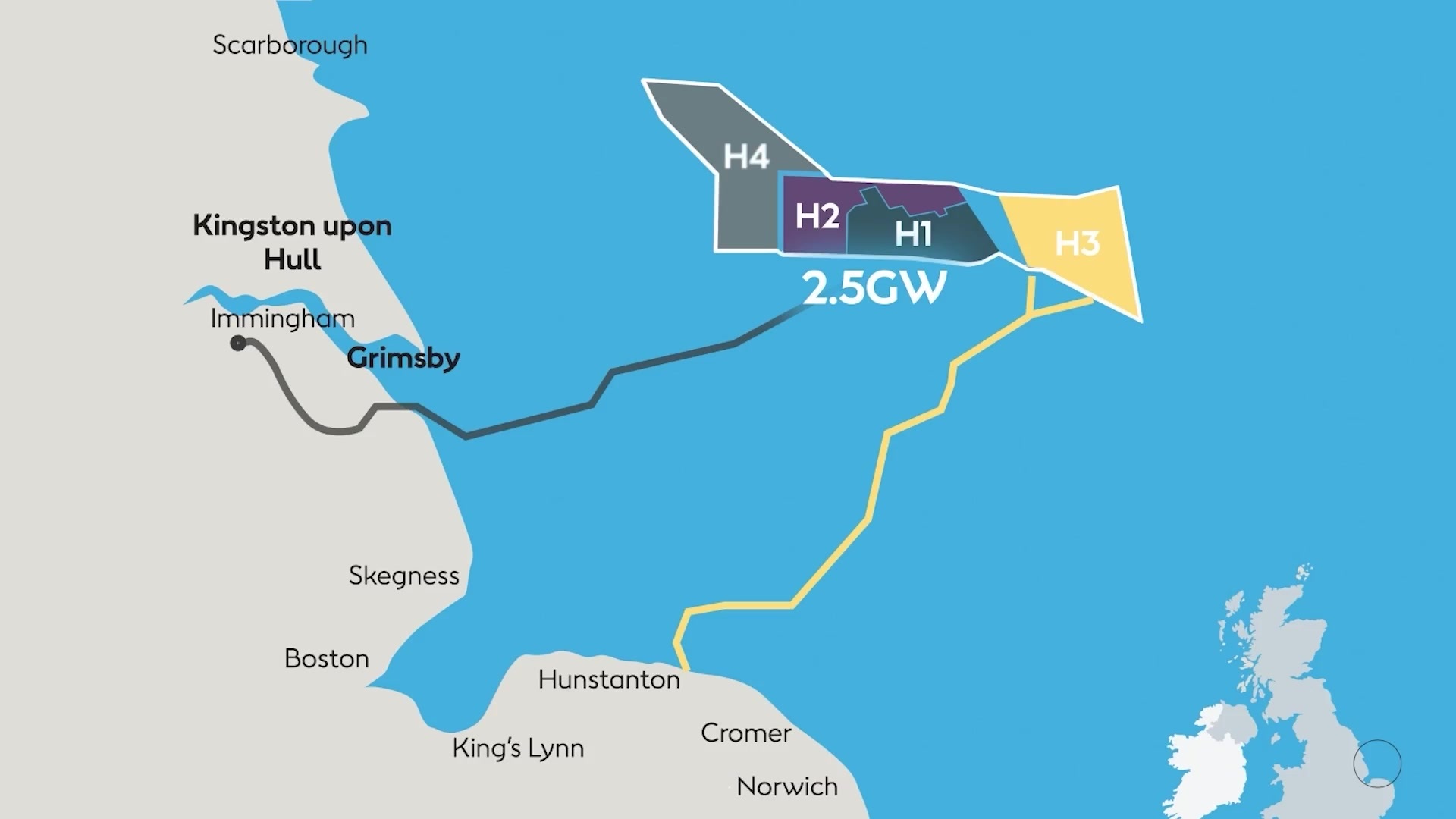
231 turbines of 260 meters at 160 km from the coast, monopiles weighing as much as nine blue whales embedded in the North Sea, and a crane ship taller than the Eiffel Tower: Hornsea 3 will be the largest offshore wind farm on the planet by 2027, and its first components have already arrived in England.
However, as installed capacity advanced, a new challenge emerged. The transmission infrastructure did not evolve at the same pace. Thus, part of the generated energy, including from clean sources like wind energy, began to be limited or interrupted, a phenomenon known as curtailment.
Wind Energy, Surplus, and Structural Bottlenecks
The interruption of renewable generation does not occur due to a lack of global demand. On the contrary, it arises mainly from technical limitations of the system. According to the National System Operator, reports released in recent years indicate that regions with high concentrations of renewable generation face bottlenecks in draining energy to large consumer centers.
In the specific case of Ceará, wind energy continues to grow. Nevertheless, local industrial consumption does not absorb all this production. Moreover, the available transmission lines do not always manage to transport the surplus to other regions of the country. Consequently, economic losses and operational restrictions arise that impact investors and the electrical system itself.
At the same time, in parallel to this challenge, the global context is undergoing an accelerated transformation. The digitalization of the economy, the advancement of artificial intelligence, and the expansion of cloud services have driven the growth of data centers. These structures, in turn, consume large volumes of energy continuously and predictably.
According to the International Energy Agency, reports published starting in 2022 show that energy consumption by data centers is consistently growing worldwide. In this way, these installations become ideal consumers for regions with a surplus of renewable generation, such as Ceará.
Data Centers as Economic and Energy Solutions
In this context, the proposal to direct wind energy surpluses to data centers follows a clear economic logic. Instead of wasting clean energy, the state begins to attract energy-intensive businesses, promoting local development. According to the Ceará government, recent statements reinforce that this strategy aims to transform energy into jobs, revenue, and competitiveness.
From a historical perspective, this approach represents a significant change. For decades, energy policies focused almost exclusively on generation and transmission. Now, strategic consumption is integrated into energy planning. Thus, wind energy ceases to be merely an input and begins to solidify as an economic attraction asset.
Moreover, data centers present important operational advantages. They operate continuously, contributing to demand stability. At the same time, they enable long-term contracts, providing predictability for investors in renewable generation. According to the World Bank website, projects that integrate clean generation and large consumers tend to reduce risks and increase the efficiency of the electrical system.
In the case of Ceará, this strategy does not arise in isolation. On the contrary, it connects to the state’s historical energy innovation. Since the first wind farms, the local government has bet on attracting investments. Now, the focus shifts to the intelligent use of already produced energy.
Wind Energy, Sustainability, and Regional Competitiveness
In addition to the economic aspect, the integration of wind energy and data centers directly aligns with the sustainability agenda. Currently, global technology companies face increasing pressure to reduce carbon emissions. According to the United Nations, climate commitments made by large corporations require the intensive use of clean energy.
In this scenario, regions capable of offering renewable energy on a large scale gain a competitive advantage. Thus, Ceará positions itself as a strategic hub, capable of meeting the demands of the digital economy with a low carbon footprint. This factor, in turn, strengthens the state’s image on both national and international stages.
Moreover, local use of the surplus reduces the need to activate thermal plants to meet peak demand in other regions. According to the Energy Research Company, EPE, recent reports indicate that the expansion of renewables, when well integrated with consumption, contributes to the reduction of the average cost of energy in the system.
Therefore, it is evident the importance of integrated planning. Generation, transmission, and consumption need to evolve in a coordinated manner. Otherwise, even with enormous available potential, wind energy will continue to face structural limitations.
A New Chapter for Wind Energy in Brazil
The case of Ceará illustrates a trend that is likely to expand to other regions of the country. Gradually, states with a strong presence of wind and solar energy are beginning to seek local solutions to absorb surpluses, reducing losses and enhancing economic benefits.
According to the Ministry of Mines and Energy, Brazil’s energy planning already considers, in the coming years, the need to integrate large consumers with renewable generation hubs. With this, the country is starting to break with the traditional model, centered only on large urban centers.
Throughout history, the Brazilian electric sector has evolved in cycles. First, the expansion of hydroelectric power. Then, diversification with thermal and renewable sources. Now, a new phase emerges, marked by the integration of wind energy, technological innovation, and regional development.
Although this strategy does not eliminate all the challenges of the transmission system, it creates concrete solutions in the short and medium term. At the same time, it positions Ceará as a protagonist in a more efficient, sustainable energy logic that aligns with future demands.







Seja o primeiro a reagir!