





 Portuguese
  English
  Spanish
  3 min of reading
  0 comments


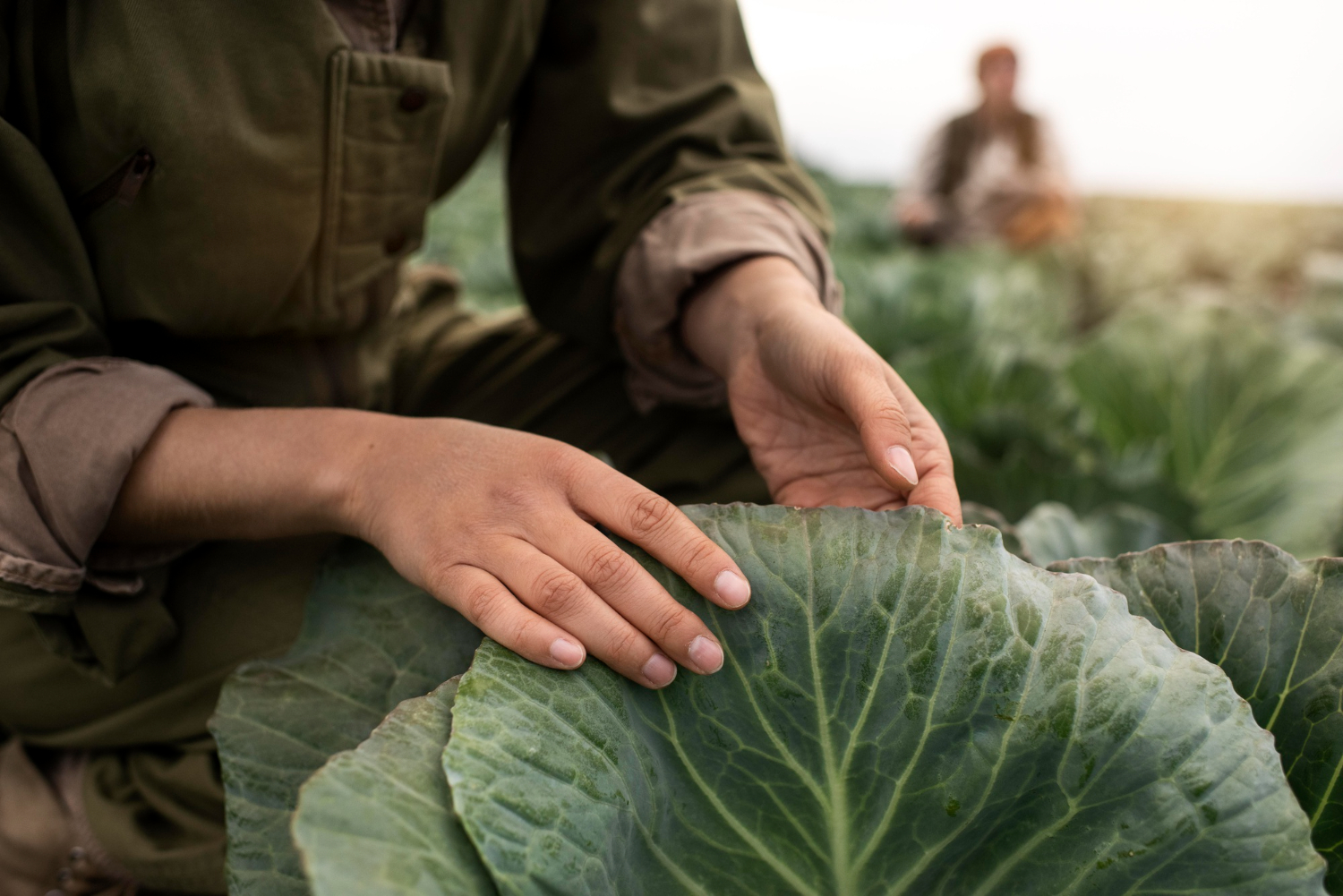
Organic Agriculture Advances Unevenly Between Denmark and Brazil, Highlighting Policies, Certifications, Market, and Structural Challenges
Organic agriculture is at the center of discussions about food systems in light of data from the IPCC indicating an intensification of the climate crisis, according to an article published.
A study analyzed Denmark and Brazil and revealed contrasting trajectories in the sector, even though both have favorable conditions for sustainable cultivation.
The investigation used a SWOT matrix and quadrants to evaluate public policies, social organization, and market dynamics.
-
Rain gains strength in April, potentially exceeding 150 mm, placing the North, Northeast, and the coasts of the South and Southeast at the center of the heaviest forecast of the week.

-
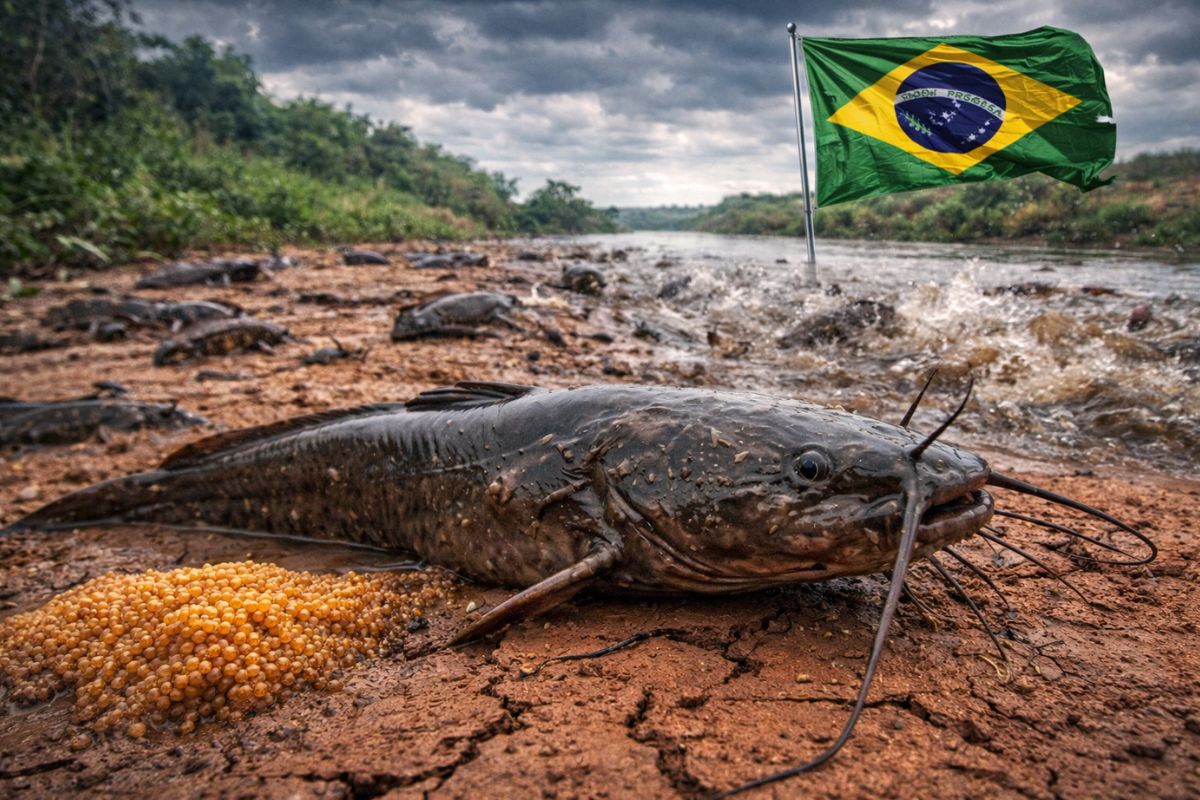
A fish that survives out of water, crawls on land until it finds another river, and whose female lays 80,000 eggs at once is infesting rivers and lakes in Brazil, and no one can stop this invasion.
-
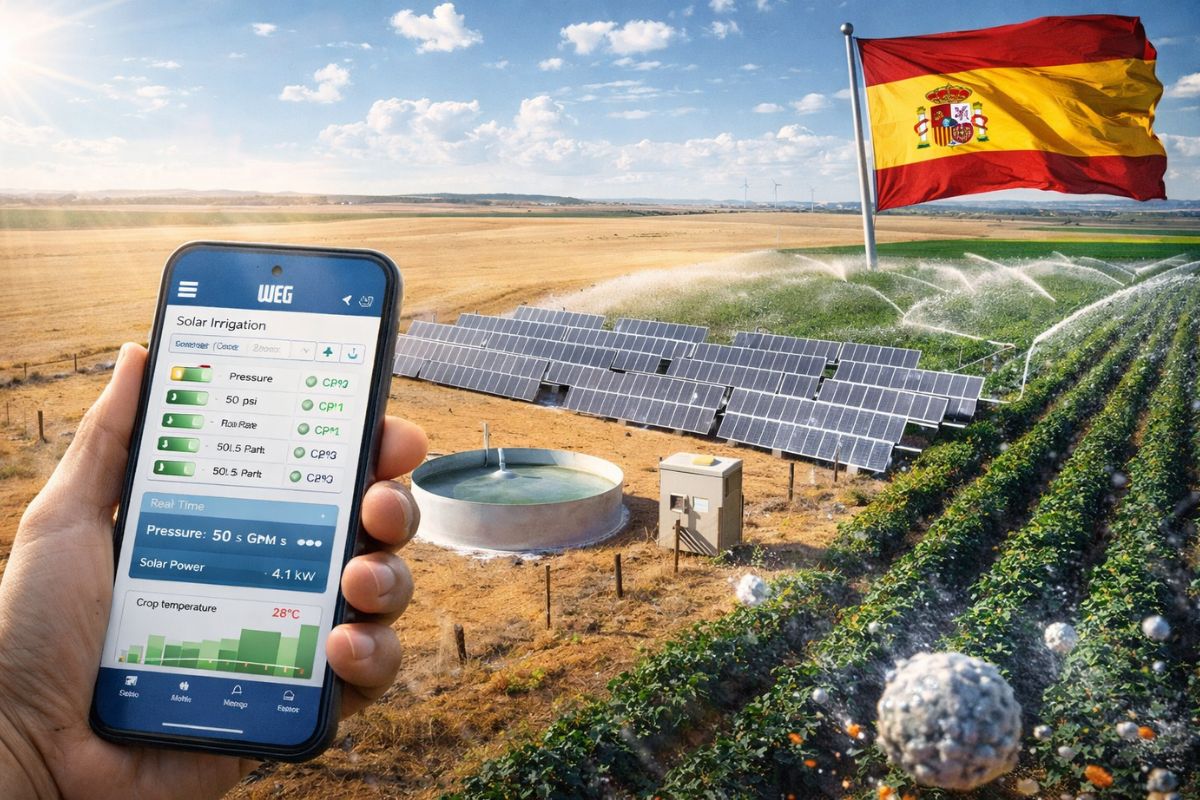
WEG took its technology to Spain to create a solar irrigation system that operates independently without needing an electrical grid, and now farmers control everything remotely via their mobile phones.
-
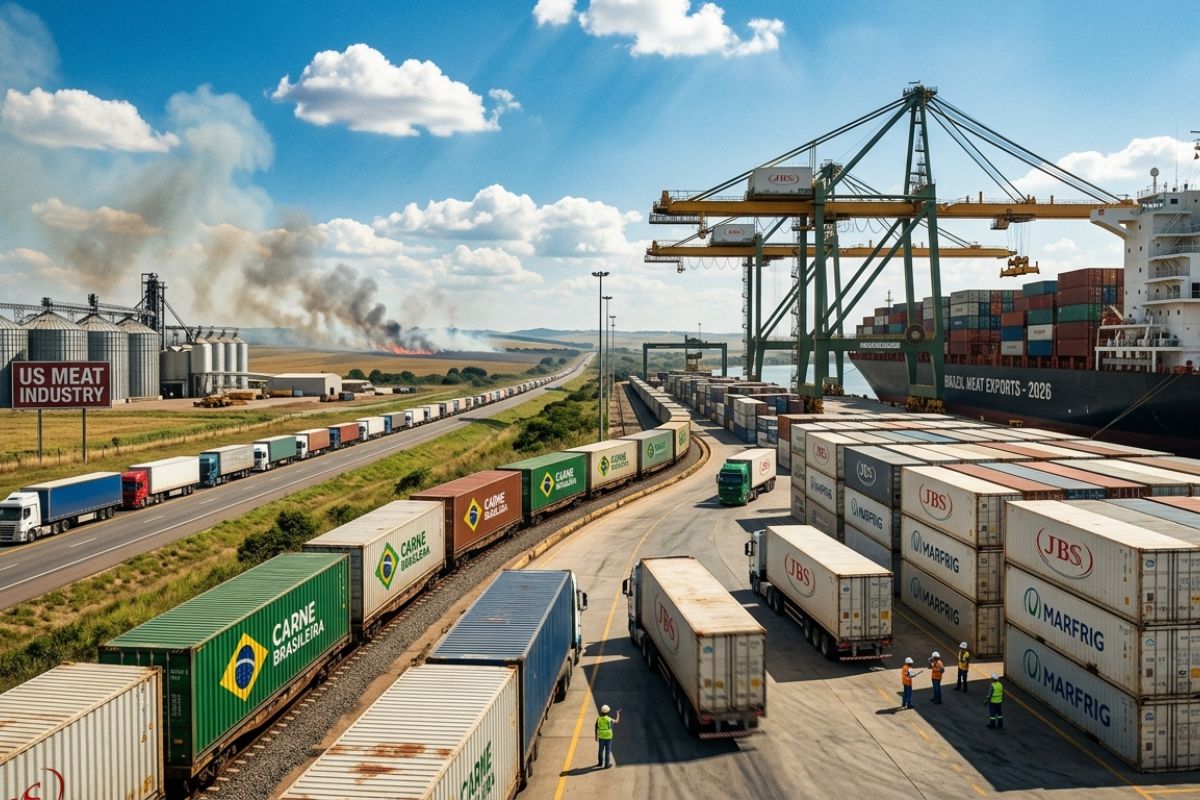
The US faces a meat crisis with fires, pests, and strikes, consumption rises and supply falls to the lowest level since 1952, creating a billion-dollar opportunity for Brazilian exports to grow in 2026.
The results show that Denmark has structured a collaborative environment since the 1980s, while Brazil still faces limitations that reduce the scale of production.
These contrasts help to understand why the two countries advance at such different speeds within the same segment.
Public Policies for Sustainable Production
In Denmark, the advancement has occurred continuously over decades, supported by cooperation among government, farmers, and retail.
In 2023, the country allocated 303,000 hectares to cultivation and recorded a per capita consumption of 362 euros. The establishment of the National Organic Agriculture Association, along with certifications, technical training, and tax incentives, solidified the foundation for expansion.
National campaigns, government purchases, and specific credit reinforced access, strengthening the “Økologisk” label as a reference for consumers.
Certification of Organic Products in Europe
The relevance of organic agriculture in the Danish strategy is notable. Between 2015 and 2021, there was a 63% increase in the number of certified properties, supported by the integration of retail and food policies.
Supermarkets began offering organic products at more accessible prices even in the 1990s, expanding the domestic market.
In the 2000s, national plans integrated agricultural and environmental policies, elevating the country to a reference role.
Meanwhile, in Brazil, challenges such as restricted credit, low technical assistance, and lack of national monitoring persist.
Natural Food Consumer Market
In Brazil, the scenario follows an opposite direction. Of more than 351 million hectares of agricultural land, only about 1 million (0.4%) is dedicated to organic cultivation.
Annual consumption is €4 per inhabitant, concentrated in the middle and upper classes. Marketing depends on short circuits, such as local fairs, making scaling difficult.
Organic agriculture emerges as a central theme to understand how structural barriers, such as land concentration and lack of data, limit progress despite ample production potential.
Technical assistance for small producers appears as a crucial point. Programs like Pronaf, PAA, and PNAE have opened pathways, but still do not compete in volume with the conventional model.
The agroecological transition in Brazil requires stable policies, adequate credit, and consumer campaigns.
Researchers from Unicamp and Embrapa point out that identifying barriers can facilitate changes and allow international experiences to inspire local adaptations.
The study also highlights that increasing national monitoring and strengthening social organization initiatives can improve the productive environment.
Moreover, the growing demand for healthier food helps to open new opportunities in various regions of the country.
Organic agriculture is seen as an opportunity given Brazil’s agricultural diversity and the large number of family farmers who can integrate into the sector, significantly broadening future productive prospects.








-

Uma pessoa reagiu a isso.