





 Portuguese
  English
  Spanish
 5 min of reading
  0 comments


Understand How the Specialization of Senai-RN Strengthens Offshore Wind Energy in Brazil, Prepares Qualified Labor, and Anticipates the Expansion of Investments in the Sector
Offshore wind energy is currently gaining increasing space in the global energy debate and, at the same time, consolidating itself as a strategic alternative to increase clean electricity generation. Additionally, this source directly contributes to the diversification of the energy matrix and, consequently, to the reduction of greenhouse gas emissions. In recent years, therefore, governments, companies, and investors have begun to see this technology as a solution capable of uniting economic development and environmental sustainability. While countries in Europe, Asia, and the United States have widely used this generation model, Brazil, on the other hand, is still structuring its market and creating the necessary foundations for its expansion.
In this context, Senai of Rio Grande do Norte plays a decisive role by launching the first postgraduate course in the country focused exclusively on offshore wind energy. The initiative arises, especially, at a crucial moment marked by the advancement of regulatory debate, by the increased interest of investors, and, furthermore, by the urgent need to prepare qualified professionals. Thus, the course directly addresses one of the main challenges of the sector, which is the scarcity of specialized labor.
Historically, wind energy developed first on land, through onshore parks. In Brazil, this movement gained momentum starting in the 2000s, driven primarily by public policies, energy auctions, and the quality of winds, especially in the Northeast. Over time, however, technological advancement allowed larger and more efficient turbines. As a result, it became possible to operate in more complex environments, paving the way for offshore wind energy, which takes advantage of more constant and intense winds in the maritime environment.
-
Giant of the winds in Rio Grande do Norte: Serra do Tigre Wind Complex receives new investments and accelerates the expansion of clean energy generation to supply millions of Brazilian homes.
-
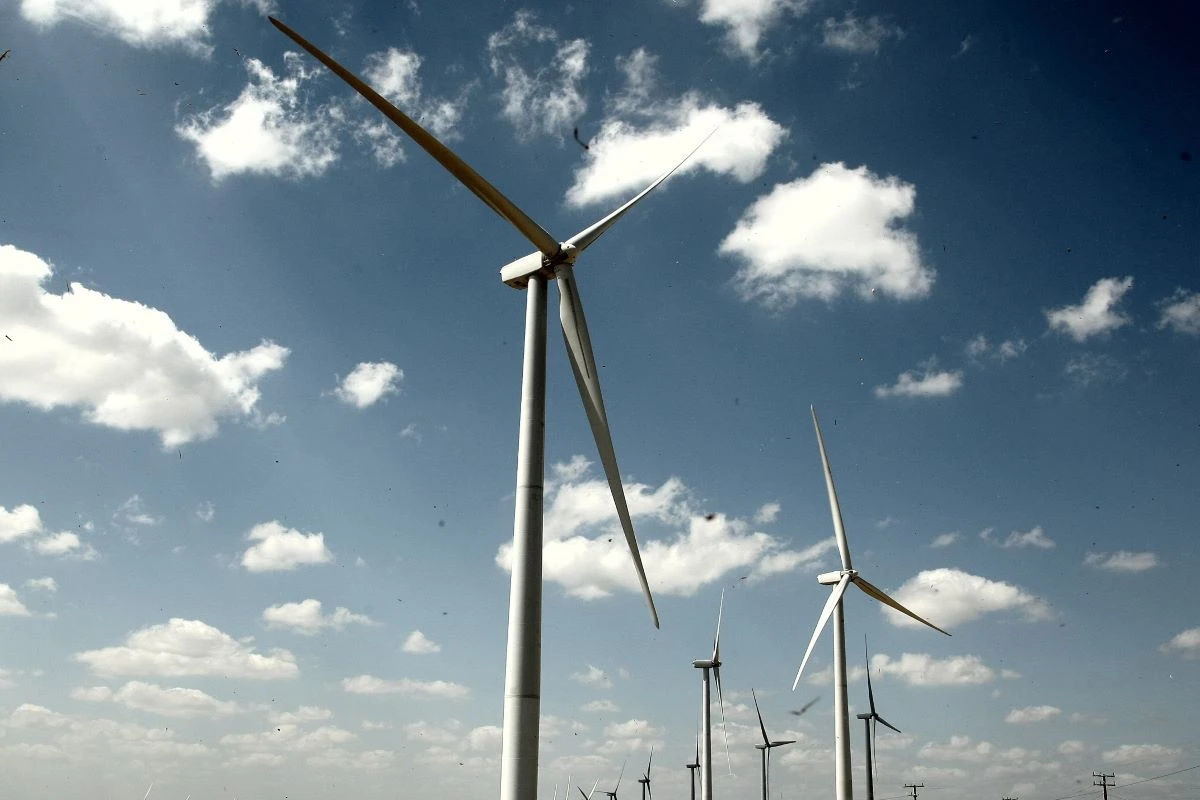
Urgent energy transition: Greenpeace advocates for massive investments and points to Brazil as a global leader in wind energy production in the coming years.
-
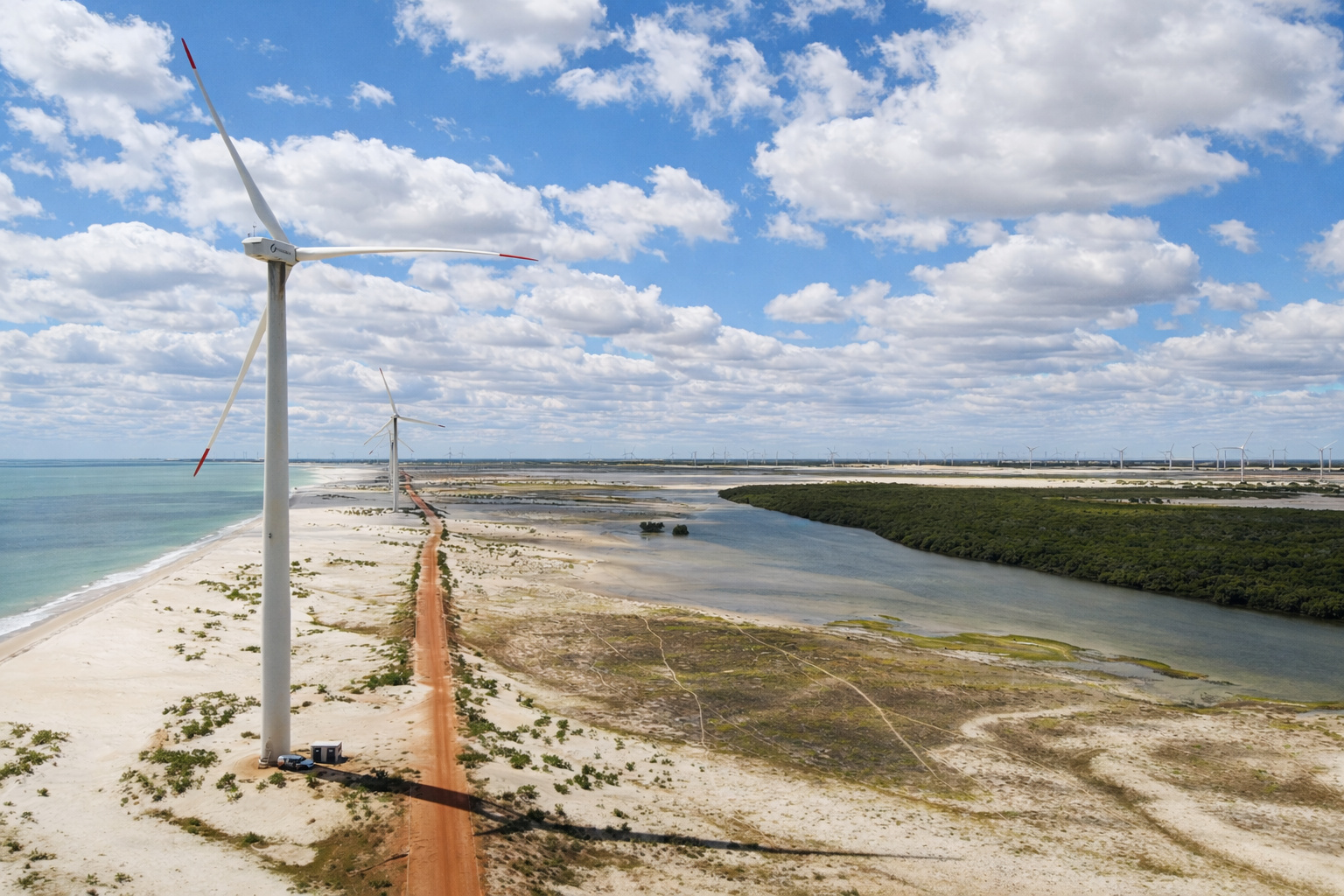
Conflict in the Sertão: Rural communities in Rio Grande do Norte report issues with wind farms and the new challenges of clean energy in the semi-arid region.
-
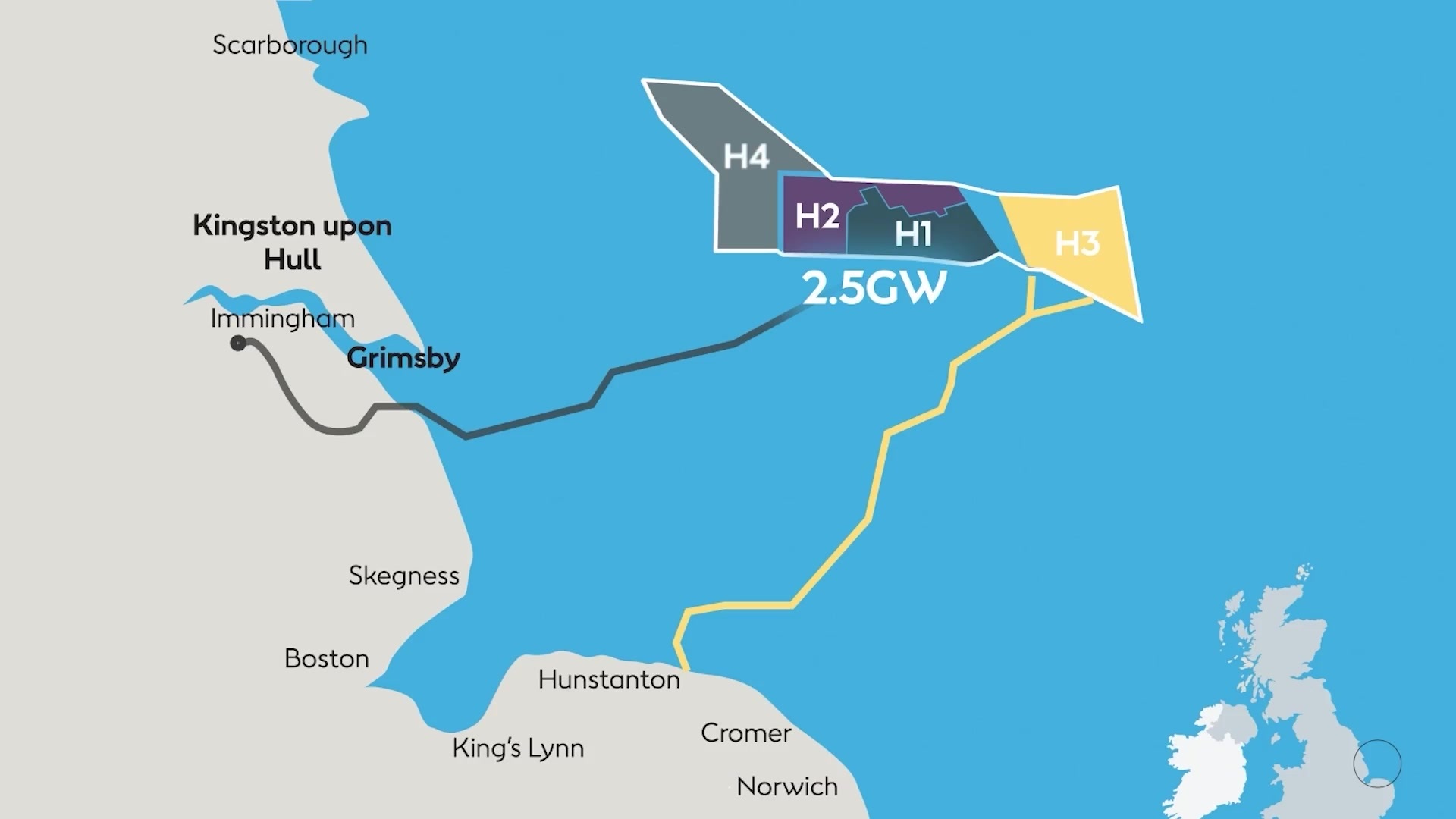
231 turbines of 260 meters at 160 km from the coast, monopiles weighing as much as nine blue whales embedded in the North Sea, and a crane ship taller than the Eiffel Tower: Hornsea 3 will be the largest offshore wind farm on the planet by 2027, and its first components have already arrived in England.

Professional Training as a Base for the Advancement of Offshore Wind Energy
International experience clearly demonstrates that the consolidation of offshore wind energy depends not only on financial investments but also, and primarily, on technical knowledge and strategic planning. Countries that lead this market invested, from the beginning, in the training of specialized engineers, technicians, and managers. In Brazil, however, the absence of this technical base has always hindered the feasibility of large-scale projects.
In light of this, Senai-RN created the specialization to systematically face this challenge. The course prepares professionals to act in all stages of projects. First, in the initial studies and licensing processes. Next, in the construction of offshore wind farms. Subsequently, in the operation and maintenance of systems installed at sea. This integrated approach reduces risks, improves the efficiency of projects, and at the same time increases the country’s attractiveness for national and international investments.
Moreover, specialized training contributes to maintaining technical knowledge in Brazil. With this, it strengthens the local industry and stimulates innovation. In a technology-intensive sector, therefore, the qualification of the workforce becomes a competitive differential, accelerates project implementation, and consequently generates positive economic and social impacts over time.
The Historical Role of Wind Energy in the Brazilian Electricity Matrix
The choice of Rio Grande do Norte as the headquarters for this initiative reflects directly the state’s trajectory in the renewable energies sector. A national leader in wind generation, RN combines favorable natural conditions, logistical infrastructure, and recognized research centers. From the first onshore wind farms to the pilot projects for offshore wind energy, the state has gradually established itself as a strategic hub for the development of this technology in the country.
Over the past few decades, Brazil has built an electricity matrix recognized worldwide for the use of renewable sources, with emphasis on hydropower. However, prolonged drought periods and extreme weather events have increasingly highlighted the need to diversify generation sources. In this scenario, wind energy has begun to play a fundamental role in the security of the electricity system.
Offshore wind energy, in turn, further enhances this potential. This is because the technology allows the installation of large-scale projects at sea. Furthermore, it reduces pressure on land areas and enables parks near large consumer centers located on the coast. This way, the country decreases transmission losses and, at the same time, improves the efficiency of the entire electricity system.
Technical Knowledge, Regulation, and Connection with the Industry
The specialization in offshore wind energy offered by Senai-RN is directly connected to this vision of the future for the Brazilian electricity sector. The curriculum initially addresses the global panorama of the technology. It then delves into essential technical topics, such as energy meteorology, maritime foundations, integration into the electricity system, and economic analysis. In addition, the course discusses regulatory and environmental aspects, which are essential to ensure the viability and sustainability of the projects.
Another important differentiator lies, above all, in the connection with the industry. Senai maintains a consolidated tradition in education aimed at the productive sector. Therefore, it ensures proximity to companies, sector associations, and regulatory bodies. In a rapidly evolving segment, this integration allows the training of professionals aligned with the real demands of the market and technological trends.
Furthermore, data on projects in licensing in Brazil indicate a significant potential for growth in offshore wind energy in the coming years. This scenario, therefore, points to the generation of thousands of direct and indirect jobs, involving the industrial chain, logistics, specialized services, and applied research.
Offshore Wind Energy as a Vector for Long-Term Development
In this context, the training of human capital takes on a decisive role for the success of the sector. Without qualified professionals, projects face delays, cost increases, and operational difficulties. Senai-RN’s initiative, therefore, acts as a structuring element, reduces uncertainties, and creates a more favorable environment for the advancement of offshore wind energy in Brazil.
From a historical perspective, the creation of the first Brazilian specialization in this area resembles the beginning of training in other renewable sources. Just as photovoltaic solar energy needed training programs to consolidate itself, offshore wind energy is now entering an essential preparation phase for its sustainable growth.
From a timeless perspective, offshore wind energy stands as one of the most promising paths to meet the growing demand for clean, safe, and sustainable electricity. By investing in the training of professionals even before the full consolidation of the market, Senai-RN demonstrates strategic vision and, consequently, helps build the foundations of an industry with lasting potential in the Brazilian energy landscape.









Seja o primeiro a reagir!