





 Portuguese
  English
  Spanish
  4 min of reading


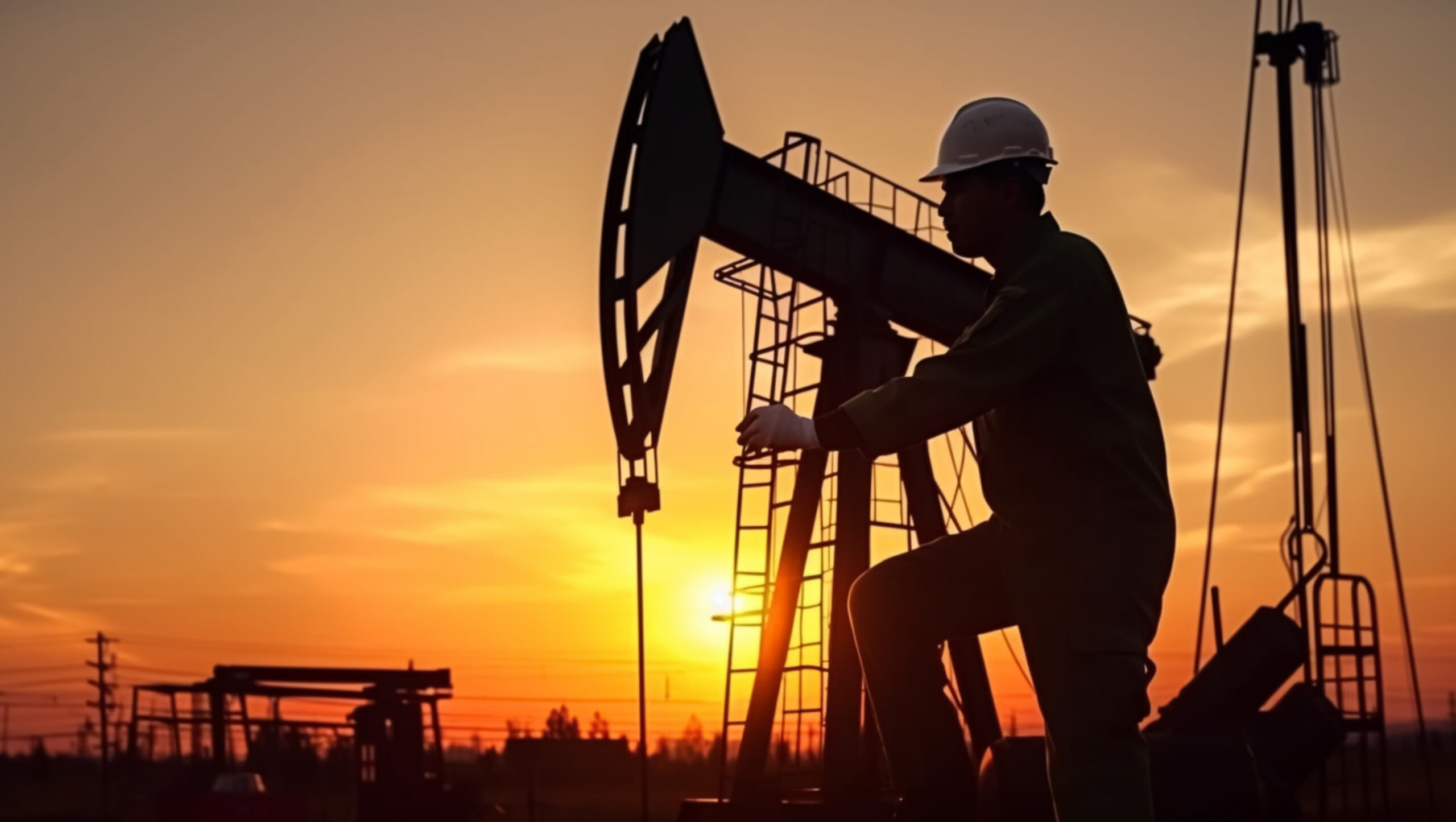
The Recovery Of Oil Prices Gained Strength After The OPEC+ Decision To Maintain Production Stability In The First Quarter Of 2026, While Geopolitical Tensions, Especially In Russia, Ukraine, And Venezuela, Reignite Debates On Supply, Demand, And Energy Balance.
The behavior of oil continues to reveal how the international market still depends on unpredictable external factors. According To the site InfoMoney, both WTI and Brent rose more than 1% after the confirmation of OPEC+’s production policy. This movement shows that, although the world discusses alternatives, oil maintains its prominence.
The Historical Role Of Oil And Its Current Relevance
Since the early 20th century, oil has shaped economic crises, defined foreign policies, and altered energy strategies of producing and importing countries. This history helps explain why every OPEC+ statement moves markets. Nevertheless, according to the International Energy Agency (IEA), global dependence on oil remains high despite energy transition goals.
Therefore, when OPEC+ decisions arise amid conflicts and political instability, prices react immediately. The recent announcement, according to international media cited by InfoMoney, showed that the eight cartel countries prefer to avoid drastic cuts due to the seasonality at the beginning of the year.
-
Lula reveals a masterstroke by Petrobras to undo a deal made by Bolsonaro, which involves the return of an important refinery that currently produces less than half of what was expected and makes Brazil dependent on international diesel.
-
A study confirms that the natural gas sector will reduce greenhouse gas emissions in Brazil by 0.5% and accelerate the energy transition by 2026.

-
Petrobras implements a severe adjustment and confirms a 55% increase in the price of aviation kerosene with a proposal for installment payments for the companies.

-
The rise in oil prices could ensure an extra revenue of R$ 100 billion for the Federal Government, indicates a recent economic study.


This posture gained even more strength due to the war in Ukraine, which continues without a definitive agreement.
The Influence Of Geopolitics On The Oil Market
Geopolitics has always directly influenced oil. Conflicts in the Middle East, American embargoes, military tensions, and territorial disputes form a set of factors that shape supply. In 2025, this dynamic intensified.
According to the European Union, divergent statements about the ceasefire between Russia and Ukraine left investors on alert. Additionally, as the government of Kazakhstan reported to the international press, interruptions in pipelines increased the risk of a sudden reduction in supply.
This set of elements pushed prices up and reinforced the need for constant monitoring of peace negotiations.
However, even with the search for stability, the world recognizes that oil remains a strategic and sensitive resource.
The Impact Of OPEC+ On Market Expectations
According to OPEC+, maintaining production until March 2026 responds to a “seasonal trend” related to winter in the northern hemisphere. This justification, released in an official statement, helped sustain the upward price movement.
Still, analysts told InfoMoney that the decision also aims to avoid excessive volatility at a time of multiple tensions. This is because, although there is concern about a decline in demand in some markets, the geopolitical scenario tends to pressure supply.
Therefore, when WTI oil closed at US$ 59.32 and Brent reached US$ 63.17, investors saw a short-term movement, but one that could extend depending on political decisions.
Oil And The Relationship With Global Energy Security
Over the past few decades, several countries have begun discussing energy alternatives, but oil remains the foundation for transportation, industry, fertilizers, and petrochemicals. Consequently, sharp changes in price affect entire production chains.
According to the United Nations (UN), about 31% of global emissions are still linked to energy based on fossil fuels. This reinforces debates about energy transition but also reveals the difficulty of quickly replacing oil in economies that still depend on it to grow.
Therefore, recent market movements have reignited discussions on energy security. In various economic forums, experts highlight that prolonged conflicts can compromise global supply.
Thus, even with technological advancements, oil still dictates the pace of markets.
Tensions In Venezuela And The Risk Of Interruptions
Venezuela has returned to the radar after new risks involving its production chain. According to the Venezuelan government, citing internal statements released by international agencies, internal protests and instability have raised concerns about possible cuts in supply.
This factor directly influences global prices because the country is part of OPEC and has one of the largest reserves in the world.
Even though there is no confirmed interruption, analysts highlight that any threat to Venezuelan production tends to pressure oil prices. Therefore, investors closely monitored recent events.
Expectations For The Coming Months
Experts consulted by international media stated that the behavior of oil will depend on the following factors:
• the effectiveness of peace negotiations between Russia and Ukraine
• political stability in producing countries
• energy consumption during the European winter
• any emergency decisions from OPEC+
While various nations seek alternative sources, oil remains a crucial pillar of the global energy system, especially during times of uncertainty.
Thus, the market tends to remain sensitive to changes in OPEC+ decisions, geopolitical conflicts, and global demand behavior.
The Dynamics Of Oil In The Near Future
Historically, crises and tensions have always driven upward movements in oil. According to the IEA, this pattern is expected to continue until the energy transition advances more robustly.
In the meantime, political statements, territorial conflicts, and cartel decisions will continue to shape the behavior of prices.
Additionally, as demonstrated by the increase of more than 1% this week, small movements can represent larger trends in the coming months.
The market remains vigilant, and given the current scenario, any change in supply could deeply alter the global balance.







Seja o primeiro a reagir!