





 Portuguese
  English
  Spanish
  3 min of reading
  0 comments


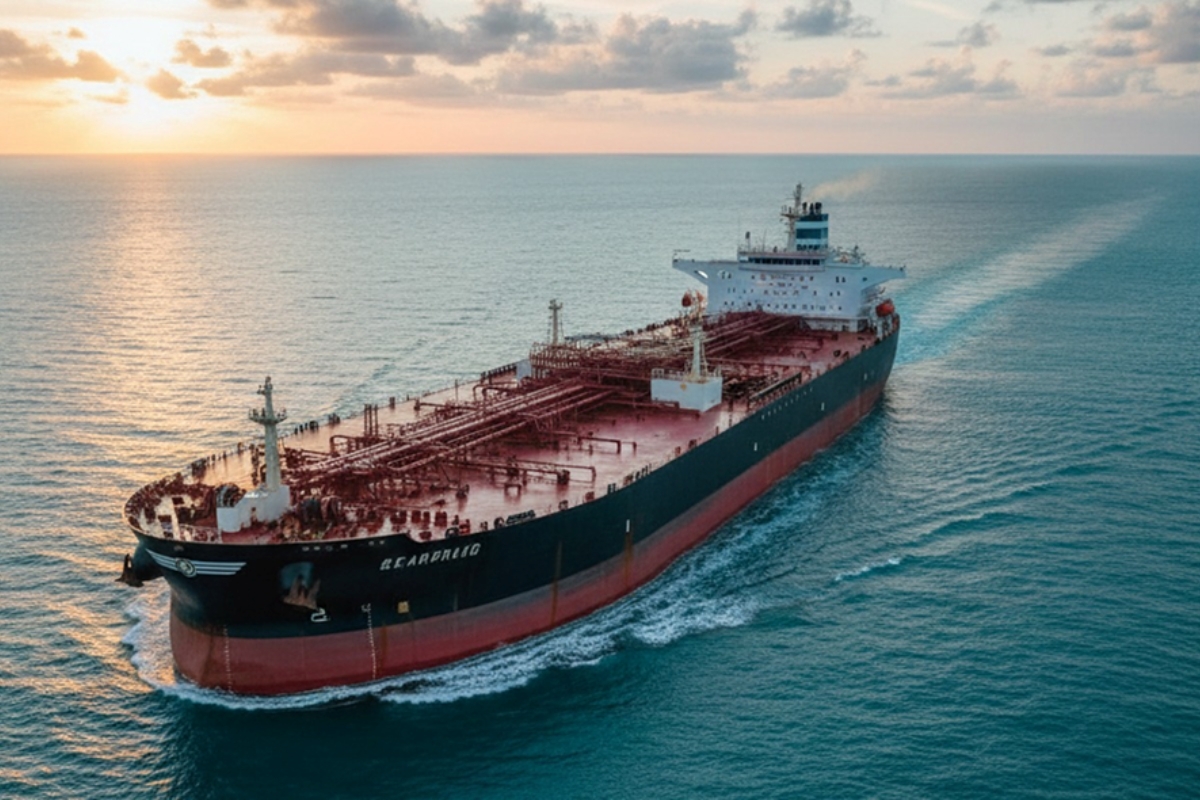
In Historic Operation, U.S. Military Intercepts Oil Tanker Aquila II in the Indian Ocean After Pursuit from the Caribbean, Strengthening the Blockade on Venezuelan Oil.
In an unprecedented demonstration of global reach, the U.S. Armed Forces intercepted an oil tanker in the Indian Ocean after a chase that extended thousands of kilometers from the Caribbean Sea. The tanker, identified as Aquila II, reportedly ignored restrictions imposed by Washington, triggering a continuous monitoring operation that culminated in the interception in international waters.
According to the Department of Defense, the action reinforces the country’s determination to maintain a “quarantine” on vessels that challenge current economic sanctions.
The Blockade on the Venezuelan Oil Tanker and Operation Aquila II
The interception of Aquila II is not an isolated event, but the pinnacle of a maximum pressure strategy against Venezuela’s energy infrastructure. Since last year, at least seven oil tankers have been seized under orders from Washington.
-
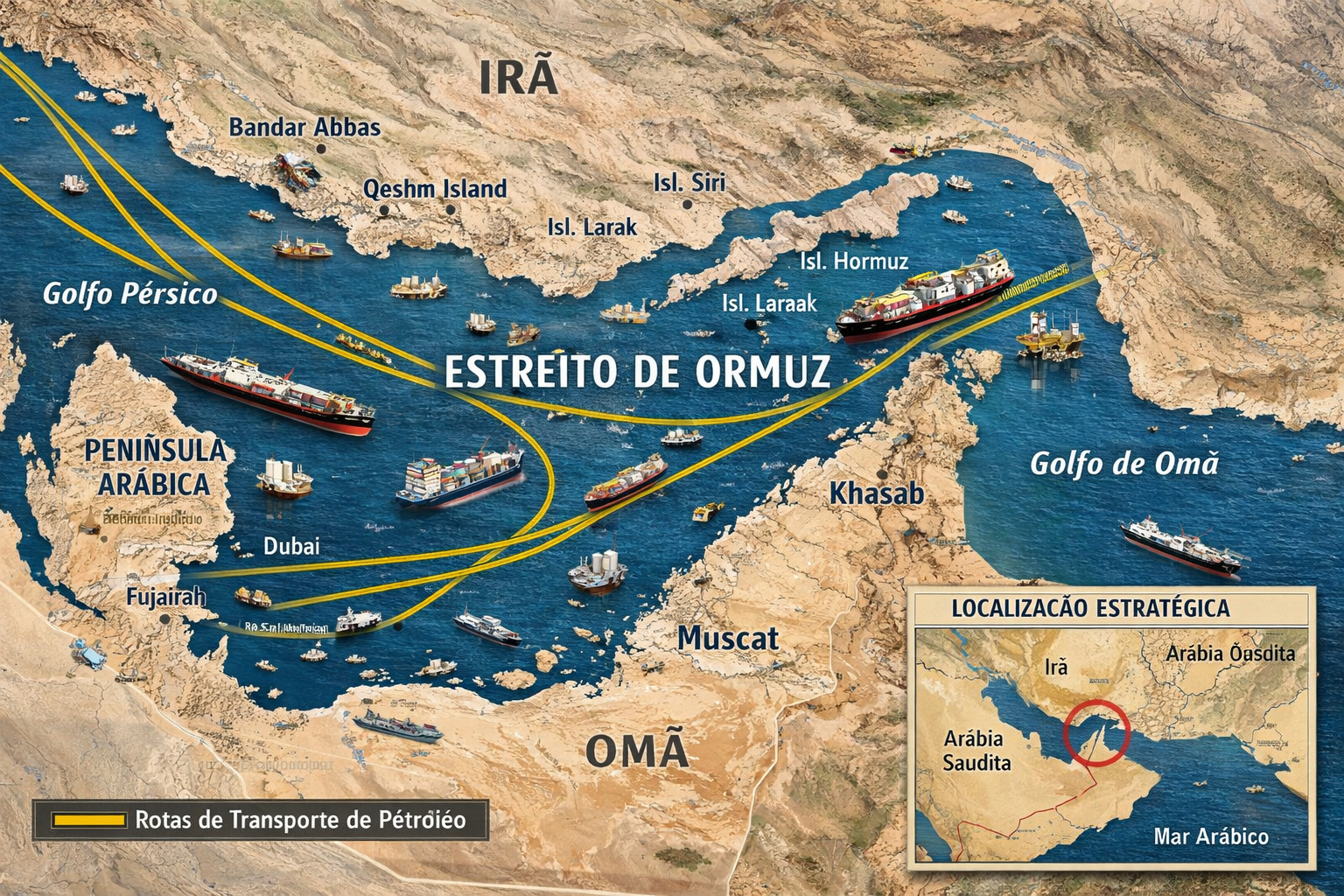
Global summit with over 40 countries pressures Iran for a blockade in the Strait of Hormuz and warns of direct impact on oil, food, and the global economy.
-
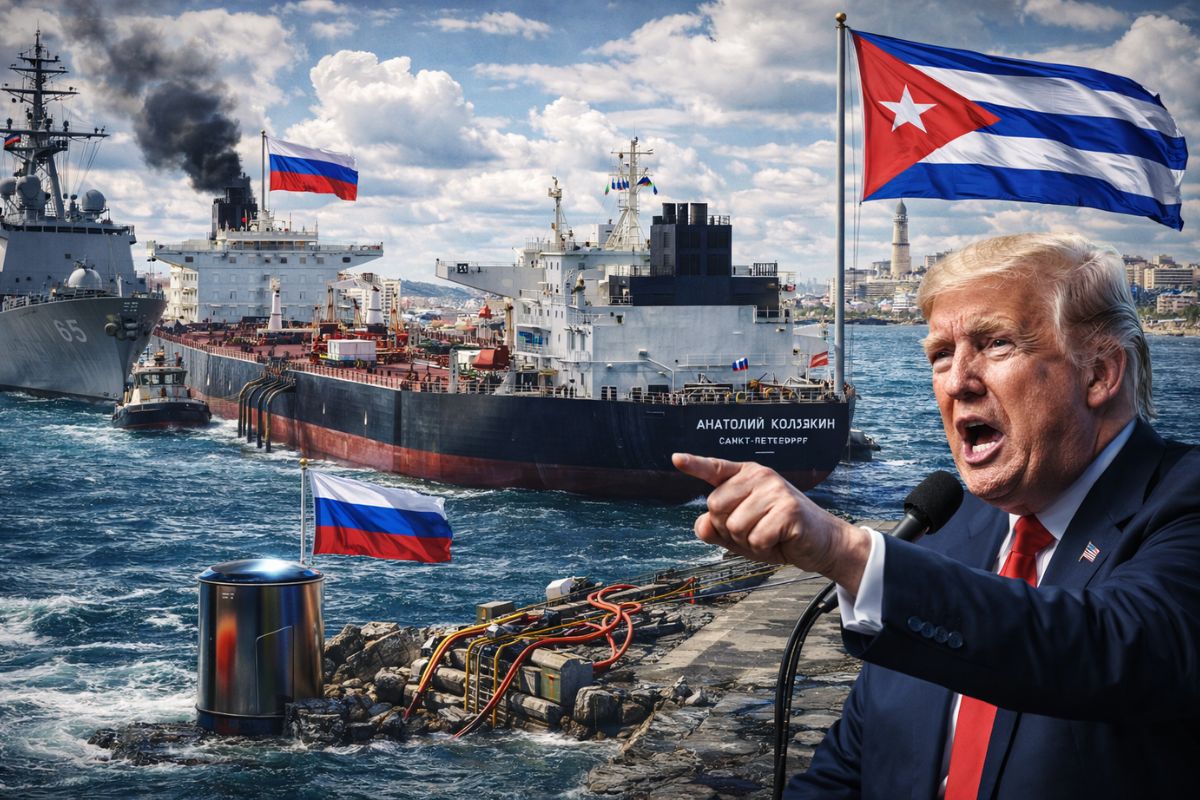
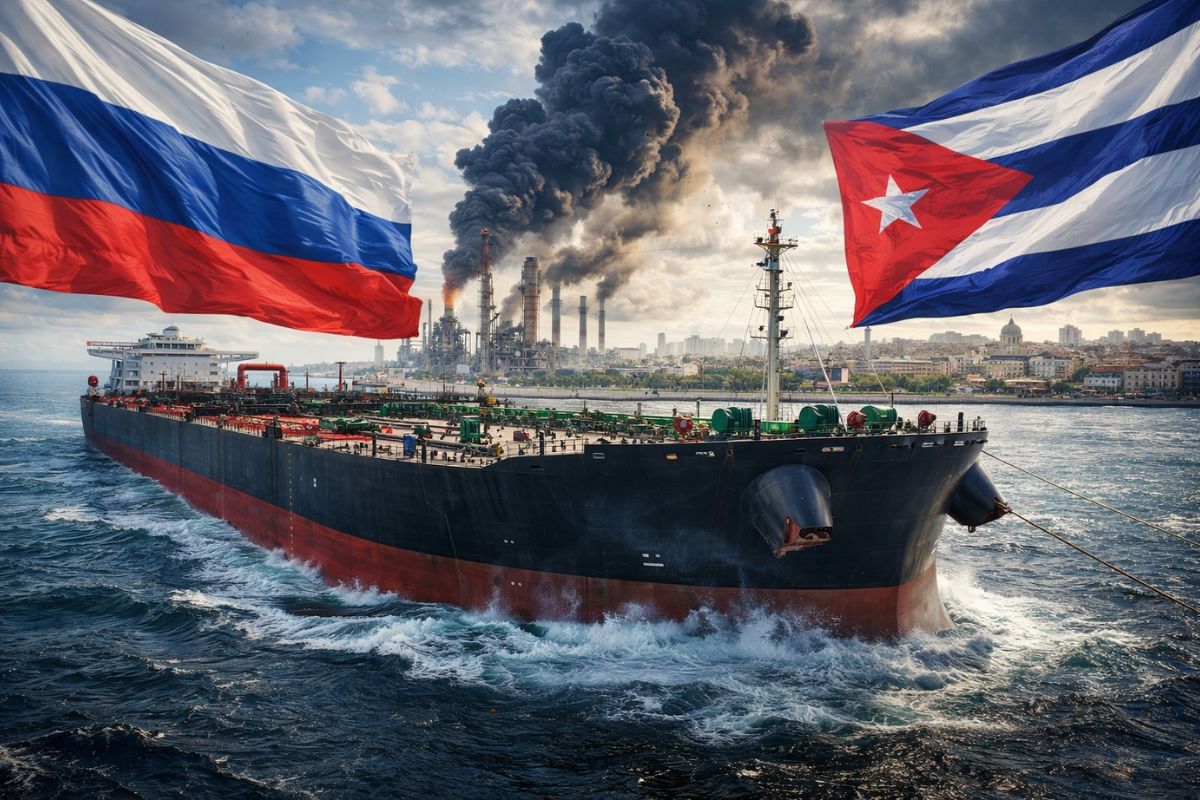
Russia has broken the U.S. maritime blockade to send oil to Cuba and is now loading a second ship while Trump says that “Cuba is next” in a possible military action against the island.
-
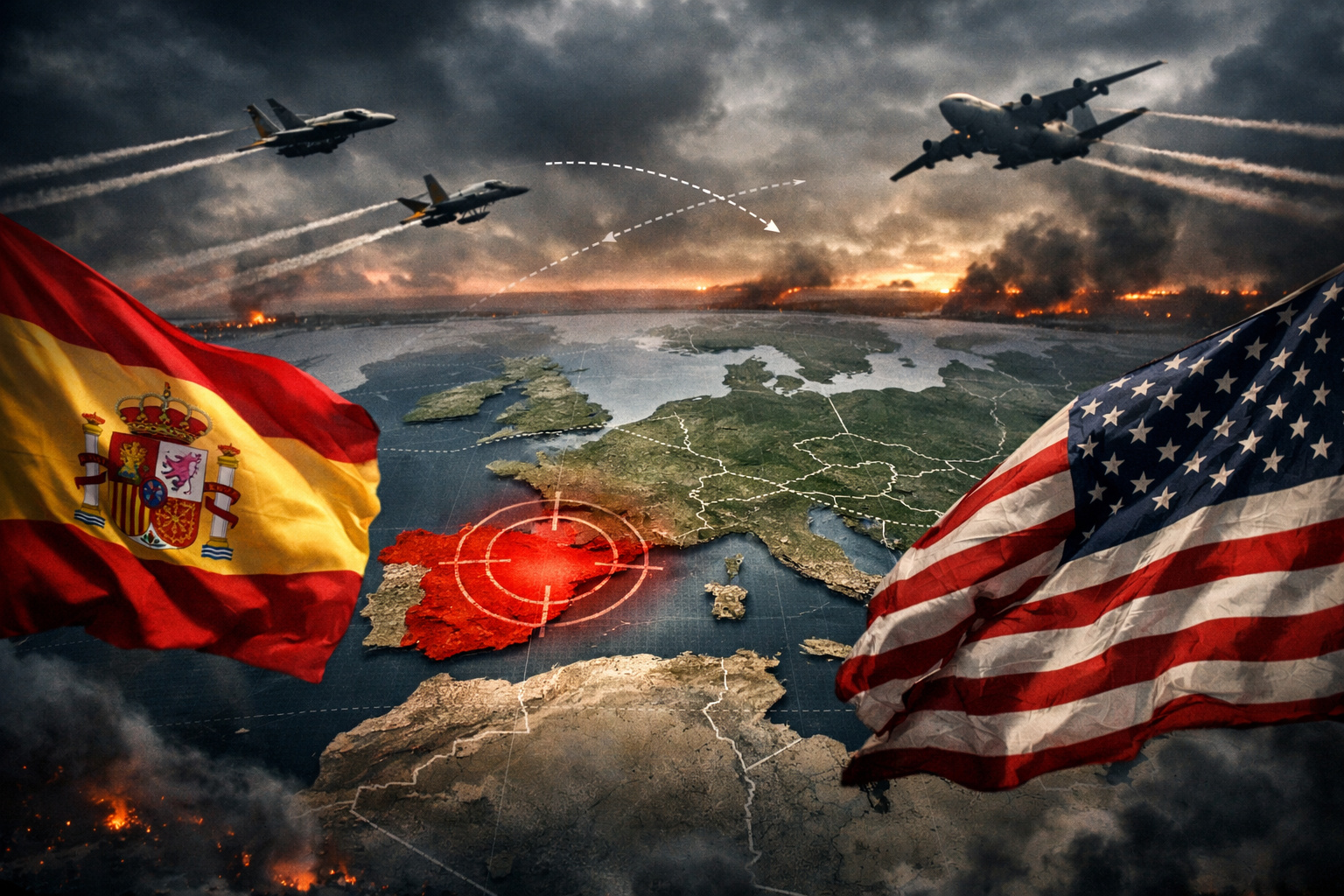
Spain challenges the USA and closes its airspace for operations against Iran, raising global tension and provoking the threat of a trade rupture.
-
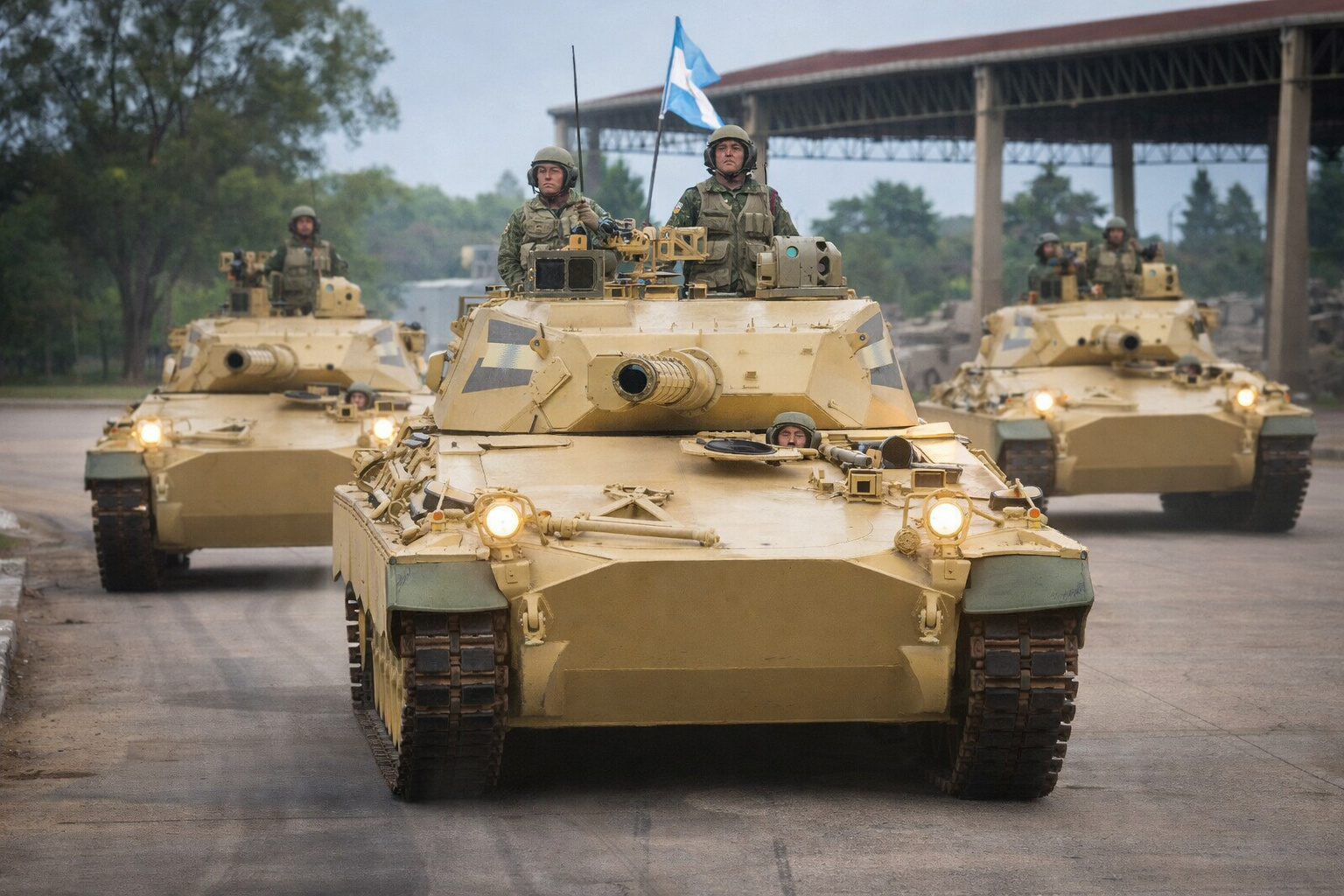
While no other country manufactures tanks in Latin America, Argentina activates the TAM 2C-A2 and raises a curiosity about the technological lag in the region.

The situation has become even more critical following the events of December 2025, when a military operation led to the detention of Nicolás Maduro in Caracas. Since then, the flow of Venezuelan oil — the backbone of the country’s economy — has been under strict control.
Market analysts point out that Venezuelan exports have plummeted. Data from consulting firm Kpler indicates that shipments dropped to about 400,000 barrels per day in January 2026, a nearly 50% reduction. Currently, only authorized operations, such as those associated with the giant Chevron destined directly for the United States, maintain some normality, while any other attempt at export is treated as a blockade violation.

Logistics of a Transcontinental Hunt
The sophistication of the operation impresses military experts. The Department of Defense stated it had “tracked and hunted” the vessel using a combination of satellites, long-range drones, and naval intelligence. The Aquila II attempted to evade surveillance by leaving the Caribbean and circumventing the Cape of Good Hope toward the Indian Ocean, hoping to find Asian markets less aligned with American policies.
However, the reach of the U.S. Navy and Air Force proved global. Videos released on social media show elite troops in combat uniforms performing a fast-rope descent from helicopters while the ship was still sailing. “When the Department of Defense says quarantine, we mean business,” the government reiterated in an official statement, making it clear that geographic distance offers no protection against sanctions.

Implications for the Global Market and the Future of the Region
The detention of Aquila II sends a warning signal to logistics companies and countries still trying to circumvent the embargo. The message that the U.S. intercepts oil tankers anywhere in the world raises the cost of cargo insurance and the freight risk for vessels operating in conflict zones or under sanctions. With control over maritime routes and the rigorous enforcement of tracking technology, the blockade on Venezuelan oil supply seems far from over, redrawing the energy map in the Western Hemisphere.









Seja o primeiro a reagir!