





 Portuguese
  English
  Spanish
  3 min of reading
  0 comments



Global Projections Indicate Accelerated Advances in Osteoporosis, With Direct Impacts on Public Health, Medical Costs, and the Quality of Life of the Elderly Population
A major alert has been reinforced by recent studies released in 2024.
The projections indicate that osteoporosis cases are expected to grow significantly by 2050, following the accelerated aging of the global population.
This scenario puts health systems on high alert, as the disease is directly associated with fractures, prolonged hospitalizations, and loss of autonomy.
Furthermore, the increase in life expectancy redefines the demographic profile and raises the incidence of chronic bone diseases.
Thus, osteoporosis is becoming a central topic in public health discussions in the coming decades.
Aging as a Driver of Disease Progression
The growth of the elderly population, observed since the 2000s, emerges as the main factor behind the expansion of osteoporosis.
As longevity increases, bone structure suffers a progressive loss of density, raising the risk of the disease.
This process primarily affects women after menopause, but it also reaches men at older ages.
Consequently, global projections indicate a significant increase in the number of diagnosed individuals by 2050.
This demographic movement explains why experts consider osteoporosis a structural challenge, not just a clinical one.
Growing Pressure on Health Systems
The advancement of osteoporosis has a direct impact on hospitals, clinics, and healthcare networks.
Fractures associated with fragile bones require complex treatments, surgeries, and long rehabilitation periods.
As a result, medical costs continuously rise, putting pressure on both public and private budgets.
According to analyses released in 2024, expenses related to fractures already represent a significant portion of hospital expenditures.
Without preventive measures, the trend is towards progressive overload until mid-century.
-
Chinese scientists have identified 122 viable asteroids for large-scale asteroid mining and outlined the Tiangong Kaiwu plan to explore space water ice and metals throughout the Solar System by 2100.

-
Does compulsive lying exist? What does science know about mythomania and why does it go beyond ‘lying too much’?

-
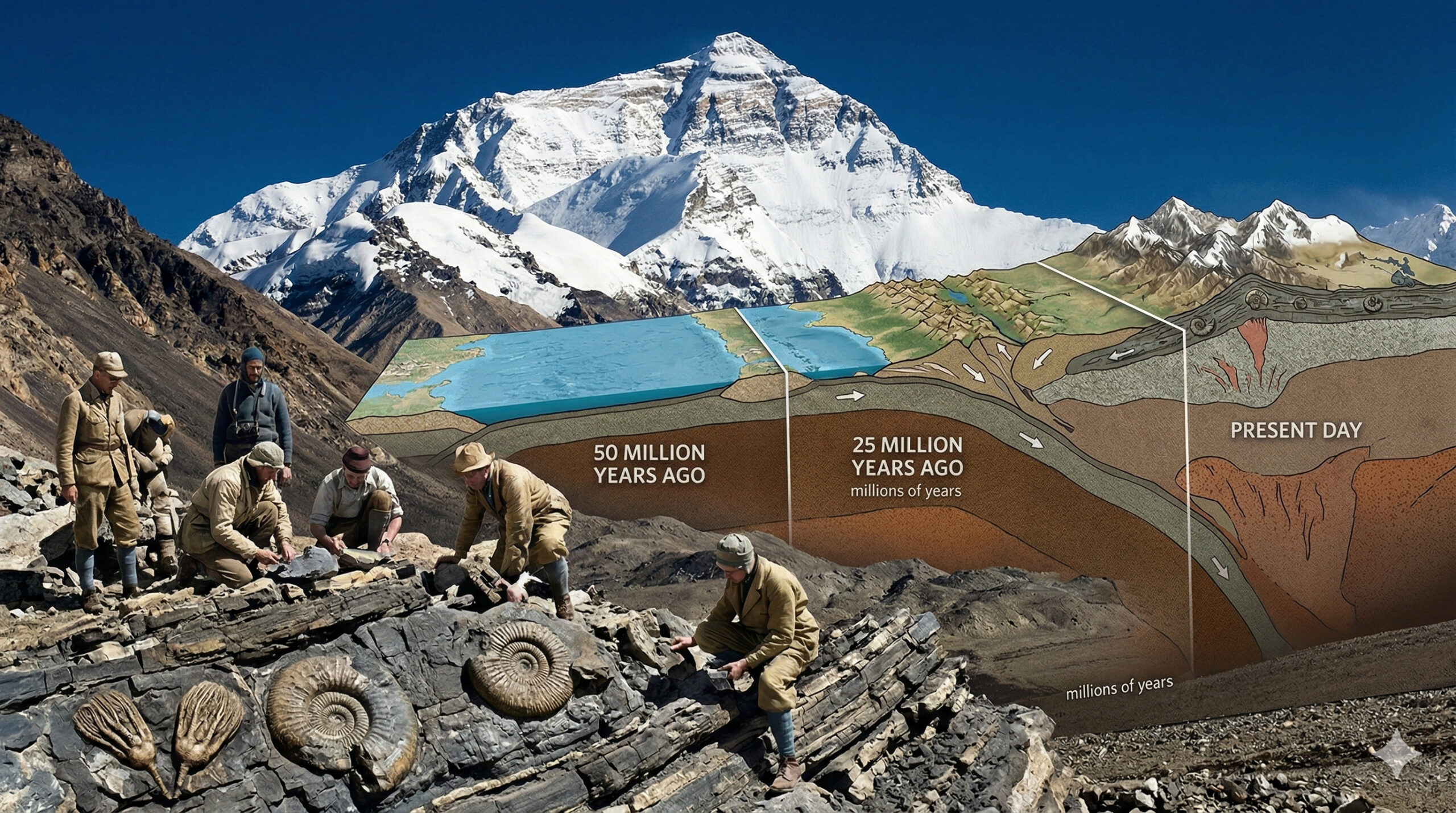
Marine fossils found at over 8,800 meters altitude on Everest and in large mountain ranges have proven that entire continents move, oceans disappear, and tectonic plates collide over millions of years, revolutionizing science in the 20th century.
-
What if the Sun disappeared suddenly? Simulation shows Earth in darkness within minutes, extreme cold, and rapid collapse of life on the planet.


Brazil Follows Global Growth Trend
In Brazil, the scenario mirrors the pattern observed in other countries.
Since the beginning of the century, the country has recorded a constant increase in the population over 60 years old.
This factor amplifies the number of individuals susceptible to osteoporosis, raising the incidence of the disease.
Additionally, many cases remain undiagnosed, meaning that fractures often serve as the first clinical sign.
Therefore, specialists point out that the impact of osteoporosis tends to intensify in the coming decades.
Delayed Diagnosis Worsens Consequences
The lack of early diagnosis worsens the effects of osteoporosis.
When identified only after fractures, the disease already significantly compromises bone structure.
This delay increases hospitalization risks, limits mobility, and affects quality of life.
Moreover, late treatment raises medical costs and hinders functional recovery.
In light of this, the topic is gaining traction in discussions about prevention in public health.
Prevention Gains Strategic Importance by 2050
Experts highlight that preventive strategies can reduce the future impact of osteoporosis.
Actions aimed at early diagnosis and clinical monitoring help prevent severe fractures.
This debate gained momentum in 2024, as new projections reinforced the urgency of the issue.
Thus, health policies aimed at healthy aging are increasingly seen as a priority.
The period leading up to 2050 will be crucial for mitigating the effects of this progression.
The Alert for the Coming Decades
The projections make it clear that osteoporosis does not represent a distant risk.
It is an ongoing phenomenon, driven by irreversible demographic changes.
According to analyses published by Superinteressante magazine, based on international studies and population data, the rise of the disease requires immediate planning.
Without prevention and organization of healthcare systems, the impact is likely to be profound.
In light of this scenario, will Brazil be able to structure effective responses to face the advancement of osteoporosis in the coming decades?







-

Uma pessoa reagiu a isso.