





 Portuguese
  English
  Spanish
  5 min of reading
  2 comments


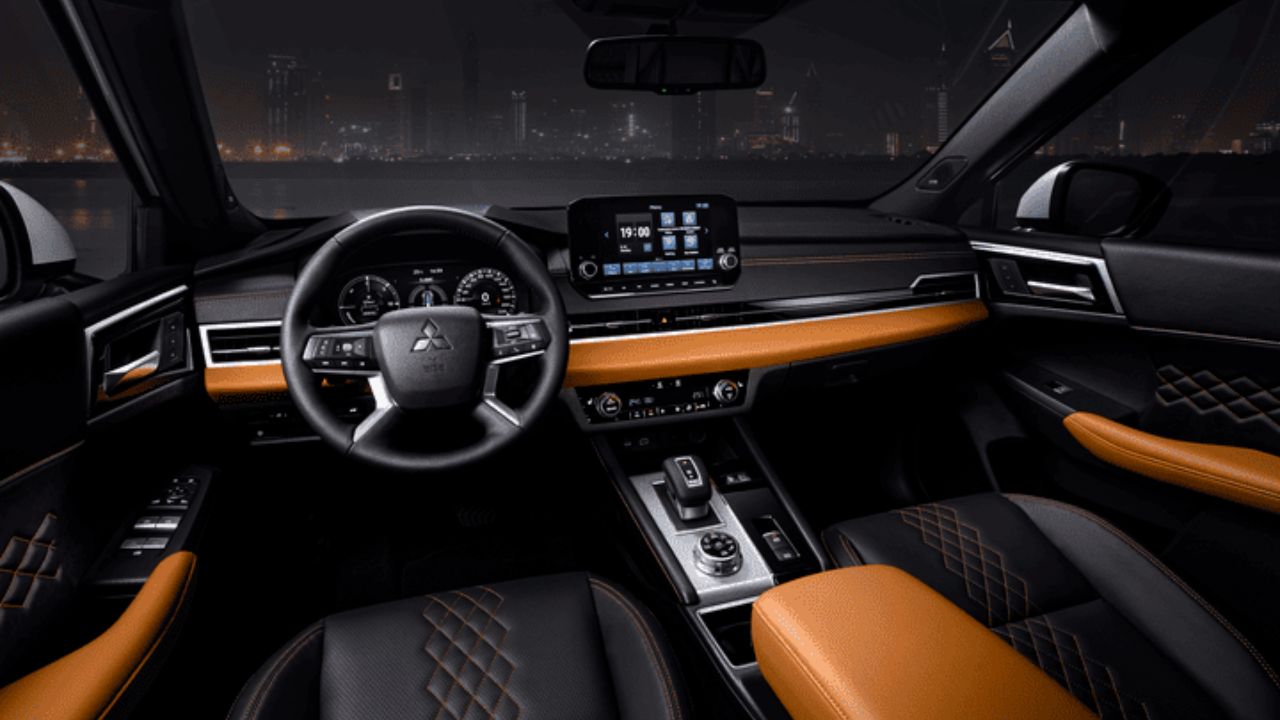


Fourth Generation SUV Arrives at R$ 394,990 in the Top-of-the-Line Version, Promising 66 km of Electric Range and Urban Consumption of Up to 27 km/l, According to the Auto Ignição Channel.
Mitsubishi has officially announced the return of one of its most anticipated models to the national market. The Outlander Plug-in Hybrid EV 2026 arrives in Brazil in its fourth generation, marking a new era for the brand’s seven-seater SUV. Imported from Japan, the vehicle comes with the promise of combining space for the whole family, cutting-edge technology, and impressive energy efficiency, setting a new benchmark for competition in the plug-in hybrid segment.
Having had a hiatus of almost a decade since the last hybrid version (Generation 3) sold here, the new model has been completely redesigned on the platform of the Renault-Nissan-Mitsubishi alliance. According to a detailed evaluation by the Auto Ignição channel, the SUV is available in two versions, with the top-of-the-line Signature priced at R$ 394,990. The highlight is its powertrain that delivers 252 hp of combined power and a purely electric range of 66 km.
The Hybrid Heart: 252 hp Power and Electric All-Wheel Drive
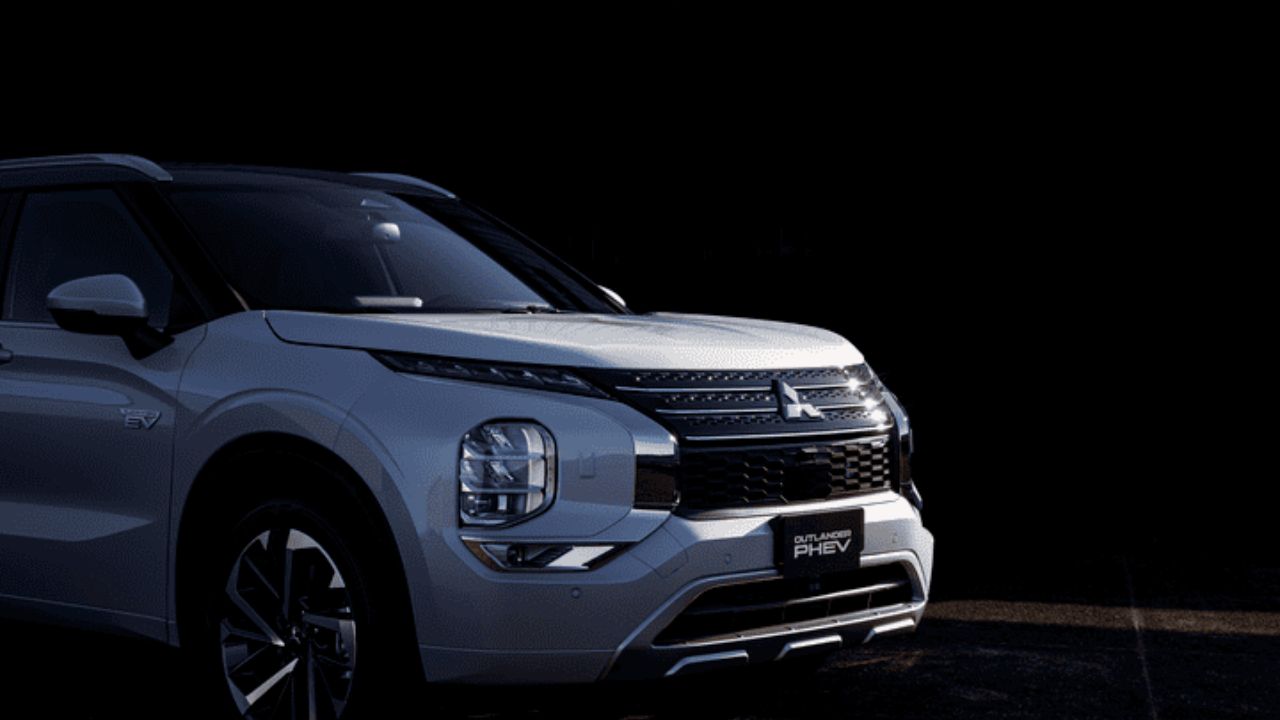
The main advantage of the Outlander Plug-in Hybrid EV 2026 lies in its complex engineering, which combines three engines. The system consists of a 2.4-liter naturally aspirated gasoline engine with 137 hp and 20.9 kgf·m of torque, a front electric motor with 116 hp and 26 kgf·m, and a second electric motor located at the rear axle, delivering 135 hp and 19.9 kgf·m. The combined power totals an impressive 252 hp and 45.9 kgf·m of torque.
-
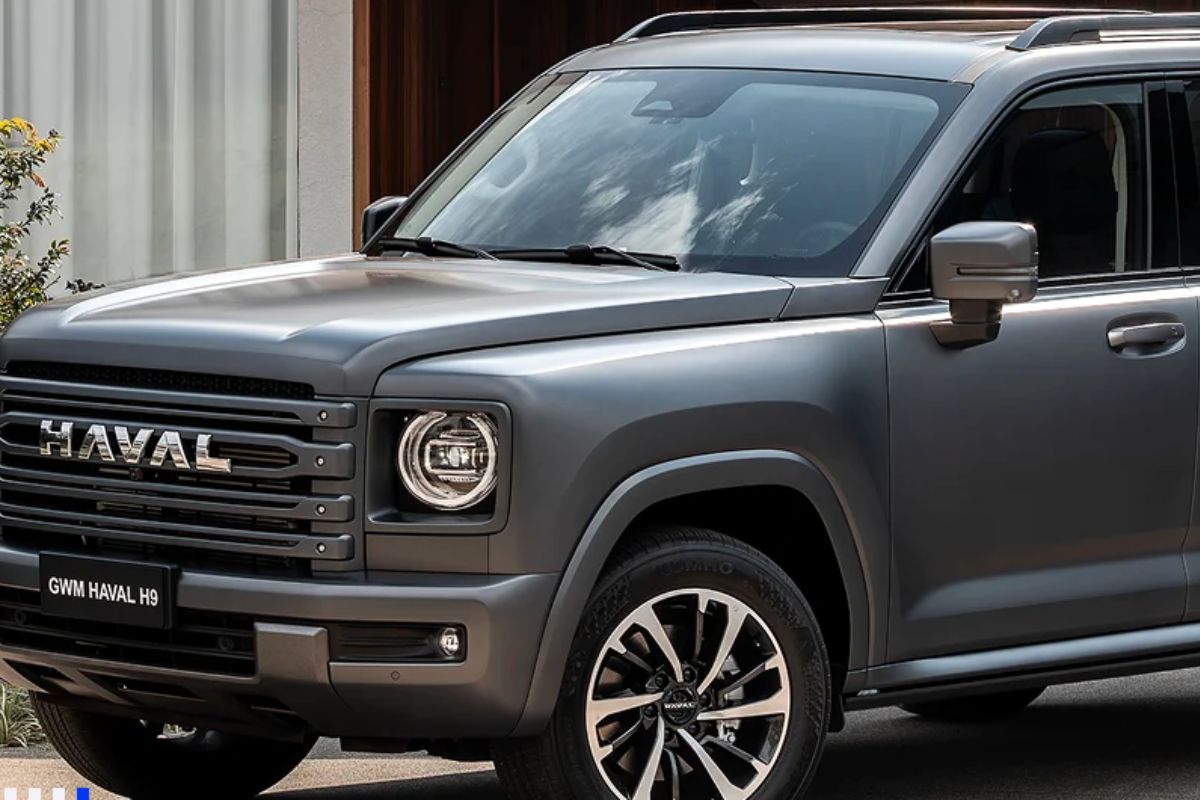
With a price almost R$ 100 thousand lower, the Haval H9 surpasses the SW4 for the first time in March, but Toyota still leads in the accumulated total for 2026; the Chinese SUV bets on technology and premium finishing to compete at the top.
-
6 used cars that cost less than a new Honda CG 160 Titan and still provide trunk space, four seats, and comfort that many new motorcycles cannot offer.
-
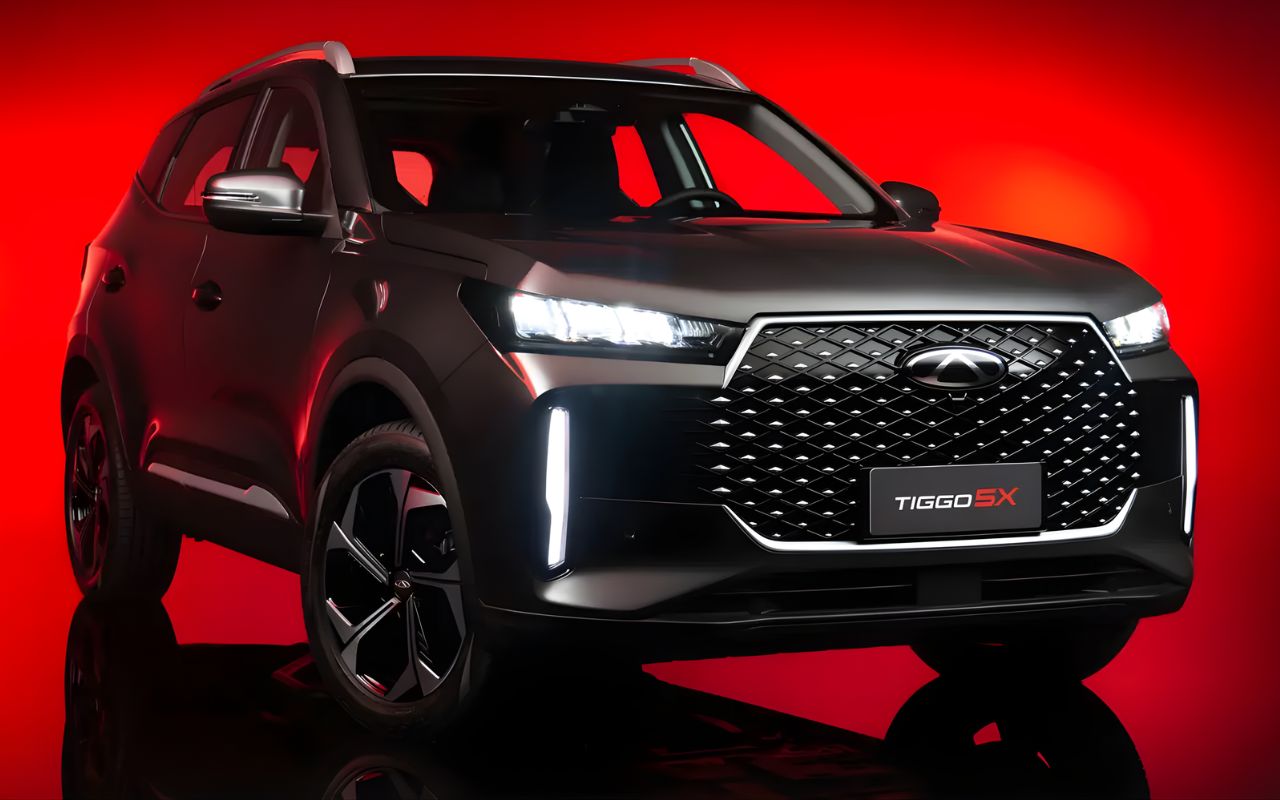
Caoa Chery Tiggo 5X skyrockets in sales in Brazil: a 2,318% increase and waiting lists of up to 4 months to acquire the model.
-
Goodbye falls: Singaporean company Omoway begins production of a motorcycle that doesn’t fall and surprises the market by offering automatic balance technology that reduces accidents and transforms the urban riding experience.

Unlike traditional 4×4 systems, the new Outlander does not use a physical driveshaft to connect the axles. The all-wheel drive (S-AWC – Super-All Wheel Control) is electronically managed, with the rear electric motor operating independently to provide on-demand or full-time traction, depending on the selected driving mode. As confirmed by the Auto Ignição channel, the vehicle offers seven driving modes (including Eco, Power, Tarmac, Gravel, Snow, and Mud) to adapt power delivery, although its natural habitat remains asphalt.
This configuration ensures instantaneous responses, atypical for an SUV of its size. In tests conducted by the Auto Ignição channel, the vehicle weighing over 2,100 kg surprised: it clocked 0 to 100 km/h in 7.04 seconds. The braking system also proved extremely efficient, requiring only 3 seconds to come to a complete stop from 100 km/h, an excellent figure reflecting the efficiency of the regenerative system and traditional brakes.
Consumption, Range, and the Charging Controversy
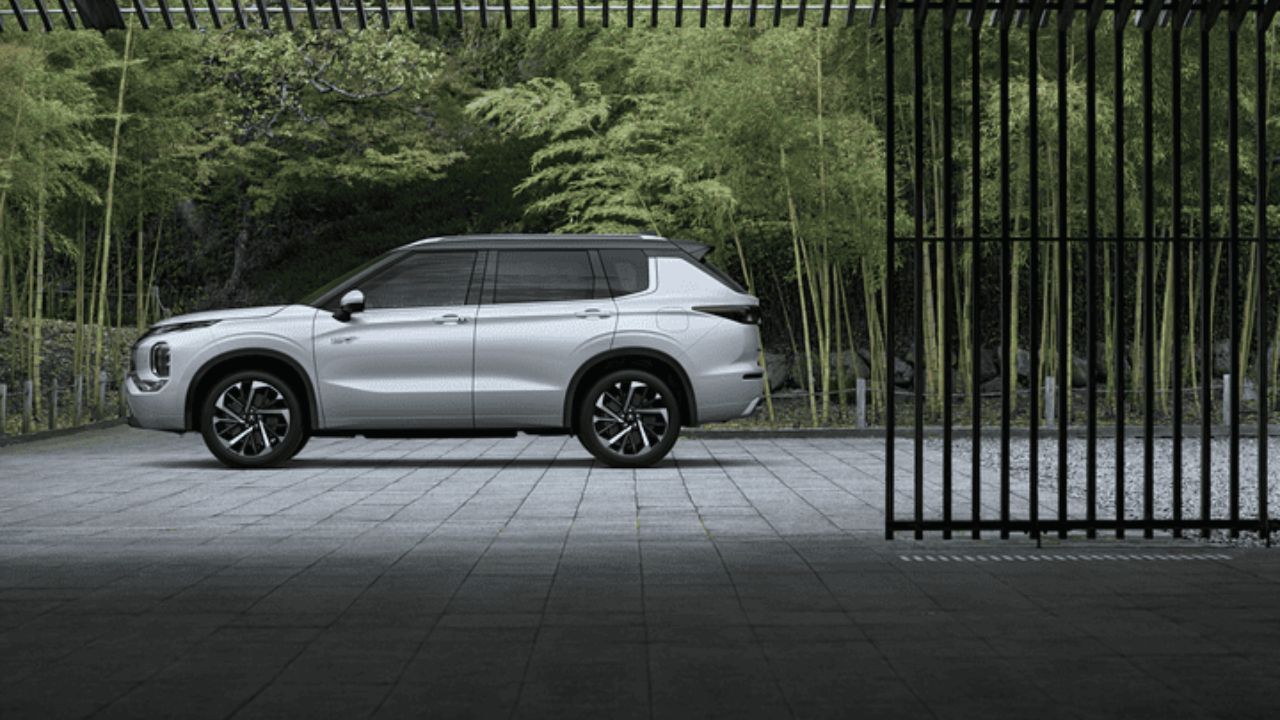
The plug-in hybrid (PHEV) system is powered by a 20 kWh lithium-ion battery. This package ensures that the Outlander has a purely electric range of 66 km, according to official data. In practice, as highlighted in the evaluation by the Auto Ignição channel, this allows a user with a short daily commute (such as 12 km per day, for example) to drive for almost five business days without using a drop of gasoline, utilizing the SUV as a 100% electric vehicle in everyday situations.
When the hybrid mode kicks in, the fuel consumption figures approved by Inmetro are one of the main selling points. The SUV can reach up to 27 km/l in urban cycles, where the electric system benefits from constant braking and acceleration, maximizing energy regeneration. On the road, where the combustion engine is more present, the declared average remains between 10 and 11 km/l.
However, the model brings a crucial point of attention for the Brazilian reality: it does not have a fast charging (DC) port. The Outlander 2026 only accepts slow charging (AC), residential type (Type 2 standard), with a power of about 3.5 kWh. This means that, according to the Auto Ignição channel, the time for a full battery recharge (0 to 100%) is around 5 and a half hours. This characteristic requires a planning from the driver who wishes to take advantage of the EV mode daily, discarding fast charges on trips.
Interior: Luxury, Seven Seats, and 11 Airbags
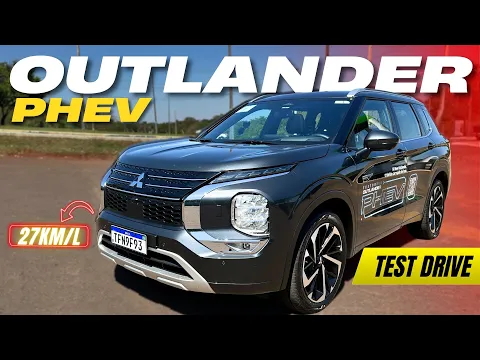

Inside, the Outlander Plug-in Hybrid EV 2026 seeks to justify the price of the Signature version (R$ 394.990). The finish uses high-quality materials, two-tone leather seats, and a robust technology package. Highlights include a color Head-Up Display (HUD) projected onto the windshield, a 100% digital instrument panel, and a premium sound system signed by Bose. Safety is treated as a pillar, with the presence of 11 airbags and a complete ADAS driver assistance package.
The SUV has grown in all dimensions, including the wheelbase (plus 3 cm), benefiting the second row space, which even has heated side seats. The big question, however, is the third row of seats. As verified in the analysis by the Auto Ignição channel, the last two seats are strictly recommended for children or for use on very short trips. For an average-height adult, the space for knees and head is practically nonexistent unless the second row is uncomfortably pushed forward.
Onboard comfort is enhanced by tri-zone climate control, a panoramic sunroof, and front seats with electric adjustment and a massage system (lumbar). The multimedia center is modern but has a curiosity: it offers wireless Apple CarPlay while Android Auto still requires a USB cable connection. The model also does not come with a spare tire, using a tire repair kit instead.
The Mitsubishi Outlander Plug-in Hybrid EV 2026 returns with strong credentials: it is powerful (252 hp), very fuel-efficient in the city (up to 27 km/l), and offers the versatility of 7 seats with a safety level of 11 airbags. However, the price of R$ 394.990 and the absence of a fast charger (DC) are points that Brazilian consumers will need to consider.
Now we want to know your opinion: Do you think that the fuel economy and the 66 km of electric range compensate for the lack of fast charging? Or, for nearly R$ 400 thousand, is this absence a decisive factor against the purchase? Leave your viewpoint in the comments.





Fiquei 15 dias andando com um desses nos EUA, mas não era híbrido, curti bastante o carro e o porta-malas coube melhor minha bagagem q na m8nha commander. A questão é q pagar quase 400mil nele é loucura. Podiam trazer a versão a combustão por um preço acessível, não sei se por conta da mijolina nossa mas tanto o consumo qt a resposta dele tb era bem melhor q a commander.
Ao meu ver…faz grande diferença, se pelo menos o veiculo viesse com carregamento rapido tbm.
Compensaria a autonomia baixa da parte eletrica.
Ponto de vista..