





 Portuguese
  English
  Spanish
  4 min of reading
  0 comments


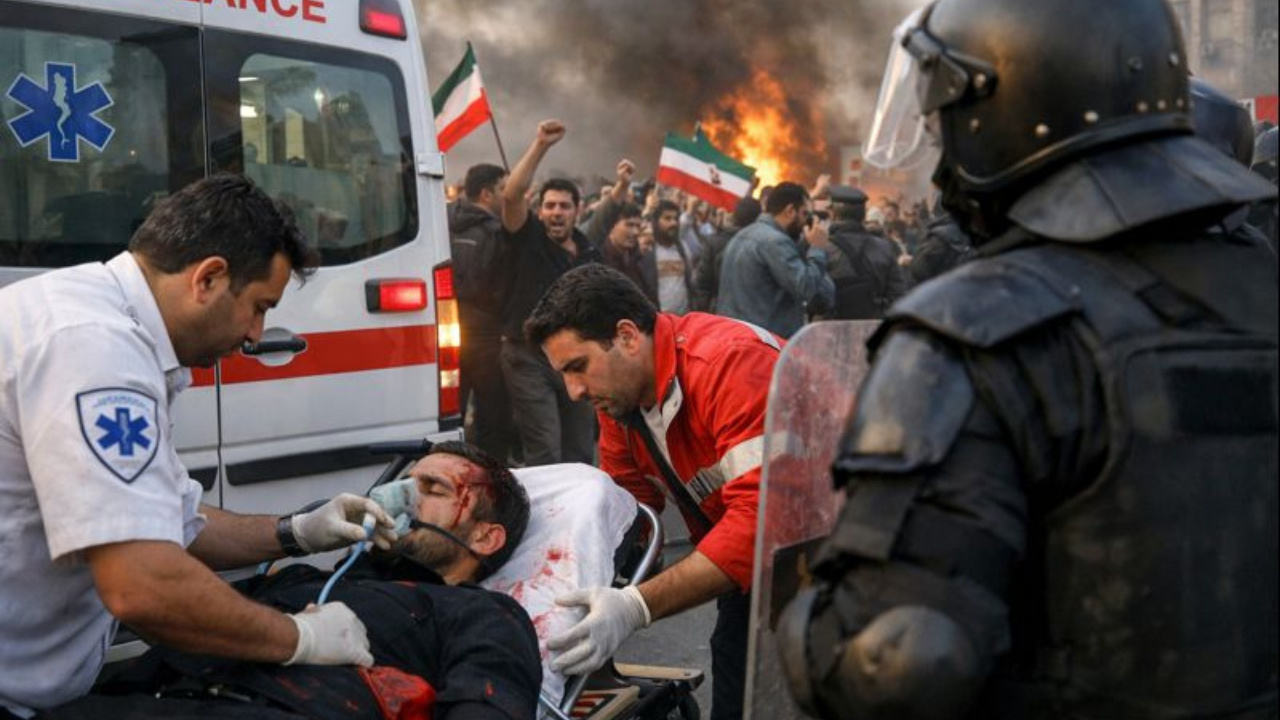
Iranian Political Crisis Advances With Protests In Iran, Violent Repression, Overburdened Hospitals, And International Reaction.
Protests in Iran have intensified in recent weeks, plunging the country into a severe Iranian political crisis, marked by clashes, state repression, and significant humanitarian impact.
Doctors report overburdened hospitals with casualties, while the government responds with stricter security measures and faces increasing international backlash.
The protests began on December 28, spread to dozens of cities, involved civilians and security forces, and have already left dozens dead, according to human rights organizations.
-
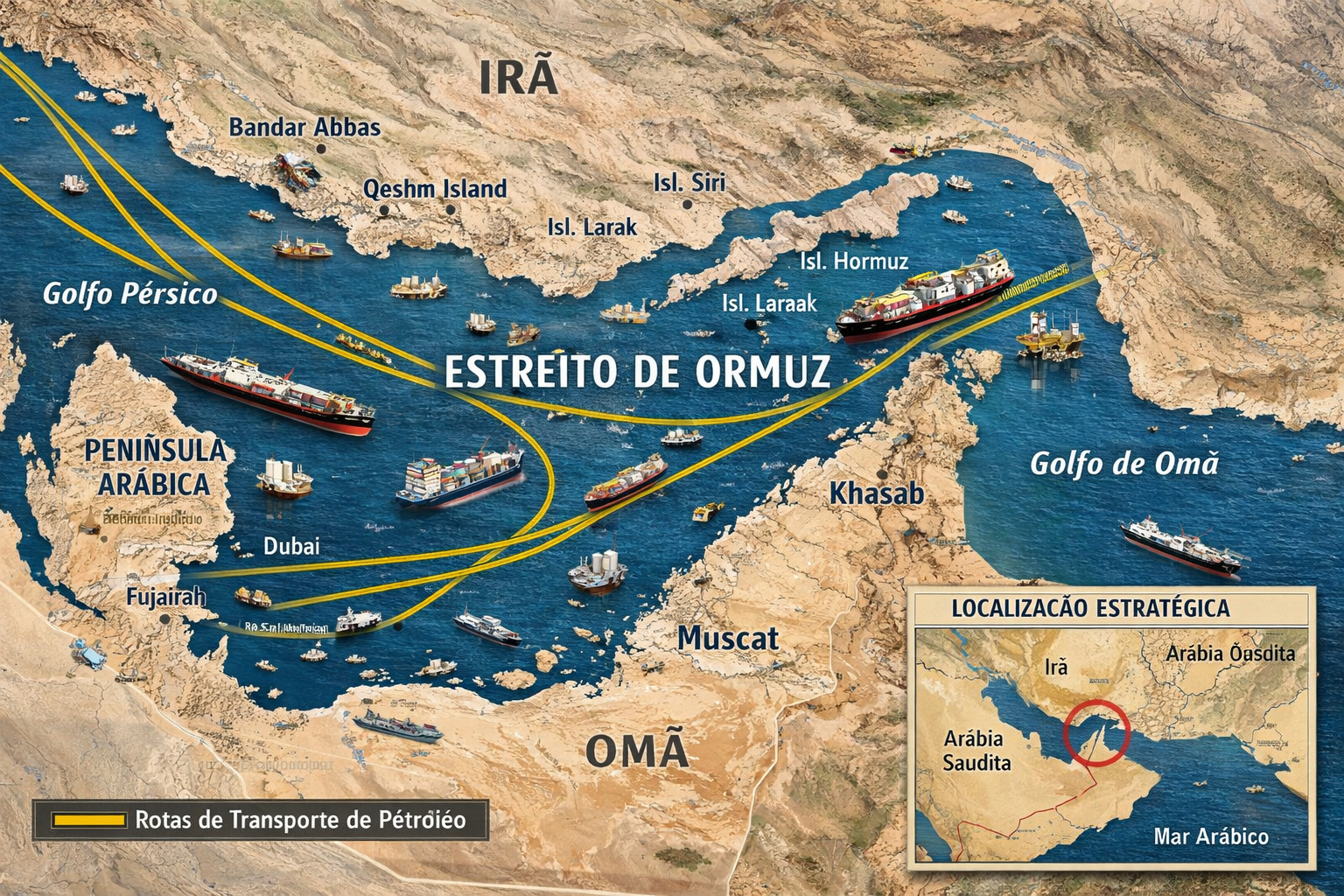
Global summit with over 40 countries pressures Iran for a blockade in the Strait of Hormuz and warns of direct impact on oil, food, and the global economy.
-
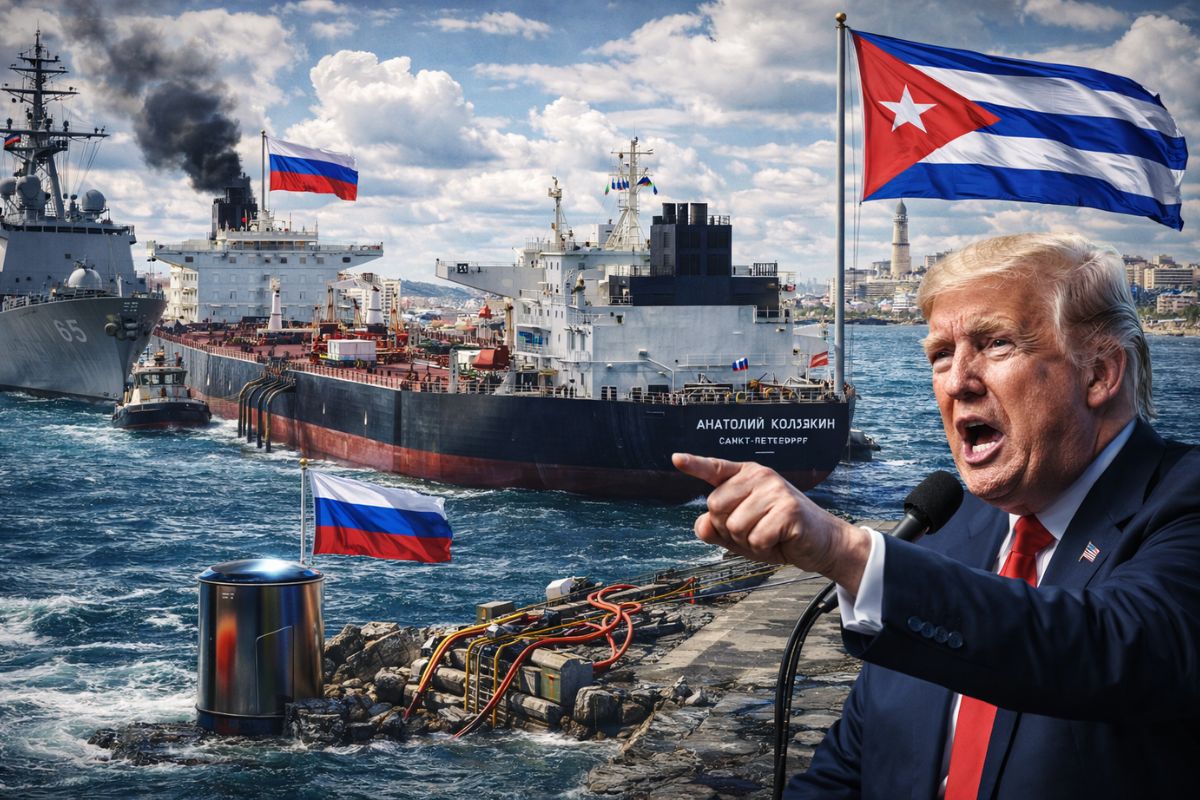
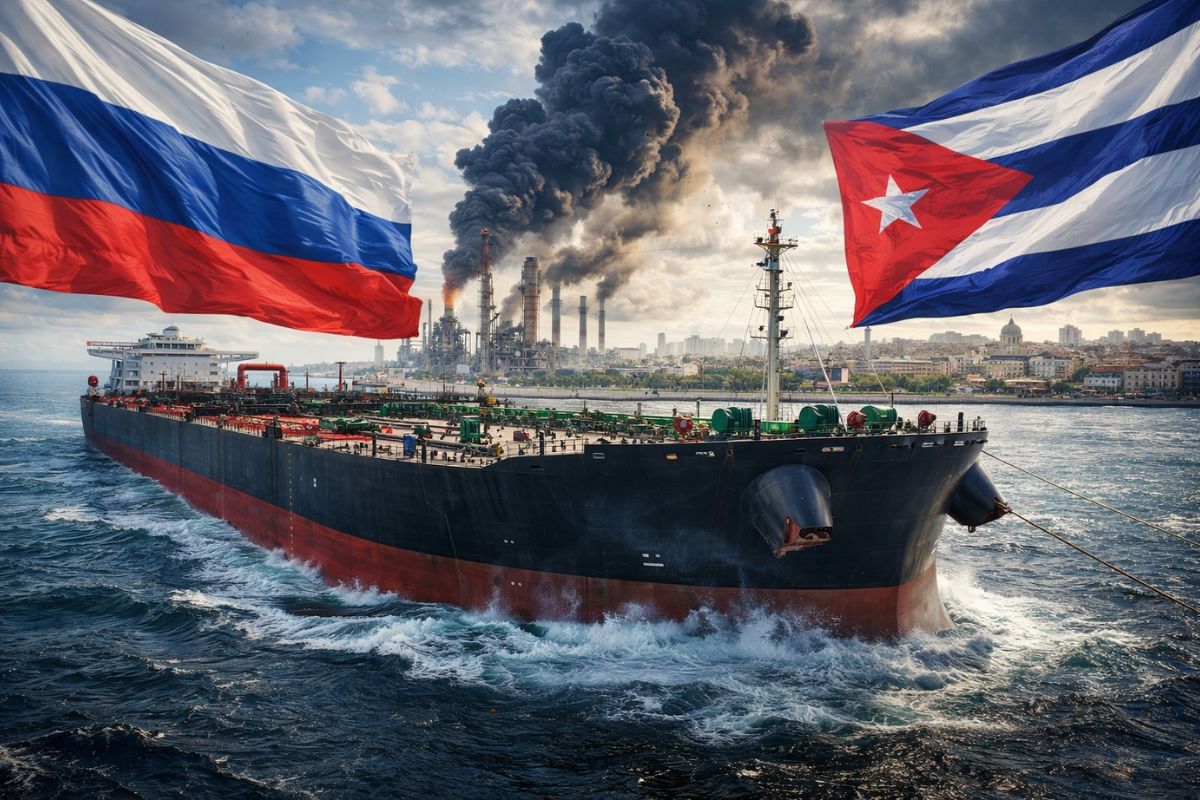
Russia has broken the U.S. maritime blockade to send oil to Cuba and is now loading a second ship while Trump says that “Cuba is next” in a possible military action against the island.
-
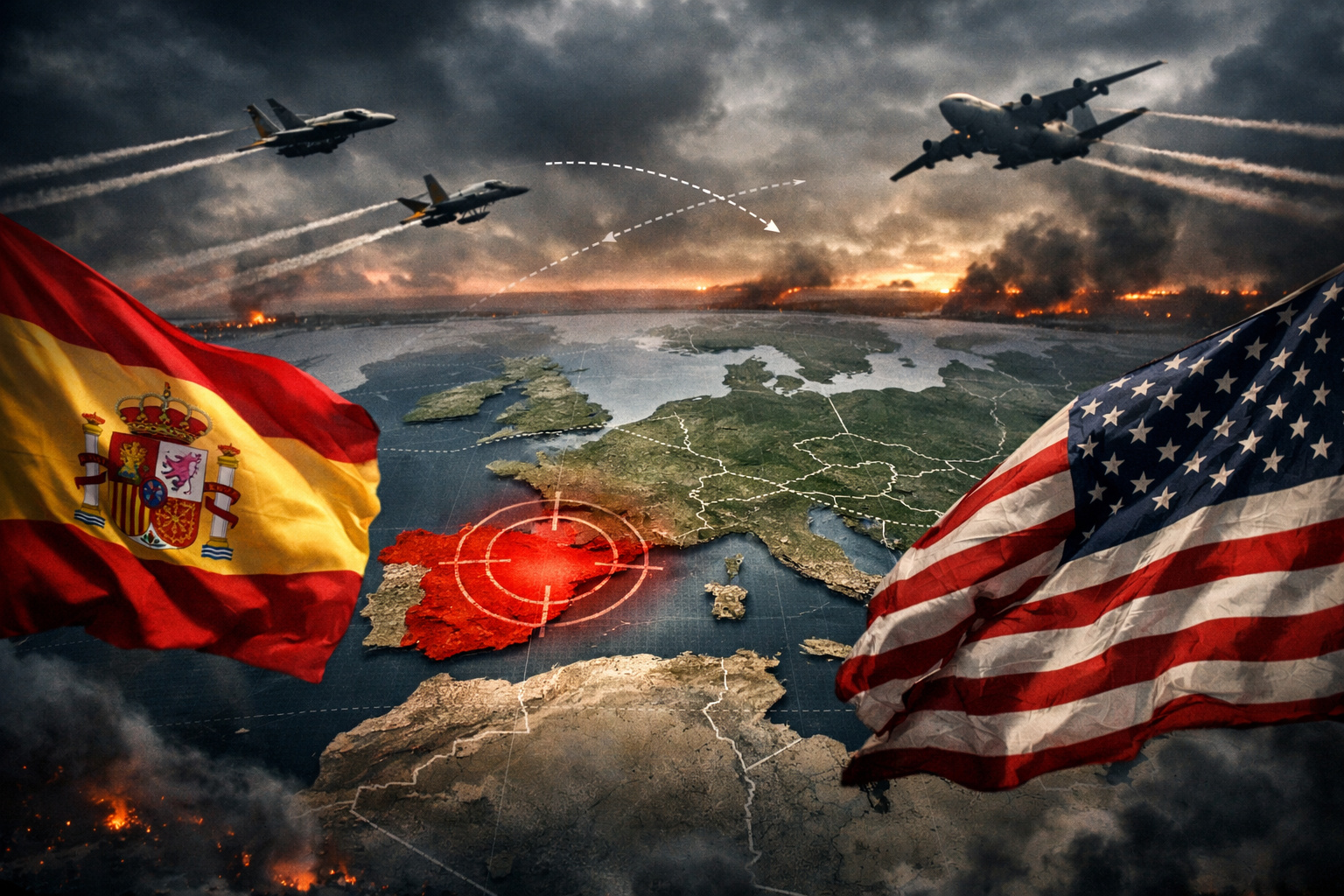
Spain challenges the USA and closes its airspace for operations against Iran, raising global tension and provoking the threat of a trade rupture.
-
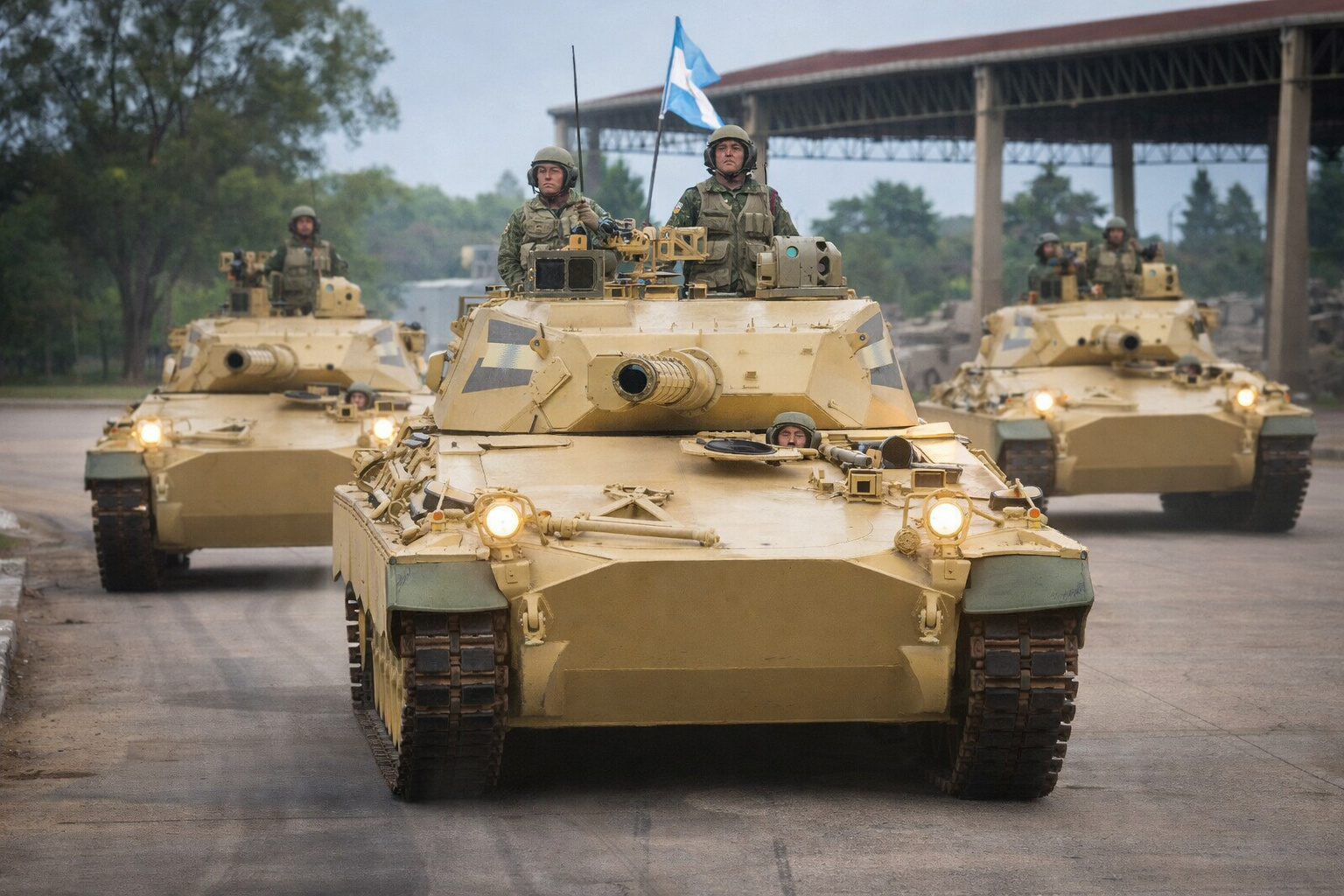
While no other country manufactures tanks in Latin America, Argentina activates the TAM 2C-A2 and raises a curiosity about the technological lag in the region.

Since then, repression in Iran has escalated, with mass arrests, an almost total internet shutdown, and restrictions on foreign press operations.
The situation complicates independent verification of information, but medical reports and official statements indicate a rapid worsening of the crisis.
Overburdened Hospitals Report Emergency Scenario
Amid the protests in Iran, healthcare professionals describe a hospital system on the brink of collapse.
An Iranian doctor told the BBC that the Farabi Hospital, the main ophthalmic center in Tehran, is experiencing a crisis situation, with emergency services overburdened.
“Non-urgent admissions and surgeries have been suspended, and all staff has been called in to handle only emergencies,” reported the professional, who managed to make contact through Starlink satellite internet.
According to him, many patients arrive with severe injuries to their eyes and heads.
In Shiraz, in the southwest of the country, another doctor confirmed a heavy flow of casualties. “There are not enough doctors to handle the large number of patients,” he said, adding that many have gunshot wounds.
These testimonies reinforce the picture of overburdened hospitals amid the escalation of violence.
Repression In Iran Increases Death Toll And Arrests
The repression in Iran has been pointed out by international entities as one of the main factors for the rising number of victims.
According to the Human Rights Activist News Agency (HRANA), at least 50 protesters and 15 security forces members have died since the onset of the protests, along with more than 2,300 people arrested.
Meanwhile, the organization Iran Human Rights (IHRNGO), based in Norway, states that at least 51 protesters have died, including nine children.
BBC Persian confirmed the identities of 22 victims after speaking with their families.
Meanwhile, Iranian authorities label the protesters as “armed vandals” and promise “decisive legal measures,” as stated by the Supreme National Security Council.
Iranian Political Crisis Triggers International Reaction
The Iranian political crisis has quickly crossed the country’s borders and provoked a strong international reaction.
UN spokesperson Stéphane Dujarric declared that the organization is “deeply disturbed” by the loss of life. “People everywhere in the world have the right to peacefully protest,” he stated.
European leaders have also expressed their positions.
French President Emmanuel Macron, British Prime Minister Keir Starmer, and German Chancellor Friedrich Merz released a joint statement urging Iran to protect its population and ensure freedom of expression and peaceful assembly.
Trump Statements Increase Diplomatic Tension
In the United States, President Donald Trump took a hardline stance. At the White House, he stated that Iran is in “big trouble” and warned: “You better not start shooting, because we will also start shooting.”
Trump also mentioned that his administration is closely monitoring the situation and suggested that protesters are “taking control of certain cities.” However, he emphasized that any American action would not involve troops on Iranian soil.
Secretary of State Marco Rubio reaffirmed support for the protesters by stating on social media: “The U.S. supports the brave people of Iran.”
Iranian Government Reacts And Supreme Leader Adopts Challenging Tone
In response, Supreme Leader Ali Khamenei delivered televised speeches with a challenging tone.
“The Islamic Republic came to power with the blood of hundreds of thousands of honorable people and will not back down,” he stated.
In another statement, he said that the country “will not hesitate to deal with destructive elements.”
The Iranian ambassador to the UN accused the U.S. of interfering in internal affairs, while the intelligence branch of the Revolutionary Guard promised to continue operations until the “complete defeat of the enemy’s plan.”
A Distinct Scenario From Previous Protests
Analysts assess that the current protests in Iran differ from past movements. The
former British ambassador Simon Gass stated that there is broader popular involvement, driven by deep economic hardships.
Still, he highlighted the absence of an organized opposition capable of presenting a clear alternative to the regime.
In this context, the combination of repression in Iran, overburdened hospitals, and increasing international reaction keeps the country in the global spotlight, while the Iranian political crisis continues without signs of an immediate solution.







-

Uma pessoa reagiu a isso.