





 Portuguese
  English
  Spanish
  4 min of reading
  0 comments


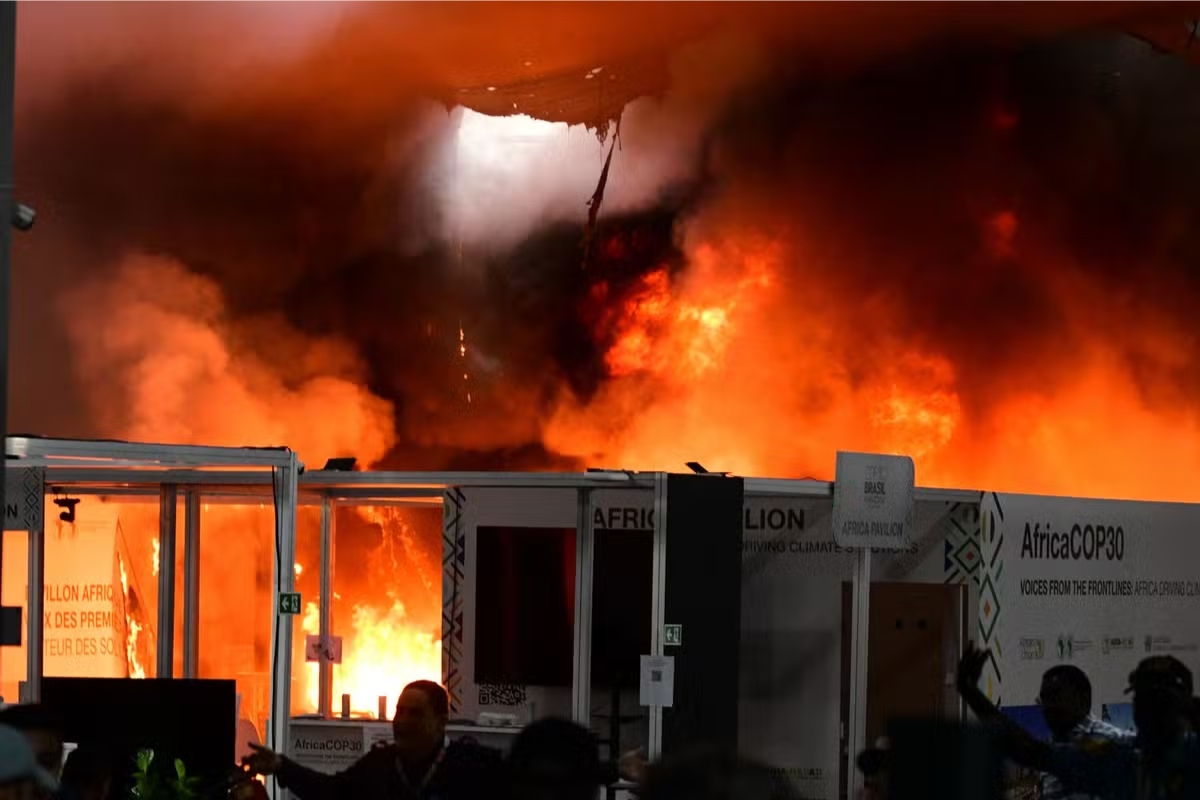
A Fire Hit the Blue Zone of COP30, Causing Immediate Evacuation, 13 Treated for Smoke Inhalation, and Suspension of Negotiations. The Incident Generated Worldwide Repercussions and Exposed Structural Failures
COP30 entered history not only for climate discussions but for an incident that ironically set the environmental agenda on fire. A fire hit part of the Blue Zone, the most sensitive area of the conference — where heads of state, negotiators, and the international press circulated — forcing an immediate evacuation of the space.
The episode, although controlled in a few minutes, opened an uncomfortable debate about the structural preparedness of the event and Belém’s ability to host a conference of this magnitude in the heart of the Amazon.
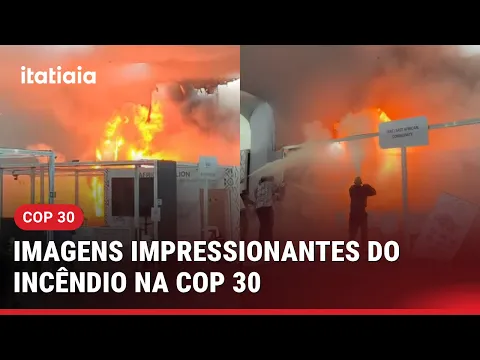

Fire Begins Suddenly and Interrupts Diplomatic Activities
The fire started around 2 PM on November 20, 2025, in an area of temporary pavilions set up exclusively for COP30. According to initial information, the fire reportedly originated near the China pavilion, quickly spreading to neighboring structures. Within seconds, smoke filled the area, and evacuation alarms were triggered.
-
The Brazilian colonial city that stopped in time and shares territory with a rocket launch base.
-
79-year-old woman challenges limits, visits 193 countries in the world after 56 years of planning and reveals the behind-the-scenes of a global journey that few have managed to accomplish.

-
These are the drivers who may stop paying tolls on highways in a project that promises to reduce costs for those who live from transportation in Brazil.
-
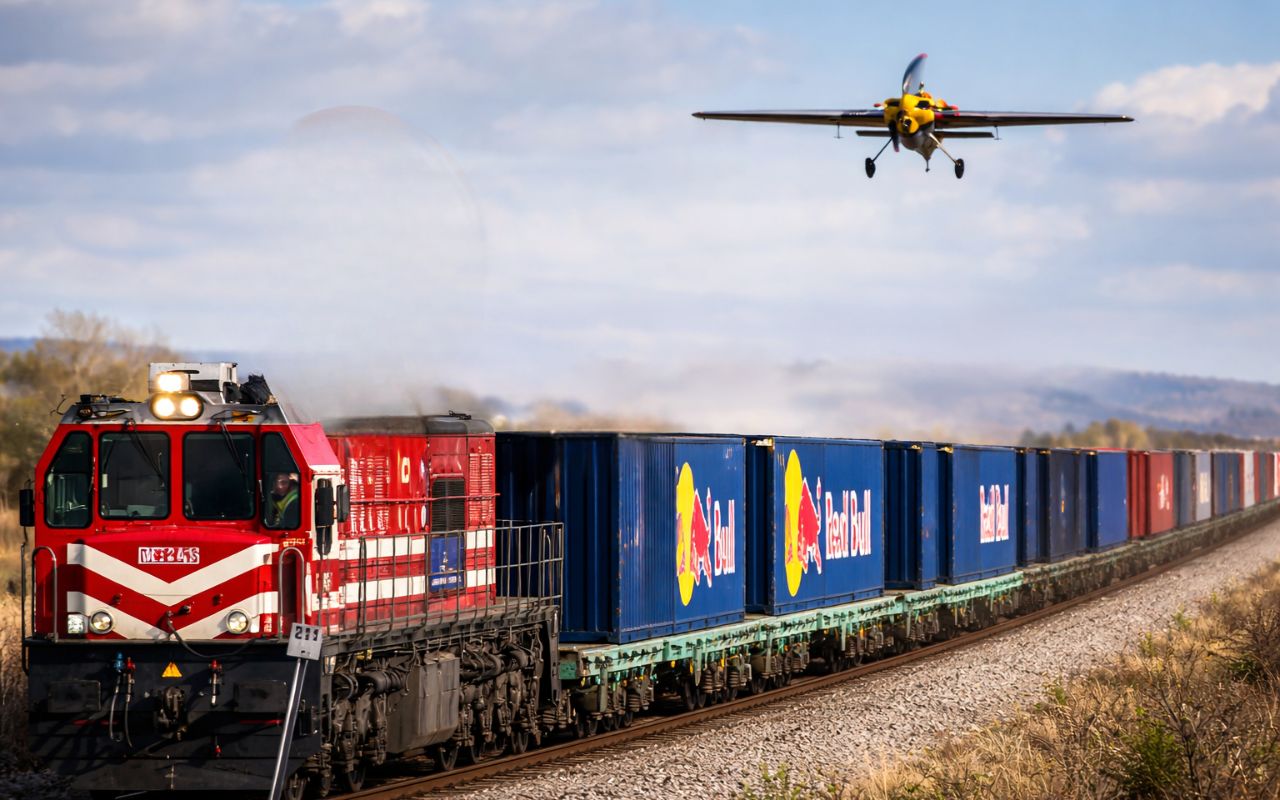
(Video): Italian pilot lands plane on moving train at 120 km/h and achieves unprecedented feat in aviation, even with a narrow runway and without direct visual contact.

Witness reports confirm that diplomats, journalists, and support teams rushed out, many leaving documents, equipment, and personal belongings behind. Agência Brasil reported that the fire was controlled in about six minutes, thanks to the actions of emergency teams already positioned at the site due to the event’s safety protocol.
Nevertheless, at least 13 people received medical assistance for smoke inhalation, according to the Associated Press. There were no reports of serious injuries, but the incident raised concerns among foreign delegations and served as a warning about the vulnerability of the temporary structures used at the conference.
Negotiations were immediately suspended, creating an unexpected hiatus on the penultimate day of the event — precisely when countries were trying to finalize binding commitments related to decarbonization targets and climate financing.

Temporary Structures and Electric Failure Among Causes Under Investigation
So far, Brazilian authorities have not officially confirmed the cause of the fire. However, initial investigations point to electrical failure, possibly related to overload in support equipment, lighting, or internal systems of the pavilions.
Reuters highlighted that the incident reignited criticism over the adoption of modular structures made of flammable materials to host such sensitive negotiation areas. Security experts consulted by international press assert that, while common in large events, these structures require continuous maintenance and strict monitoring — especially in regions with high humidity and elevated temperatures like Belém.
The global reaction was immediate. European and North American newspapers published photos of the evacuation moment, associating the episode with logistical planning failures. This exposure creates political discomfort, as Brazil has been presenting COP30 as a landmark of environmental leadership in the Amazon.

Political and Symbolic Impact for Brazil and Climate Negotiations
The fire did not cause significant material damage but produced a significant symbolic impact. The COP, whose central aim is to discuss solutions for a heated and vulnerable planet, saw part of its program interrupted by an unexpected event associated precisely with structural failures — a sensitive topic in the climate adaptation debate.
Delegations from the European Union and the United States expressed concern about safety but highlighted the rapid response of local firefighters. Representatives of the Brazilian government stated that all operations followed international protocols and assured that the conference would not be harmed.
Even so, experts believe that the episode may complicate Brazil’s narrative as a flawless host of one of the world’s largest diplomatic events. COP30 is among the largest editions ever held, and Belém spent months in reforms, mobility projects, energy reinforcement, and hotel expansion to accommodate over 70,000 participants.
Besides the international image, the fire affected the dynamics of negotiations. The interruption delayed the finalization of sensitive sections of the final text, especially topics related to climate financing for vulnerable countries and global adaptation targets related to warming.
On the other hand, the episode also highlighted the efficiency of the emergency response. The quick control prevented a larger tragedy and demonstrated that the containment protocols established for the event were well executed. Nevertheless, discussions about the reliability of COP structures are expected to continue in the coming days, especially in the assessment reports that the UN typically prepares after each conference.






-

-

2 pessoas reagiram a isso.