





 Portuguese
  English
  Spanish
  3 min of reading
  0 comments


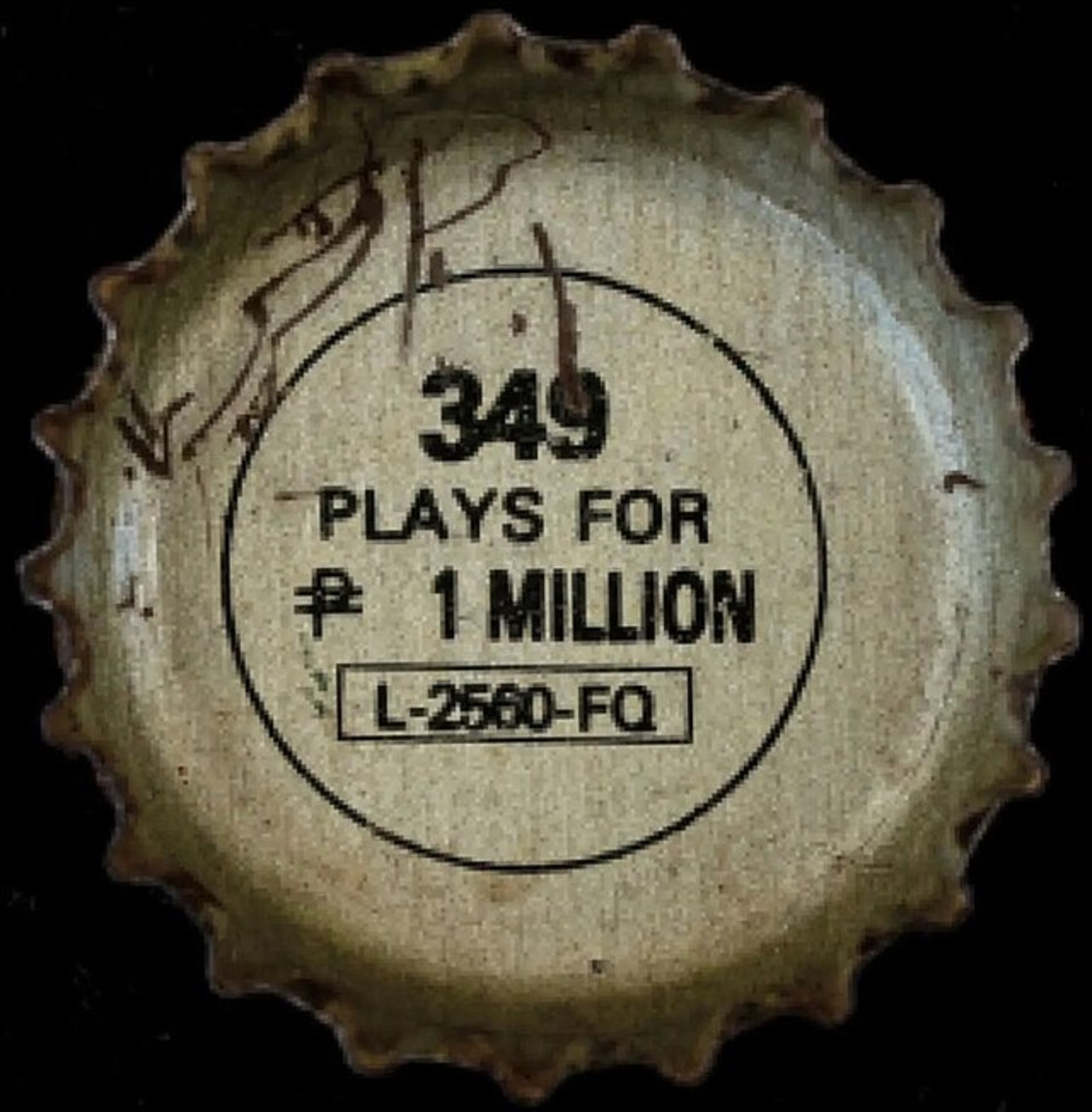
Printing Error In Pepsi Promotion In The Philippines Distributed Hundreds Of Thousands Of Winning Bottle Caps And Ended In Tragedy With 32 Deaths
In 1992, Pepsi launched a marketing campaign in the Philippines that had everything to be successful. The goal was simple: increase sales with the promise of turning consumers into millionaires. What seemed like a masterstroke ended up marked by deaths, outrage, and legal battles.
How The Promotion Worked
The project was named Number Fever. Bottle caps from Pepsi, 7-Up, Mountain Dew, and Mirinda came with printed numbers.
Every day, a drawing revealed the number of the day. Those who had the winning combination received cash prizes.
-
Chinese researchers have created bamboo drones that fly with the same precision as conventional models and have released the flight control software for free to the entire world in a technology that could revolutionize sustainable aviation.
-
Russia reveals that it is already conducting 95% of all its business with China without using a single dollar; dedollarization has ceased to be a promise and has become a reality in record time, and the West watches helplessly.

-
While Brazilians work more than 44 hours a week, Norwegians leave the office at 3 PM and are now testing a four-day workweek with full pay and no loss of productivity.

-
A legend of Brazilian TV is 75 years old, returned to narrate the World Cup for SBT, and still finds time to manage a farm of over 100 hectares in Rio Grande do Sul where she produces award-winning wines, olive oil, and raises cattle.


The grand prize was one million Philippine pesos. This amount would be equivalent, in current values, to about R$ 100 thousand.
The impact was immediate because consumers felt attracted by the chance to change their lives. Sales skyrocketed, and the brand gained enormous visibility.
The Error That Changed Everything
The problem arose on May 25, 1992. The number drawn that day was 349. However, due to a printing error, about 800 thousand bottle caps displayed the same number.
The regulations only allowed for two winners. Suddenly, crowds believed they had become rich.
Pepsi classified the occurrence as a technical failure. It refused to pay the promised prize and offered only 500 pesos to anyone who presented a cap with the number 349.
This was roughly equivalent to eight dollars at the time. The offer was considered insulting.
Violent Protests
The refusal sparked a wave of indignation. The cap holders felt deceived and began organizing protests.
Demonstrations quickly took to the streets. Pepsi trucks became targets for stones and Molotov cocktails.
In one of the most severe attacks, a grenade exploded in a company vehicle. A teacher and a five-year-old child lost their lives. In total, 32 people died in incidents related to the case.
Voices Of Indignation
In 1993, the newspaper Los Angeles Times recorded striking accounts. A widow claimed that her husband had died of heart failure during a demonstration.
She stated that she would continue fighting against Pepsi, even in the face of tragedy.
Her statement summed up the mood of the time: “Even if I die here, my ghost will come to fight against Pepsi.”
Wave Of Lawsuits Against Pepsi
The scale of the scandal was also reflected in the courts. More than 22 thousand people filed lawsuits, totaling 689 civil cases. Additionally, over 5,200 criminal complaints were registered against the company.
Despite the pressure, local courts ultimately ruled in favor of Pepsi. The company avoided paying the million-dollar prizes and also escaped more severe penalties.
Many Filipinos felt defeated twice: by the promotion and by Justice.
An Unforgettable Scandal
The episode entered the collective memory of the Philippines. To this day, the “scandal of 349” is remembered as one of the greatest marketing disasters in history.
The campaign that was supposed to reward consumers turned into a tragedy that left open wounds and forever tarnished the brand’s image in the country.
With information from Aventuras na História.







-

-

2 pessoas reagiram a isso.