





 Portuguese
  English
  Spanish
  5 min of reading
  0 comments


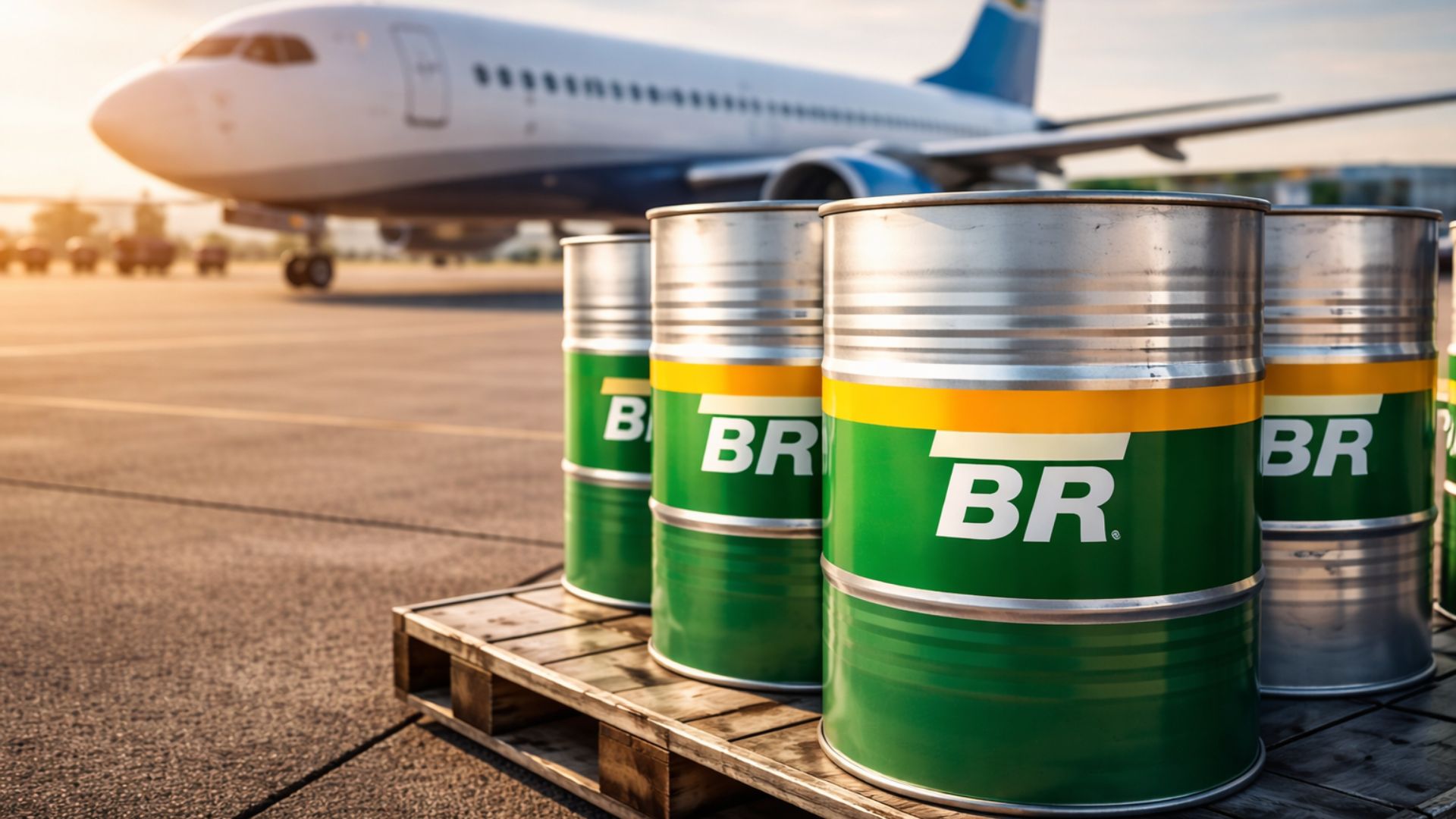
Petrobras Reduces The Price Of Fuel Used In Aviation Starting In 2026. Understand How The Cut In Aviation Kerosene (QAV) Affects Costs And The Air Market
On December 30, 2025, Petrobras announced a new cut in the price of fuel used by commercial aviation in Brazil. The state company reported an average reduction of 9.4% in the price of aviation kerosene (QAV) sold to distributors, a measure that takes effect from January 1, 2026.
According to a report published by Agência Eixos on Wednesday (31), and other outlets, the drop corresponds to R$ 0.34 per liter, according to official data released by the company. The announcement comes at a strategic moment for the airline sector, which continues to be pressured by high costs, exchange rate volatility, and the need to enhance competitiveness in both domestic and international markets.
Cut In The Price Of QAV From Petrobras Starts To Take Effect In January 2026
Although the adjustment does not represent an immediate reduction in airfares, it may alleviate some operational costs for companies, creating room for commercial adjustments throughout 2026.
-
3 times more ethanol per hectare can be produced with Eike Batista’s supercane amid rising gasoline prices — how can this technology change fuel prices in Brazil?
-
Former president of IBP highlights that dependence on diesel imports pressures prices in Brazil, increases vulnerability to global crises, and underscores the need for more robust and sustainable energy policies.

-
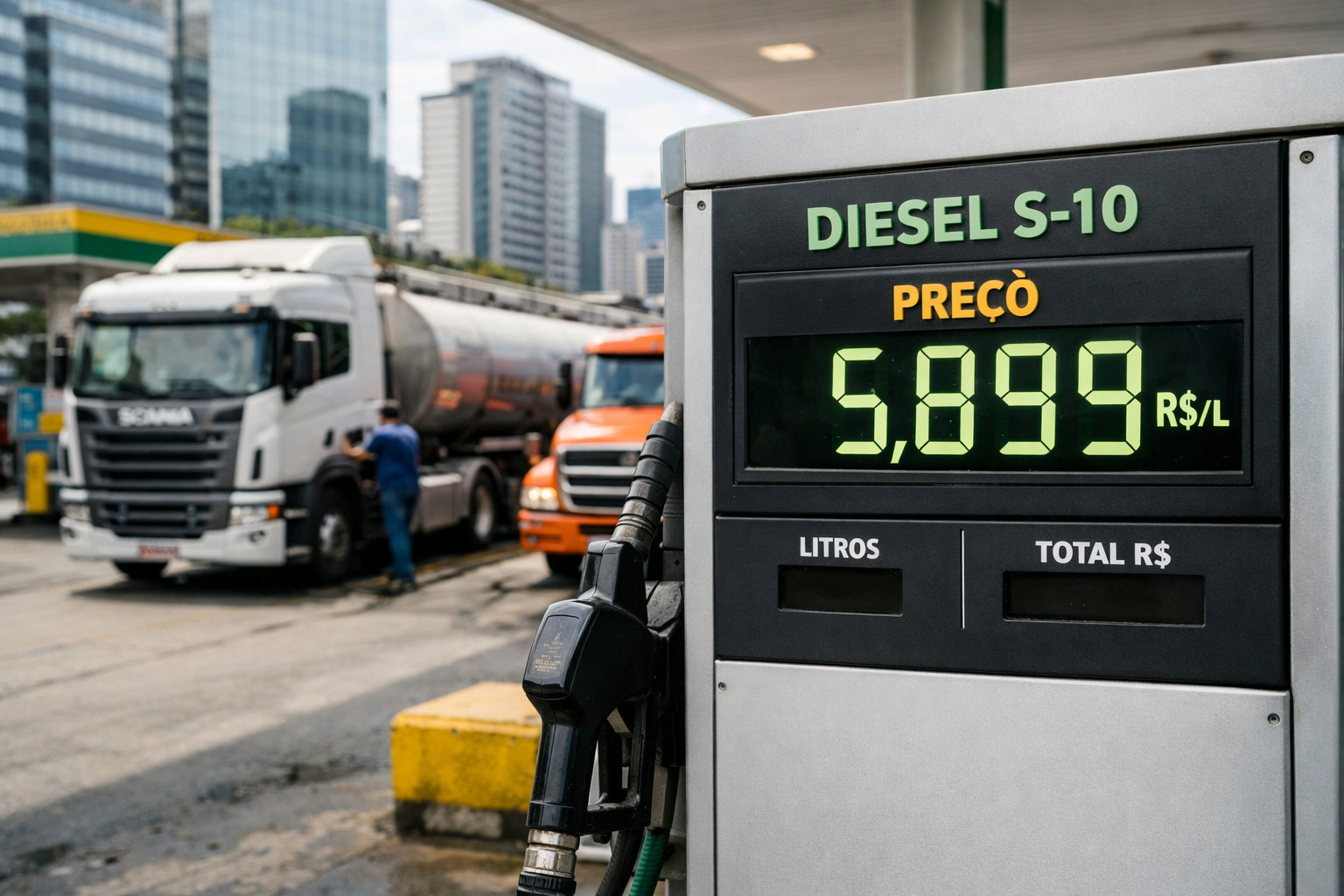
Middle East War Drives Up Oil Prices, And Petrobras Increases Diesel: Fuel Reaches R$ 3.65 Per Liter At Distributors
-
Oil Soars to Nearly $120, Middle East Tensions Shake Global Market, and a Little-Known Detail Returns to Energy Debate: The Gigantic Strategic Reserves Hidden by G7 Countries — See How Many Millions of Barrels Each Nation Holds in Reserve to Face a Global Crisis


The reduction announced by Petrobras directly affects aviation kerosene, the main energy input used by airlines. The QAV accounts for a significant portion of the operational expenses of the sector, especially on medium and long-haul flights.
With the 9.4% drop, the price of fuel sold to distributors becomes more competitive, reducing the pressure on logistics and supply costs at Brazilian airports. The state company emphasized that the new price will be in effect from the first day of 2026.
Still, the final impact on consumers depends on a complex chain, involving distributors, airport operators, taxes, and commercial contracts.
Petrobras Accumulates A Reduction Of More Than 35% In The Price Of QAV Fuel Since 2022
According to the state company, the cut announced in December 2025 adds to a series of reductions implemented in recent years. Since December 2022, Petrobras has already reduced the price of QAV by 35.2%, equivalent to R$ 1.79 per liter. When considering the cumulative inflation during the period, the real reduction reaches 43.1%, according to calculations released by the company itself.
This movement reflects a strategy of gradual adjustment of the fuel price to the international scenario and the conditions of the domestic market. This is one of the fuels that has accumulated the most real decrease during this period, underscoring the relevance of the announcement for the airline sector.
How Does Petrobras Market Aviation Kerosene In The Brazilian Market?
Petrobras does not sell aviation kerosene directly to airlines. The QAV produced at refineries or imported by the state company is sold exclusively to authorized distributors.
These companies are responsible for the transportation, storage, and sale of the product at airports, as well as the operation of refueling facilities and services provided to aircraft.
Therefore, the final price of the fuel paid by airlines depends not only on Petrobras but also on factors such as logistics, commercial margins, regional competition, and state tax burden.
Impacts Of The Reduction In The Price Of QAV Fuel From Petrobras For Airlines
The announcement is viewed positively by industry analysts, especially because QAV can represent a significant portion of the operational costs of airlines, depending on the route and fleet profile.
The reduction in fuel price improves financial predictability, allowing for more efficient planning of routes, frequencies, and commercial policies. In a market highly sensitive to costs, any variation in QAV has a direct impact on the profitability of operations.
However, experts warn that the pass-through to consumers is not automatic and depends on factors such as demand, competition among companies, and flight occupancy levels.
Petrobras Maintains Pricing Policy For Aviation Kerosene Aligned With The International Market
The state company emphasized that its pricing policy aims to reflect the conditions of the international market, considering production costs, importation, logistics, and exchange rate fluctuations.
Part of the aviation kerosene consumed in Brazil is imported, especially during periods of higher demand or in regions with lower local refining capacity. The alignment of QAV with global prices is considered essential to ensure supply and avoid regional distortions.
According to the company, the strategy also contributes to maintaining the competitiveness of the Brazilian market and reducing the risks of shortages. Even with the cut announced by Petrobras, the effective impact on airline costs depends on the distributors.
In some airports, the low competition among suppliers may limit the complete pass-through of the reduction. In addition, long-term contracts, local operational costs, and state taxes directly influence the final price of QAV. This explains why the fuel price can vary significantly between airports, even with a base price set by the state company.
Brazilian Air Market In 2026 And The Role Of Petrobras’ QAV In Operational Costs
The Brazilian air sector begins 2026 in a gradually recovering demand scenario, driven by tourism, the resumption of regional routes, and the growth of domestic air transport.
Despite this, costs remain high, and aviation kerosene continues to be one of the main financial challenges for companies. The reduction announced by Petrobras comes at a relevant time for sector planning throughout the year.
The expectation is that the relief in fuel prices will contribute to greater operational stability, although other factors, such as exchange rates and airport infrastructure, continue to pressure the market.
Reduction Of Petrobras’ QAV Reinforces The Competitiveness Of The Air Sector
The new cut of 9.4% in the price of aviation kerosene announced by Petrobras on December 30, 2025 constitutes a significant move for the Brazilian airline sector. The measure reduces costs at the source, improves predictability, and reinforces the alignment of the fuel price with international conditions.
However, the direct impact on airline tickets will depend on the behavior of distributors, competition among companies, and market dynamics throughout 2026. Nevertheless, the accumulated reduction in QAV since 2022 demonstrates a consistent strategy from the state company, with important effects for businesses, airports, and consumers.









Seja o primeiro a reagir!