





 Portuguese
  English
  Spanish
  4 min of reading
  0 comments


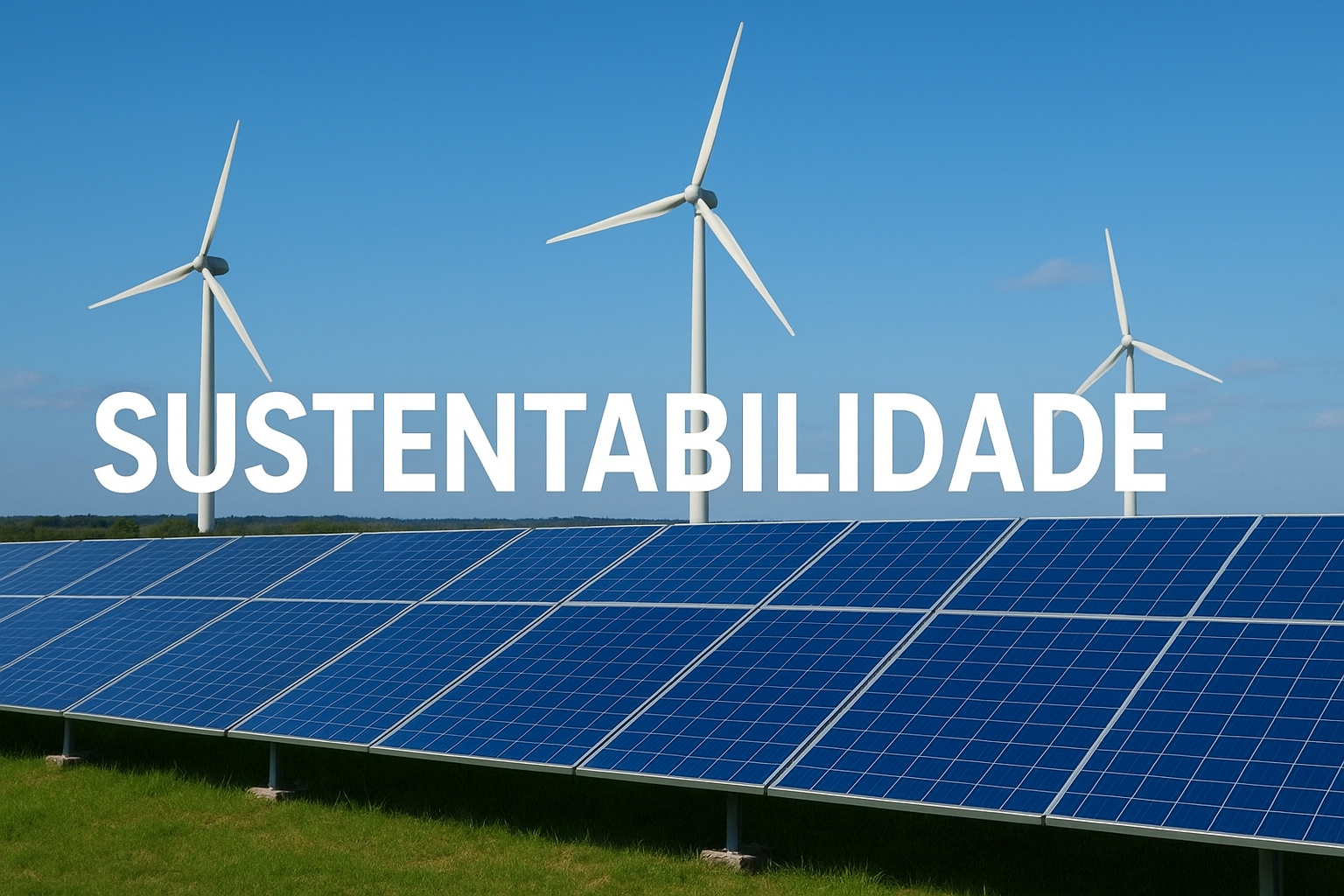
The Trajectory of Renewable Energy in Brazil
The history of renewable energy in Brazil is intertwined with the pursuit of energy autonomy. Since the 1970s, when the country faced the oil crisis, responses emerged that expanded the use of clean sources. The National Alcohol Program, created in 1975, marked a significant turning point, according to the Federal Government.
The following decades reinforced this journey. The advancement of hydropower, the arrival of wind energy in the 1990s, and the rapid expansion of solar energy after 2012 formed a robust sector. According to the National Electric Energy Agency (Aneel), Brazil leads Latin America in installed capacity of renewable sources.
However, the sector is currently facing a decisive debate. The veto by President Lula to the provision that benefits renewable generation companies has raised concerns. The Absolar, as reported by the Diário do Nordeste, warned that the act could lead to company closures, job losses, and capital flight.
-
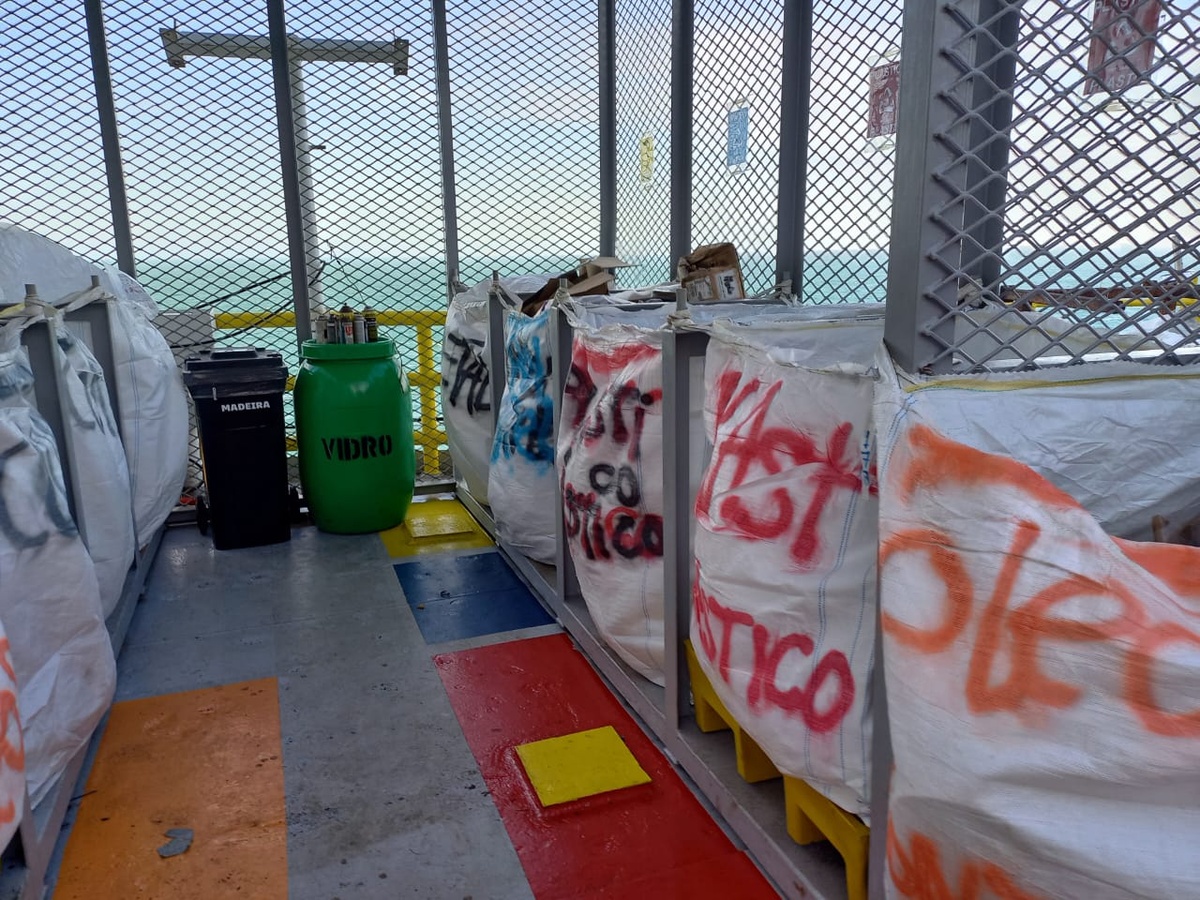
Foresea achieves 100% offshore waste reuse in 2025, eliminates landfill disposal, and consolidates sustainable strategy with 1,500 tons recycled.
-
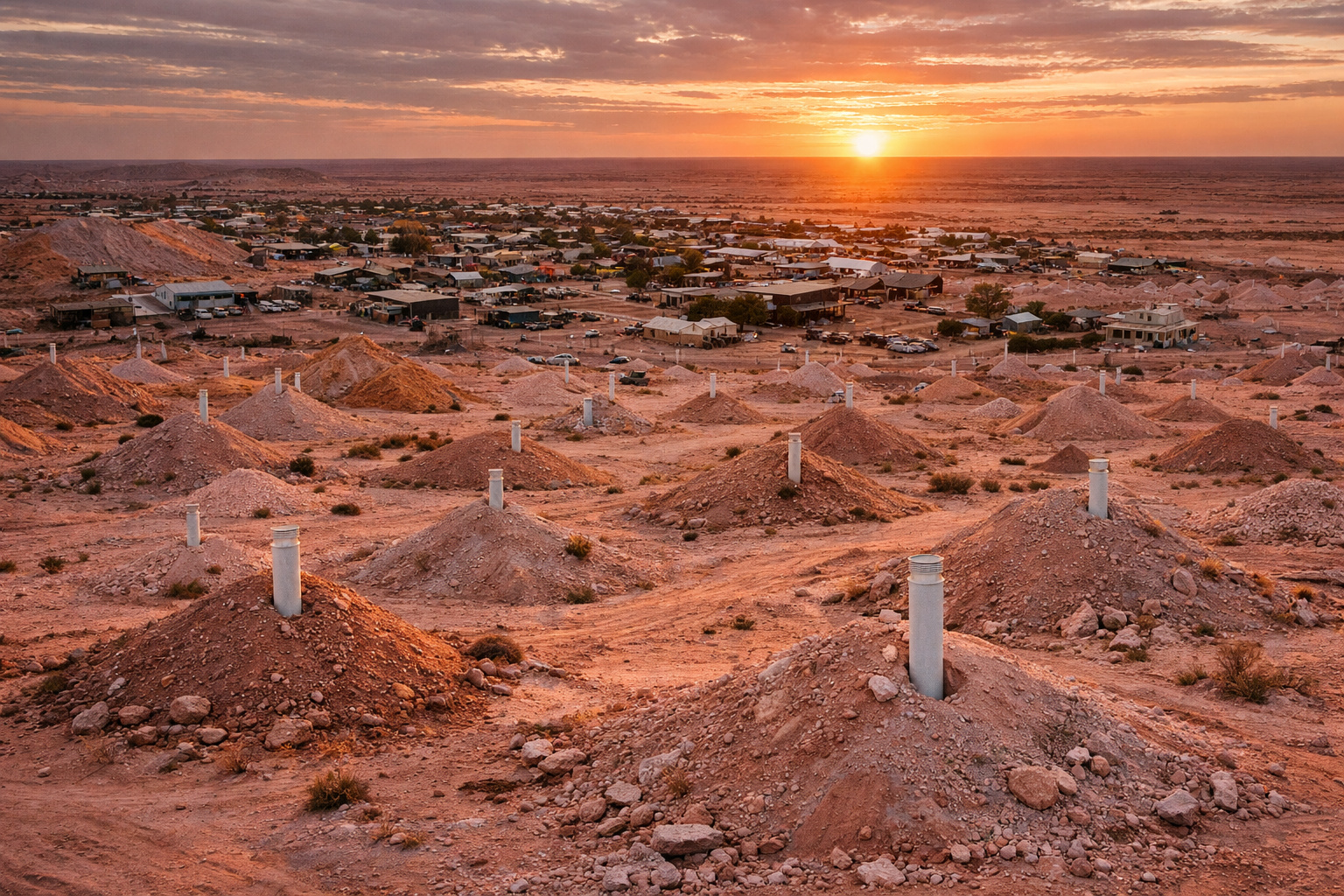
With earth, bamboo, straw, and lime mortar, a specialist builds a house for just over $460 and draws attention for its cost being much lower than traditional construction.

-
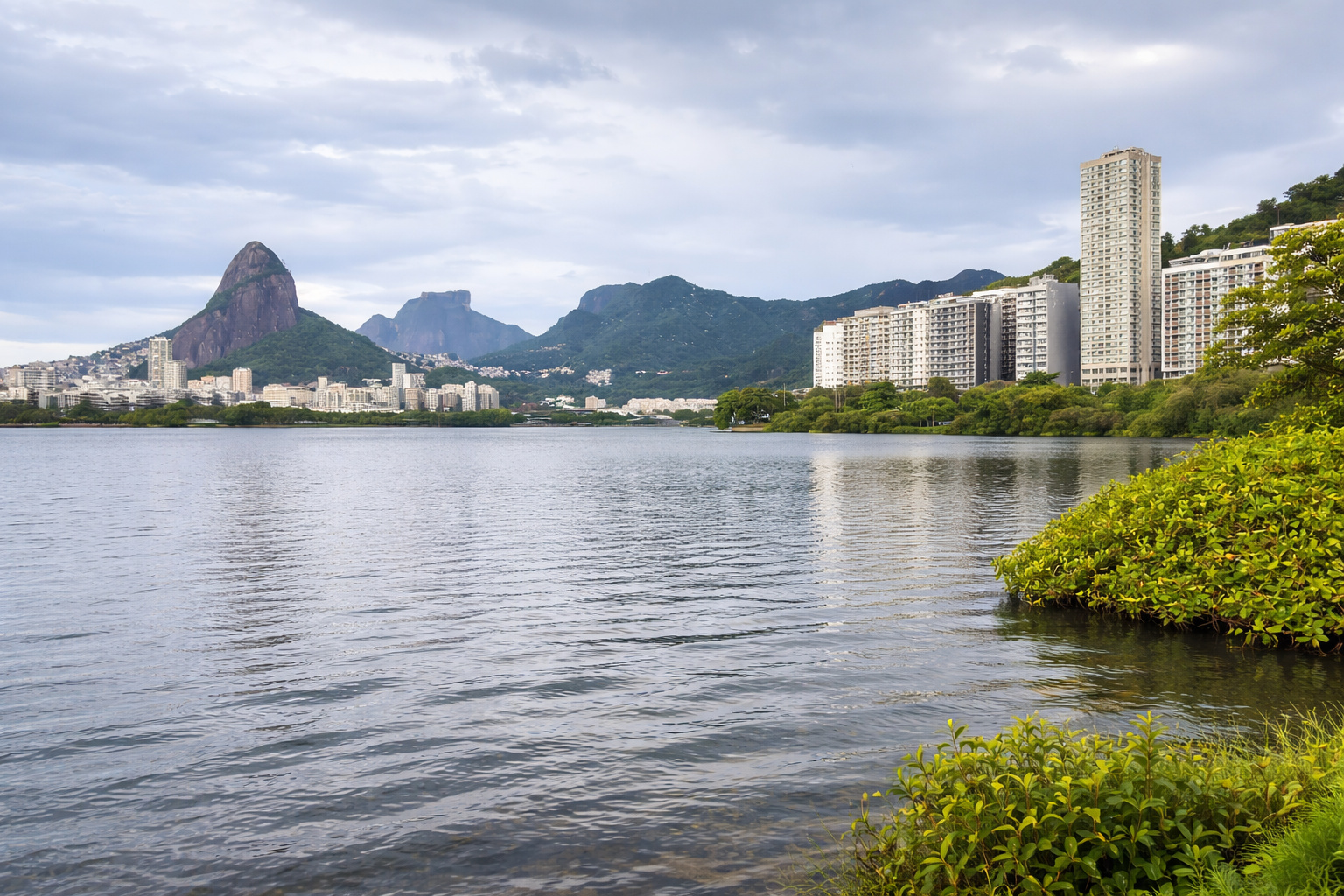
Rodrigo de Freitas Lagoon advances in environmental recovery with sanitation, elimination of irregular sewage, and the resumption of water sports in Rio de Janeiro.
-
Sustainable housing gains strength with a nationally awarded project in Campo Grande, highlighting innovative solutions that combine sustainability, urban integration, and efficiency in the use of natural resources.

The Veto and Its Consequences
The government stated that the vetoed provision goes against the public interest. The justification, published in the Official Gazette, indicates that the clause would create distortions in the market.
Still, the sector reacted. According to Absolar, thousands of companies could be affected. Many of them operate in regions where renewable energy strengthens the local economy. For this reason, industry leaders argue that the veto threatens the continuity of strategic projects.
Moreover, experts consulted by the Diário do Nordeste claim that the veto comes at a time of global energy transition. Countries are heavily investing in sustainable innovation. Thus, any regulatory instability could deter investors.
The Impact on Energy Transition and Environmental Sustainability
The adoption of renewable energies has always been part of Brazil’s plan to reduce greenhouse gas emissions, diversify the matrix, and ensure energy security.
With consistent investments and incentive policies, the country has made progress in recent years.
However, the veto undermines this scenario. Without minimum guarantees of stability and protection against cuts, the renewable sector loses competitiveness.
Additionally, the removal of compensation for curtailment can create a vicious cycle: frequent cuts, economic infeasibility, project disbandment, and fewer green alternatives to power the country. In the short term, there is a real risk of dismantling renewable capacities.
Socioeconomic Consequences and Impacts on the Energy Market
When renewable energy companies face financial risks, the impact is not limited to the sector. Local communities, workers, suppliers, support networks, and the entire ecosystem that relies on these plants become vulnerable.
According to Absolar, the veto could lead to the loss of direct and indirect jobs and encourage capital migration to other countries or safer sectors.
Thus, regions that have heavily invested in clean energy suffer doubly: with the end of sustainable economic activity and the frustration of development expectations.
Additionally, companies in the planning or construction phase may abandon projects, reducing the expansion of clean supply. This also affects consumers: with fewer renewables, Brazil may depend more on thermal or more polluting sources, which contradicts environmental goals and increases climate risk.
Recent History: Advances and Setbacks in Energy Regulation
In recent years, Brazil has achieved important advances. For example, with the law regulating offshore wind energy generation, sanctioned on January 10, 2025, the country paved the way to expand clean production from the sea.
In practice, these measures represented confidence in the renewable future. Investors saw Brazil as a promoter of energy transition. This encouraged infrastructure projects, generation, employment, and innovation.
However, with the veto on compensation for generation cuts, this progress is at risk.
The Voice of Industry Stakeholders
Representatives of the renewable industry do not hide their concern.
As reported by Absolar, “entrepreneurs and investors who believed in Brazil are being doubly harmed: in addition to having their clean energy generation compromised, they have been forced to bear the costs of cuts made for the benefit of the system and for the sake of all consumers.”
On the other hand, the government justifies the veto by stating that the provision “contradicts the public interest.”
What Is at Stake: The Future of Energy Sustainability in Brazil
With the presidential decision, Brazil faces a crossroads.
It either consolidates a regulatory framework favorable to renewables — with incentives, legal security, and respect for contracts — or risks slowing down the energy transition, harming investments, jobs, and the environment.
If renewables lose ground, the country may return to relying more on polluting sources, which increases emissions, degrades the environment, and compromises climate goals.
Thus, sustainability emerges not only as an environmental ideal but as a criterion for economic survival, social justice, and responsibility to future generations.







Seja o primeiro a reagir!