





 Portuguese
  English
  Spanish
  3 min of reading
  0 comments


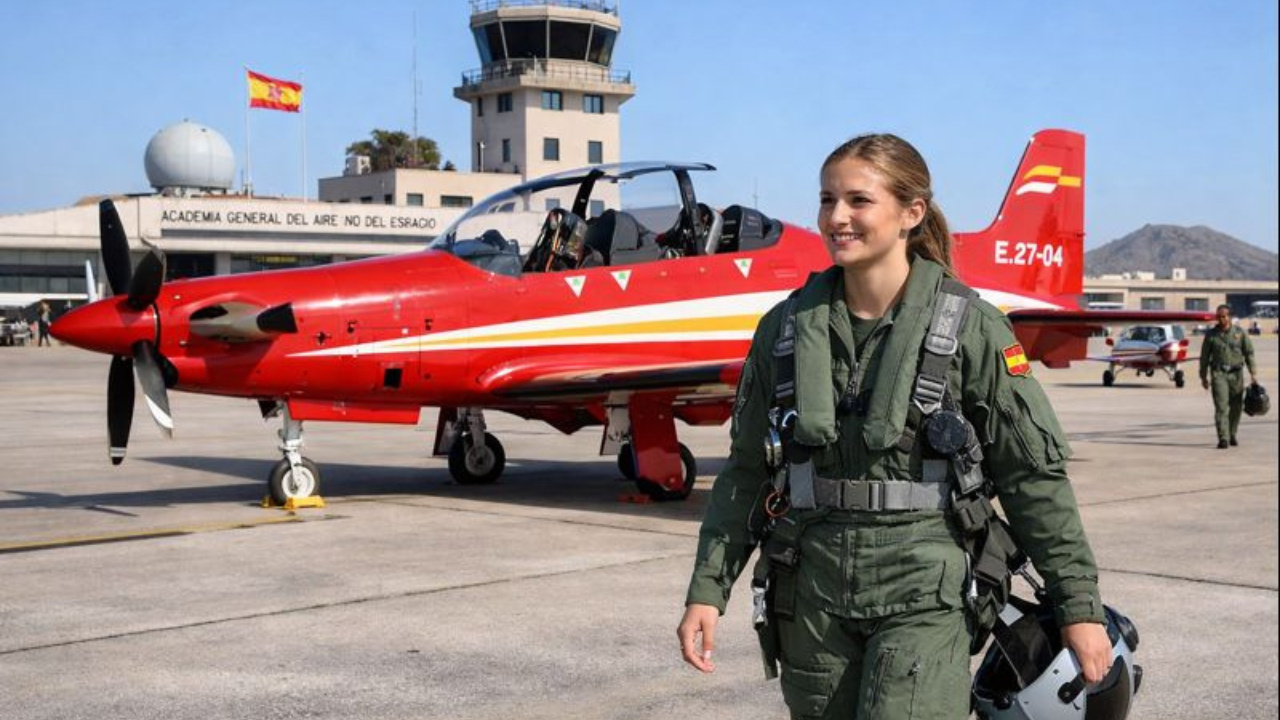
Princess of Asturias’ Military Training Advances with Solo Flight in the Spanish Air Force at the General Air and Space Academy.
The Princess of Asturias took a decisive step in her military training by completing, on Thursday (18), her first solo flight during the air instruction course at the General Air and Space Academy, located in San Javier, in the Murcia region of Spain.
The activity marks a relevant symbolic and technical moment in the training she is undergoing as a first lieutenant of the Spanish Air Force, after four months of theoretical and practical preparation.
The solo flight, known in aviation as “suelta,” represents one of the most important stages in military pilot training.
-
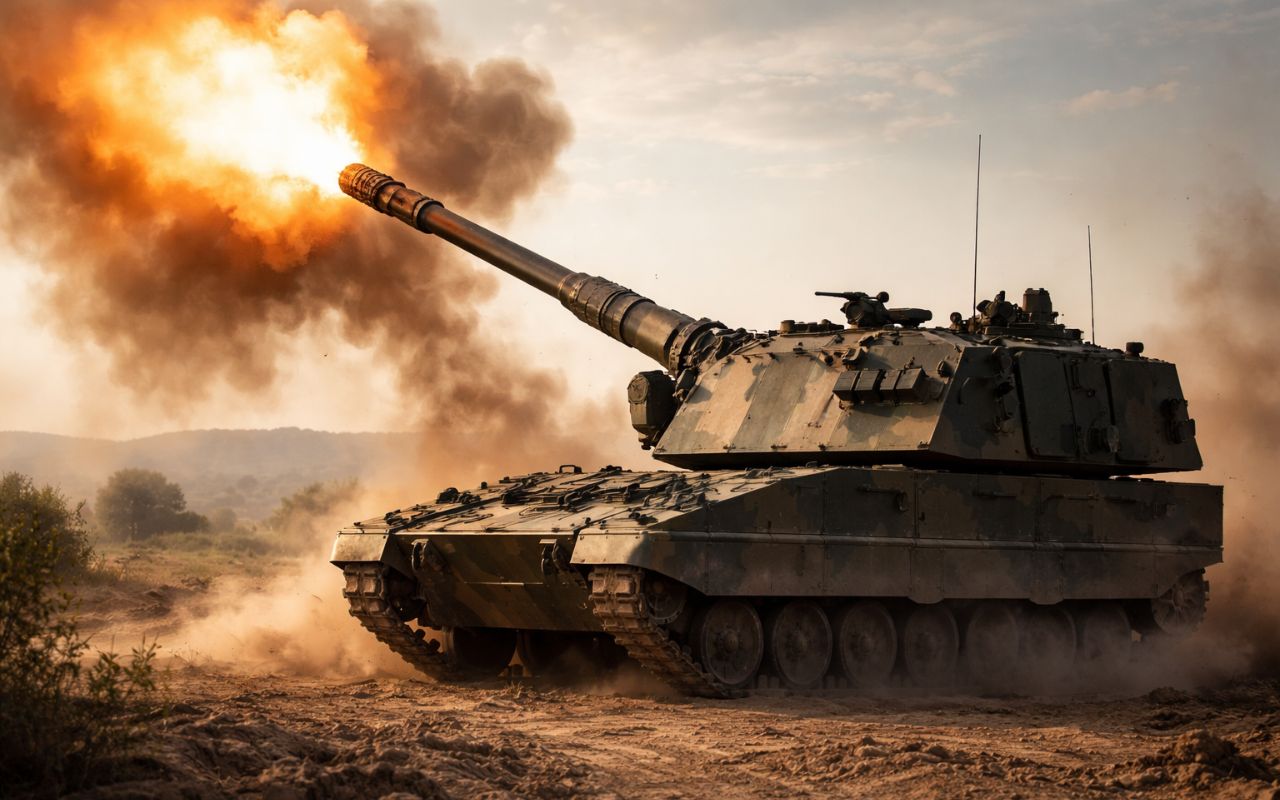
The German “steel monster” weighing 55 tons fires up to 10 projectiles per minute at over 40 km and avoids counterattacks on the battlefield by moving quickly to escape enemy attacks; meet the Panzerhaubitze 2000.
-
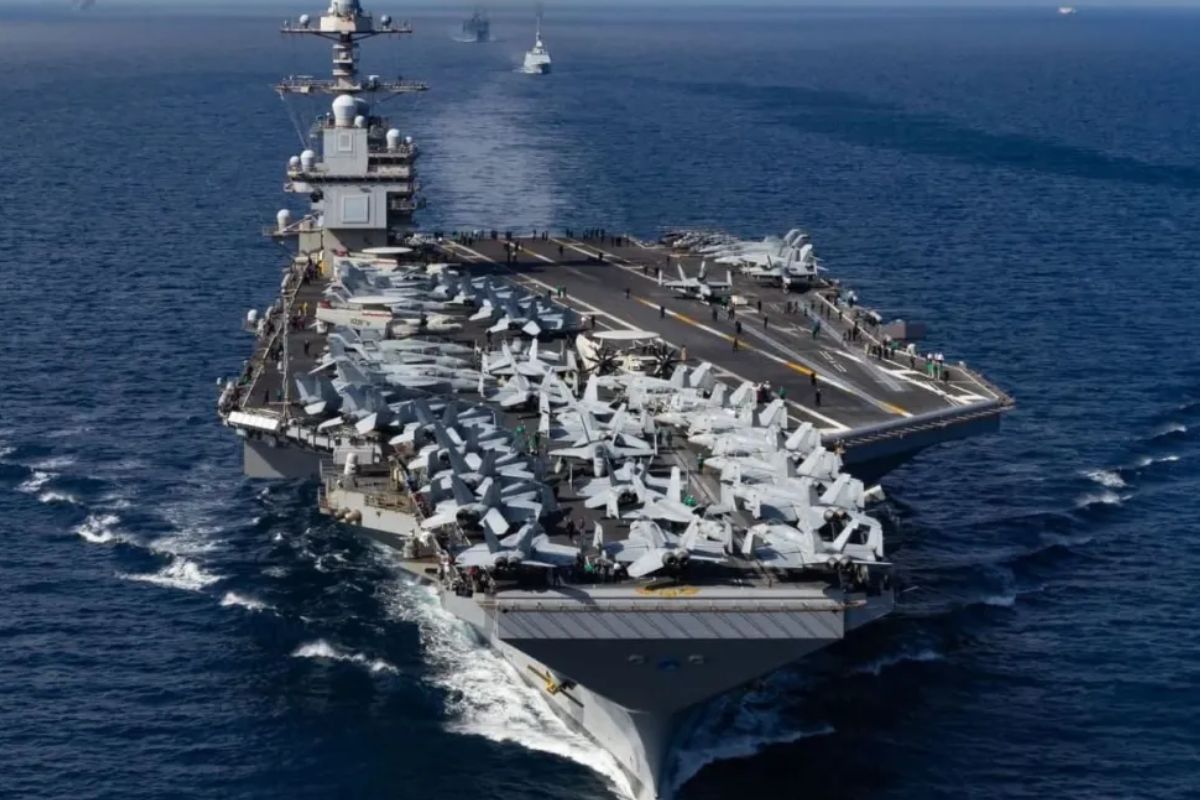
USS Gerald R. Ford, the largest aircraft carrier in the world, returns to sea after a fire in the laundry in the Red Sea; repaired in Crete, it resumes missions of Operation Epic Fury against Iran.
-
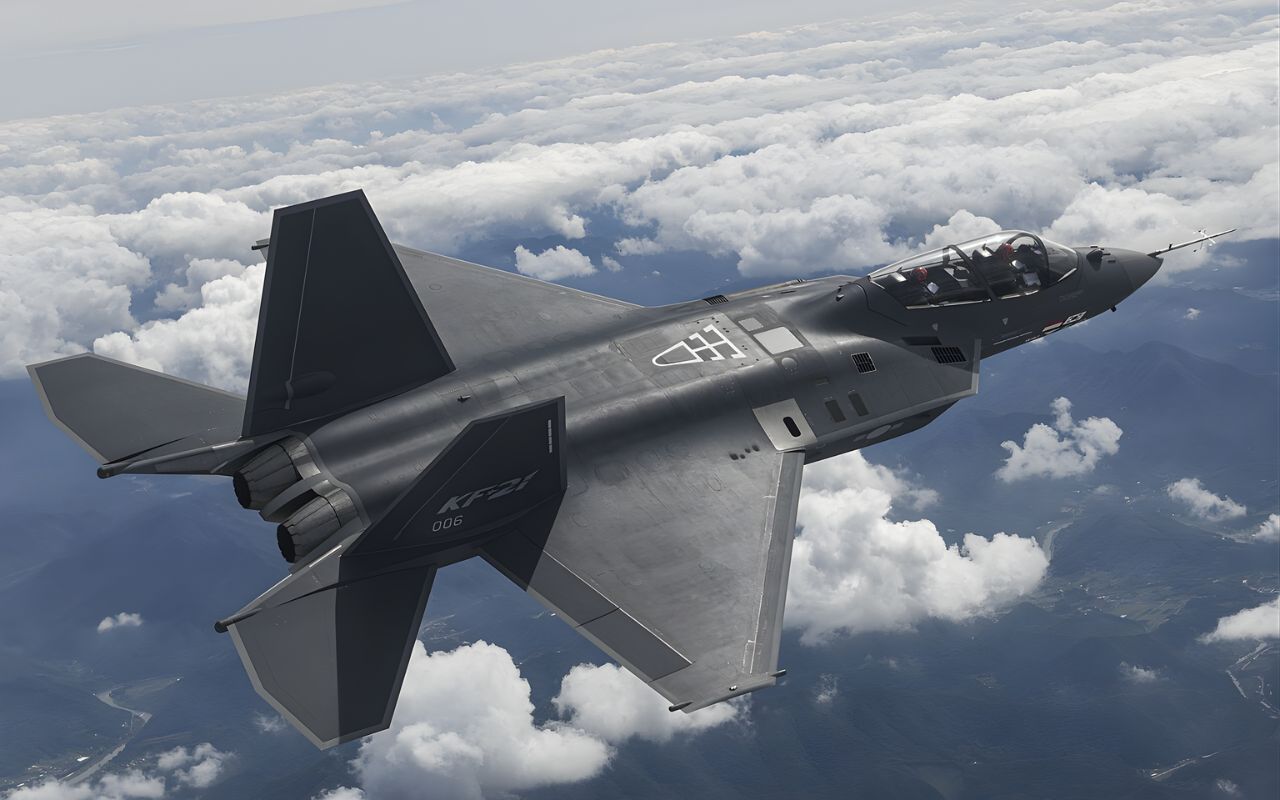
Military power: South Korea’s new KF-21 fighter jet will be a key component in replacing the aging aircraft of the air force, placing the country on the map of air military powers.
-
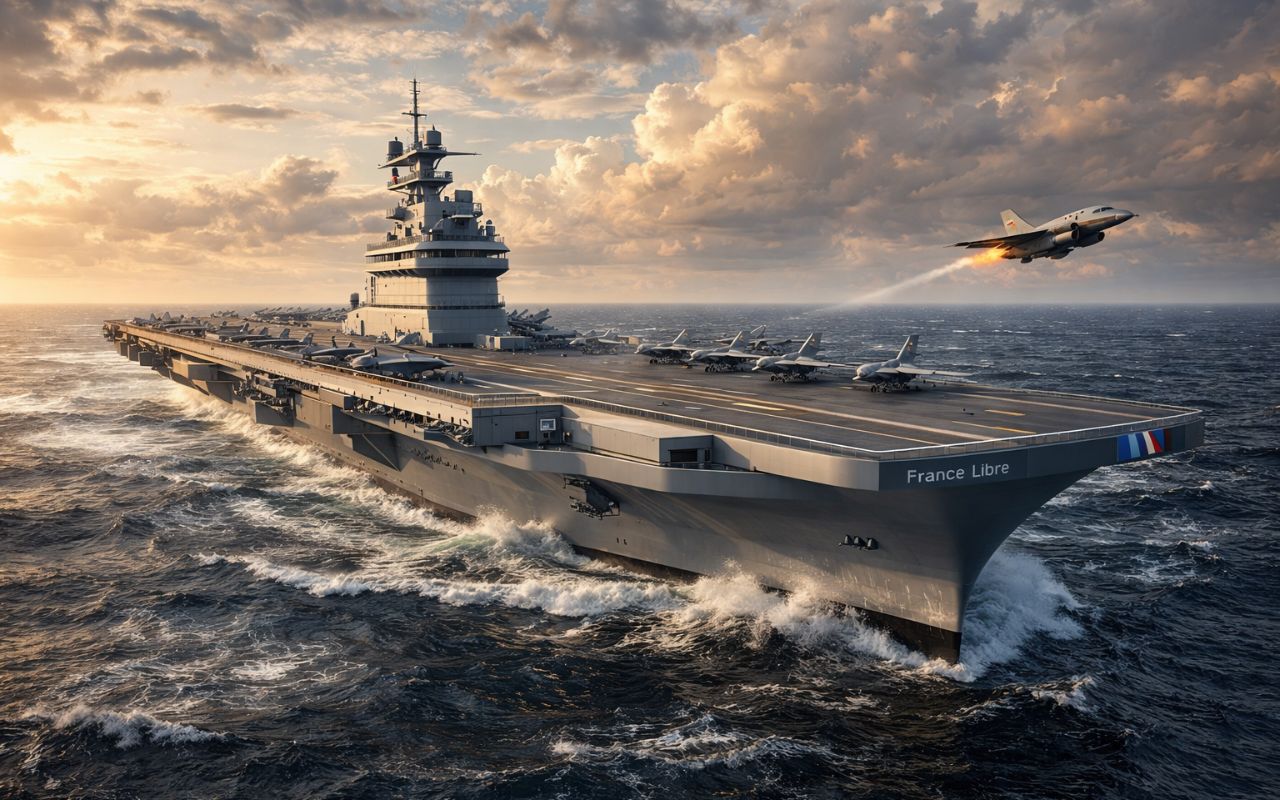
With 310 meters, 80 thousand tons, and capable of operating for 45 years, the new nuclear aircraft carrier France Libre will be the largest in France and will enter service in 2038.

It occurs only after the completion of a rigorous sequence of evaluations, simulators, and missions supervised by instructors.
In this context, the achievement of the solo flight confirms that the heir to the Spanish throne has reached the technical and operational level required by the academy’s curriculum.
Intensive and Progressive Military Training
Since the beginning of the course, the military training of the Princess of Asturias has followed the same standard applied to the other cadets of the AGA.
The program is structured to gradually develop technical competencies, operational discipline, and decision-making skills in an aviation environment.
During the first months, the focus was on assimilating fundamental knowledge of aviation, such as flight principles, air navigation, basic meteorology, and safety regulations.
In addition, the instruction includes detailed learning of the operational procedures required by the Spanish Air Force, reinforcing the standardization and precision necessary for military aviation.
The Role of Solo Flight in Air Instruction
The solo flight is not only a symbolic milestone but also an objective indicator of performance.
To reach this phase, the Princess of Asturias needed to demonstrate complete mastery of the training aircraft used in basic military pilot training, the Pilatus PC-21, designated E.27 within the Spanish Air Force.
Before being cleared for solo flight, cadets undergo a mandatory sequence of supervised missions, in addition to intensive training in simulators.
This process allows for the identification and correction of faults, ensuring that the first flight without an instructor occurs under the highest standards of operational safety.
Routine at the General Air and Space Academy
At the General Air and Space Academy, instruction goes beyond piloting.
The routine includes pre-flight preparation, operational briefings, thorough aircraft inspections, and detailed analysis of completed missions.
These procedures reinforce the individual responsibility of the pilot and their integration with the military chain of command.
In addition, the military training includes specific training, such as survival exercises at sea, essential for emergencies, and training with personal protective equipment.
Among these, the use of the anti-G suit stands out, designed to prevent loss of consciousness during maneuvers that involve high gravitational forces.
Institutional Integration and Military Values
Another central aspect of the Princess of Asturias’ training is the understanding of the structure and functioning of the Spanish Air Force.
Air instruction is placed within a broader context of military career, which involves hierarchy, leadership, and institutional commitment.
In this sense, participation in the traditional swearing-in ceremony at the AGA reinforces the symbolic nature of the heir’s trajectory.
The oath took place during the celebrations of Our Lady of Loreto, patroness of aviators, celebrated this month.
The moment highlighted the historical, cultural, and religious significance of the training, especially relevant as she is a future head of state.
Technical and Symbolic Advance in the Military Career
By completing the solo flight, the Princess of Asturias consolidates one of the most demanding phases of her military training.
The advance demonstrates not only technical ability but also commitment to the institutional rigor of the Spanish Armed Forces.
Therefore, the episode represents a milestone both operationally and symbolically, reinforcing the heir’s preparation for roles that require leadership.
Meanwhile, instruction continues with new practical and theoretical stages outlined in the General Air and Space Academy curriculum.









-

Uma pessoa reagiu a isso.