





 Portuguese
  English
  Spanish
  5 min of reading
  0 comments


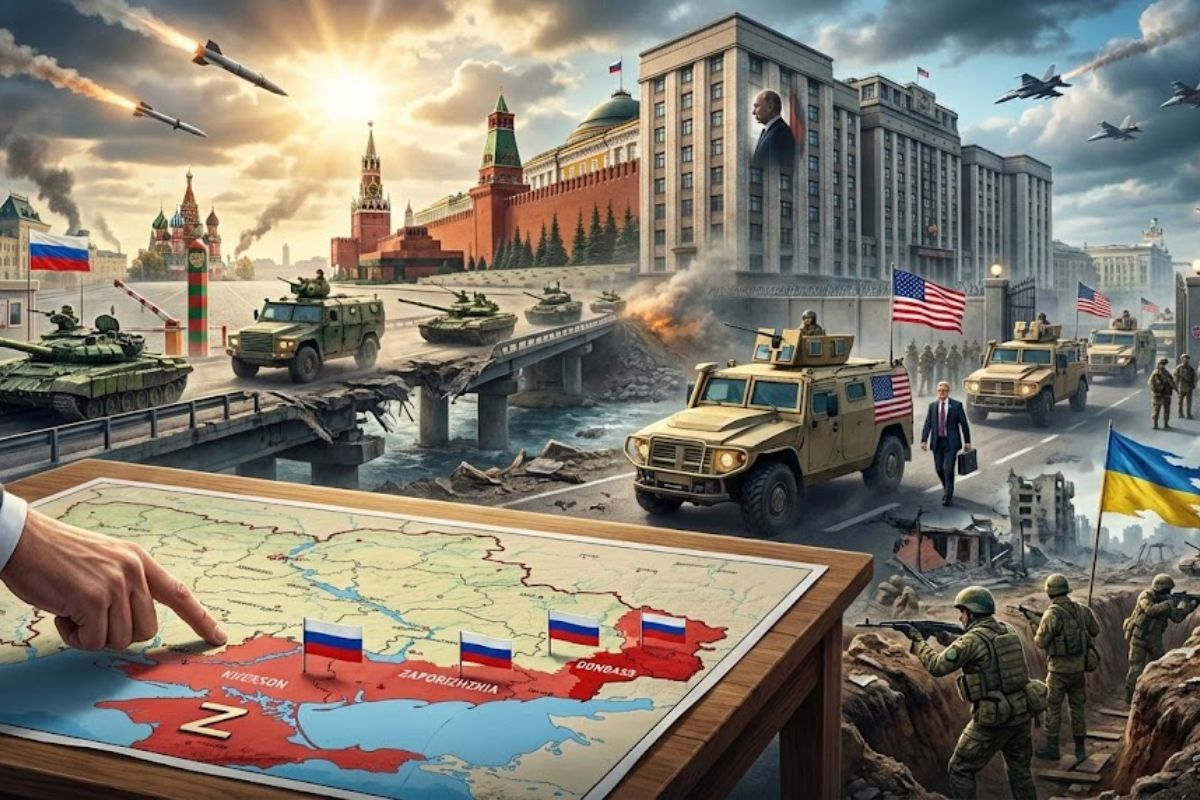
During Visit To Kyrgyzstan, Putin Claims That Russia Will Only End The War In Ukraine If Kiev Abandons Donetsk, Luhansk, Kherson, And Zaporizhia; Crimea Remains Untouched, Ultimatum Deepens Extended Stalemate After Nearly Four Years Of Conflict And U.S. Envoy Steve Wkof Will Go To Moscow To Discuss Ceasefire Plan.
The Russia has placed new weight on peace negotiations by announcing that it will only end the war in Ukraine if Kiev’s forces abandon the regions that Moscow claims as annexed. The message was given by President Vladimir Putin during a visit to Kyrgyzstan in a direct statement: if the Ukrainians leave the occupied territories, the fighting will cease; if they do not leave, the offensive will continue militarily.
At the same time, a U.S. envoy, Steve Wkof, is preparing to travel to Moscow next week to discuss a ceasefire plan with Russian officials. Nearly four years after the start of the offensive, the possibility of conceding territory to Russia remains one of Kiev’s biggest red lines and stalls any consistent progress in peace talks.
Putin’s Ultimatum Redefines Ceasefire Limits
In his speech in Kyrgyzstan, Putin stated that Moscow is still receiving proposals to cease military operations on different fronts, but made it clear that the condition for Russia is unique: Ukrainian withdrawal from the areas that the Kremlin deems integrated into its territory.
-
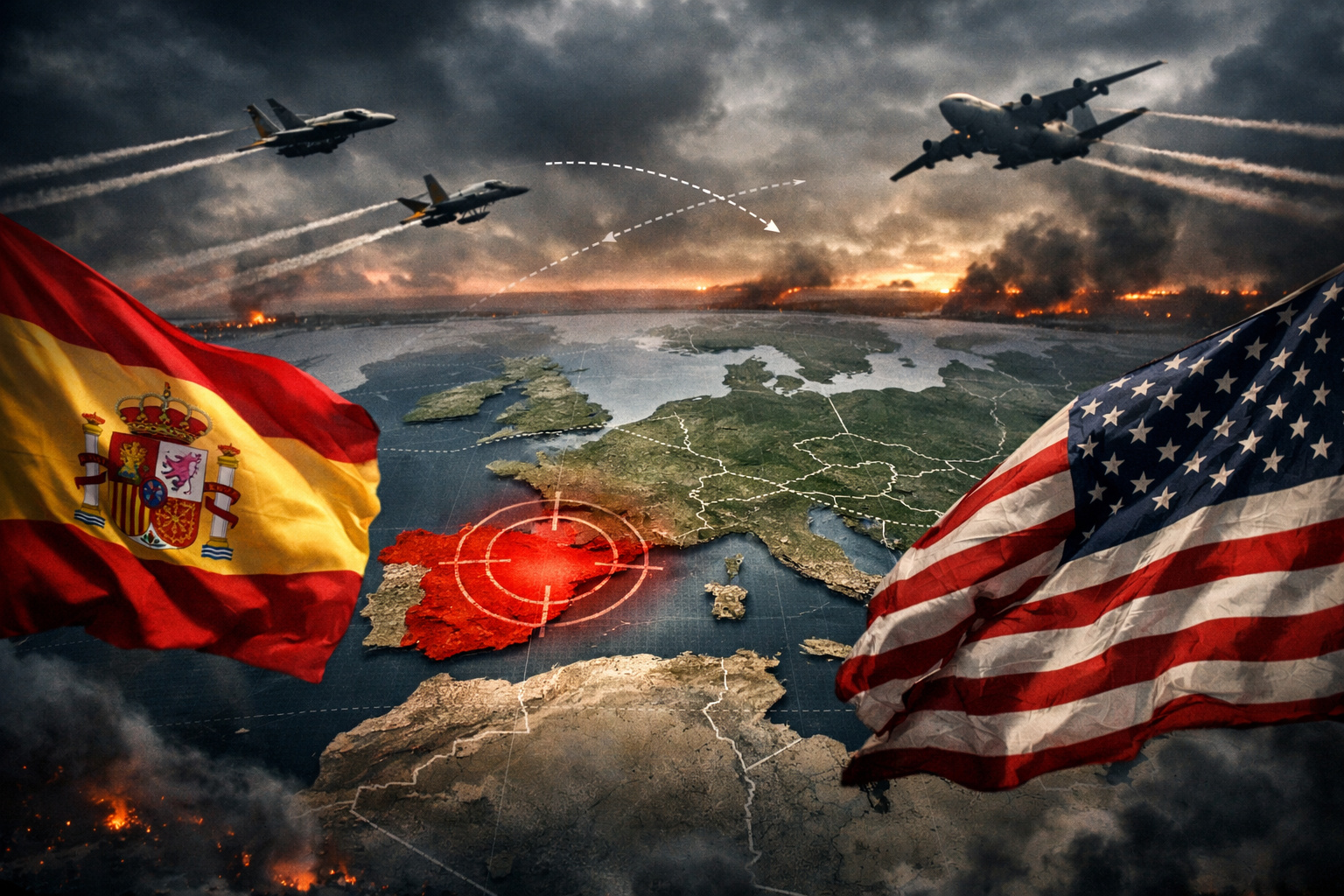
Spain challenges the USA and closes its airspace for operations against Iran, raising global tension and provoking the threat of a trade rupture.
-
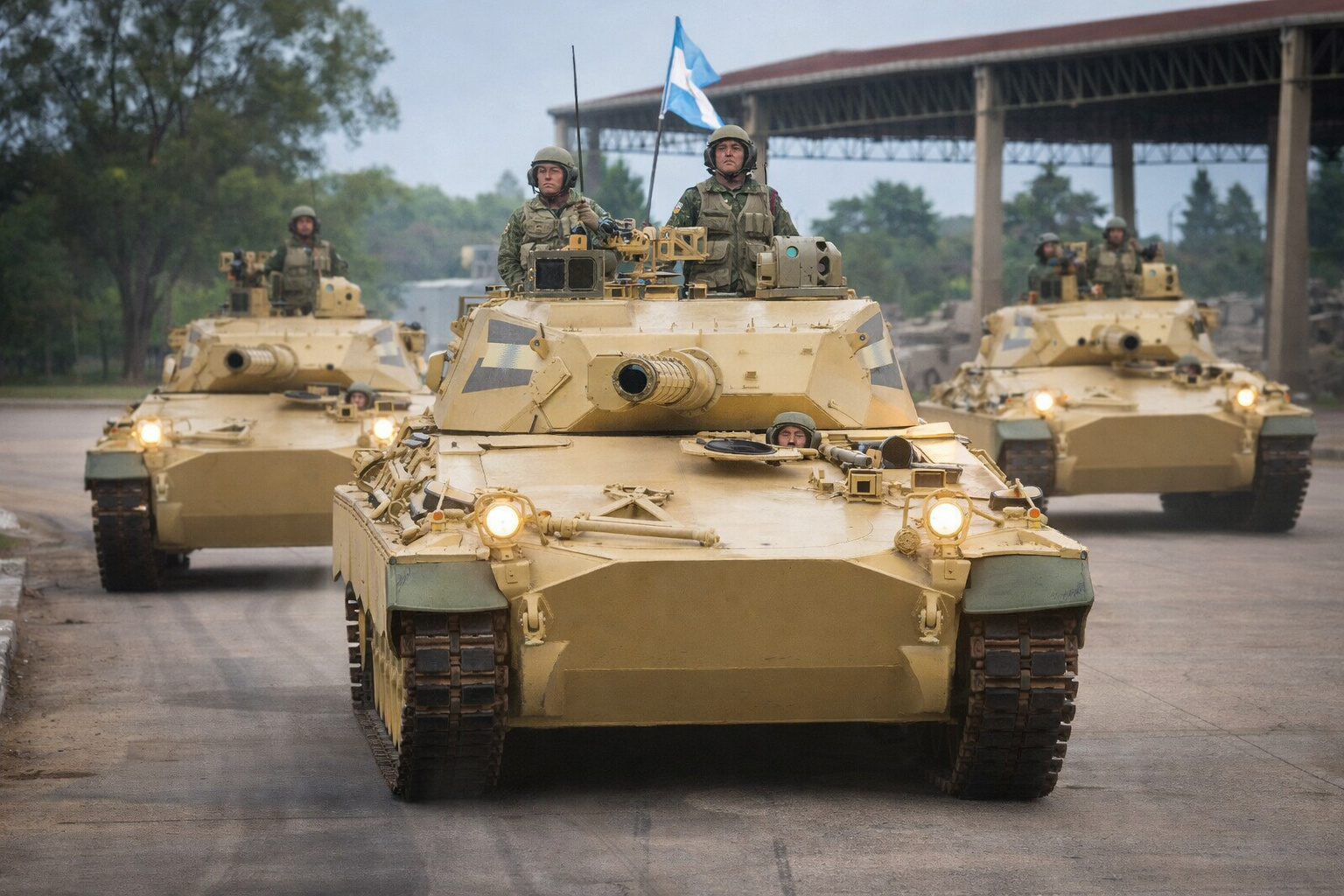
While no other country manufactures tanks in Latin America, Argentina activates the TAM 2C-A2 and raises a curiosity about the technological lag in the region.
-
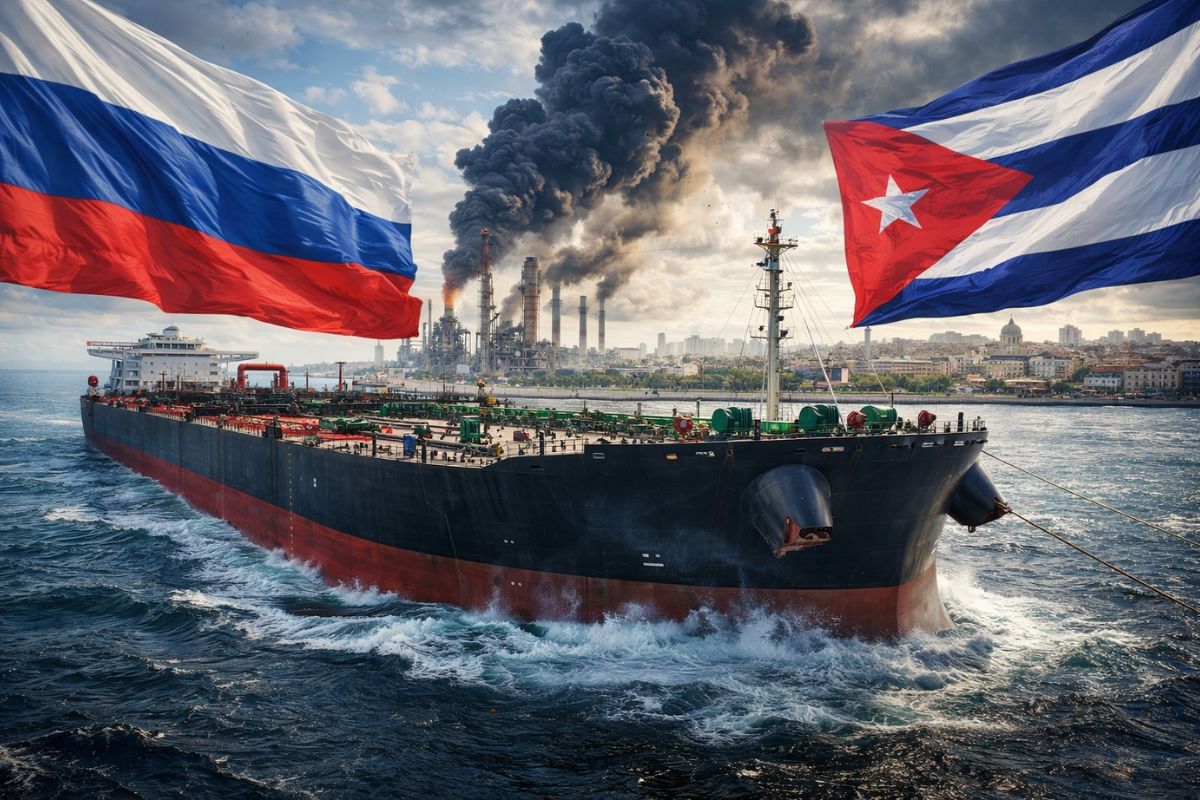
A Russian ship with 730,000 barrels of oil has just arrived in Cuba while Mexico negotiates fuel sales through private companies: the communist island is desperately seeking alternatives after losing its supply from Venezuela due to American military action.
-
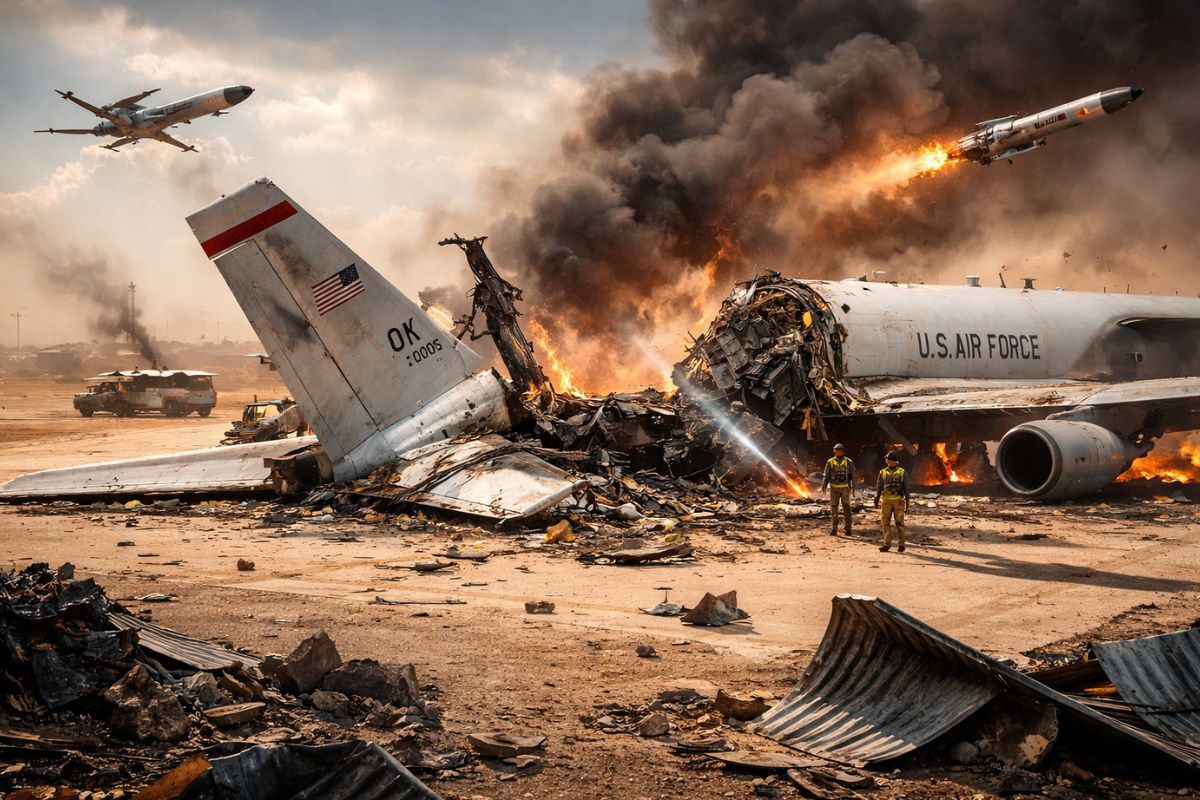
Iranian drones and missiles destroyed a 270 million dollar American spy plane in Saudi Arabia, splitting the E-3 Sentry aircraft in half and injuring 12 military personnel in an attack that exposes the vulnerability of U.S. bases in the Persian Gulf.

According to the president, if Ukrainian forces leave the territories they “occupy,” Russia will immediately suspend combat operations.
Otherwise, the response will continue to be military, with the offensive being maintained. For the Russian leader, the message is simple: either Kiev physically withdraws from the disputed regions, or the conflict remains on the battlefield.
This ultimatum ties any prospect of a ceasefire to a territorial concession that Ukraine has, thus far, publicly refused.
In practice, Putin’s message further narrows diplomatic maneuvering space, requiring Kiev to formally accept a reality that it considers illegal and unacceptable.
Annexed Regions And The Disputed Map
Although Putin did not list the specific regions he was referring to in his statement, the map has been known since 2022.
Russia claims the annexation of large areas of Donetsk and Luhansk in eastern Ukraine, and parts of Kherson and Zaporizhia in the south, in addition to the Crimean peninsula, which was integrated into Russian territory in 2014.
Following the start of the offensive in February 2022, the Kremlin announced in September of the same year that it had formally annexed the four regions of Donetsk, Luhansk, Kherson, and Zaporizhia, even without controlling the entirety of these territories.
In Russia’s narrative, these places have become part of the country; in the Ukrainian view and that of much of the international community, it is an occupation and a violation of sovereignty.
Crimea, seized in 2014, remains another sensitive point. With its prior integration into Russian territory, the combination of Crimea and the four annexed regions now represents the core of Moscow’s demands.
For Putin, giving up these areas would mean admitting failure; for Kiev, conceding any of them would legitimize the occupation.
Stalemate In Negotiations And The Role Of The United States
Putin’s remarks come in a context where ceasefire proposals are circulating but always clash with the same question: how far is Ukraine willing to go in terms of territorial concession to Russia.
It is precisely this taboo that prevents dialogue from progressing, even after nearly four years of conflict and human, economic, and political strain on both sides.
It is in this scenario that the trip of U.S. envoy Steve Wkof comes in, who, according to the described plan, is set to go to Moscow next week to speak with Russian authorities.
The declared objective is to discuss the outline of a possible agreement, but any proposal will need to address Russia’s central demand: the Ukrainian withdrawal from the annexed regions.
The United States is trying, on one hand, to support Kiev militarily and politically and, on the other, to maintain open channels of communication with Moscow. Wkof’s visit to the Russian capital signals this attempt to preserve some diplomatic bridge.
But, as long as Russia conditions the end of the war on Kiev’s withdrawal from territories that Ukraine considers its own, the margin for compromise remains narrow.
What The Russian Ultimatum Reveals About The Future Of The War
Putin’s ultimatum helps illuminate how the Kremlin views the current stage of the conflict. By publicly stating that it will only accept a ceasefire with Ukrainian withdrawal, Russia sends a message to both the Kiev government and international mediators, establishing a finish line that necessarily passes through territorial control changes.
For Ukraine, accepting this framework would mean not only losing strategically and economically important areas but also sending its own people the message that years of resistance have resulted in territorial loss.
The internal political cost of any retreat in this sense is extremely high, which explains why this possibility remains practically blocked in peace talks.
From Russia’s perspective, the firm discourse aims to reinforce the idea that the country will not back down from the annexations already declared.
At the same time, the willingness to hear ceasefire proposals, albeit under rigid conditions, allows Moscow to say that it is not the party renouncing dialogue, but rather the one maintaining a “minimum demand” to negotiate.
Meanwhile, the clock of the conflict continues to run, with the war nearing four years and the boundary between diplomatic advancement and prolonged military offensive becoming increasingly tenuous.
Amid this dispute of narratives and territories, the American envoy’s trip to Moscow will be yet another test to gauge how far Russia, Ukraine, and the United States are willing to go in pursuit of some form of agreement.








Seja o primeiro a reagir!