





 Portuguese
  English
  Spanish
  2 min of reading
  0 comments


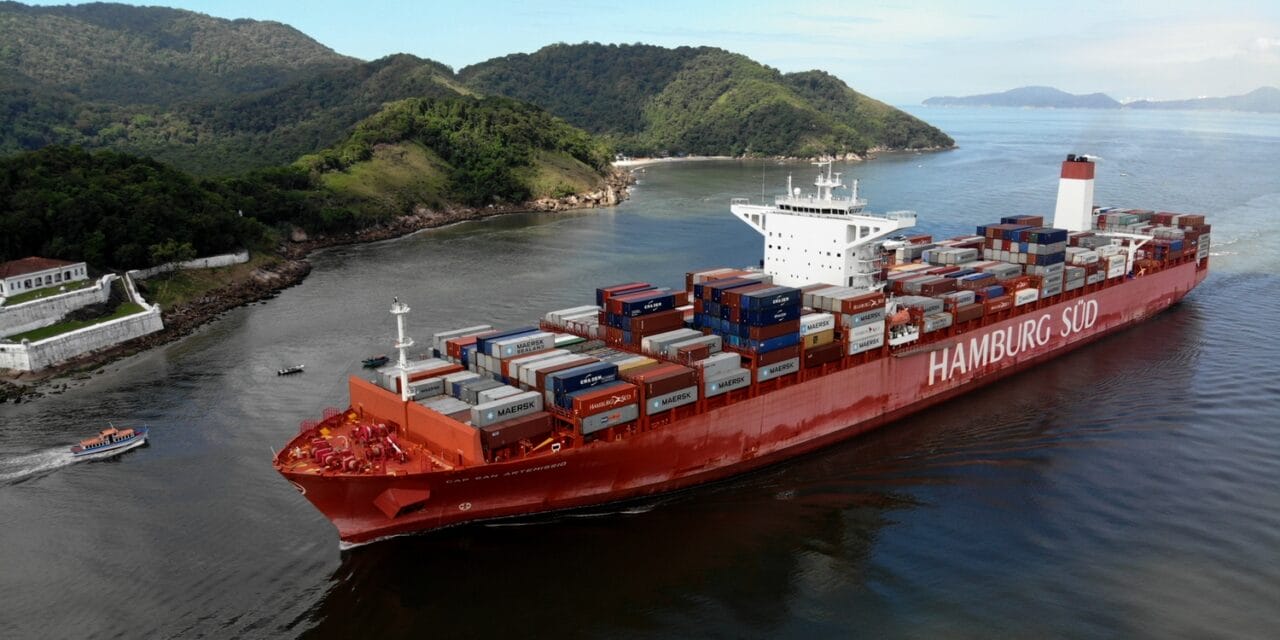
Advancement In Maritime Sustainability Through Ethanol
In a collaborative effort for sustainability, Raízen and Wärtsilä seal a partnership focused on reducing emissions in the maritime sector. Both companies aim to explore ethanol, a renewable fuel, as a promising alternative to minimize greenhouse gas (GHG) emissions in the global maritime landscape.
Ethanol: Fuel Of The Maritime Future?
Paulo Neves, Vice President of Trading at Raízen, sees ethanol as a high-potential maritime fuel. “By joining forces with Wärtsilä, our goal is to strengthen the sustainable development of the maritime sector. Ethanol stands out as a viable option in the range of low-carbon solutions,” he emphasizes.
In the context of decarbonization, Wärtsilä has distinguished itself with significant milestones. These include improvements in engine efficiency and, primarily, tests with ethanol as a primary fuel. This initiative, in partnership with Raízen, aims to accelerate the incorporation of clean energy solutions in the maritime world.
-
Brazil accelerates hydrogen and biofuel projects to consolidate the fuel of the future and reduce dependence on oil by 2026.

-
The Brazilian state accelerates industrial competitiveness with a focus on the extraction of strategic minerals to boost the energy transition in Goiás.

-
A Canadian retiree creates a hydroelectric system on a real river, generating energy continuously throughout the day and demonstrating how the power of water can supply a house with stability even in a simple structure.

-
CNPE strengthens policy and prevents imported biodiesel from being mixed with diesel, aiming to strengthen the Brazilian industry and protect jobs by reducing external dependence amid tensions in the global market.

Stefan Nysjö, Vice President of Energy Supply at Wärtsilä Marine Power, highlights the company’s commitment to the future. “We are deeply engaged in developing technologies that favor low-emission maritime fuels. This partnership with Raízen reiterates our mission to lead the sector to a greener future,” he points out.
Environmental Impact And Advantages Of Ethanol
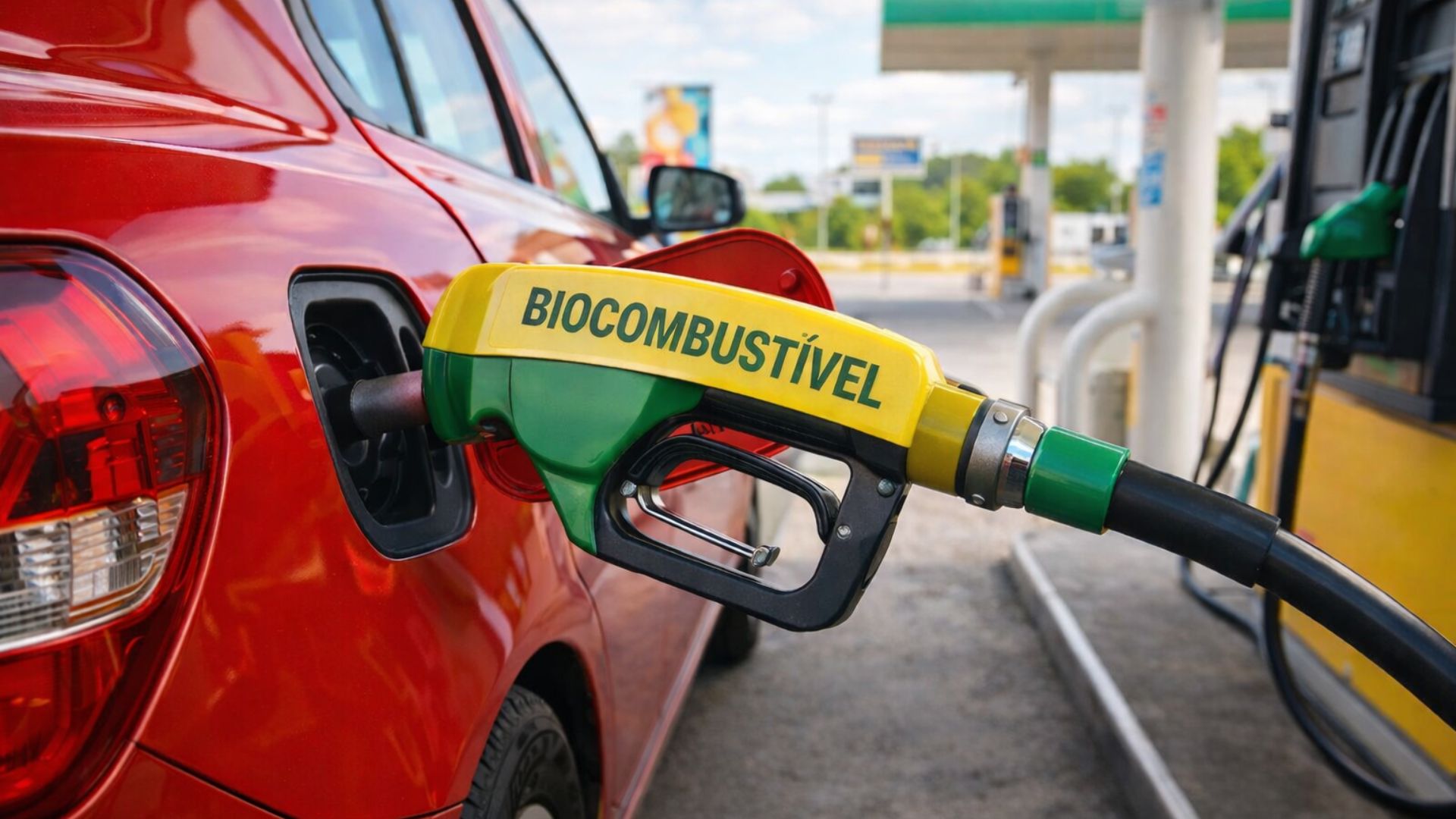
Replacing fossil fuels with sustainable ethanol can revolutionize maritime transport. Initial studies by Raízen indicate that the use of ethanol could result in a reduction of up to 80% in CO2 emissions on common routes, such as Brazil-Europe. With targets set by the International Maritime Organization (IMO) aiming for significant emission cuts by 2050, ethanol emerges as a powerful ally in this challenge.
Raízen, maintaining its tradition of innovation, emphasizes its commitment to providing low-carbon solutions broadly. The company, together with Wärtsilä, actively seeks strategic partnerships in the maritime sector that share the vision of cleaner and more sustainable navigation for future generations.
Source: Eduarda Cristina Amici.










Seja o primeiro a reagir!