





 Portuguese
  English
  Spanish
  3 min of reading
  66 comments


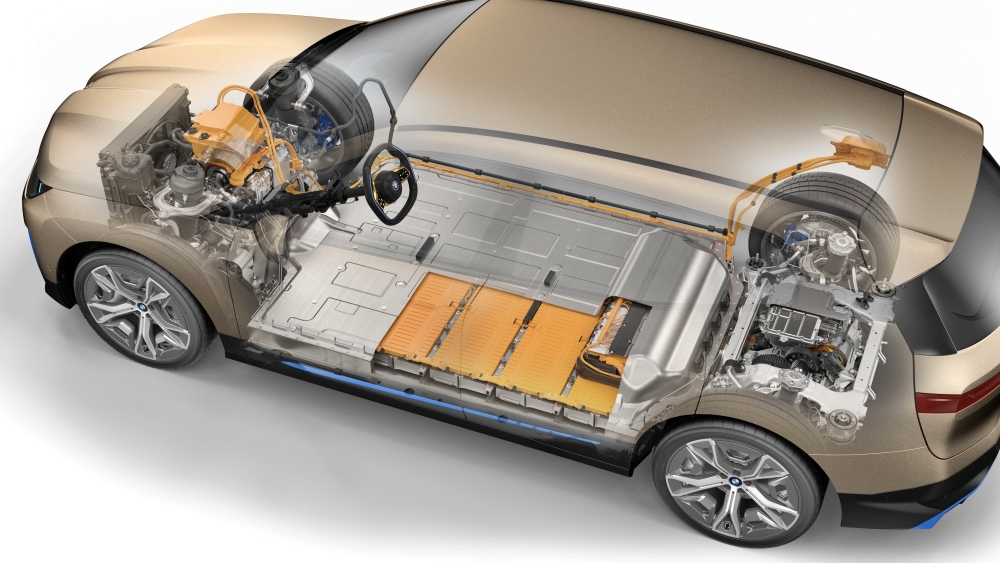


A Study Revealed That The Cost Of Replacing An Electric Vehicle Battery Is Becoming More Affordable, Being Cheaper Than Repairing Internal Combustion Engines In Traditional Vehicles.
The idea of replacing an electric vehicle battery has always raised concerns among consumers. Although the need for a replacement is unlikely, the fear of the high cost of this procedure has generated doubts about the economic viability of electric vehicles. However, this narrative may be about to change.
A recent study by Recurrent indicates that the cost of battery replacements could be lower than that of repairs on internal combustion engines by 2030.
In other words, if the battery of your electric vehicle encounters a serious issue, the cost to replace it with a new one will be the same or even less than replacing the engine of a combustion vehicle.
-
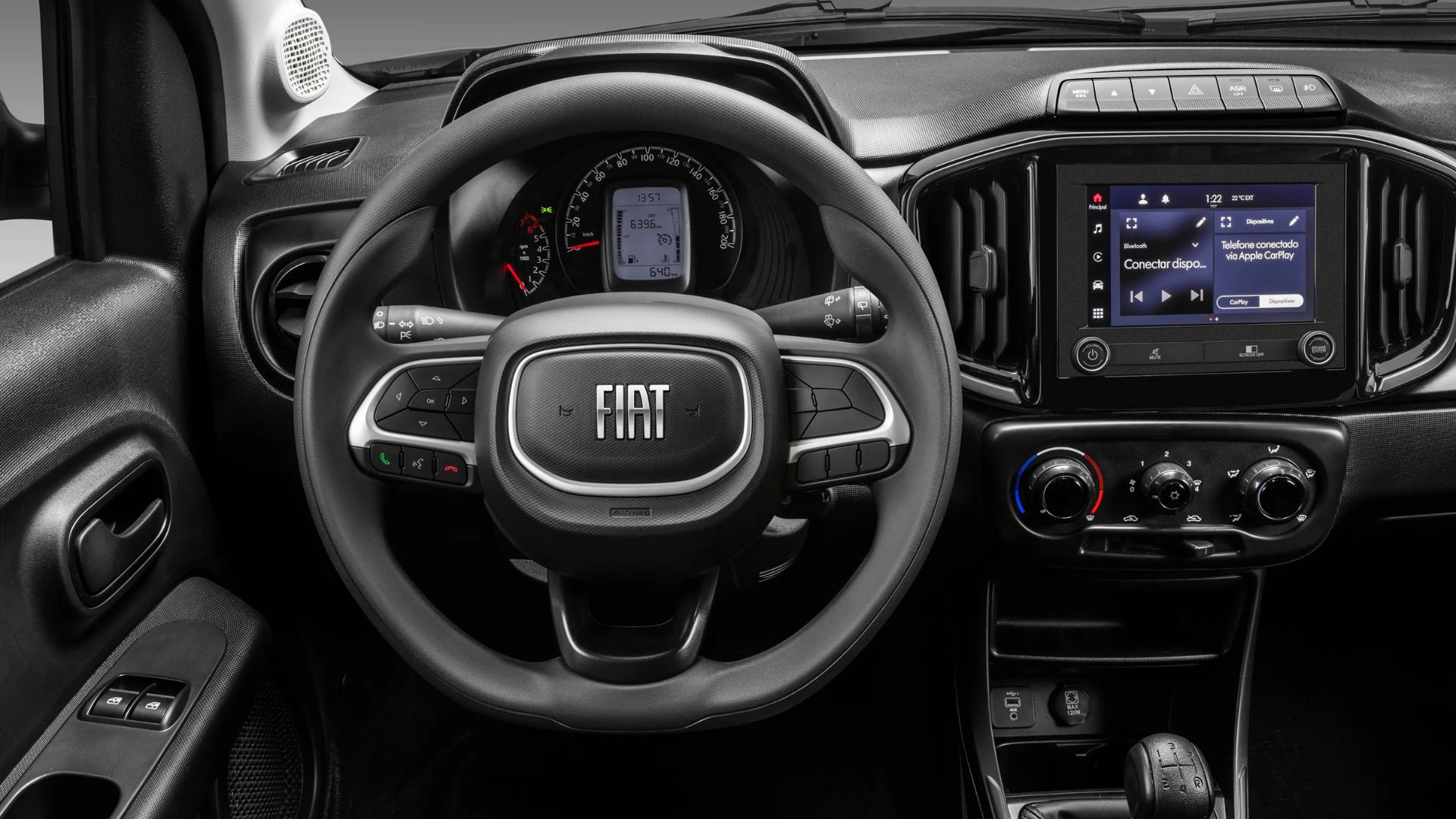
With a 1.0 engine producing 75 hp and costing less than R$ 70,000, Fiat’s car returns to the podium as the cheapest in the country; a temporary promotion for the 2026 Like version reduces the price of the Fiat Mobi.
-
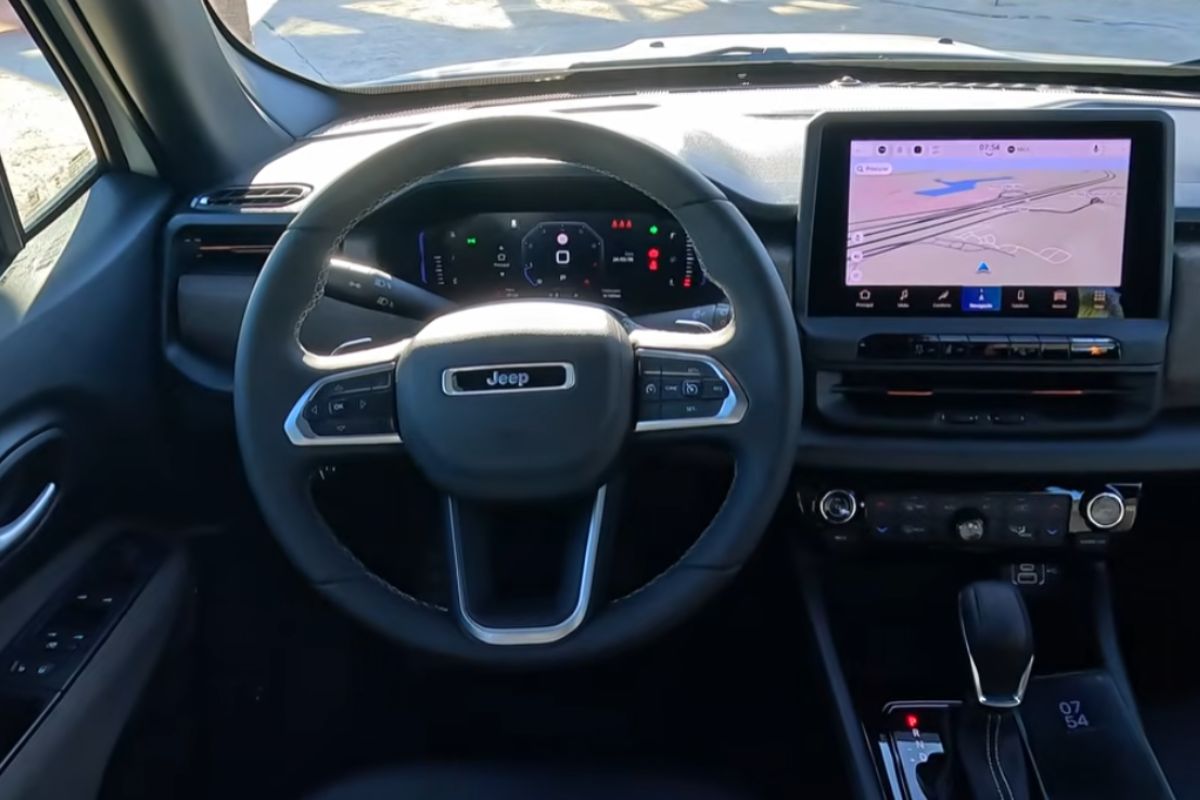
With a mild hybrid system of 48 V, 176 hp and a price of R$ 175,990 in the Sahara version, the new Jeep Renegade changes mostly on the inside, improves slightly in fuel consumption, and remains almost the same car.
-
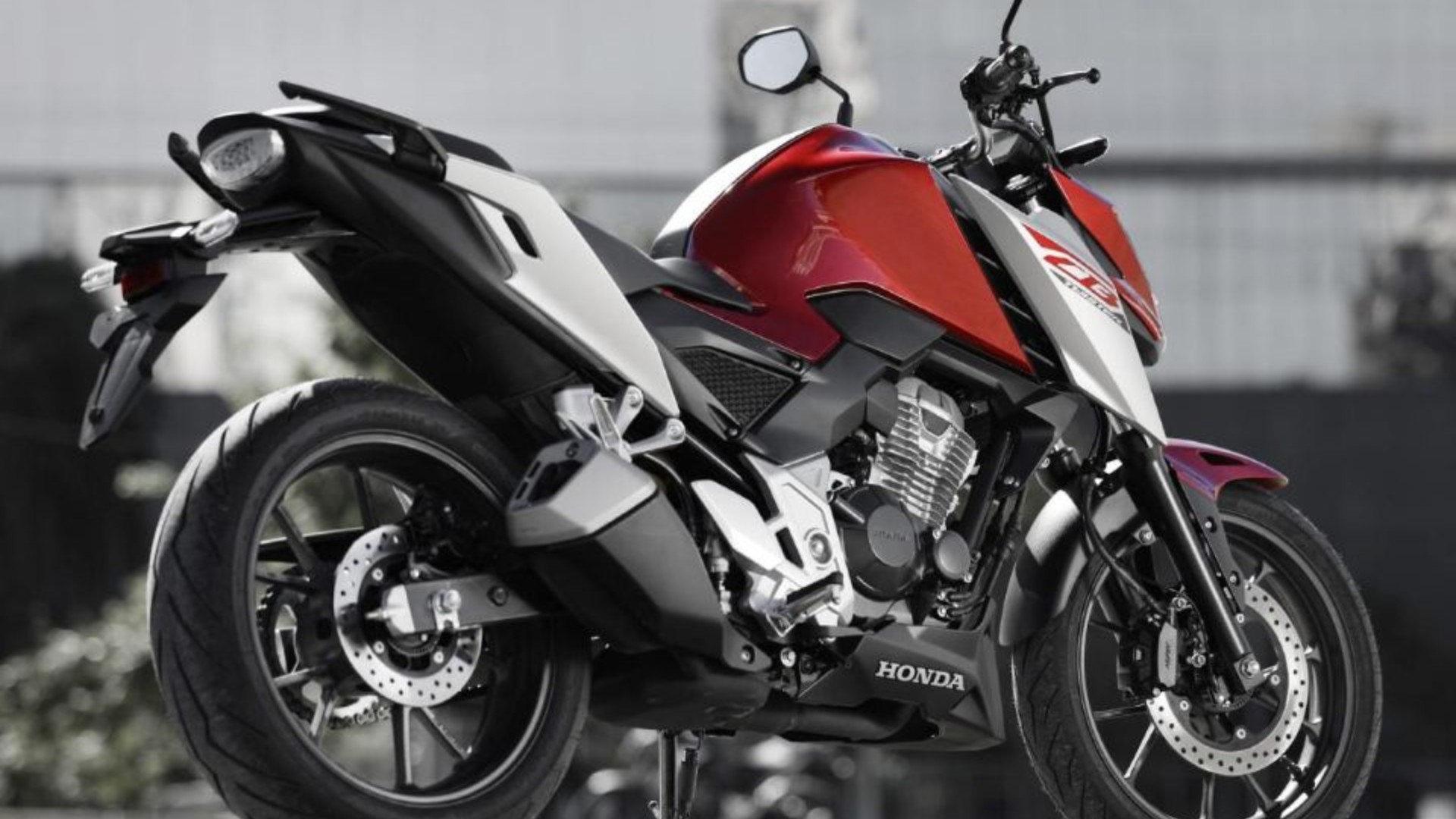
With a 293.5 cm³ engine and a range of up to 400 km with a 14.1-liter tank, the Honda CB 300F Twister 2026 has up to 24.7 hp, an initial price of R$ 25,150, and already exceeds R$ 29,000 in the Fipe Table.
-
With a 1.3 engine, nearly 700 km of range, and Turbo 200, the Fiat model surpasses Polo, Tera HB20, and Onix, becoming the best-selling car in March; see the numbers for the Fiat Strada and others.

This forecast addresses one of the main arguments against the adoption of electric cars. The projection is backed by Goldman Sachs, which estimates that battery prices will drop to $80 per kilowatt-hour by 2026—half the value recorded in 2023.
If market trends hold, costs could hit $64 per kWh in 2030. More optimistic estimates, like those from RMI, suggest values between $32 and $54 per kWh.
This means that a complete battery, depending on the size, could cost between 3,375 and 5,000 dollars, amounts equivalent to major repairs on gasoline engines.

More Affordable Batteries: Direct Impact On Consumers
The popularization of technologies such as lithium iron phosphate (LFP) batteries is one of the driving forces behind this decline. Currently, these batteries are already sold for prices starting at $75.3 per kWh, and manufacturers like CATL and BYD have reduced suppliers to further cut prices.
Moreover, over 40% of the cost reduction is due to stabilizing prices of raw materials such as lithium and cobalt. After a period of highs caused by “green inflation,” the market is beginning to adjust, promoting greater accessibility.
These changes directly benefit consumers. For example, a 60 kWh battery, like that of the popular Tesla Model 3, could cost between $2,000 and $3,000.
Even without including replacement costs, these figures are significantly more affordable than many previous ones.
Industry And Consumers In Alignment
The Recurrent report highlights that the reduction in battery costs eliminates one of the main psychological barriers for consumers: the fear of exorbitant expenses in cases of technical issues with batteries.
This change can broaden the appeal of electric vehicles, reinforcing their competitiveness against internal combustion engines.
For manufacturers, the outlook is also promising. The drop in costs allows for quicker amortization of investments in the development of electric vehicles, accelerating the transition to a more sustainable portfolio.
With the lithium-ion battery market projecting a supply surplus by 2028, the coming years should solidify this trend. Consumers and companies have ample reasons to celebrate as the sector prepares for a more affordable and sustainable future.









Pois Zé! Porque as baterias são tão caras?
Isso baterias caras tem inviabilizado até os Sistemas Fotovoltaicos para acumularem.suas cargas elétricas, para não terem de fazer um paralelismo com as concessionarias locais! Nem.apresentar projeto para aprovação. Irão funcionar no lugar de um Ferador Diesel Botam para funcionar a hora que quiserem
As baterias substituídas vamos enviar de volta para seus países de origem (china)? Eles vão aceitar a sucata descartada?
Carro elétrico é o futuro os especialistas das grandes petroleiras sabem que o petróleo vai acabar daqui 50 anos e a cada década ficará vai diminuir as reservas, mudanças para energia limpa eólica, solar etc.