





 Portuguese
  English
  Spanish
  5 min of reading
  0 comments


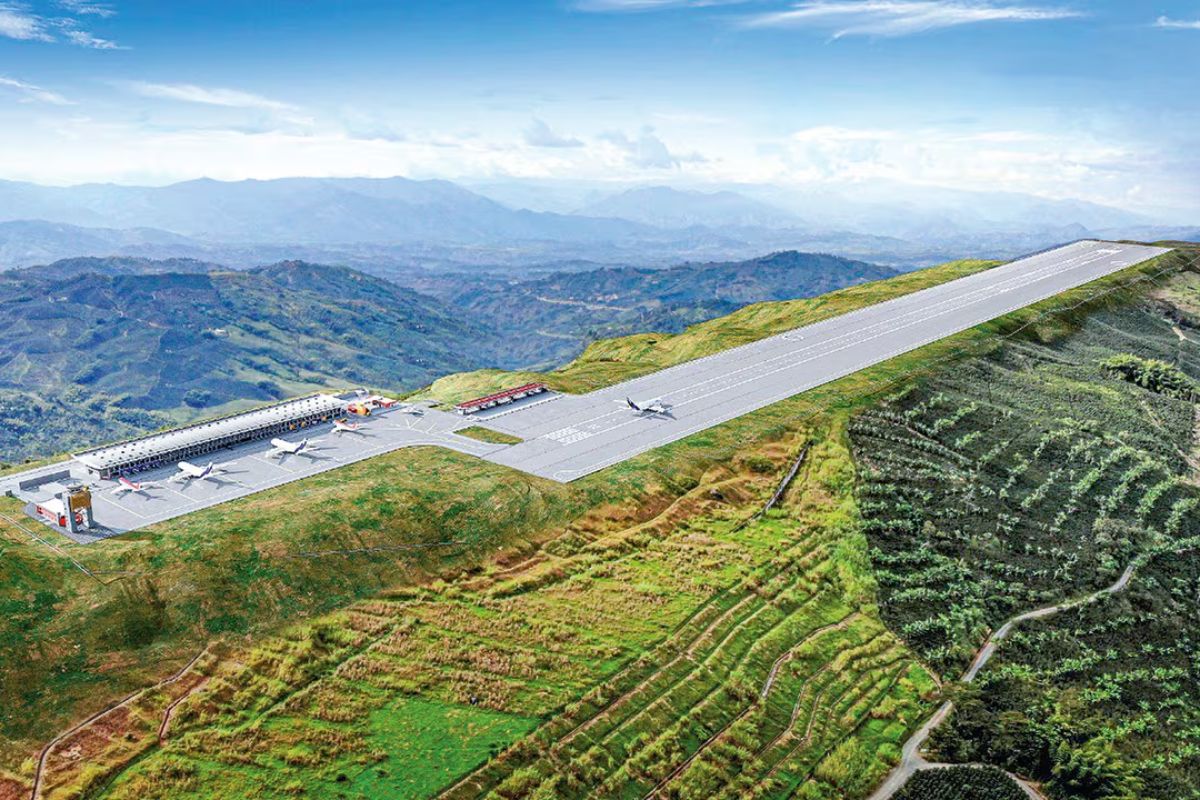
With Construction Resumed After Decades of Paralysis, The Billion-Dollar Aerocafé Airport Advances 26 Kilometers from Manizales, Promising a 1,340-Meter Runway, Day and Night Operations, and Logistics for Caldas Exports, While Residents of Palestina Report Evictions, Slow Negotiations, and Disputes Over Compensation Until the Bidding for the First Phase.
Colombia has paved the way for a billion-dollar airport in the heart of the Coffee Axis by resuming Aerocafé, a project that returns to the role of an infrastructure showcase and at the same time becomes a focal point of daily tension. Families located in the area designated for construction report displacement and uncertainty, while authorities assert that the processes comply with legislation.
The project is planned for the municipality of Palestina, in the Caldas department, about 26 kilometers from Manizales, and promises to shorten travel that currently depends on regional terminals. The official narrative combines tourism, logistics, and export competitiveness, but the conflict over compensation and resettlement has already placed the billion-dollar airport at the center of social debate in the Coffee Axis.
Where Aerocafé Fits into the Coffee Axis Map

The resumption of Aerocafé is treated by the Colombian government as a turning point for connectivity in the Coffee Axis, a region that concentrates tourist flow, services, and chains linked to coffee and other activities.
-
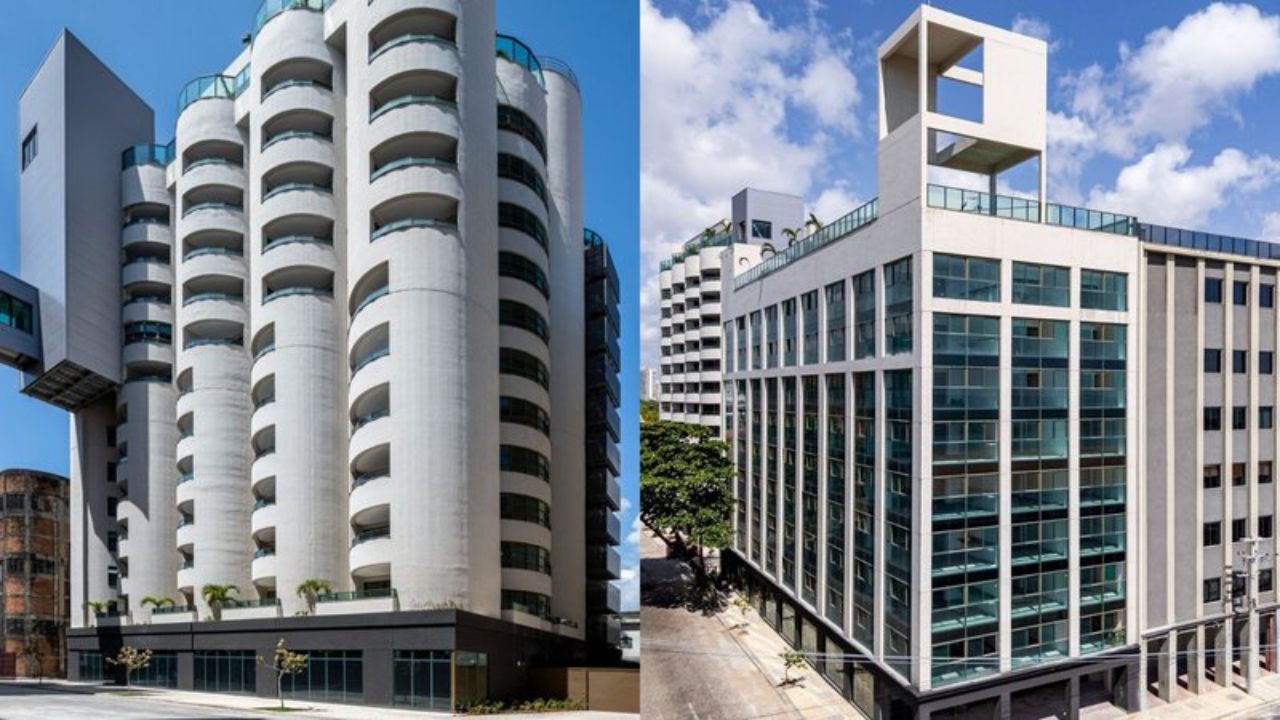
Abandoned for over a decade, century-old silos in the state of Recife have been transformed into 251 apartments with curved walls in one of the most complex retrofits ever done in Brazil.
-
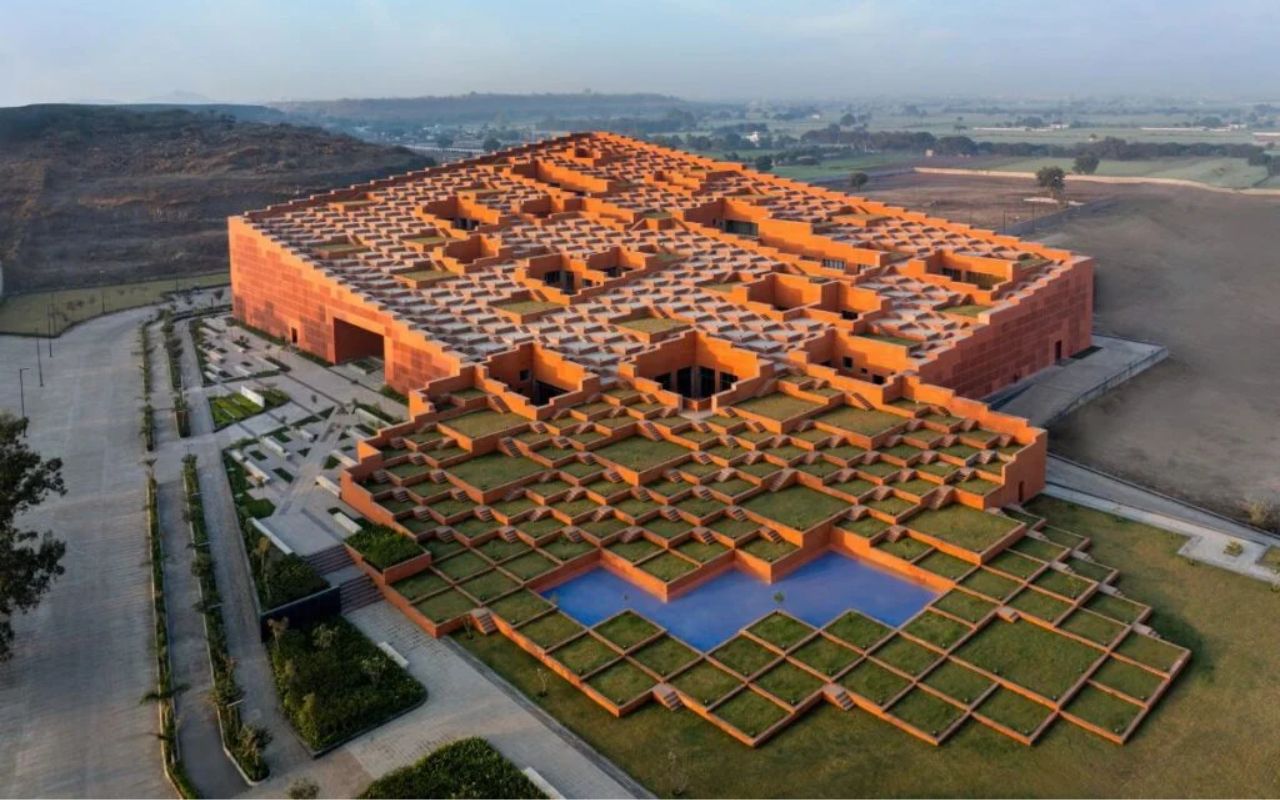
Inspired by millennia-old structures, a “differentiated” roof with 463 levels and a capacity for 9,000 people was built on top of a building in India; the tiered roof is almost a kind of giant garden of 9,000 m², reducing energy consumption and promoting interaction among students of Prestige University.
-
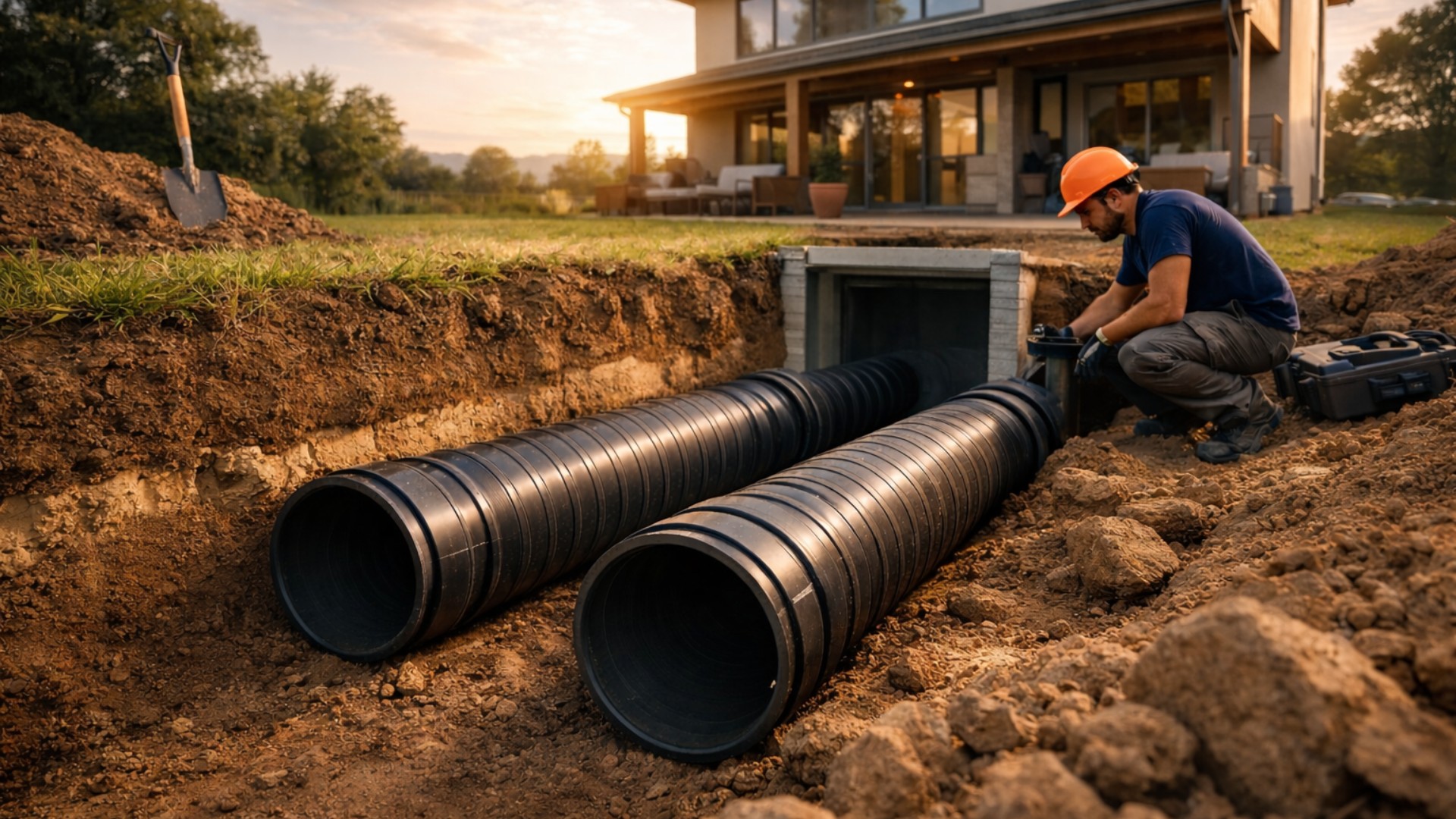
Architects are burying plastic pipes 2 meters deep and using ducts up to 30 meters long to cool homes without electricity, with low-consumption fans and natural heat exchange that drastically cuts the electricity bill.
-
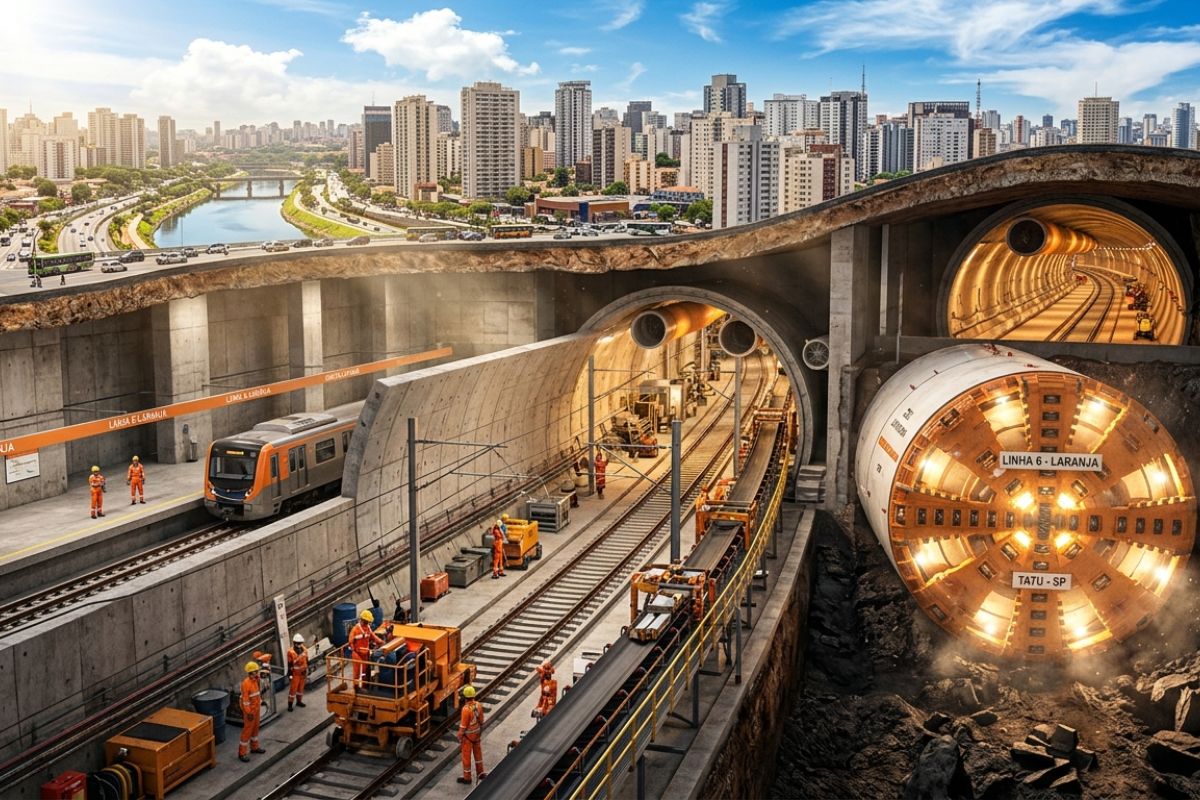
Under São Paulo, Line 6-Orange reaches 15.3 km and 15 stations, promising 23 minutes from Brasilândia to the Center and 633,000 passengers per day; with autonomous trains, it will open a partial section in October 2026.

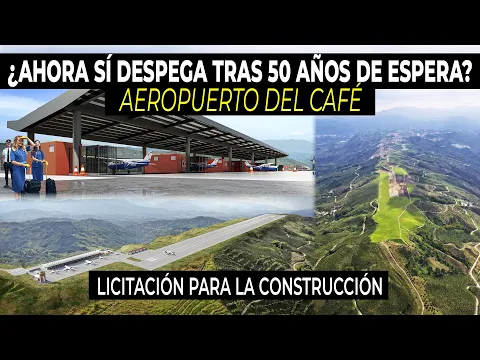
By choosing Palestina as its location, the plan attempts to create a new air entry point for Caldas, reducing dependence on longer land routes.
In practice, the billion-dollar airport operates as a marker of priority: on one side, public policies that see gains at the regional level; on the other, residents who see immediate loss at the domestic level.
The tension does not arise from asphalt, but from the clash between construction deadlines and life’s timeline, especially when negotiations for compensation proceed at a different pace from the construction site.
Bidding, Costs, and the Technical Design of the First Phase

After decades of paralysis, the resumption was announced with the bidding for the first phase of Aerocafé, with a planned investment of 828.423 billion Colombian pesos, estimated at approximately R$ 1.1 billion.
The National Planning Department (DNP) classifies the project as strategic, an argument that supports the package of promises associated with the billion-dollar airport.
In the engineering presented, the proposed runway is 1,340 meters long and 30 meters wide, with a total safety area of 1,460 meters by 80 meters.
The plan includes runway end safety areas (RESA) of 120 meters and day and night operations, with specifications to accommodate aircraft such as the ATR 72, with up to 78 passengers.
These figures define operational limits and determine possible routes, especially in the early phases of Aerocafé.
Evictions, Compensation, and the Dispute Over “How Much Is It Worth” to Stay

The advancement of the billion-dollar airport occurs over an inhabited area, and the process of removing residents has become the most politically sensitive point of Aerocafé.
Authorities state that there are legal criteria, compensation, and resettlement processes, but residents cite uncertainties about amounts, deadlines, and what happens when construction accelerates before the agreements are finalized.
The dispute over compensation, in addition to being economic, is symbolic: it involves local memory, neighborhood networks, and the feeling of belonging to the Coffee Axis.
When the project promises a future but requires immediate departure, the debate turns to dignity and predictability, not just to area or title.
In Palestina, the billion-dollar airport is already perceived as a project that reconfigures the territory before taking off.
Regional Connectivity and Comparison with Neighboring Airports
The argument of logistical efficiency appears as a central piece in the defense of Aerocafé: the goal is to reduce travel time compared to already existing terminals, such as Matecaña Airport in Pereira and El Edén in Armenia.
For Caldas and Manizales, the promise is to shorten the land route that, in many routines, weighs more than the flight itself.
This comparison also helps to explain why the billion-dollar airport ignites disputes: a new infrastructure redistributes the flow of passengers, services, and investments in the Coffee Axis.
When a terminal changes the geography of access, it changes the geography of money, and this tends to elevate interest in compensation, counterparties, and guarantees that benefits do not remain restricted to a few actors.
Jobs, Tourism, and Exports Under The Test of Reality
The government of President Gustavo Petro bets that Aerocafé will be a driver of regional growth, with an expectation of a 12% increase in tourist flow and strengthening of nature, adventure, culture, and gastronomy tourism.
The same narrative supports that the billion-dollar airport can accelerate the visibility of the Coffee Axis and expand the range of services associated with visitors.
On the production front, the promise is to elevate Caldas’ competitiveness by facilitating air transport of products such as coffee, confectionery, textiles, and appliances, which currently account for about 99% of the region’s non-mining exports.
The cited projections indicate 2,987 direct jobs during the construction phase and a ratio of 6 jobs generated for every thousand passengers served after operations begin.
The challenge is to transform projections into local income without pushing the social cost onto families discussing compensation and resettlement, because the billion-dollar airport only becomes a regional asset when its effects are manageable in Palestina.
Governance, Social Control, and Risk of Repeating Paralysis
The decades-long history of paralysis makes Aerocafé a case of public trust: bidding, schedule, oversight, and transparency about expropriations.
A billion-dollar airport born under contestation tends to face political noise, and this noise usually translates into delays, litigation, and increased administrative costs.
For the Coffee Axis, the gain in connectivity can only be sustained if there are clear rules for compensation, resettlement, and participation of residents in monitoring the project.
When construction advances without predictability for those who exit the path, the tension becomes fuel for instability, and this can compromise exactly the declared goal of attracting tourism, strengthening exports, and maintaining jobs in the territory.
The construction of Aerocafé exposes a recurring dilemma in large works: promised development in numbers and tension experienced in homes and streets.
In the Coffee Axis, the billion-dollar airport tends to be judged less by the announcement and more by how it deals with compensation, resettlement, and real access to jobs.
If you live in an area impacted by public works, what weighs more in your assessment: the promise of tourism and exports, or the assurance of quick compensation and dignified resettlement? In Palestina and the Coffee Axis, would you support Aerocafé with displacement, or would you demand a pause until all agreements are finalized?







-

-

-

-

-

35 pessoas reagiram a isso.