





 Portuguese
  English
  Spanish
  3 min of reading
  0 comments


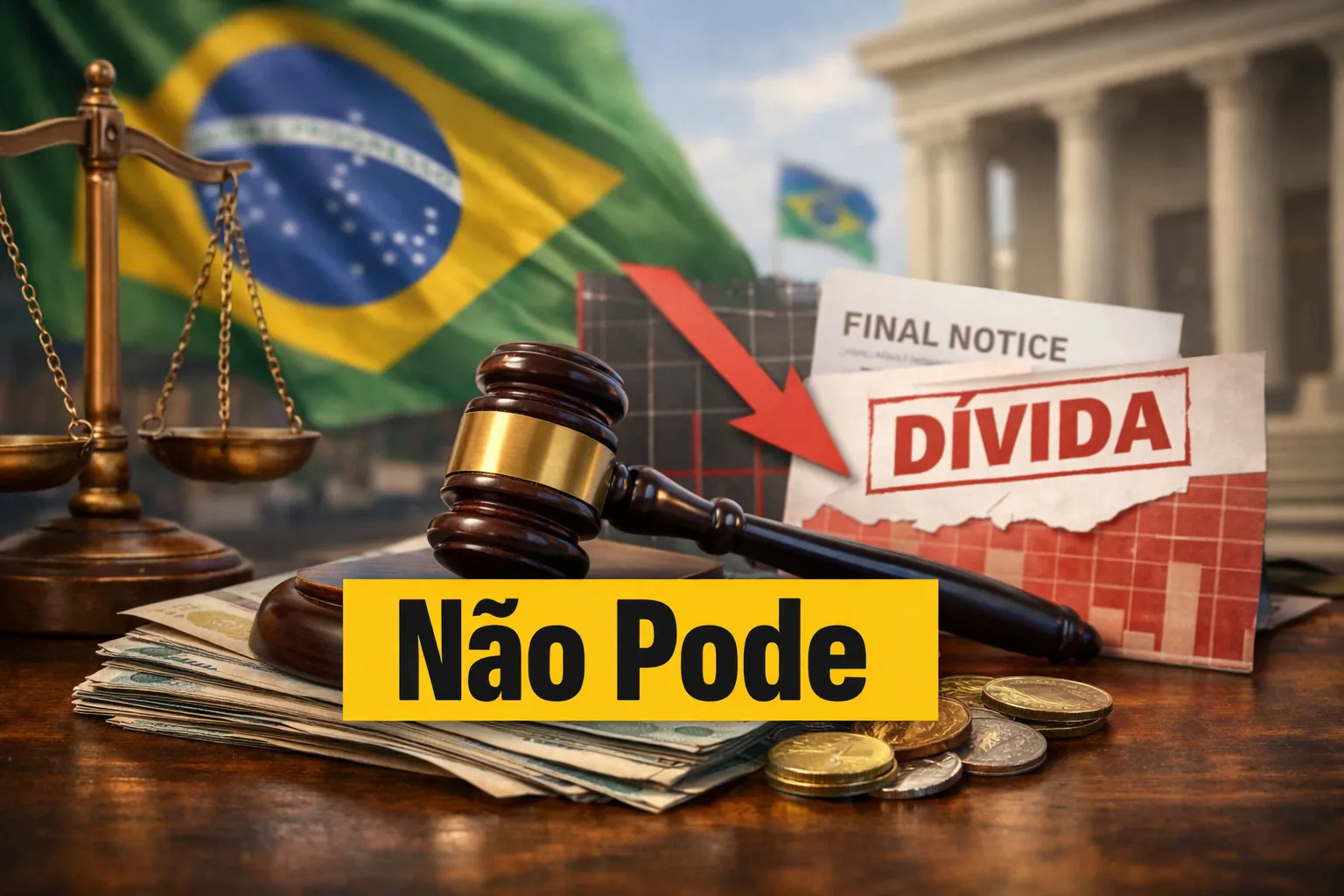
Unanimous Decision of SDI-2 of TST Removes 20% Levy on Pension in Labor Execution, Recognizing That Refund of Amounts Withdrawn Improperly Configures Civil Debt, Protected by Article 833 of CPC
The Special Section II Specialized in Individual Disputes of the Superior Labor Court removed the 20% levy on the pension of a lawyer, in a labor execution, concluding that the debt has a civil nature, a decision that redefines the limits of asset seizure.
The decision analyzed a labor execution filed by a beverage company against a logistics company, in which a monthly levy on pension benefits was determined for the refund of R$ 194.6 thousand withdrawn in 2017.
The panel concluded that, although the withdrawal of funds was deemed improper, the obligation in question does not have a food character, an indispensable requirement to authorize the seizure of salaries or pensions, as provided by procedural legislation.
-
77.2% of Brazilians support lowering the age of criminal responsibility and reinforce pressure for changes in criminal legislation in the country, a national survey indicates.

-
The law that many elderly people are still unaware of protects those aged 60 and over against abusive charges from banks, guarantees debt renegotiation, and prevents loans and credit cards from consuming their entire retirement pension.

-
Portugal approves Nationality Law: Brazilians from CPLP will have to live for 7 years to obtain citizenship (waiting for title does not count), rules tighten for children born in the country, Sephardim are excluded, and it awaits a decision from President António José Seguro.

-
Your neighbor is undergoing construction and debris has fallen on your property? This could lead to compensation and make the owner, responsible party, and construction company pay for the damages.


Judicial Withdrawal and Allegation of Material Error in Labor Court
In 2017, the lawyer from the logistics company withdrew R$ 194.6 thousand through a judicial order issued by the 9th Labor Court of Salvador, an amount later questioned by the subsidiary responsible in the proceedings.
According to the subsidiary responsible, there was a material error in the authorization of the withdrawal of funds, which is why it requested that the amount be released in its favor, claiming a mistake in the allocation of the amount.
In light of the request, the Labor Court ordered the blocking of financial assets, included the lawyer’s name in delinquent registries, and set a monthly levy on part of the pension to ensure the refund.
Writ of Security and Discussion on Appropriate Processual Route
Dissatisfied with the measures, the lawyer filed a writ of security, arguing that he lacked technical knowledge to determine whether the amounts truly belonged to the involved logistics company.
He stated that the beverage company had imposed several blocks on invoices from the contractor for the payment of labor lawsuits, which would justify believing that the deposit had been made for payment or security of the process.
The lawyer also declared his intention to reimburse the amount to whom it may concern, even if in installments, an argument presented to dismiss the need for immediate constraining measures on his pension.
The Regional Labor Court of the 5th Region dismissed the writ of security, understanding that there exists a proper appeal, such as an appeal petition or incidental precautionary action, to question the Labor Court’s decision.
Understanding of TST About Immediate Risk and Nature of Debt
When analyzing the appeal, Minister Maria Helena Mallmann, rapporteur at SDI-2 of TST, emphasized that Jurisprudential Orientation 92 of SDI-2 and Precedent 267 of the Federal Supreme Court remove the writ of security when there is a specific appeal.
The rapporteur noted, however, that the measure may be admitted in exceptional situations, when immediate risk of serious injury is demonstrated, a circumstance recognized in the concrete case due to the levy on income.
The Minister emphasized that Article 833, Section IV, of the Code of Civil Procedure protects salaries and pensions from seizure, except when the debt has a food nature, which was not verified in the analyzed execution.
“Regardless of the reasons why the lawyer withdrew amounts that were not due to him, it is certain that the executed funds do not have a food character,” stated Maria Helena Mallmann, according to the Superior Labor Court.
The decision of SDI-2 was unanimous and definitively removed the levy on the pension, ending the controversy regarding the possibility of seizing income in case 1291-45.2018.5.05.0000.










-

-

-

6 pessoas reagiram a isso.