





 Portuguese
  English
  Spanish
 4 min of reading
  0 comments


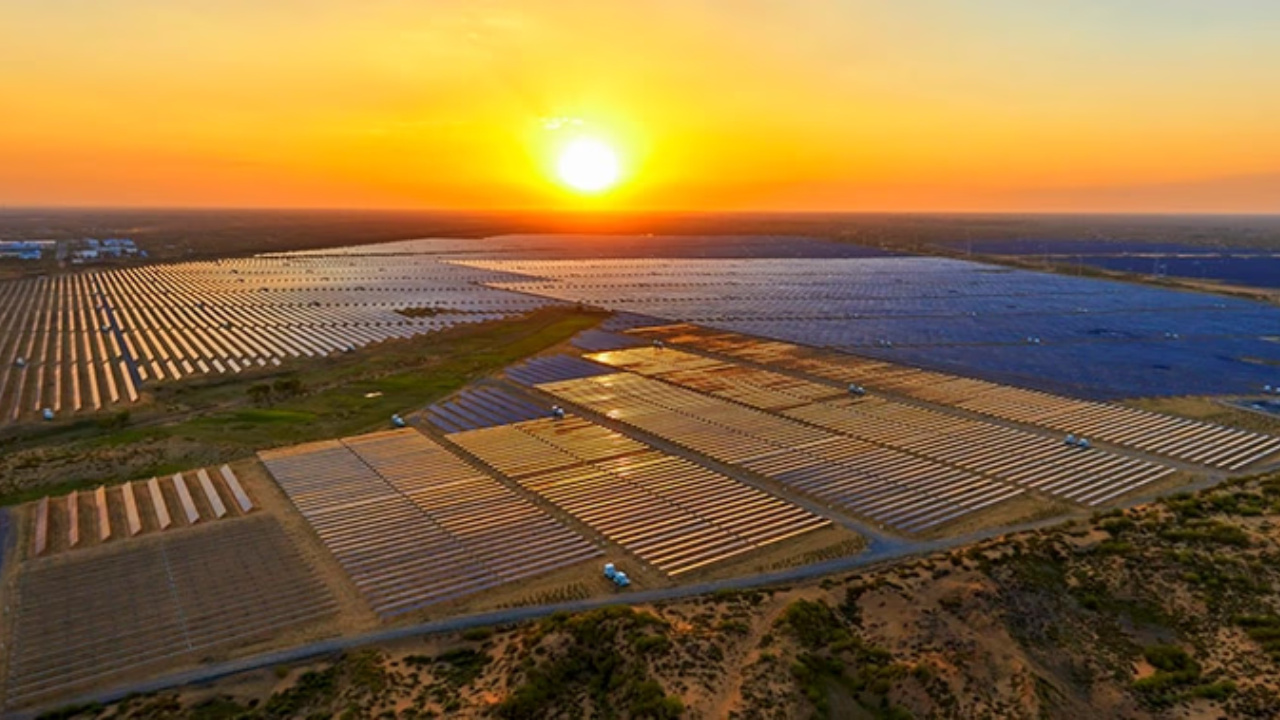
With National Leadership in Solar and Wind Energy, Rio Grande do Norte Faces the Challenge of Transforming Its Energy Base into Jobs, Income, and Innovation, Says World Bank Report.
On the brink of a new economic cycle, Rio Grande do Norte appears in a strategic position in the national renewable energy scenario. The state, which has established itself as a reference in wind generation and is consistently advancing in solar energy, sees its opportunities and dilemmas laid out in the report “Routes for the Northeast: Productivity, Jobs, and Inclusion,” prepared by the World Bank.
First of all, the study draws attention to a recurring contradiction. Despite being a leader in clean energy production, economic and social gains have yet to keep pace. In other words, generating renewable electricity on a large scale has not been enough to structurally drive income growth and the creation of skilled jobs.
Young Northeast, Clean Matrix and Potiguar Leadership
According to the World Bank, the Northeast has one of the youngest populations in Brazil. About 80% of its inhabitants are of working age. At the same time, the region accounts for 91% of wind generation and approximately 42% of solar energy produced in the country.
-
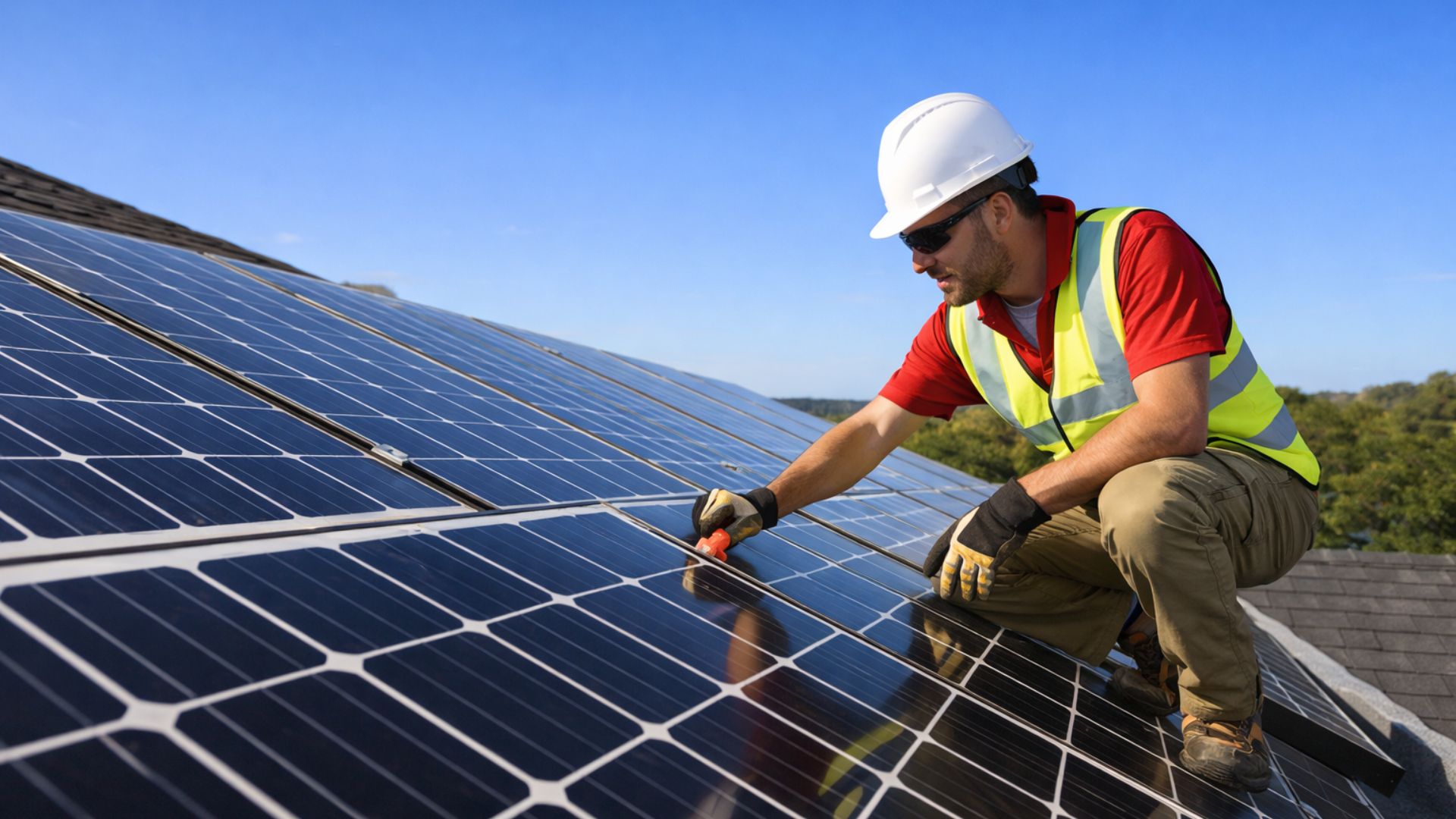
Seagri’s headquarters invests in solar energy with Neoenergia Coelba and promises to cut electricity costs, highlighting a strategic advance in sustainability and energy efficiency within state public administration.
-
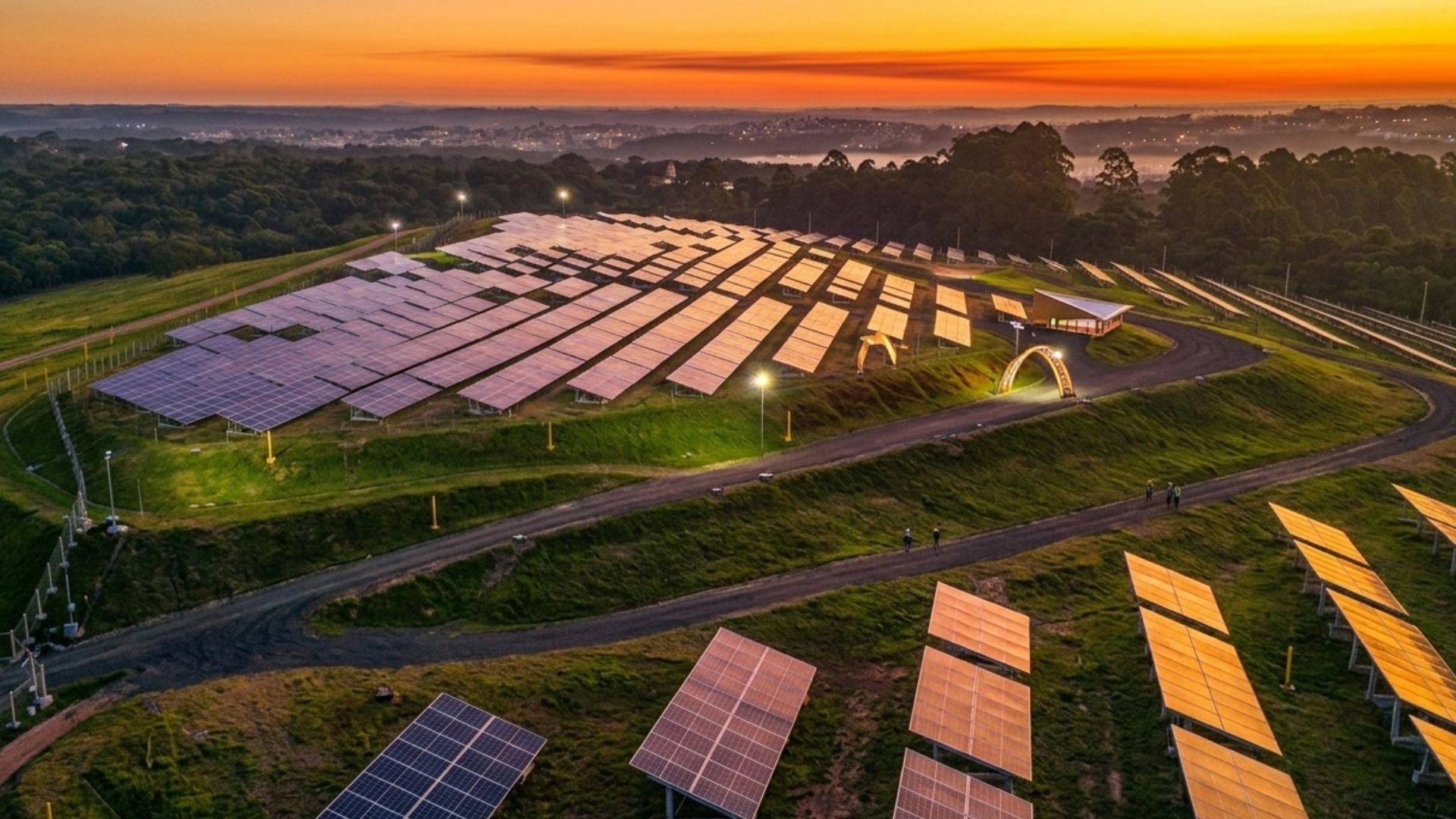
Solar Pyramid draws attention by converting solar energy into million-dollar savings and repositioning the City Hall of Curitiba as an example of innovation, sustainability, and intelligent use of public resources.
-
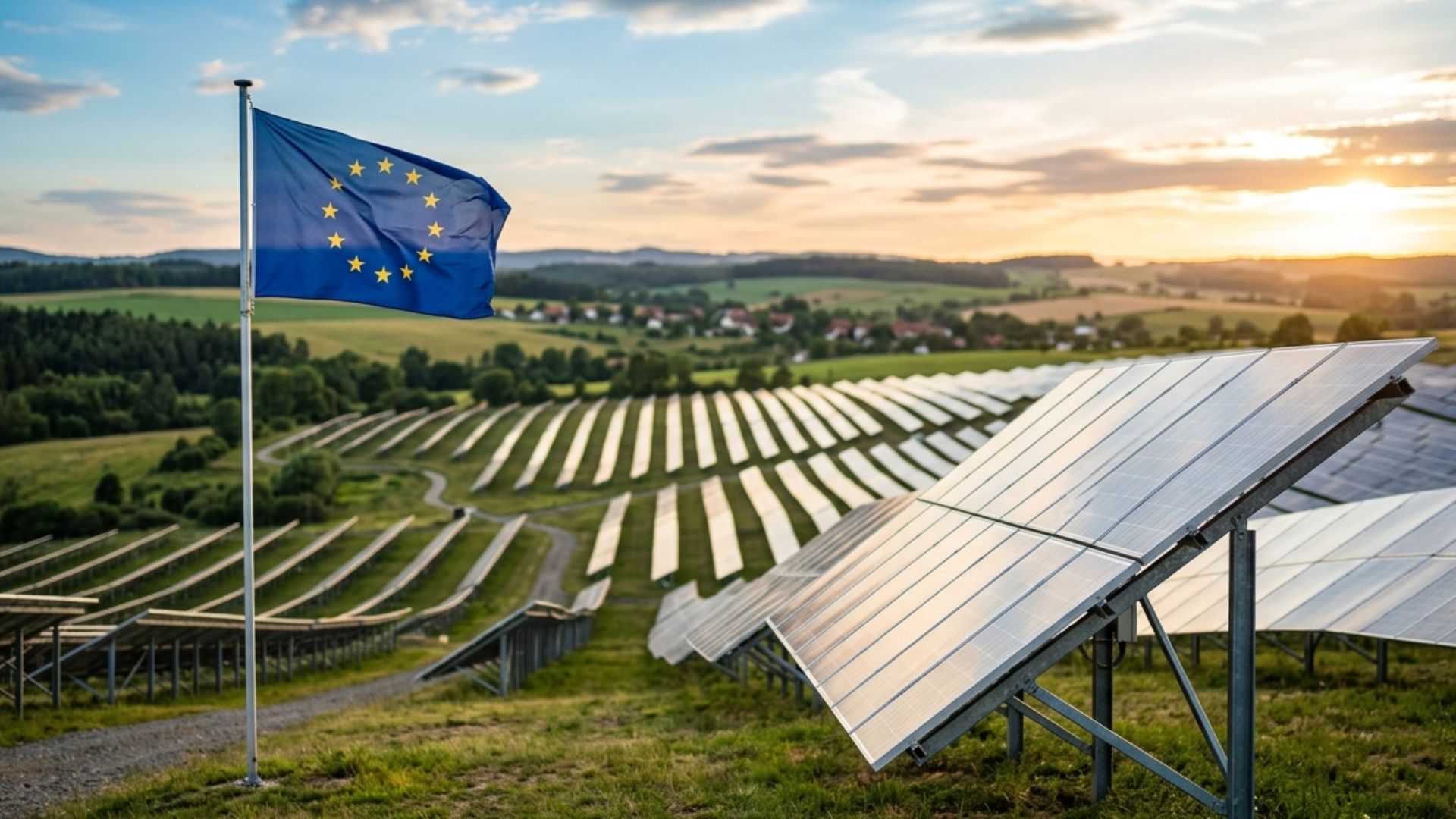
Europe records strong euro economy with solar energy in March and sparks curiosity about which country leads growth that redefines the energy market and reduces costs.
-
Piauí reaches a historic milestone in energy transition: State records nearly 160,000 households powered by solar energy and leads growth in the Northeast.
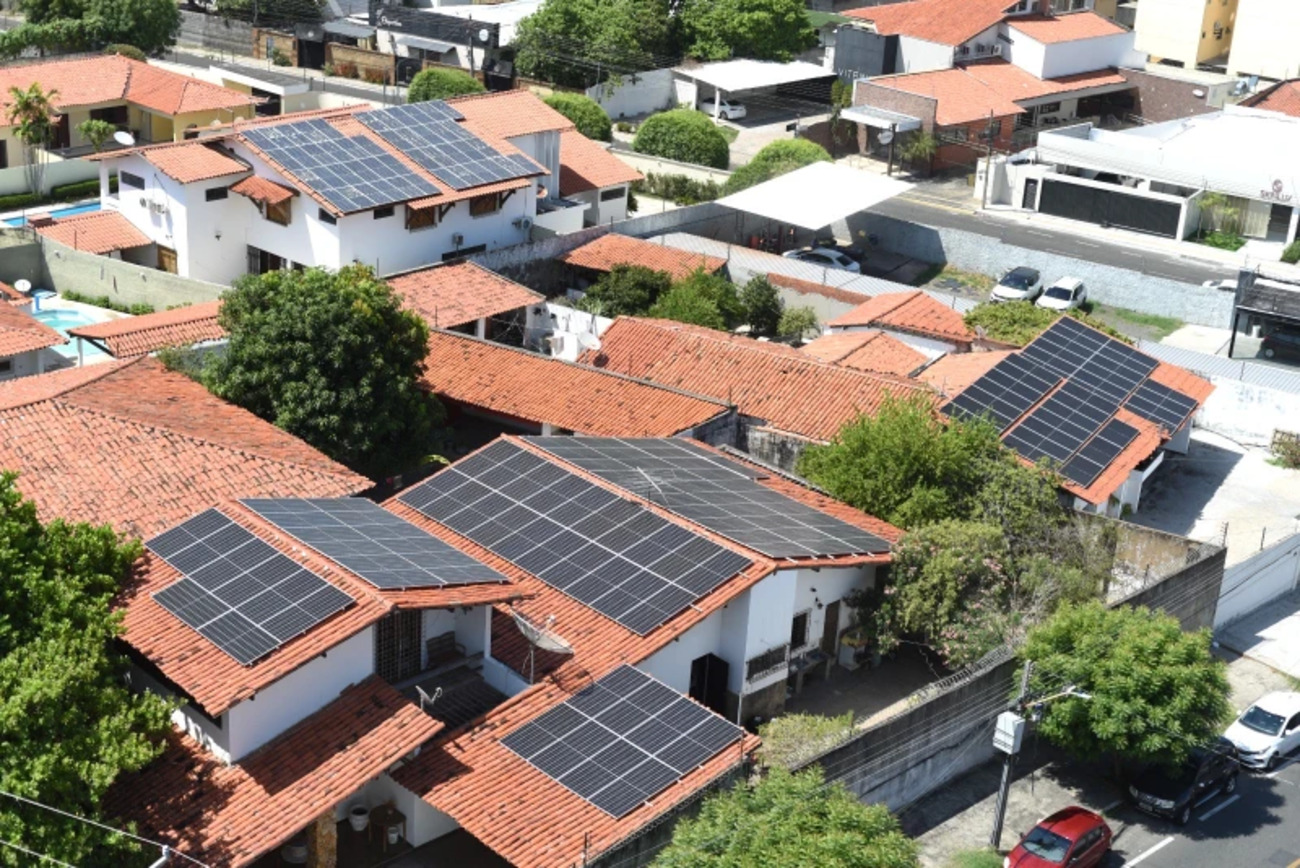
In this context, Rio Grande do Norte plays a central role. The state is home to dozens of wind farms, rapidly increasing its capacity in solar energy, and participates in strategic discussions about new frontiers, such as green hydrogen. This combination of natural resources and human capital creates a rare competitive advantage.
However, the report highlights that this energy leadership has yet to fully convert into a robust industrial ecosystem or productive chains capable of absorbing skilled labor on a large scale.
Producing Solar Energy is Not Enough: The Challenge Lies in Economic Transformation
One of the most emphatic points of the study is the idea that simply producing clean energy does not guarantee development. The real challenge lies in transforming solar energy and other renewable sources into platforms for innovation, productivity, and social inclusion.
This necessarily involves the creation of local productive links. Industries, technological services, applied research, and vocational training need to move forward together. In this scenario, knowledge emerges as a strategic asset.
The report emphasizes the importance of institutions such as the SENAI Institute of Innovation in Renewable Energies (ISI-ER), based in the state. The center operates at the frontier of research and technological development. However, the challenge remains in scaling these initiatives in an environment still marked by structural obstacles.
Infrastructure and Legal Security Come into Focus
In addition to the energy base, infrastructure appears as a decisive axis. Without efficient logistics, adequate digital connectivity, sanitation, and quality urban services, competitiveness is compromised. For a state with fiscal limitations, the World Bank points out that public-private partnerships and concessions no longer serve as alternatives but become central instruments.
However, these partnerships require institutional stability, regulatory predictability, and swift decisions. Administrative sluggishness, coupled with legal insecurity, tends to drive away investors, even in promising sectors like solar energy.
The report also notes that frequent changes in political direction and the lack of alignment among municipal, state, and federal governments create an uncertain environment. This institutional noise carries a high cost for productive investment.
Tax Incentives, Credit, and State Efficiency
Another sensitive point addressed by the study is the investment attraction model based on tax incentives. According to the World Bank, excessive reliance on subsidies can reduce productivity and discourage innovation in the medium term.
With tax reform under discussion, the report suggests that future policies be more transparent and guided by economic efficiency. Instead of broad tax exemptions, the focus should be on clear regulatory environments, easier access to credit, and reduced bureaucracy.
In this sense, solar energy emerges not just as an electrical source, but as a vector for a new development logic. However, for this to happen, the state needs to be more efficient, predictable, and committed to stable rules.
Between Potential and Political Decision
The World Bank synthesizes the scenario directly. Rio Grande do Norte has abundant sun, constant winds, and a young population. Still, transforming this potential into real development depends on political choices, institutional coordination, and dialogue with the productive sector.
Meanwhile, solar energy continues to advance, increasing its share in the electrical matrix and reinforcing the state’s role on the Brazilian energy map. The challenge now is to ensure that this leadership also translates into innovation, quality jobs, and sustainable growth.






Seja o primeiro a reagir!