





 Portuguese
  English
  Spanish
  4 min of reading
  1 comment


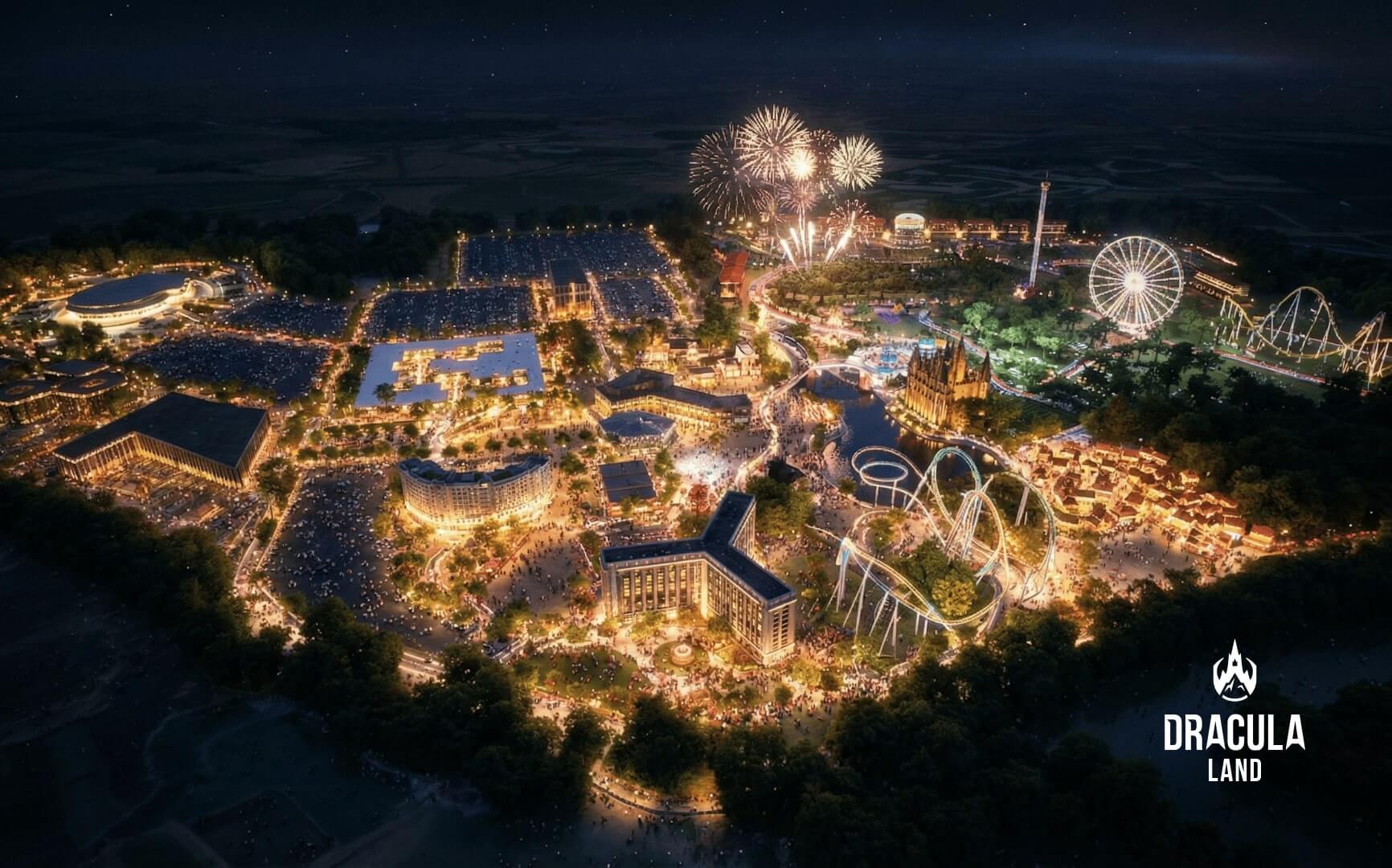


DraculaLand in Romania Plans 160 Hectares, Over 780 Thousand m² of Theme Park and Investment of US$ 1 Billion to Create a Mega-Tourism Complex Inspired by Dracula.
Romania has decided to transform one of its most well-known cultural symbols into an unprecedented physical and economic scale project in the country. DraculaLand emerges as a planned mega-tourism complex aimed at repositioning the Transylvania region — historically associated with the Dracula myth — as an international hub for entertainment, events, and themed tourism.
With an estimated investment of around US$ 1 billion, the project is designed to go far beyond a traditional amusement park. The proposal involves creating a permanent infrastructure capable of operating as a complete tourist district, attracting visitors year-round.
160 Hectares Dedicated to Entertainment, Culture, and Hospitality
The urban plan for DraculaLand envisions a total area of approximately 160 hectares, equivalent to 1.6 million square meters. This size places the project in the category of large European tourist complexes, comparable to benchmark theme parks when considered alongside hotels, arenas, and event centers.
-
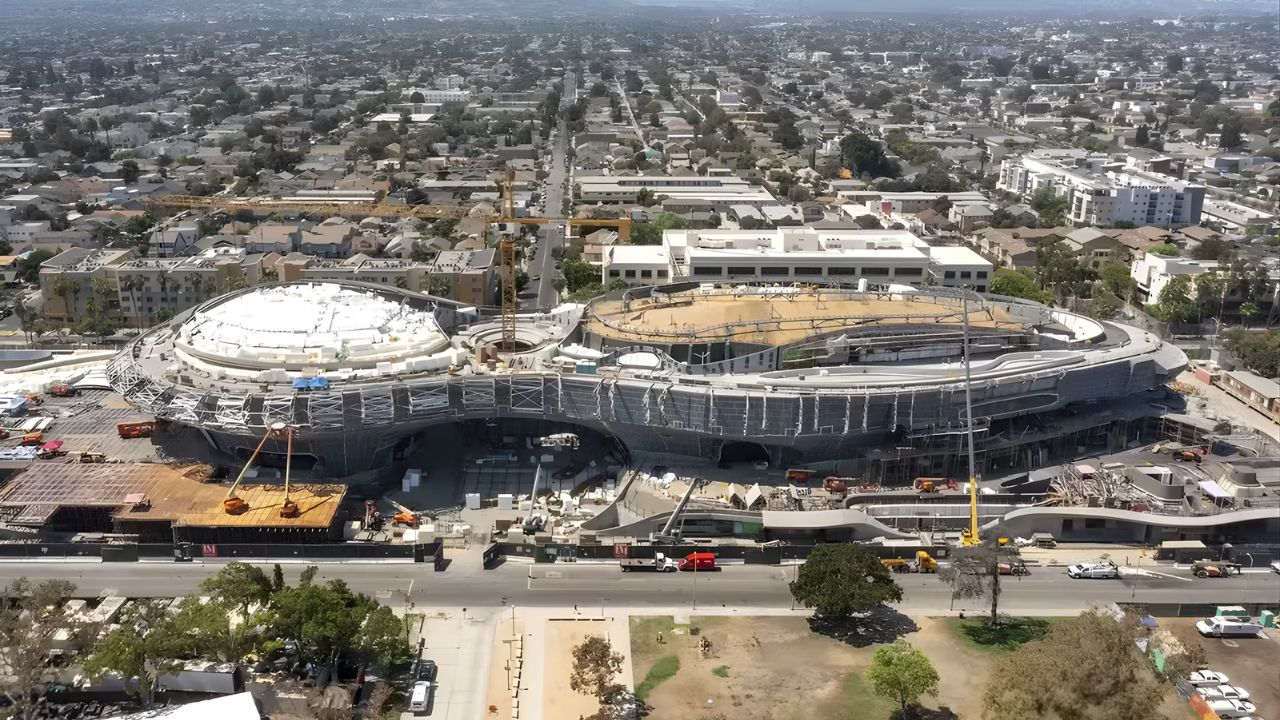
Created by George Lucas with over $1 billion, a futuristic museum in the shape of a spaceship with 1,500 curved panels is about to open in Los Angeles and will house one of the largest private collections of narrative art in the world.
-
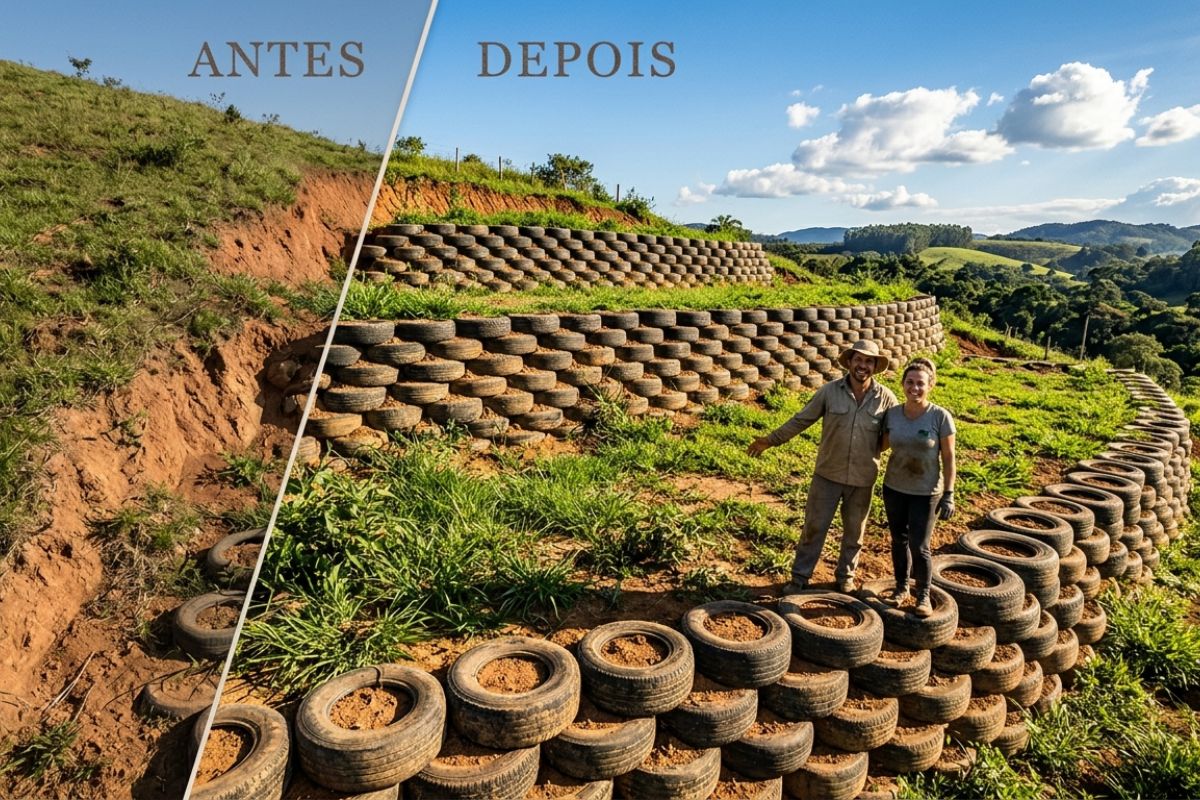
Couple shows how they built a retaining wall on their property using 400 old tires: sloped land turned into plateaus, tires are aligned, filled, and compacted with layers of soil, with grass helping in support and at almost zero cost.
-
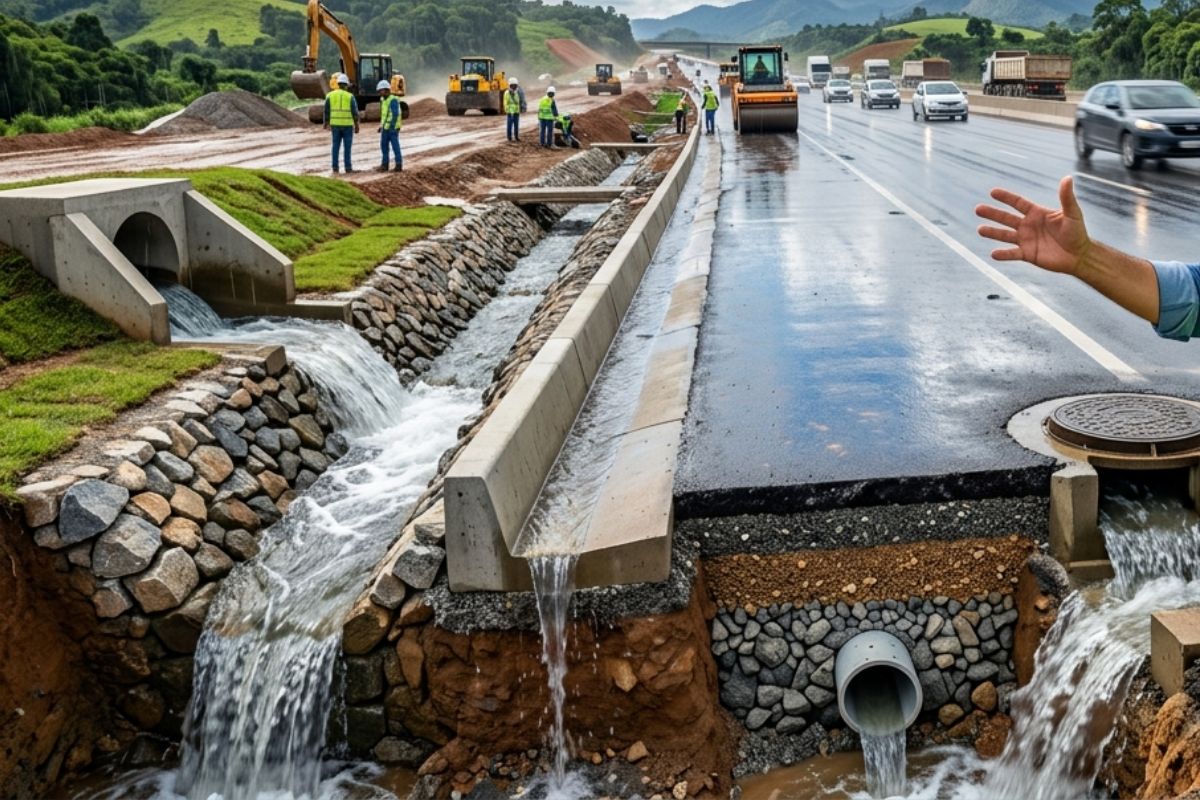
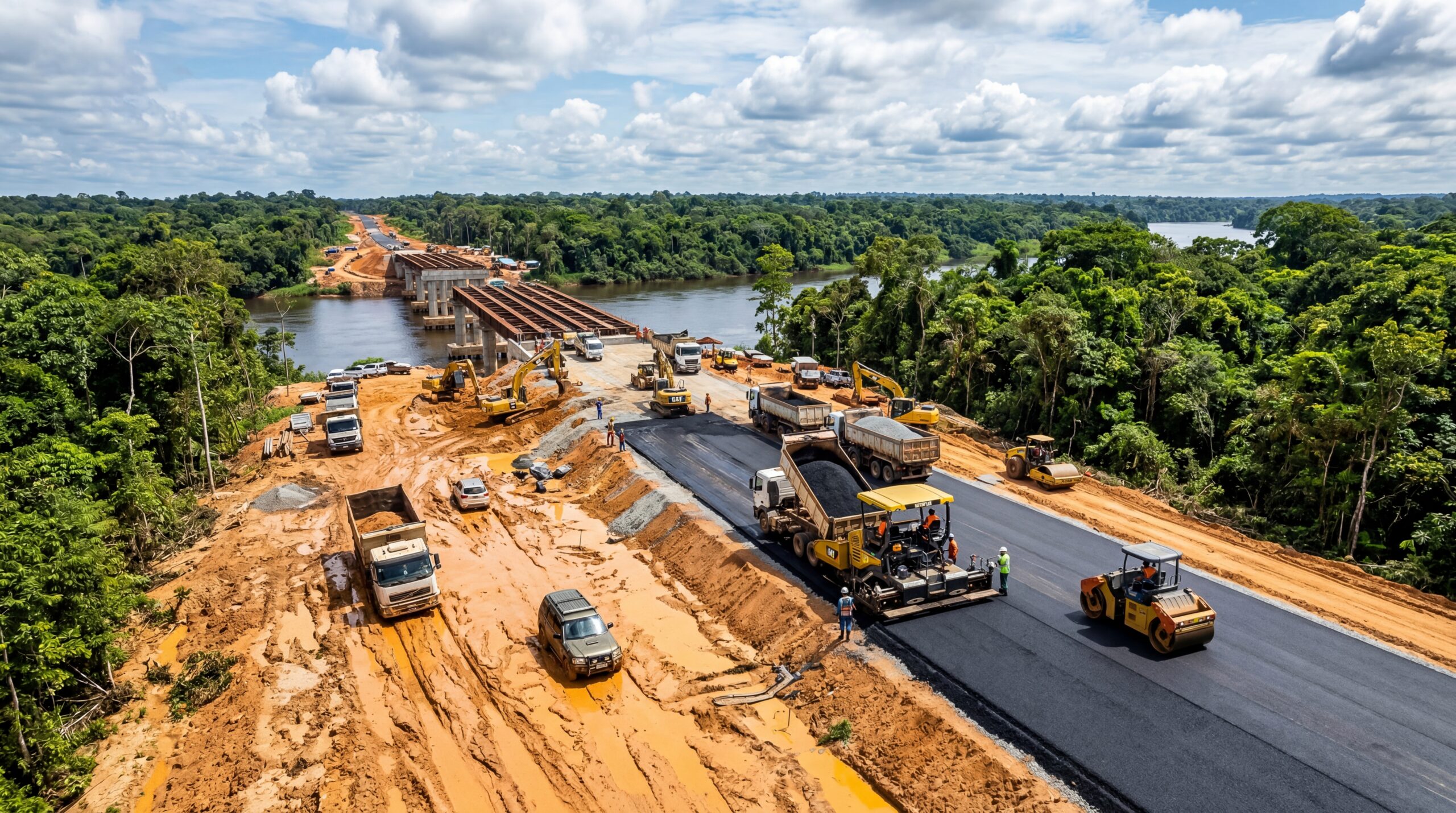
Engineer explains drainage during the rainy season: the difference between surface water and deep water, ditches, gutters, and water outlets on the road, as well as drains and drainage mattresses, to prevent erosion, aquaplaning, and flooding at the construction site today.
-
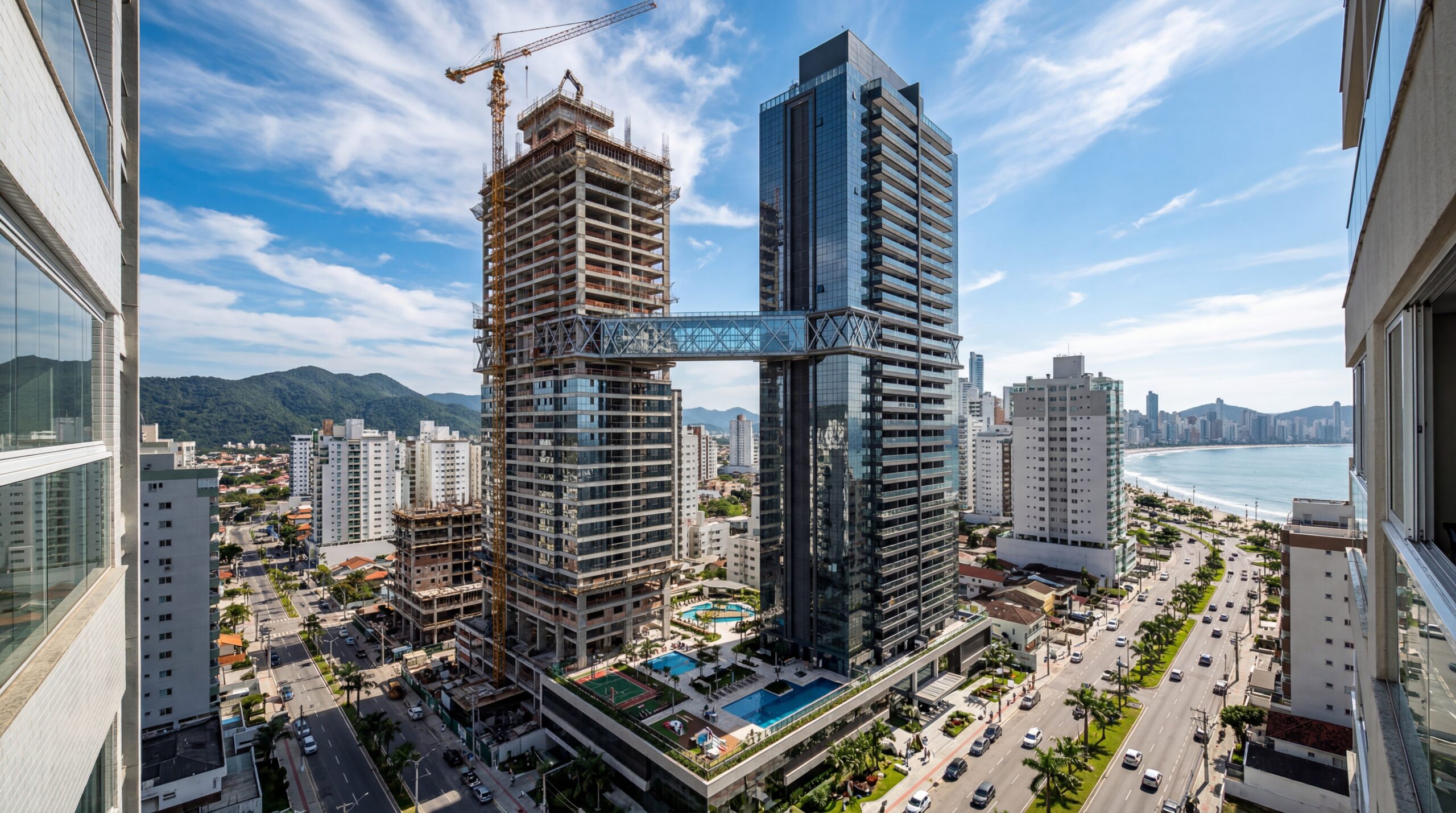
With 55 floors, 177 meters in height, a 15-meter walkway between the twin towers, ventilated facade, and 6,300 m² of leisure space, Ápice Towers already has one tower completed and another nearly at the top.

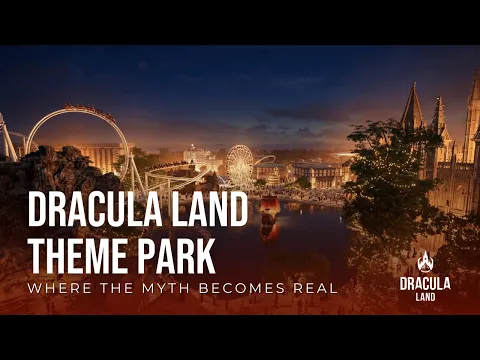

Within this territory, the main theme park will occupy over 780 thousand square meters, concentrating immersive attractions, themed zones, scenic areas, live shows, and interactive experiences based on the world of Dracula and Transylvanian folklore.
A Theme Park That Functions as a City of Leisure
The ambition of DraculaLand is to operate as a city of entertainment, not just as a one-off attraction. The project includes integrated hotels, convention centers, multipurpose arenas, commercial areas, themed restaurants, and cultural spaces, all connected by its own circulation, service, and security infrastructure.
This approach reduces the dependence on isolated attractions and increases the average length of visitor stays, enhancing the local economic impact. The model follows the logic of large integrated resorts, where accommodation, leisure, and consumption happen within the same territory.
Engineering and Planning for Large Visitor Flows
The scale of the project demands technical solutions compatible with massive tourist flows. Dedicated road access systems, large-capacity parking lots, internal transportation networks, and operational support areas for large-scale events are planned.
Furthermore, the park is designed to support continuous operations, with covered areas and structures capable of functioning even in adverse weather conditions — a relevant factor in ensuring operation outside the high tourist season.
An Economic Engine for the Transylvania Region
DraculaLand has been presented as a regional development anchor, with the potential to generate thousands of direct and indirect jobs during the construction and operational phases. The expectation is that the complex will stimulate parallel investments in hotels, services, transportation, and commerce in the surrounding cities.
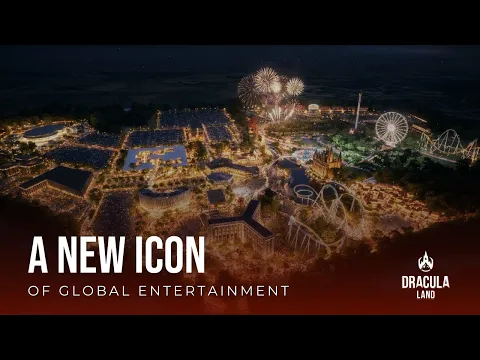
By transforming a literary myth into large-scale physical infrastructure, Romania aims to capture part of the global tourism that already associates the country with the figure of Dracula, but which is currently dispersed without a structured attraction hub.
Culture, Territorial Marketing, and Competition for European Tourism
More than just a park, DraculaLand operates as a territorial marketing strategy. The idea is to consolidate Romania as a recognized international themed tourist destination, competing with other entertainment hubs in Eastern and Central Europe.
The project also explores the potential of cultural events, festivals, conventions, and performances, expanding its use beyond family audiences and diversifying revenue sources.
An Ambitious Project That Still Faces Challenges
Despite its grandeur, DraculaLand also faces typical challenges of billion-dollar projects: full fundraising, environmental licensing, access infrastructure, and long-term economic viability. Over the years, the project has undergone adjustments, site revisions, and timeline changes.
Nonetheless, its technical design and planned scale demonstrate how Romania intends to transform a cultural symbol into permanent tourist infrastructure with measurable economic impact.
When the Myth Becomes Concrete, Steel, and Square Meters
With 160 hectares of area, over 780 thousand m² of theme park, and US$ 1 billion in estimated investment, DraculaLand stands out as one of the boldest initiatives ever proposed in the entertainment sector in Eastern Europe.
Regardless of the execution pace, the project has already entered the global radar as an example of how folklore, engineering, and economy can combine to create megaprojects capable of reshaping the map of international tourism.





Ja quero ir