





 Portuguese
  English
  Spanish
  2 min of reading
  2 comments


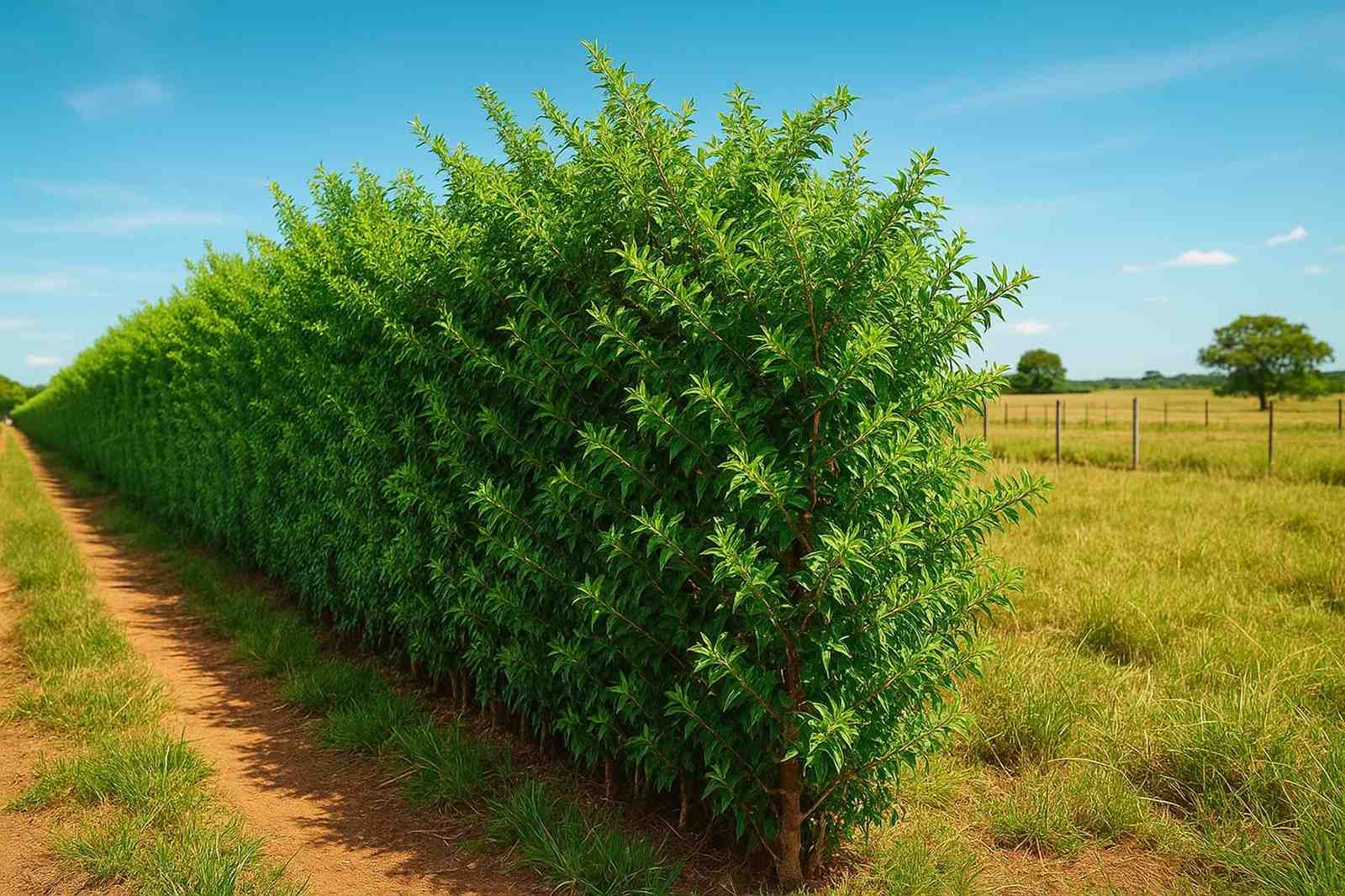


Lemon Tree Hedge Forms Dense And Natural Barrier Along The Property, Ensuring Complete Protection And Significant Reduction In Construction Costs
A story shared by the Davi Moura Channel describes the enclosure of a property with a lemon tree hedge. According to the author, the area was fenced for R$ 600, without the use of bricks or cement, forming a natural wall instead of the traditional masonry structure.
The plant used is called lemon tree. It grows quickly, withstands drought and heat, and forms large, sharp thorns, which are pointed out as protection for the house. In approximately two years, the plantation reaches the shape described as a closed, dense natural wall.
To achieve this result, the seedlings are planted every 20 cm. The author claims that the cow does not eat the lemon tree, the horse does not cross the barrier, and the vegetation still muffles external sound. Another effect mentioned is the cutting of strong winds around the fenced area.
-
The project that was supposed to be ready for the 2014 World Cup in Brazil debuted with a 12-year delay and nearly R$ 6 billion invested: the Line 17-Gold of the São Paulo monorail opened with reduced hours and is only expected to operate fully in October.

-
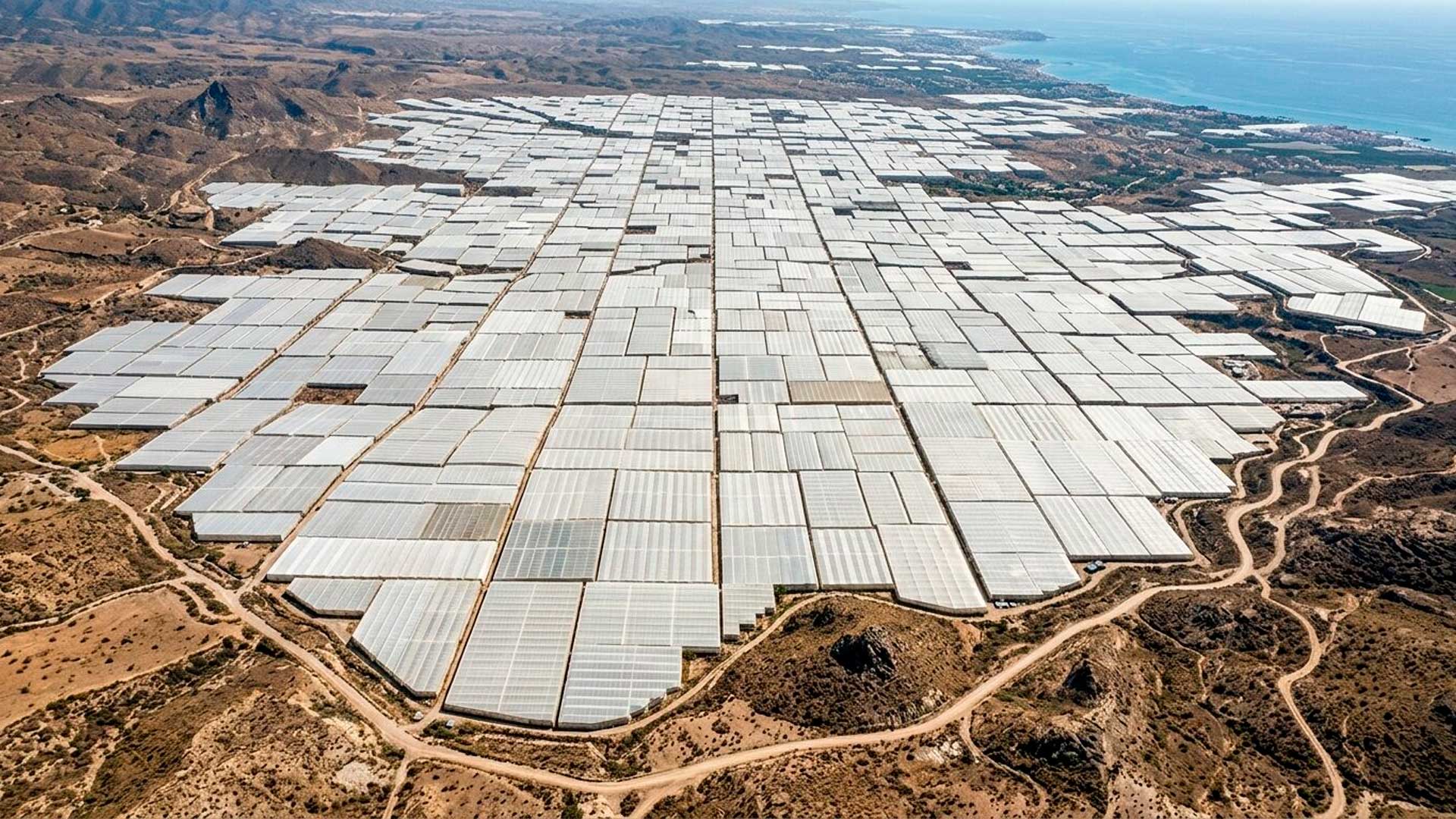
Neither the Pyramids nor the Great Wall of China, this gigantic construction in Spain is the human mark on planet Earth that intrigues the most when seen in images from space.
-
Surrounded by cliffs, mist, and chilling stories, the ancient Hotel del Salto has been reborn as a museum while still unable to shake off its reputation as a haunted place.

-
This star-shaped fortified construction, hidden near the border of Spain, may be the largest fortress on the planet.


Costs, Experience at The Farm, And Sale of Seedlings
Davi reports that he planted the hedge almost four years ago on the farm. Then, with the addition of a new piece of land, he decided to repeat the choice. He states that he will enclose 60 m for R$ 600, maintaining the same system.
In the comparison presented, a masonry wall in the same section would cost between R$ 10,000 and R$ 12,000 with labor.
The planting is described as simple: first, barbed wire was put up to protect against trampling, and then the seedlings were placed along the alignment. The recorded expectation is that, in a few years, the entire stretch will be completely closed off by vegetation.
The story ends with a direct question about the adoption of the technique on other properties and with the offer of seedlings.








Podemos fazer e beber limonada, tb?
Olá estou muito interessada na planta “limãozinho Verde” É o meu sonho de consumo,ter minha cerca viva na minha propriedade,gostaria muito de saber como é onde obter ,a referida planta !
Grata!