





 Portuguese
  English
  Spanish
  5 min of reading
  0 comments


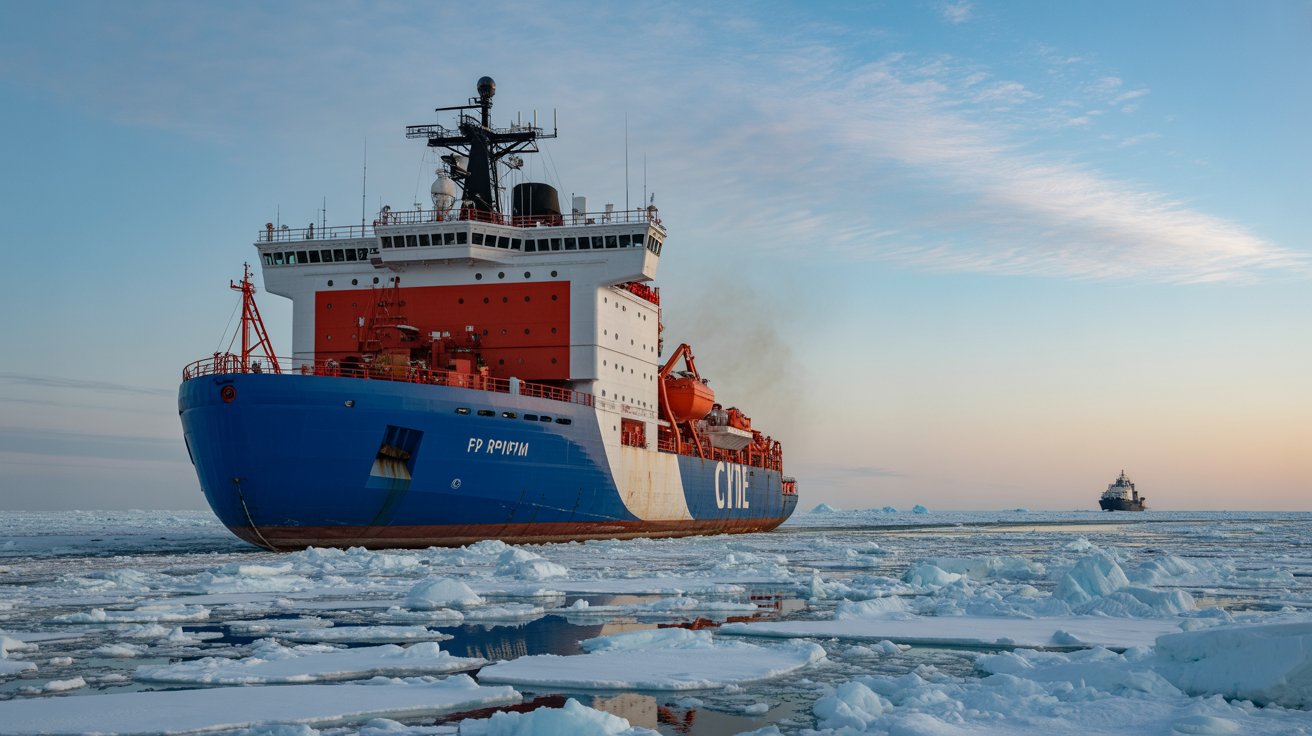
Incredible Engineering Behind The Nuclear Ship That Challenges The Arctic, Breaking Impenetrable Ice And Keeping Routes Open In Extreme Cold And Isolation Conditions With Unique Technology Redefining The Future Of Global Polar Navigation.
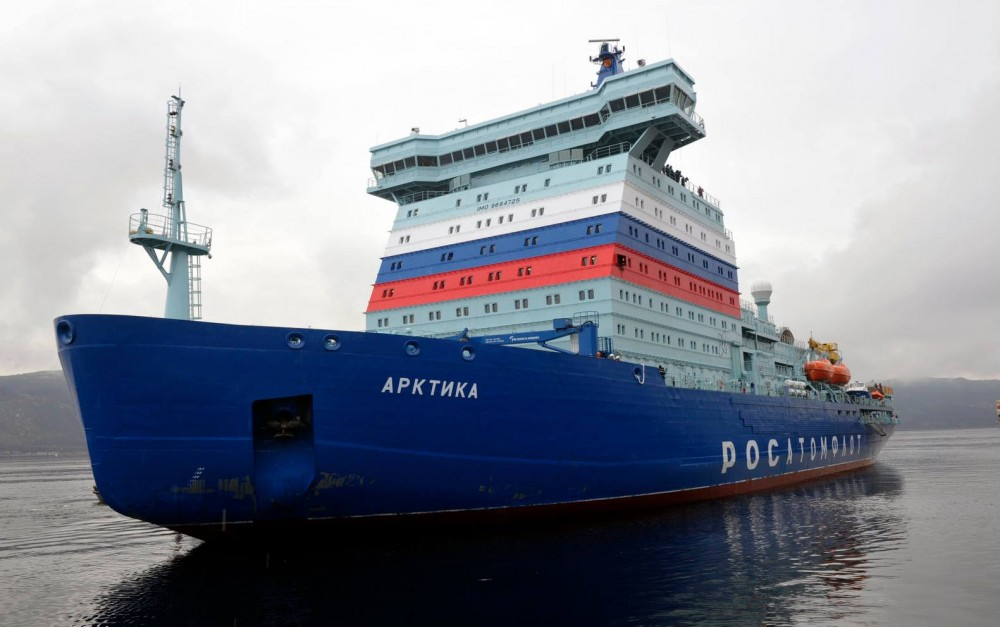
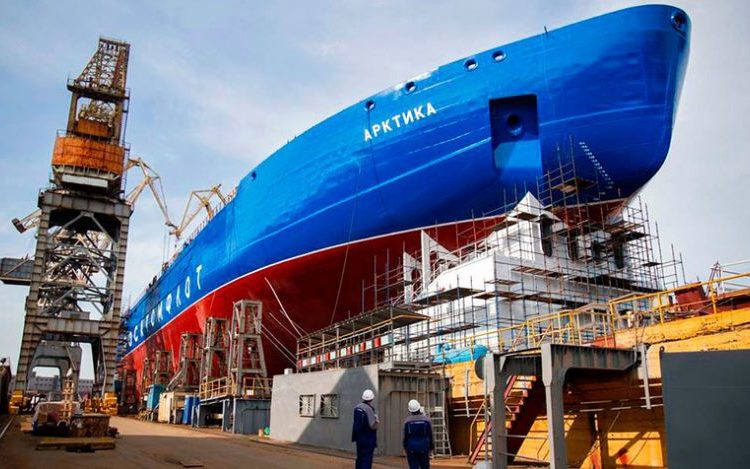
In the far north of the planet, where the sea transforms into a massive layer of solid ice during winter, the Russian nuclear icebreaker “Arktika” stands out as one of the most powerful and advanced machines in the world.
This vessel is capable of breaking ice blocks up to 3 meters thick, opening and maintaining essential maritime routes for transportation, exploration, and strategic presence in the Arctic — a region that records extreme temperatures and extremely adverse natural conditions.
Inaugurated in 2020, the “Arktika” is the largest nuclear icebreaker currently in operation, and its construction represents the maximum evolution of naval engineering in polar environments.
-
The oceans are darkening all over the planet – what is happening?

-
The village where two rivers run side by side without mixing in Santarém and Alter do Chão reveals some of the most beautiful freshwater beaches on the planet.

-
An engineer designs a solar plane to fly on Mars at an altitude of 1,000 meters and a speed of 300 km/h, covering 16,000 kilometers in a Martian year, 900 times the distance traveled by the Ingenuity helicopter in three years on the planet before experiencing a rotor failure, and NASA is already funding the feasibility study.
-
A new phenomenon of contactless magnetic friction intrigues scientists and questions a theory that has been valid since the 17th century.


Equipped with two nuclear reactors, it produces enough energy to maintain continuous operations for long periods, without the need for refueling, ensuring unique autonomy amid the ice.
The ship’s hull, made of special reinforced steel, is designed to withstand immense pressures and the constant impact with frozen blocks, while its unique design allows it to distribute the weight of the vessel to crush the ice beneath its bow.
Technology And Operation Of The Arktika
The Arctic Ocean, during winter, is covered by a thick layer of ice that can reach an impressive 3 meters in thickness, blocking practically all traditional navigation.
The function of the “Arktika” is precisely to pave the way in these conditions, maintaining navigable channels for other commercial, scientific, and military vessels, allowing trade and logistical operations in the region to continue even in the most extreme conditions.
Its propulsion is powered by nuclear energy, which represents a decisive advantage over conventional icebreakers powered by diesel or other fossil sources.
This source of energy provides not only greater power but also a much higher autonomy, allowing the ship to operate for months without needing to refuel, a critical point for missions in the Arctic, where access is limited and dangerous.
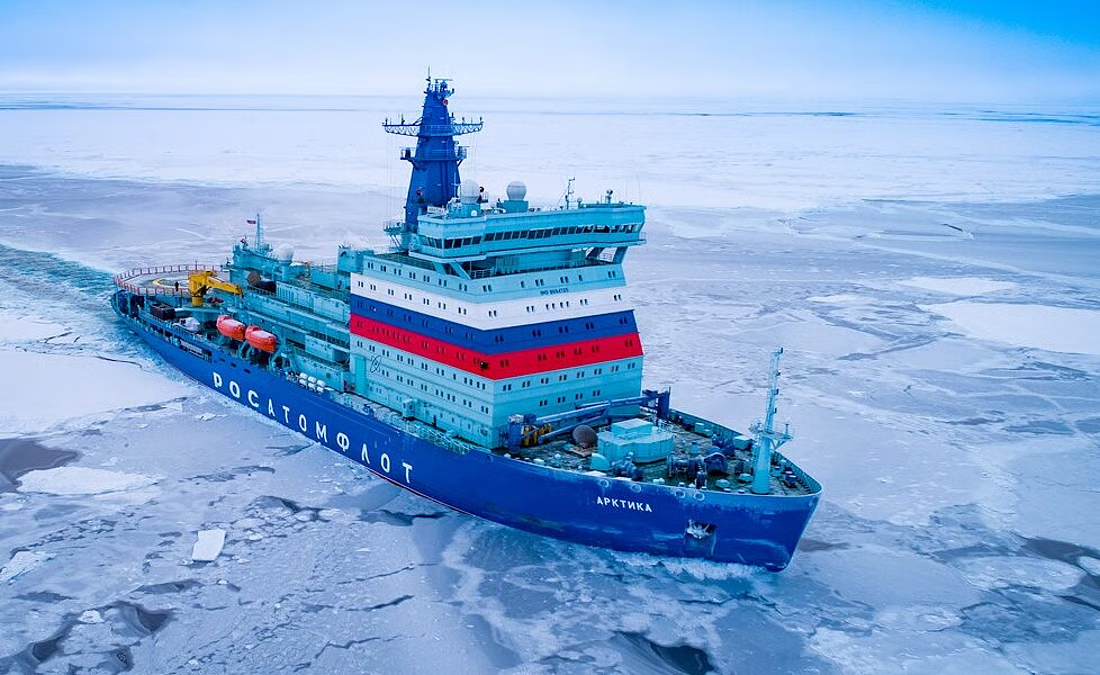
The main method that the “Arktika” uses to break the ice is known as “crushing breakage.”
When it encounters an ice block, the ship slows down, positions its bow above the frozen layer, and uses its weight to crush the ice below.
At the same time, the powerful propellers push the ship forward, breaking the ice and opening a safe liquid channel for the passage of other vessels.
In addition to brute force, the “Arktika” is equipped with sensor systems and cutting-edge navigation technology.
These systems assess the thickness of the ice and its conditions in real-time, guiding the captain to choose the most efficient route, avoiding areas where navigation would be unviable or dangerous.
The Strategic And Economic Importance Of The Nuclear Icebreaker
The fleet of nuclear icebreakers in Russia is the only one in the world operating with this technology on a commercial and military scale.
This gives Russia an undeniable leadership in controlling the Arctic maritime routes and access to the region’s rich natural resources, including oil, natural gas, and rare minerals, which are increasingly accessible due to the gradual melting of ice caused by climate change.
In addition to the economic aspect, the “Arktika” plays a fundamental role in Russian national security.
Keeping routes open means ensuring military presence, monitoring the activities of other countries, and ensuring Russian sovereignty in an area that is gaining geopolitical importance.
The Arctic is an increasingly contested frontier, and dominance in polar navigation could define the strategic balance of the region in the coming decades.
However, the operation of nuclear ships in an environment as fragile as the Arctic generates global debates.
Experts and environmentalists warn about the environmental risks associated with the use of nuclear energy, such as possible accidents, radioactive leaks, and irreversible impacts on the local fauna and flora, which are extremely sensitive to any type of contamination.
Russia guarantees that its safety protocols are among the most stringent in the world and that the use of nuclear icebreakers helps reduce the pollution that would be caused by conventional engines, especially when compared to diesel-powered ships in extreme conditions.
The Future Of Polar Navigation And The Race For Technological Advancements
With global warming accelerating the melting of polar ice caps, navigation through the Arctic is becoming a viable alternative for global maritime transport, reducing distances between Europe, Asia, and North America.
This perspective drives the demand for even more powerful, efficient, and technologically advanced icebreakers, capable of operating in increasingly variable and prolonged conditions.
Russia is already projecting new classes of nuclear icebreakers that should surpass the “Arktika” in size, power, and technological innovation.
Other countries, such as China, Canada, and the United States, are also heavily investing in expanding their polar fleets and developing similar technologies.
This technological race involves not only naval engineering but also clean propulsion systems, artificial intelligence for navigation and environmental monitoring, as well as strategies to mitigate environmental impacts.
The Engineering Behind The Arktika: A Giant Of The Arctic
The “Arktika” measures approximately 173 meters in length, weighs about 33,500 tons, and can operate with a reduced crew thanks to advanced automation.
Its two nuclear turbines produce about 175 MW of power, which fuel three fixed propellers capable of generating enough thrust to crush the ice, in addition to ensuring speeds of up to 22 knots (about 40 km/h) in open waters.
The hull has a special shape, with an upward-sloping bow, which helps the ship to rise over the ice and break its structure with weight.
Special materials resistant to extreme cold and ice abrasion ensure the durability of the ship, which regularly faces temperatures below -50 °C.
In addition, the “Arktika” has modern communication and safety systems to operate in an isolated region full of challenges such as storms, fog, and rapid climate changes.
Watch The Video Of The Nuclear Icebreaker “Arktika” In Action, Breaking Giant Ice Blocks And Clearing A Path In The Arctic:







-

Uma pessoa reagiu a isso.