





 Portuguese
  English
  Spanish
  4 min of reading
  0 comments


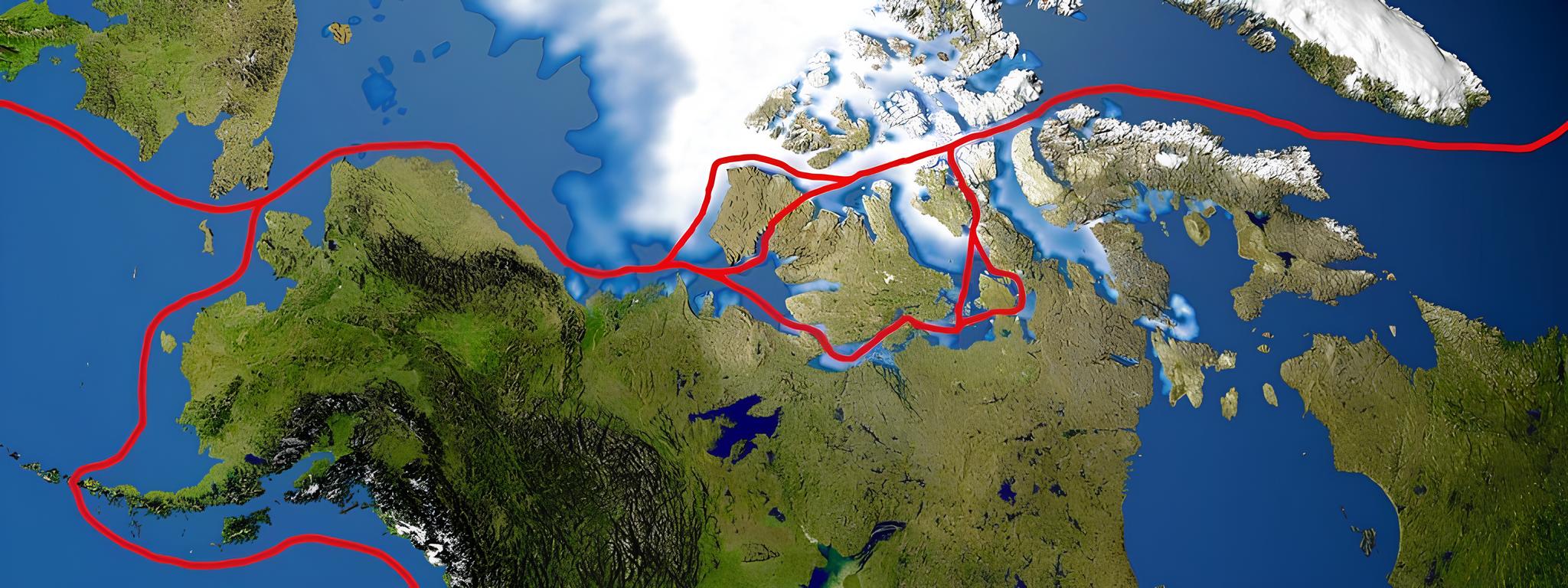
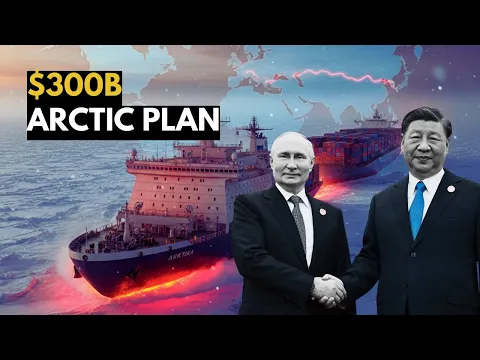
Russia Invests Billions in the Northern Sea Route, Uses Nuclear Icebreakers and Arctic Ports to Shorten Trade Between Europe and Asia and Challenge Traditional Routes.
Russia has decided to transform one of the planet’s most hostile regions into a major strategic asset. The Arctic, marked by permanent ice, extreme temperatures, and months of darkness, is now viewed by Moscow not as a barrier, but as a global logistical shortcut. At the center of this investment is the Northern Sea Route, a maritime corridor of approximately 5,600 kilometers along the Russian Arctic coast that links the Atlantic to the Pacific, significantly shortening the path between Europe and Asia.
With billion-dollar investments, an exclusive fleet of nuclear icebreakers, ice-adapted ports, and integration with domestic railways, Russia aims to turn the Arctic into a viable alternative to the traditional routes dominated by Suez and Malacca.
What Is the Northern Sea Route and Why Does It Matter?
The Northern Sea Route follows the northern coast of Russia, linking the Barents Sea to the Bering Strait. Unlike tropical routes, it only becomes fully navigable with heavy technological support, due to the presence of sea ice for much of the year.
-
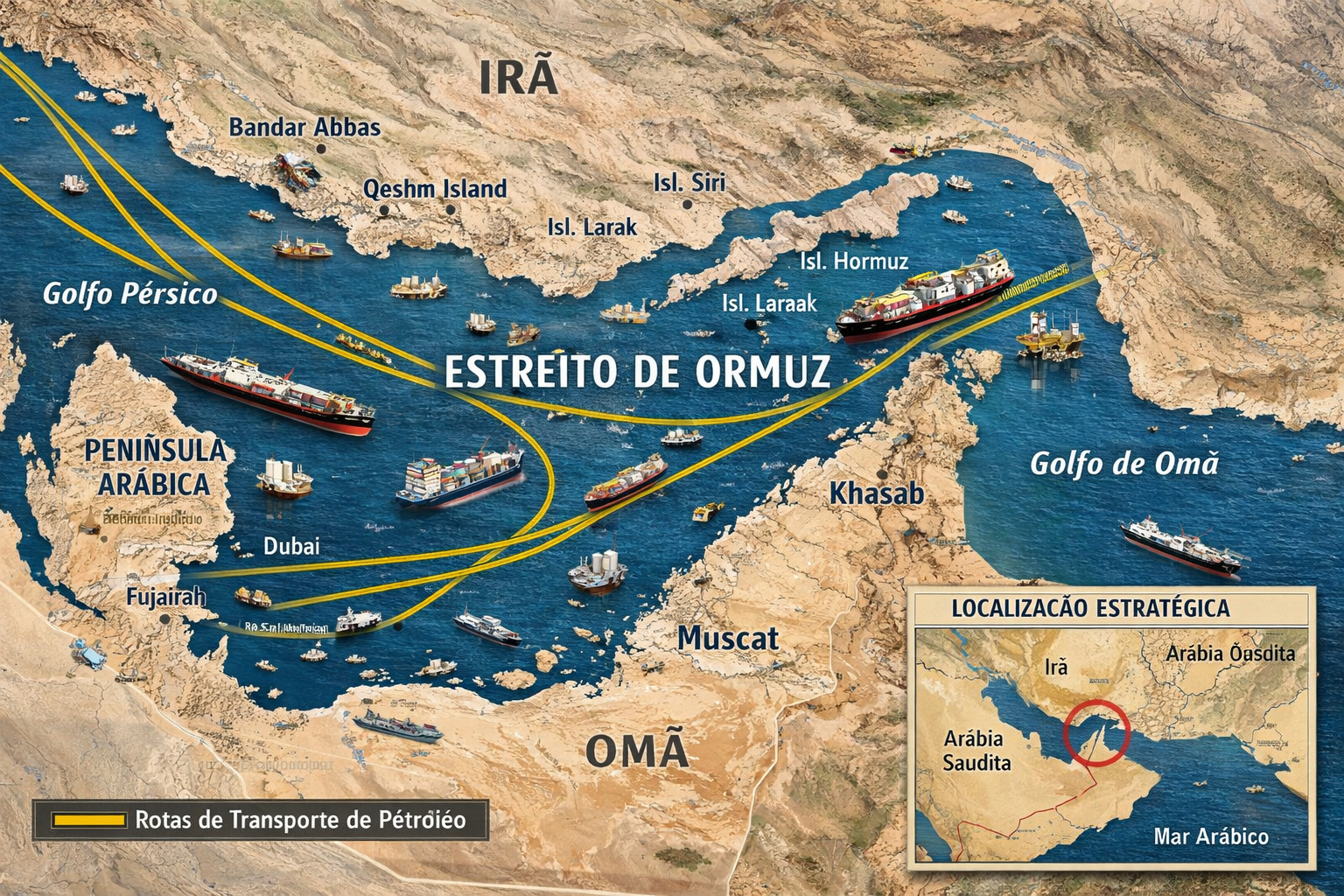
Global summit with over 40 countries pressures Iran for a blockade in the Strait of Hormuz and warns of direct impact on oil, food, and the global economy.
-
Russia has broken the U.S. maritime blockade to send oil to Cuba and is now loading a second ship while Trump says that “Cuba is next” in a possible military action against the island.
-
Spain challenges the USA and closes its airspace for operations against Iran, raising global tension and provoking the threat of a trade rupture.
-
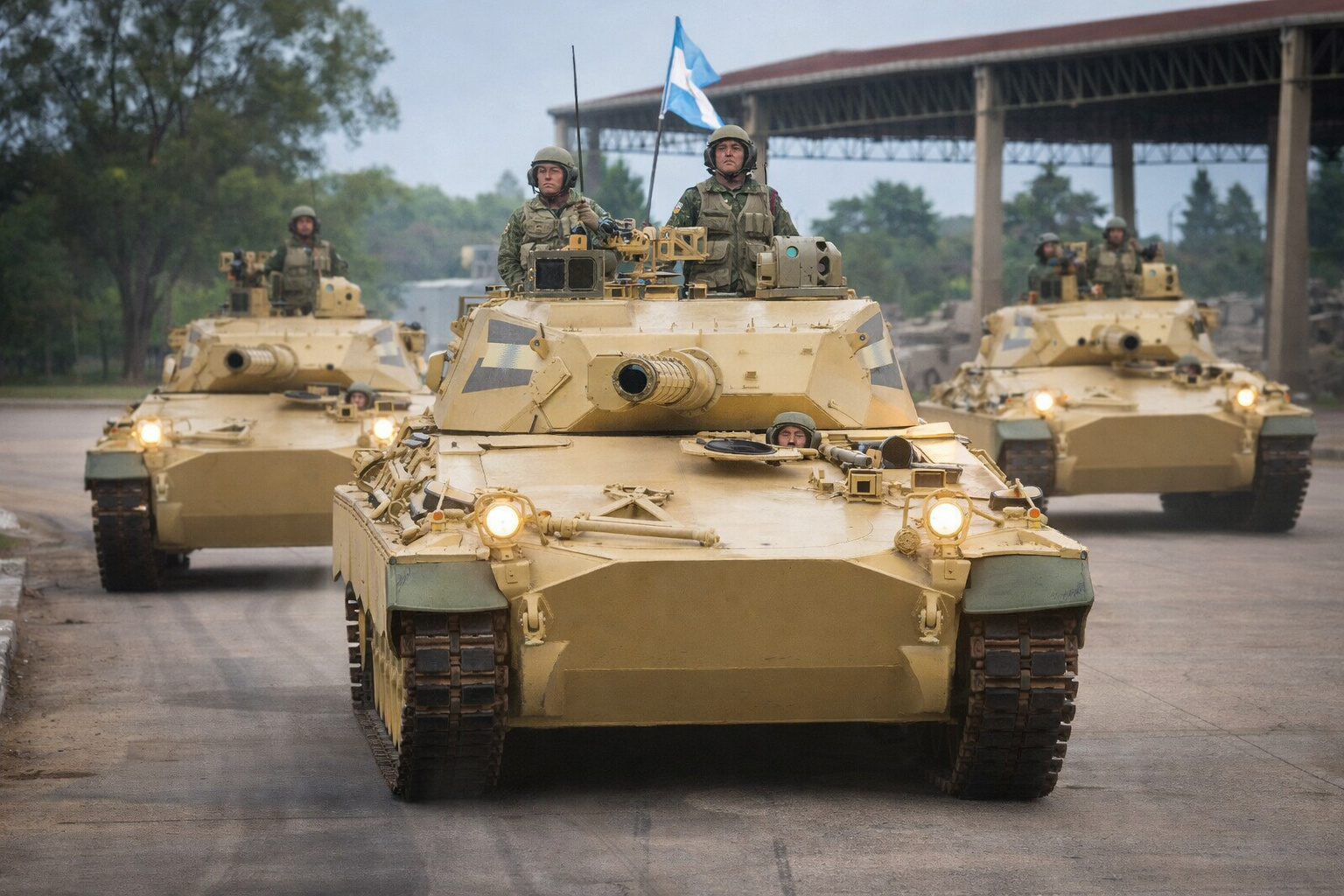
While no other country manufactures tanks in Latin America, Argentina activates the TAM 2C-A2 and raises a curiosity about the technological lag in the region.


The strategic interest lies in the distance. A maritime journey between northern Europe and eastern Asia via the Arctic route can be up to 40% shorter than through the Suez Canal, reducing weeks of navigation, fuel consumption, and exposure to geopolitical bottlenecks.
Nuclear Icebreakers: The Heart of Russia’s Strategy
No country in the world dominates the Arctic like Russia. The reason is simple: Moscow maintains the only operational fleet of nuclear icebreakers on the planet. These ships are capable of breaking through thick layers of ice for months on end, something unfeasible for conventional vessels.
Russian nuclear icebreakers operate with far greater autonomy than diesel ships, allowing them to escort commercial convoys in regions where temperatures can drop below –40 °C. This fleet transforms ice into a manageable obstacle and ensures logistical predictability — an essential factor for trade.
Frozen Ports That Operate Year-Round
For the route to function, it is not enough to open a path through the ice. Russia has heavily invested in the modernization and expansion of strategic Arctic ports, designed to operate under extreme conditions.
Terminals in the Barents Sea, Kara Sea, and other areas of the polar coastline have been adapted to accommodate large ships, with infrastructure resilient to intense cold and ice.
These ports serve as transshipment points for minerals, liquefied natural gas, oil, and industrial cargoes, connecting the Arctic to global supply chains.
Extreme Rails Connecting the Arctic to Interior Russia
The Russian strategy is not limited to the sea. The country is also investing in high-resistance railways, linking Arctic regions to industrial hubs in the interior. These lines allow resources extracted in the far north — such as gas, oil, and minerals — to be quickly routed to European and Asian markets.
The combination of rails and ports creates an integrated system, where the Arctic ceases to be a periphery and becomes a logistical hub.
In logistical terms, the promise of the Northern Sea Route is clear: fewer days at sea, less fuel burned, and less reliance on bottlenecks. In a world where delays cost billions, time reduction translates into competitive advantage.
Moreover, the route avoids areas historically sensitive to conflicts, blockades, and political instability, providing a path almost entirely under Russian control.
The Impact of Climate and the Advancement of Navigability
Global warming, although controversial, has a direct effect on the Russian strategy. The retreat of sea ice has extended the annual navigability period of the route, allowing operations for more months without interruption.
This factor accelerates the interest of transport companies and foreign governments, which now consider the Arctic as a viable alternative, albeit dependent on Russian escort.
Geopolitics of Ice: Route Control Is Power
Controlling a trade route is controlling part of global commerce. By dominating the infrastructure, icebreakers, and legislation of the Northern Sea Route, Russia strengthens its geopolitical position in an increasingly fragmented global landscape.
The route also attracts interest from Asian countries, especially those looking to reduce dependence on routes controlled by Western powers. The Arctic is becoming part of the strategic chessboard of the 21st century.
Environmental and Operational Challenges
Despite the advantages, the route is not without risks. Accidents in Arctic waters pose a high environmental potential, and operation in extreme climates requires expensive technology and constant maintenance.
Furthermore, traffic is still lower than that of traditional routes, which limits short-term economies of scale. Even so, Moscow bets on gradual and sustained growth.
The Northern Sea Route symbolizes a profound change in the logic of global trade. Regions once seen as inhospitable are now treated as strategic assets, shaped by heavy engineering, nuclear power, and a long-term geopolitical vision.
If the Russian bet solidifies, the Arctic will cease to be merely a natural limit of the planet to become one of the most contested paths in international trade, shortening oceans, reshaping routes, and altering the logistical balance between Europe and Asia.
In the world of great powers, those who open new paths redefine the map. And Russia is determined to do this from the ice.







-

-

-

-

16 pessoas reagiram a isso.