





 Portuguese
  English
  Spanish
  5 min of reading
  0 comments


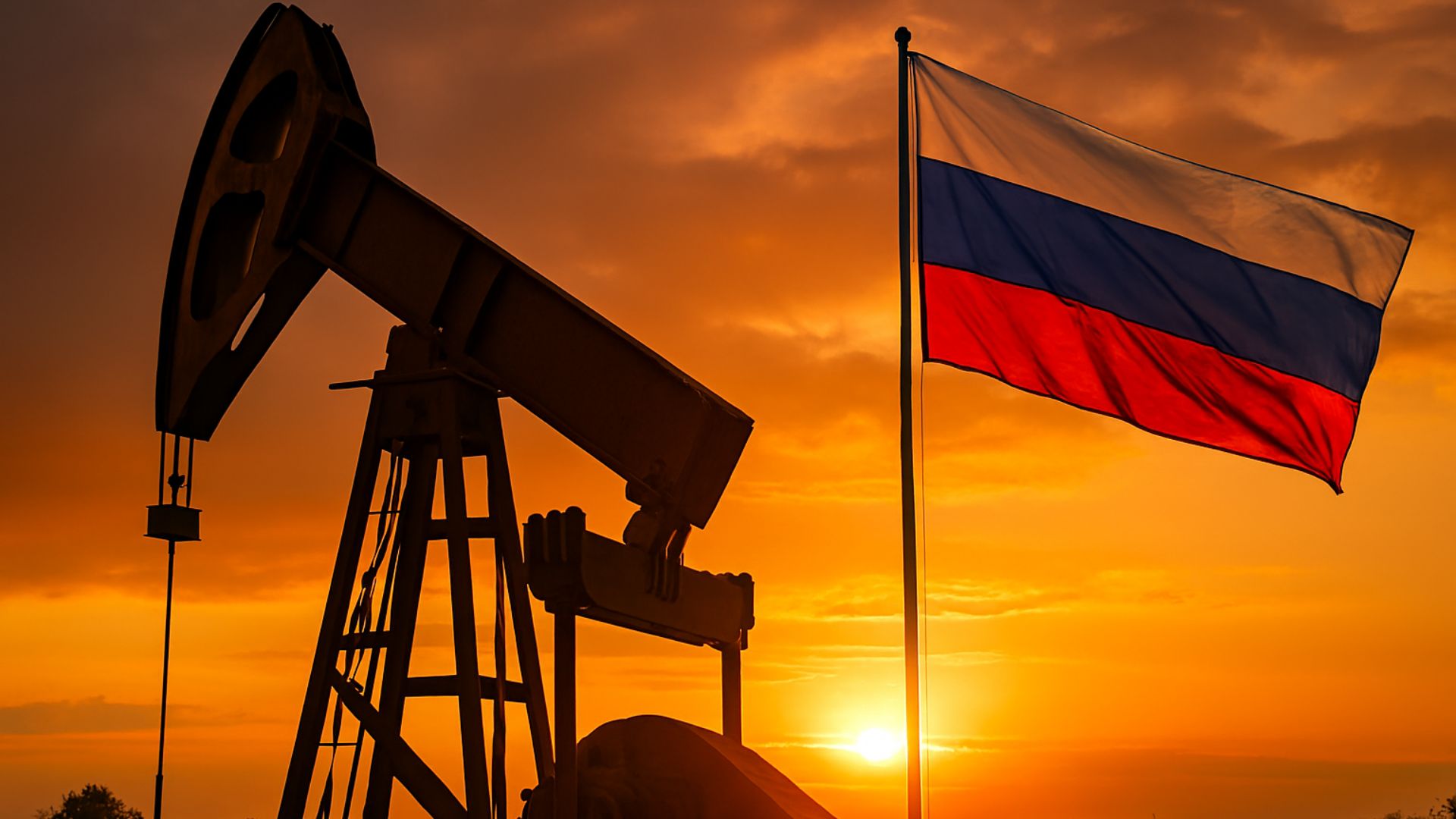
Lukoil Evaluates The Sale Of Strategic Assets After New US And UK Sanctions, Raising Alerts About The Impact On The Oil Market And On Global Energy Supply Chains
On October 27, 2025, Lukoil, the Russian oil giant, announced that it intends to sell its international assets in response to sanctions imposed by the US and UK. According to a report published by Exame, the decision represents a strategic shift with profound implications for the global energy market.
Lukoil Announces Sale Of International Assets After Sanctions
Lukoil confirmed, in an official statement, that it is reviewing proposals from buyers for its assets outside of Russia. This move comes after new economic sanctions imposed by the United States and the United Kingdom, aimed at reducing the Kremlin’s energy revenue amid the war in Ukraine.
The sanctions were announced on October 22 by US President Donald Trump, directly targeting companies such as Lukoil and Rosneft. Just days earlier, on October 15, the UK expanded its restrictions, including 44 tankers linked to the so-called “parallel fleet”, used to circumvent embargoes on Russian oil exports.
-
Petrobras evaluates suspension of sales to distributors and considers canceling the cooking gas auction following guidelines from the Federal Government.
-
Lula reveals a masterstroke by Petrobras to undo a deal made by Bolsonaro, which involves the return of an important refinery that currently produces less than half of what was expected and makes Brazil dependent on international diesel.
-
A study confirms that the natural gas sector will reduce greenhouse gas emissions in Brazil by 0.5% and accelerate the energy transition by 2026.

-
Petrobras implements a severe adjustment and confirms a 55% increase in the price of aviation kerosene with a proposal for installment payments for the companies.


The international pressure on Lukoil could redefine its global operations and influence energy balance in various regions.
Russian Oil Under Pressure: Impact Of US And UK Sanctions
The sanctions imposed by the US and UK aim to weaken Russia’s financial capacity to sustain military operations. By targeting strategic companies like Lukoil, Western countries seek to limit the global reach of Russian oil.
Lukoil accounts for about 2% of the world’s oil production, with operations across multiple continents. International pressure on its activities could reconfigure supply chains and alter trade flows, particularly in Europe and Central Asia.
Furthermore, the company is waiting for authorization from the US Treasury to complete the transactions, highlighting the regulatory complexity involved in selling assets amid multilateral sanctions.
Lukoil Assets At Risk: International Presence May Shrink
Lukoil has strategic assets outside of Russia, including:
- West Qurna 2 oil field in Iraq, with a 75% stake and production exceeding 480,000 barrels per day.
- Neftohim Burgas refinery in Bulgaria, with a capacity of 190,000 barrels daily — the largest in the Balkans.
- Petrotel refinery in Romania, along with supplies to Hungary, Slovakia, and Turkey.
- Terminals, retail networks, and exploration projects in Africa, Latin America, and Kazakhstan.
The sale of these assets could significantly reduce Russia’s presence in the global refining and distribution market, opening up space for Western companies and allied countries to expand their control over regional energy chains.
Lukoil And The Geopolitical Role Of Oil
Oil remains one of the main instruments of geopolitical influence, and Lukoil’s decision to divest international assets is seen as a direct response to Western pressure.
Experts suggest that Lukoil’s exit from strategic markets could trigger adjustments in global prices, especially in regions dependent on Russian oil. The redistribution of these assets among companies from allied countries could shift the power balance in the energy sector.
Moreover, this move signals a possible retreat of Russia in the international energy landscape, which could have lasting effects on its negotiation capacity and political influence.
Market Reactions And Regulatory Obstacles
The news of Lukoil’s asset sale generated immediate reactions in the financial market and among industry analysts. Although the details of the transactions have yet to be disclosed, the expectation is that large European and Asian energy groups will position themselves as potential buyers.
The approval of the sales depends on specific licenses issued by US and UK authorities, which could delay or even hinder some negotiations.
The legal and diplomatic complexity of the sanctions requires caution on the part of interested parties, especially for assets located in conflict zones or with high regulatory risk.
Sanctions And Energy Strategy Of The US And UK
The recent sanctions are part of a coordinated strategy between the US and UK to weaken the Russian energy sector, deemed essential for financing the war in Ukraine.
In addition to Lukoil, other companies such as Rosneft and Gazprom have also been targeted by restrictions. The UK, for example, has blocked access for Russian vessels to its ports and frozen financial assets linked to oil exports.
These measures aim to reduce Kremlin revenue and limit its ability to operate internationally, forcing Russian companies to reassess their strategies for expansion and global presence.


Consequences For Global Energy Security
Lukoil’s decision to sell international assets may have significant impacts on the energy security of various countries. Regions such as the Balkans, Middle East, and Central Asia, which rely on Russian infrastructure, could face supply instability.
On the other hand, the redistribution of these assets could open opportunities for Western companies to expand their operations, promoting greater diversification and competitiveness in the sector.
In the long term, Lukoil’s exit from strategic markets could accelerate the energy transition, with countries seeking alternatives that are less vulnerable to sanctions and geopolitical conflicts.
Lukoil Under Pressure: A Historical Change In The Oil Sector
This measure represents not only an economic response, but also a change in posture in light of the new geopolitical reality. Based in Moscow, Lukoil has always been seen as a symbol of Russia’s ability to compete globally in the oil sector.
Its international retreat marks the beginning of a new phase, where Russian companies face growing barriers to operate outside their territory. In the coming months, the market should closely monitor:
- Which assets will be sold and who the buyers will be.
- How the US and UK will handle licenses for transactions.
- Which countries will be most affected by Lukoil’s exit.
- Whether other Russian companies will follow the same path.
Global energy is transforming, and Lukoil’s decision is a clear indication that the sector is increasingly influenced by political and diplomatic factors.
Redesigning Global Energy Forces
The sale of international assets by Lukoil is a milestone in the recent history of oil and energy geopolitics. Amid the sanctions imposed by the US and UK, the Russian company chooses to retreat from strategic markets, signaling a new configuration in the sector.
This movement could redefine trade flows, alter prices, and open space for new global players, while countries seek energy security in an increasingly volatile scenario. Energy, now more than ever, is at the center of political and economic decisions — and the future of oil will be shaped by choices like this.






Seja o primeiro a reagir!