





 Portuguese
  English
  Spanish
  4 min of reading
  0 comments



STF Will Decide If Meal Vouchers and Transportation Vouchers Are Included in the INSS Base. Companies Fear Billion-Dollar Impact and the Productive Sector Sounds the Alarm.
The Supreme Federal Court (STF) has opened a debate that could deeply alter the cost structure of Brazilian companies. In August 2025, the ministers recognized general repercussions in Theme 1.415 (ARE 1.370.843), which discusses whether amounts paid as meal vouchers and transportation vouchers, when partially funded by employees, should be included in the calculation base for employer social security contributions (INSS).
The decision does not resolve the merits, but it has immediate effect: it obliges all courts in the country to await the final word from the STF on the subject and to apply the future established thesis. The productive sector is already projecting a potentially billion-dollar financial impact if the Court decides to impose INSS on these benefits.
How Taxation Works Today
Under current rules, the employer social security contribution (20% on payroll) applies to all remuneration-related amounts.
-
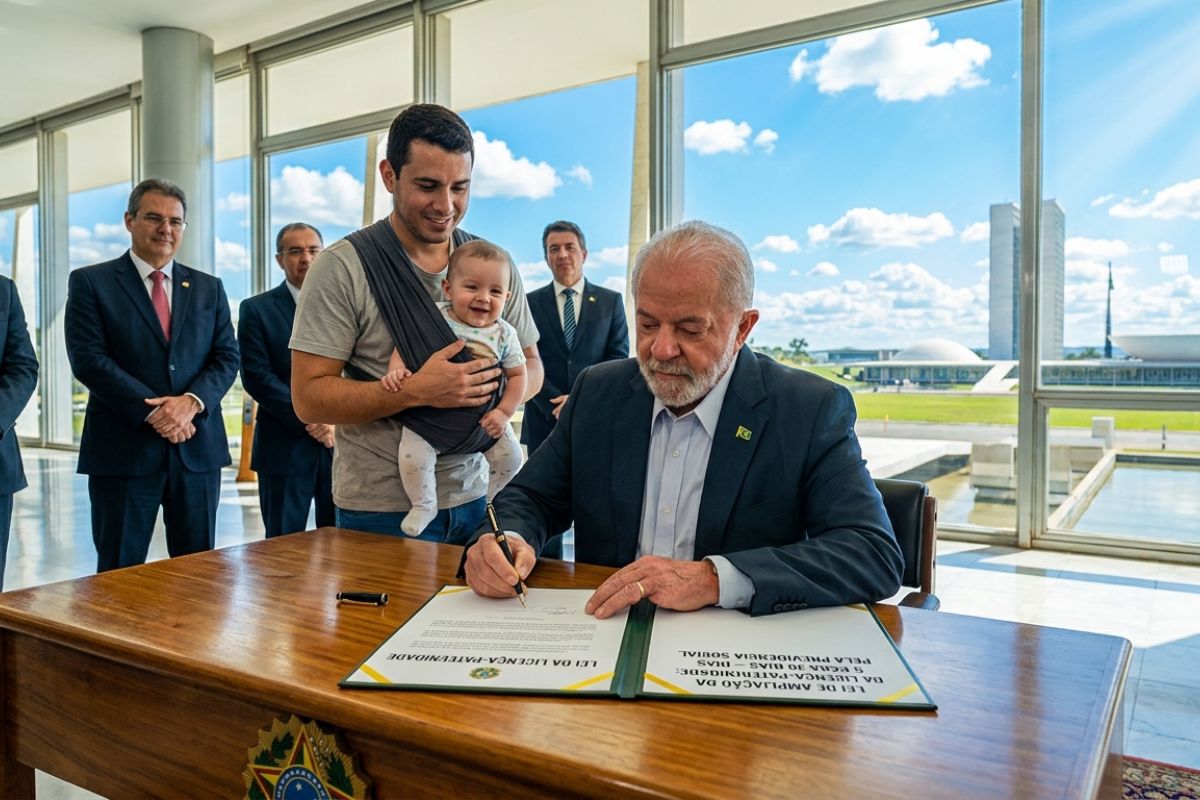
Government enacts new law: paternity leave increases from 5 to 20 days with gradual increases until 2029, and Social Security pays the paternity salary; companies no longer bear the absence cost, estimated at R$ 5.4 billion.
-
End of the 1-hour lunch break in the CLT? Current labor law maintains the break, allows for negotiated reductions, and defines rules for working hours and home office in Brazil.

-
Employee Fired After Accumulating 114 Days of Medical Leave in One Year, Labor Court Upholds Company’s Decision

-
Employee Fired While Treating Depression Wins in Court and Vale Is Required to Rehire Him Following Decision Based on the CLT and INSS Benefits


Indemnity-character benefits (such as transportation vouchers, created by Law No. 7.418/1985, and meal vouchers, provided for in labor and tax regulations) do not integrate the calculation base, according to historical understanding of part of the jurisprudence.
However, decisions by the Superior Court of Justice (STJ), especially in Theme 1.174, had already been recognizing that when these benefits are partially funded by the employee — through payroll deductions — they assume remuneration nature, allowing for the collection of employer social security contributions.
Now, the STF is expected to unify the understanding definitively.
What’s at Stake for Companies
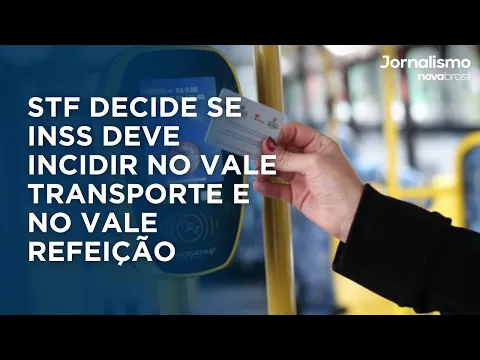

If the STF decides for incidence, companies will have to include meal vouchers and transportation vouchers in the INSS base, substantially increasing labor costs. This means:
- Higher payroll costs, especially in sectors with a large number of workers receiving these benefits;
- Risk of retroactive charges, as the Union may seek uncollected contributions from the past five years;
- Indirect effects on collective bargaining, as unions may pressure companies to maintain benefits even in the face of rising costs.
The financial impact has not yet been officially calculated, but experts estimate it could reach the tune of billion reais annually in extra revenue for the Union.
The Argument of the Tax Authorities and the Union
The Union argues that benefits such as meal vouchers and transportation vouchers, when paid habitually, represent economic advantage for the worker and therefore should be included in the contribution base.
According to the tax authorities, excluding these amounts opens a gap that reduces revenue and creates inequality in treatment between workers who receive direct salary and those who have part of their compensation converted into benefits.
The View of Companies and the Productive Sector
On the other hand, companies argue that the benefits have indemnity and social character, and cannot be confused with salary.
The transportation voucher, for instance, exists to cover commuting costs to work, not to compensate for the labor force.
Business entities warn that the change could result in:
- Increase in informality, as smaller employers would not be able to bear the additional cost;
- Reduction of benefits, with companies cutting or decreasing assistance to avoid higher costs;
- Cascading effect on service inflation, as labor-intensive sectors may pass costs on to consumers.
The Role of the STF and the General Repercussions
By recognizing general repercussions, the STF makes it clear that the issue has national economic and social relevance.
The future Court decision will not only apply to the specific case but will serve as binding thesis for all courts and judges in the country.
This mechanism provides legal security but also increases the weight of the decision: any understanding established by the STF will have immediate application in thousands of actions discussing the topic in court.
Experts Comment on the Impact
For tax attorney Eduardo Fleury, “if the STF consolidates the incidence thesis, we will see one of the largest changes in payroll taxation in recent years. The impact will be immediate and could generate million-dollar liabilities.”
Labor attorney Adriana Calvo highlights that “there is a risk of discouraging the granting of benefits. Many employers may simply cut the meal voucher or replace the current format with indirect aids to avoid an increase in tax burden.”
Red Alert for Companies and Workers
The discussion about meal vouchers and transportation vouchers at the STF is more than a tax dispute: it is a clash between the need for Union revenue and the concern for the sustainability of companies and the maintenance of benefits for workers.
As long as the merit trial is not scheduled, companies and unions remain on alert. What is at stake is one of the largest benefit packages granted to workers in Brazil and how they will be treated by the tax system.
The STF’s verdict could mean a historic change, with a direct impact on the payroll of millions of Brazilians and the finances of thousands of companies. What is your opinion on this? Leave your comments below!








Seja o primeiro a reagir!