





 Portuguese
  English
  Spanish
  3 min of reading
  0 comments


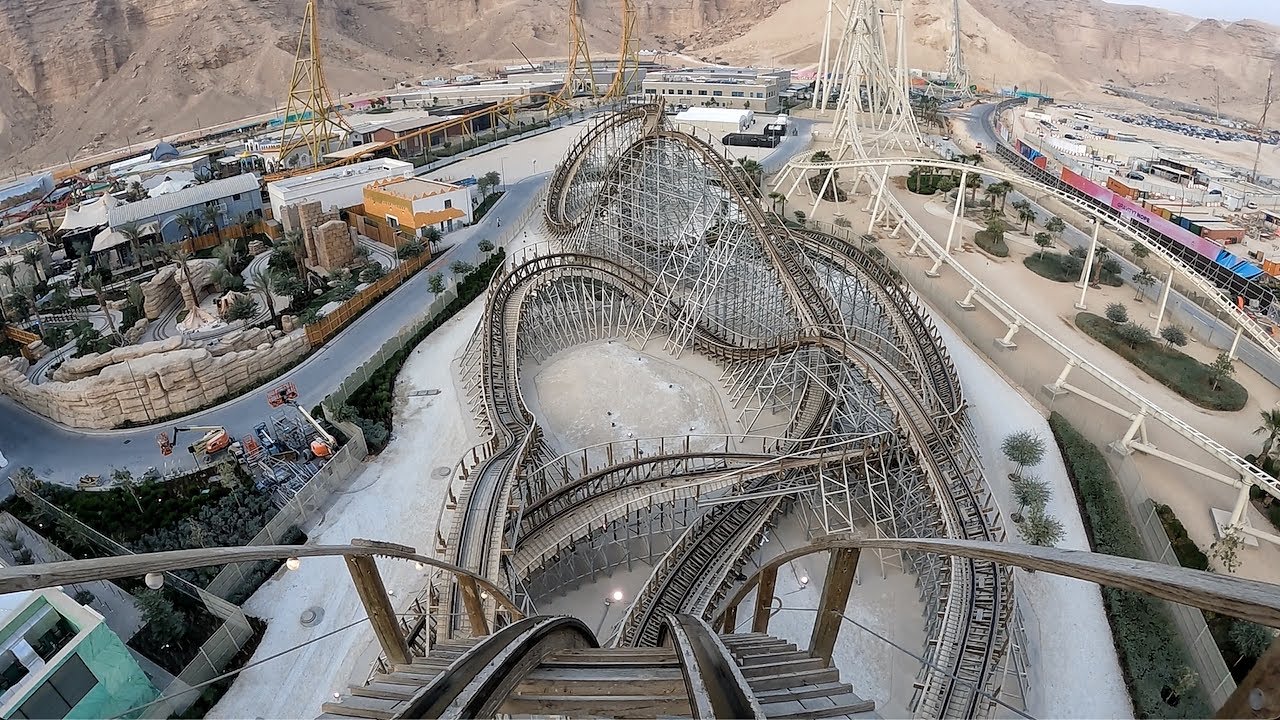
The Qiddiya Project Plans More Than 360 km², Investment Above US$ 10 Billion, and Dozens of Attractions to Create the Largest Entertainment City Ever Planned in the Middle East.
In the heart of the Saudi desert, about 40 kilometers from Riyadh, one of the most ambitious urban projects ever conceived in the global entertainment sector is underway: Qiddiya Entertainment City. Unlike isolated theme parks, the venture has been designed as an entire city dedicated to leisure, capable of operating continuously as a tourist, sports, and cultural hub.
The project is part of the Saudi Vision 2030 strategy, which aims to reduce dependence on oil and create new revenue sources based on tourism, entertainment, and services.
An Area Larger Than Several Brazilian Cities
The physical scale of Qiddiya is impressive from the start. The complex is designed to cover more than 360 square kilometers, an area larger than many capital cities and dozens of times greater than traditional theme parks.
-
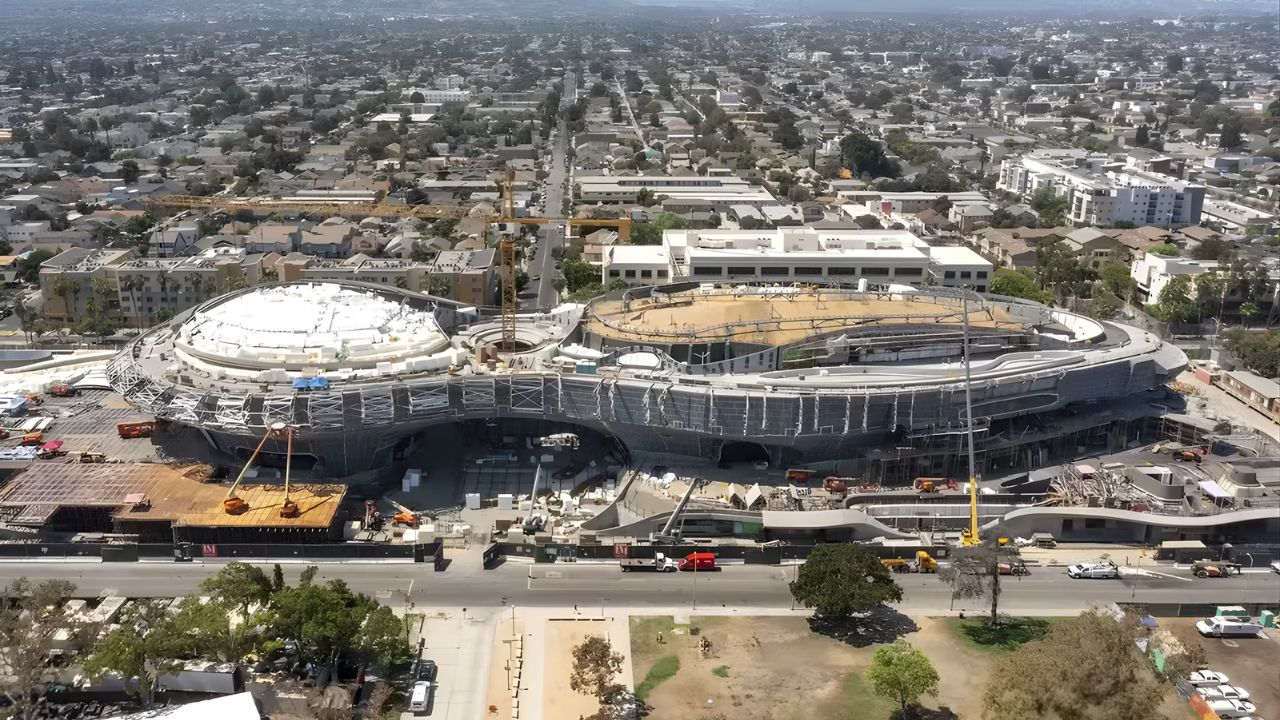
Created by George Lucas with over $1 billion, a futuristic museum in the shape of a spaceship with 1,500 curved panels is about to open in Los Angeles and will house one of the largest private collections of narrative art in the world.
-
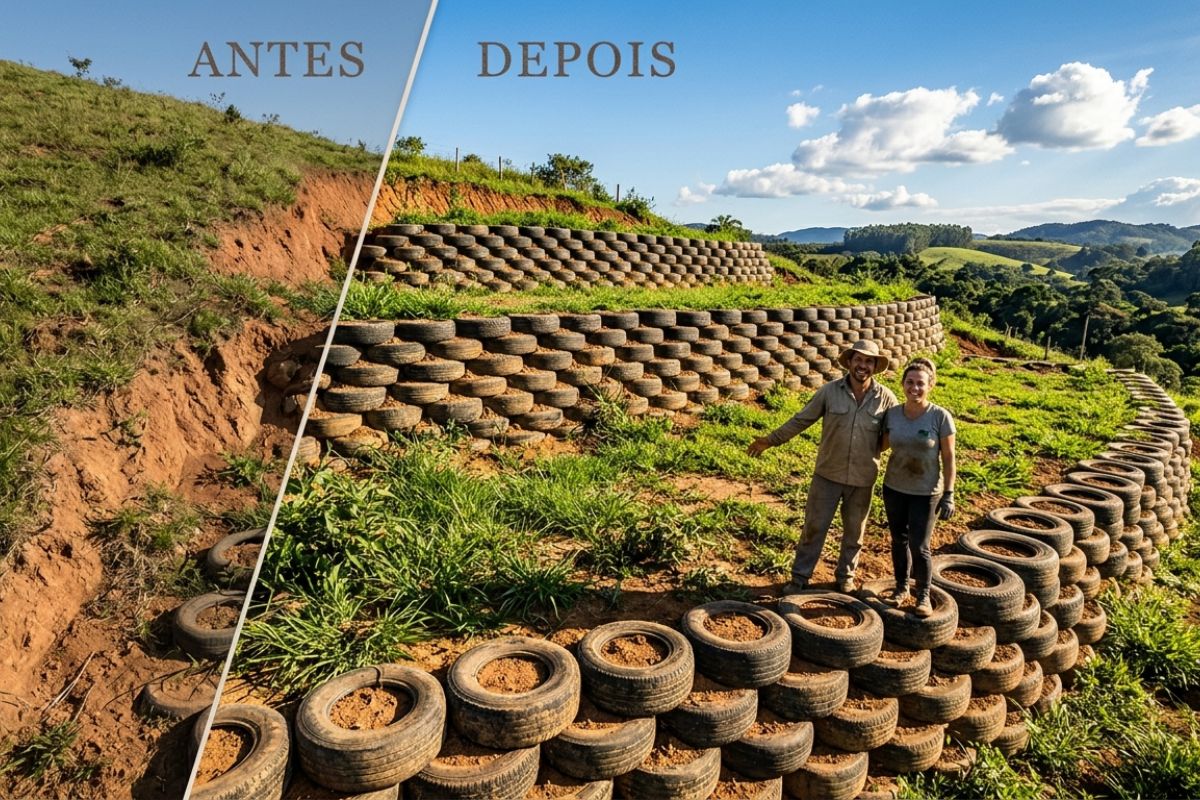
Couple shows how they built a retaining wall on their property using 400 old tires: sloped land turned into plateaus, tires are aligned, filled, and compacted with layers of soil, with grass helping in support and at almost zero cost.
-
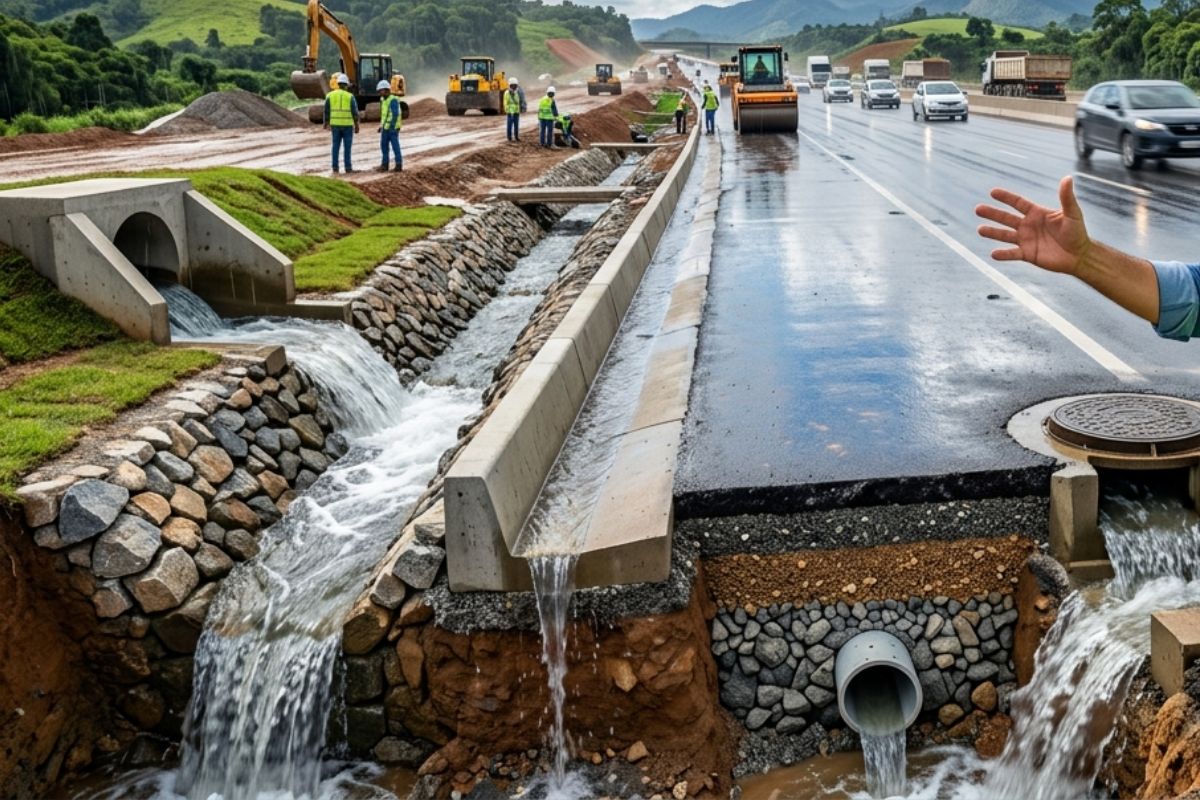
Engineer explains drainage during the rainy season: the difference between surface water and deep water, ditches, gutters, and water outlets on the road, as well as drains and drainage mattresses, to prevent erosion, aquaplaning, and flooding at the construction site today.
-
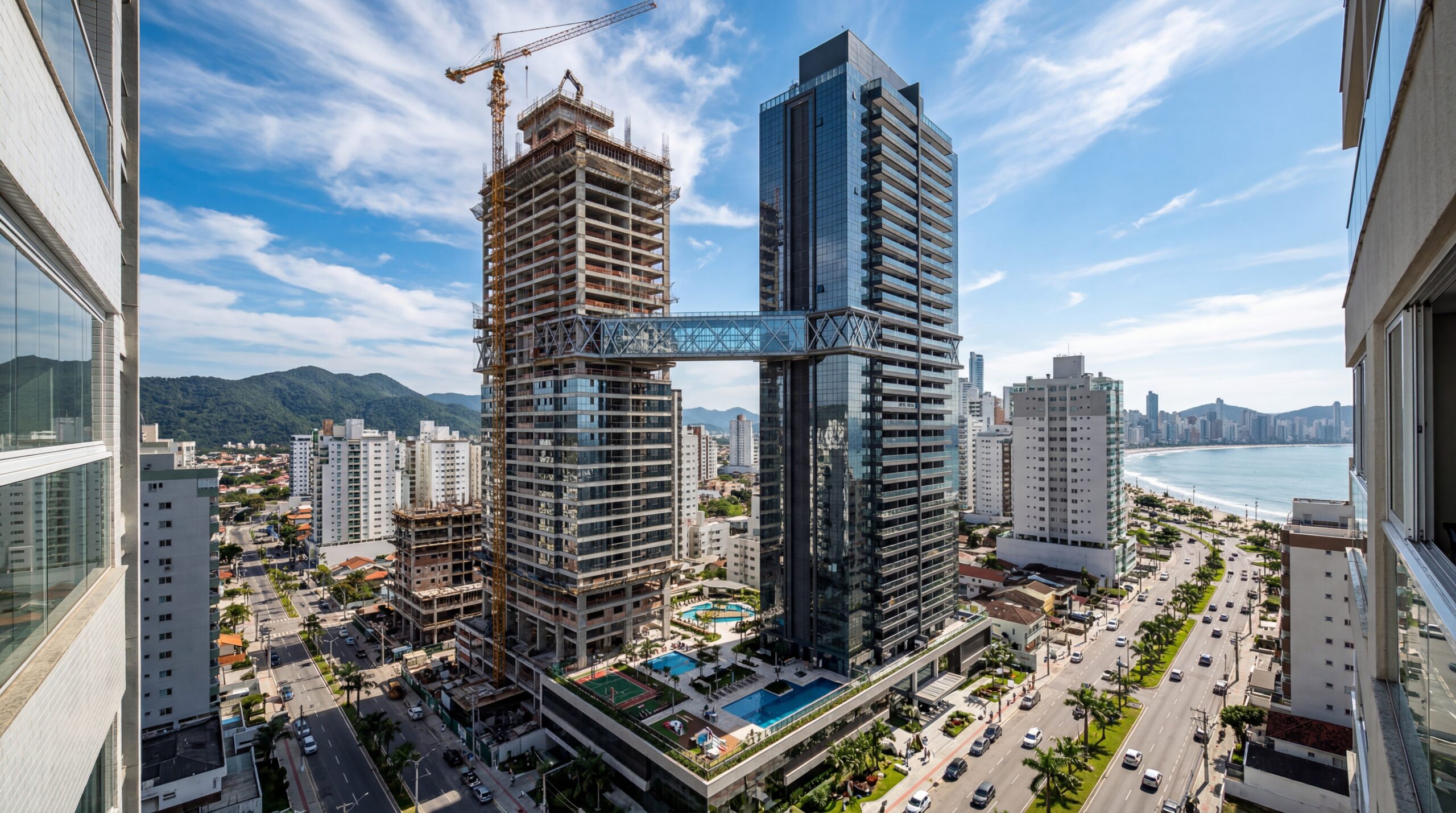
With 55 floors, 177 meters in height, a 15-meter walkway between the twin towers, ventilated facade, and 6,300 m² of leisure space, Ápice Towers already has one tower completed and another nearly at the top.

This territory includes mountains, valleys, and natural plateaus that have been incorporated into the urban project, allowing for attractions to be implemented at different altitude levels, something rare in entertainment ventures.
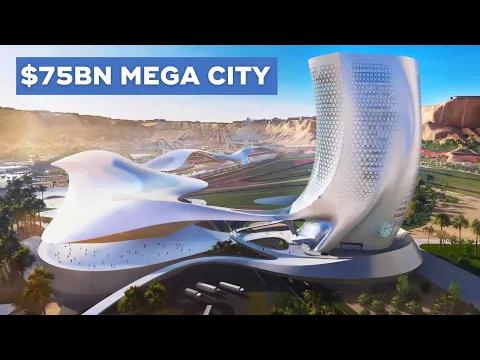

The initial announced investment exceeds US$ 10 billion, an amount directed not only to attractions but to the construction of complete urban infrastructure: expressways, electrical networks, water supply, sewage, telecommunications, and internal transportation systems.
In practice, Qiddiya does not depend on neighboring cities to operate. It has been designed as a self-sufficient urban ecosystem, capable of accommodating millions of visitors per year.
Theme Parks, Adventure Sports, and International Race Track
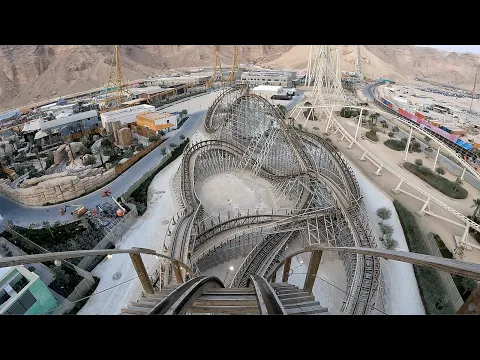
Among the project’s highlights are large-scale theme parks, adventure sports zones taking advantage of the mountainous topography, and a certified racetrack for international competitions.
The proposal aims to cater to diverse audiences — from families to motorsport fans and extreme experiences — extending the average stay of visitors and diversifying revenue sources.
Resorts, Hotels, and a City Designed for Living and Working
In addition to attractions, Qiddiya includes integrated resorts, hotels, residential areas, and shopping centers, allowing workers, service providers, and visitors to remain within the complex without the need for external travel.
This model brings the project closer to a permanent theme city than to a traditional amusement park.
Engineering to Overcome the Extreme Desert Climate
Building an entertainment city in an environment where temperatures frequently exceed 45 °C requires advanced technical solutions.
The project anticipates intensive use of artificial shading, natural ventilation guided by topography, climate-controlled areas, and materials designed for high thermal loads.
The very urban layout has been designed to reduce heat islands and allow comfortable circulation even during critical times of the year.
Direct Competition with the Largest Global Leisure Hubs
The stated goal of Qiddiya is to compete with established destinations such as Orlando, Las Vegas, and Dubai, offering a comparable regional alternative but with its own identity.
By keeping tourist spending within the country, Saudi Arabia seeks to reduce the outflow of billions of dollars spent by its citizens abroad while simultaneously attracting international visitors.
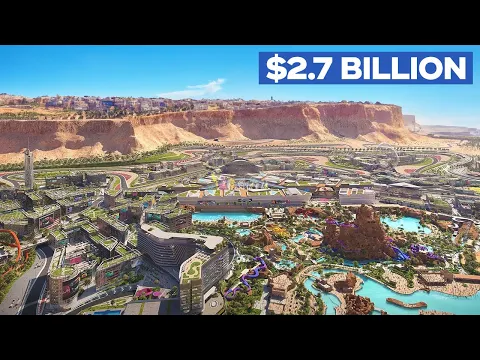
With 360 km² of area, billion-dollar investments, and an unprecedented urban proposal, Qiddiya Entertainment City represents a structural change in how countries are using engineering, urban planning, and entertainment as economic tools.
More than a park, Qiddiya is an attempt to create an entire city dedicated to leisure, demonstrating how far governments are willing to go to transform territory, culture, and economy into permanent physical infrastructure.





-

-

-

-

10 pessoas reagiram a isso.