





 Portuguese
  English
  Spanish
 4 min of reading
  0 comments


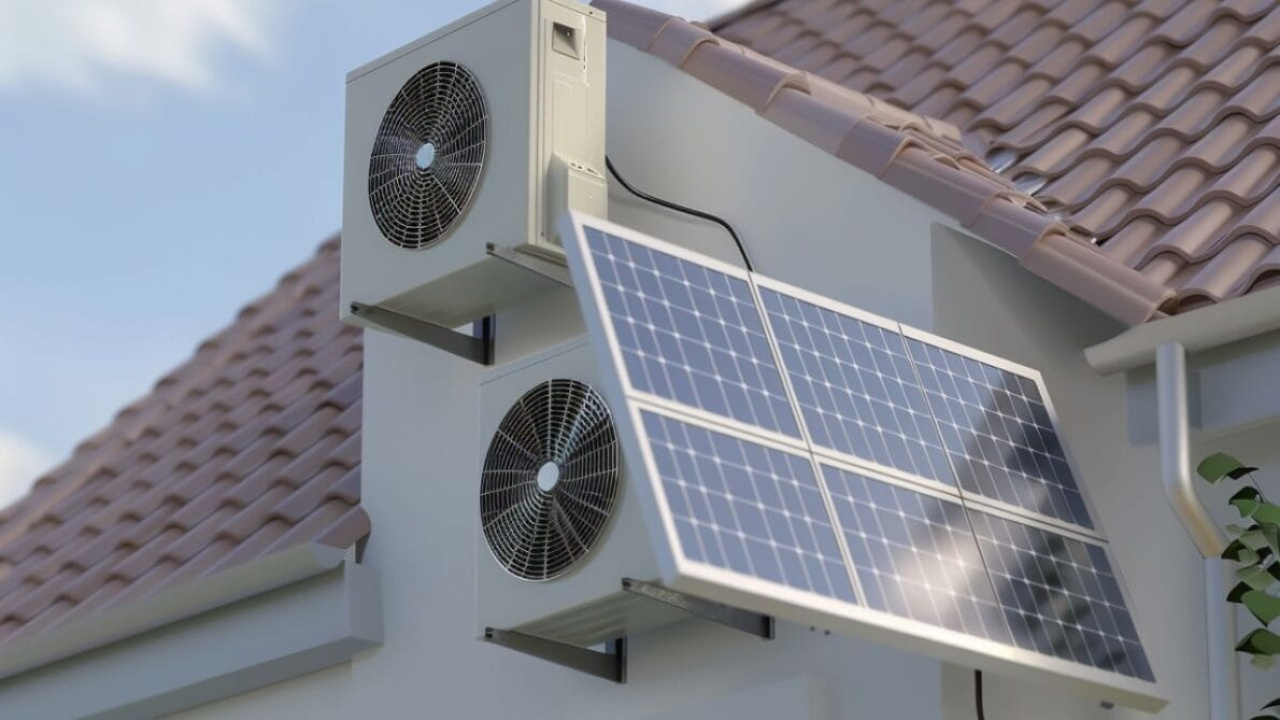
With The Increase In Electricity Consumption During Summer, Solar Energy Registers Accelerated Growth In Bahia. Understand The Reasons, The Immediate Benefits And The Numbers Of The Sector In The State.
Summer is usually synonymous with prolonged heat, increased use of electrical appliances, and higher electricity bills. In Bahia, where high temperatures extend for long periods throughout the year, this scenario has driven the search for solutions capable of reducing the impact of energy consumption on household and business budgets. In this context, solar energy emerges as one of the most sought-after alternatives, especially due to the speed with which its benefits are perceived.
The increase in the use of air conditioning, fans, freezers, and industrial equipment significantly raises the demand for electricity during the hottest months. As a result, consumers seek out sources that help balance expenses without sacrificing thermal comfort and productivity.
Reduction Of The Electricity Bill Appears In The First Months
According to the president of the Bahia Solar Energy Association (ABS), Marcos Rêgo, solar energy has been gaining ground precisely because the financial return becomes visible in the short term. “The main one is the reduction in the value of the electricity bill, alleviating the monthly budget of homes and businesses,” he states.
-
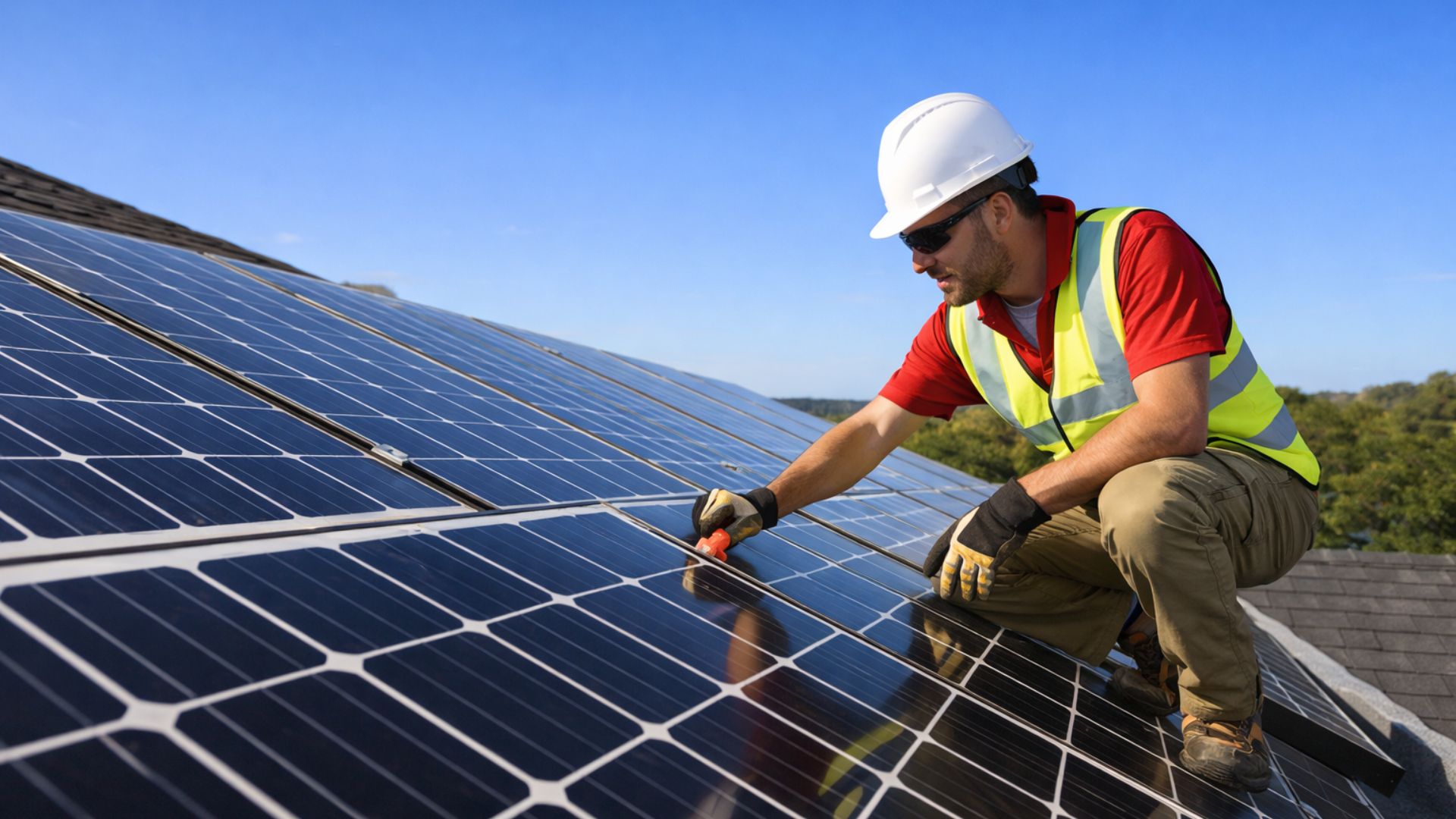
Seagri’s headquarters invests in solar energy with Neoenergia Coelba and promises to cut electricity costs, highlighting a strategic advance in sustainability and energy efficiency within state public administration.
-
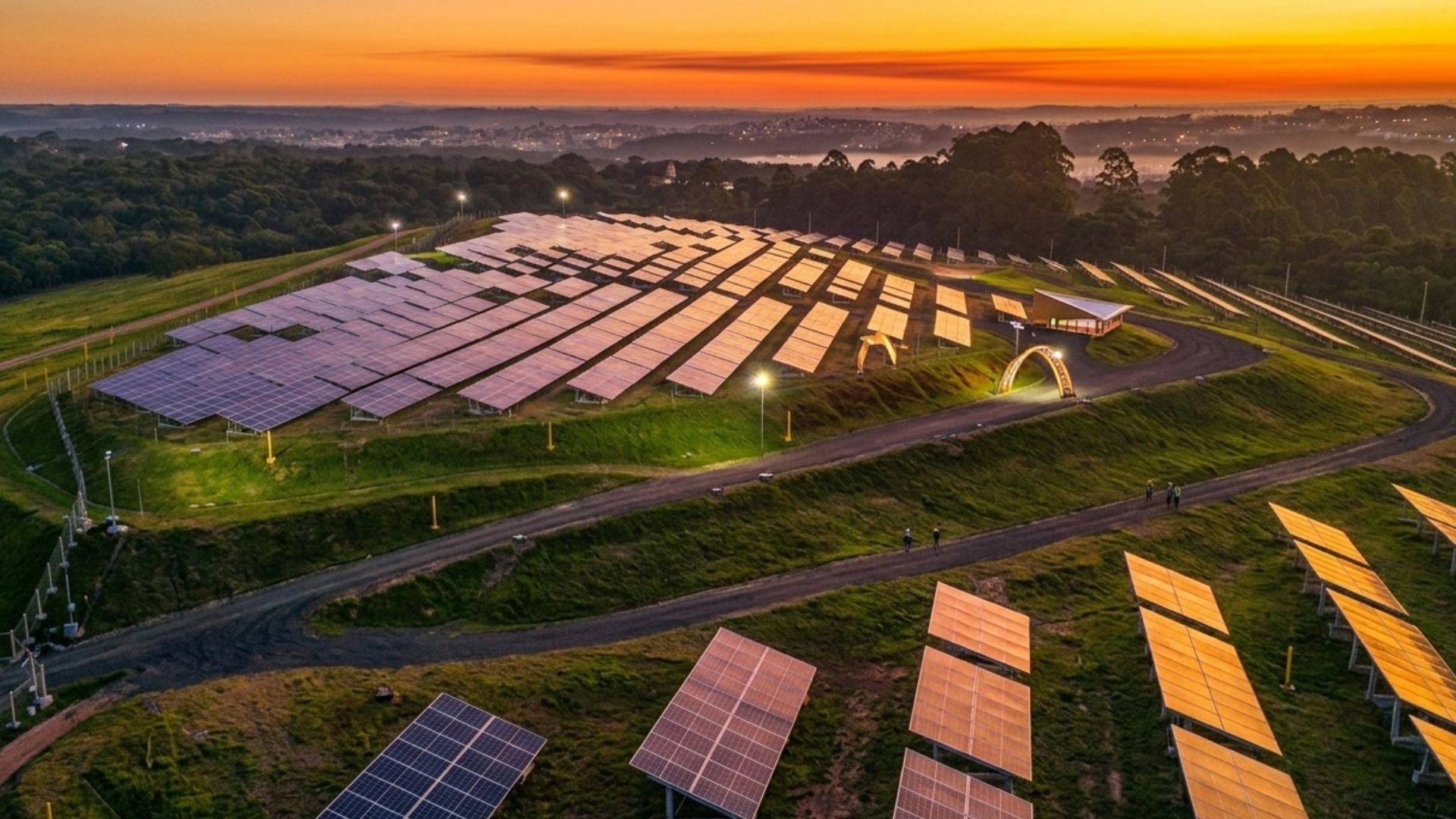
Solar Pyramid draws attention by converting solar energy into million-dollar savings and repositioning the City Hall of Curitiba as an example of innovation, sustainability, and intelligent use of public resources.
-
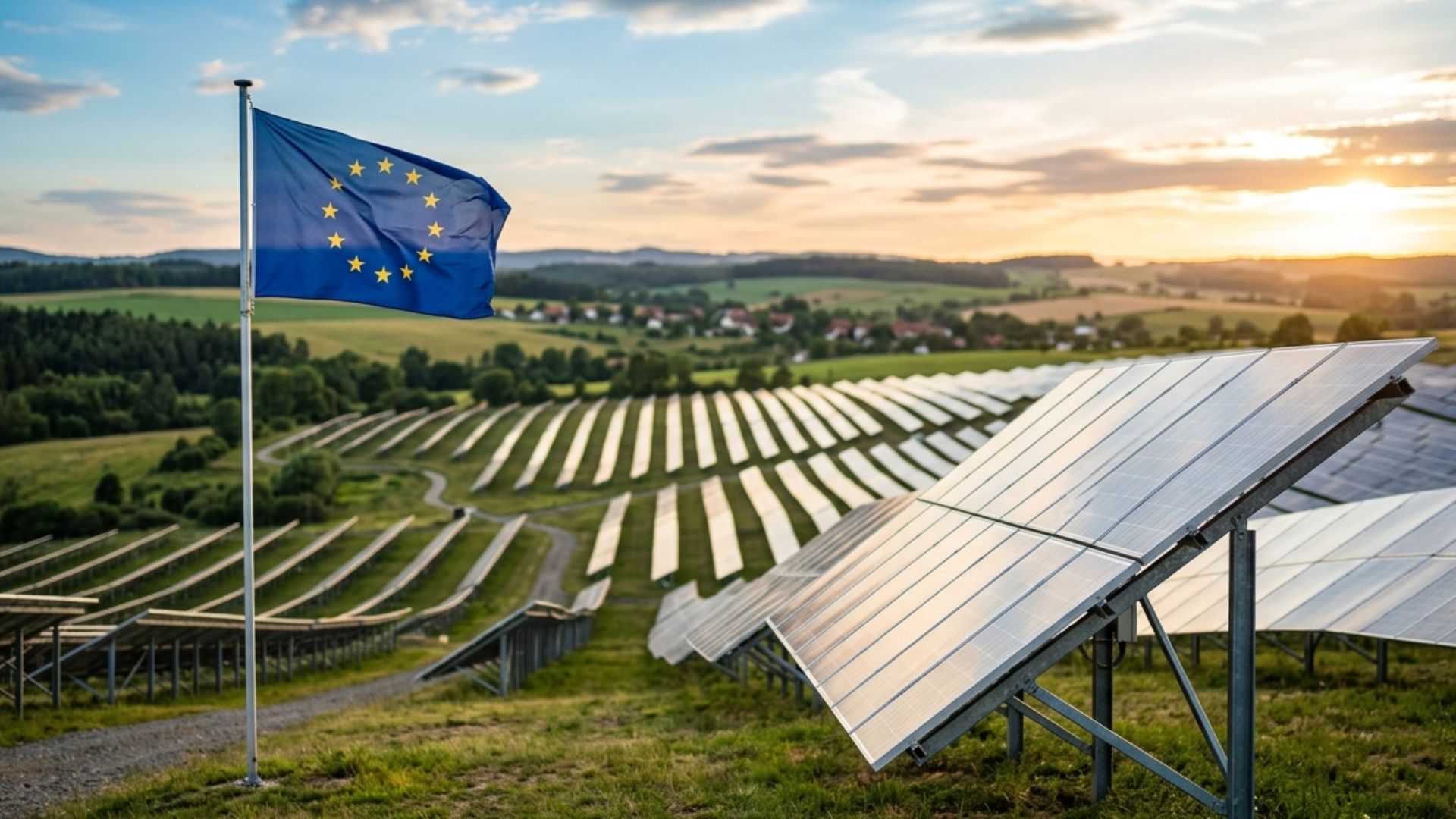
Europe records strong euro economy with solar energy in March and sparks curiosity about which country leads growth that redefines the energy market and reduces costs.
-
Piauí reaches a historic milestone in energy transition: State records nearly 160,000 households powered by solar energy and leads growth in the Northeast.
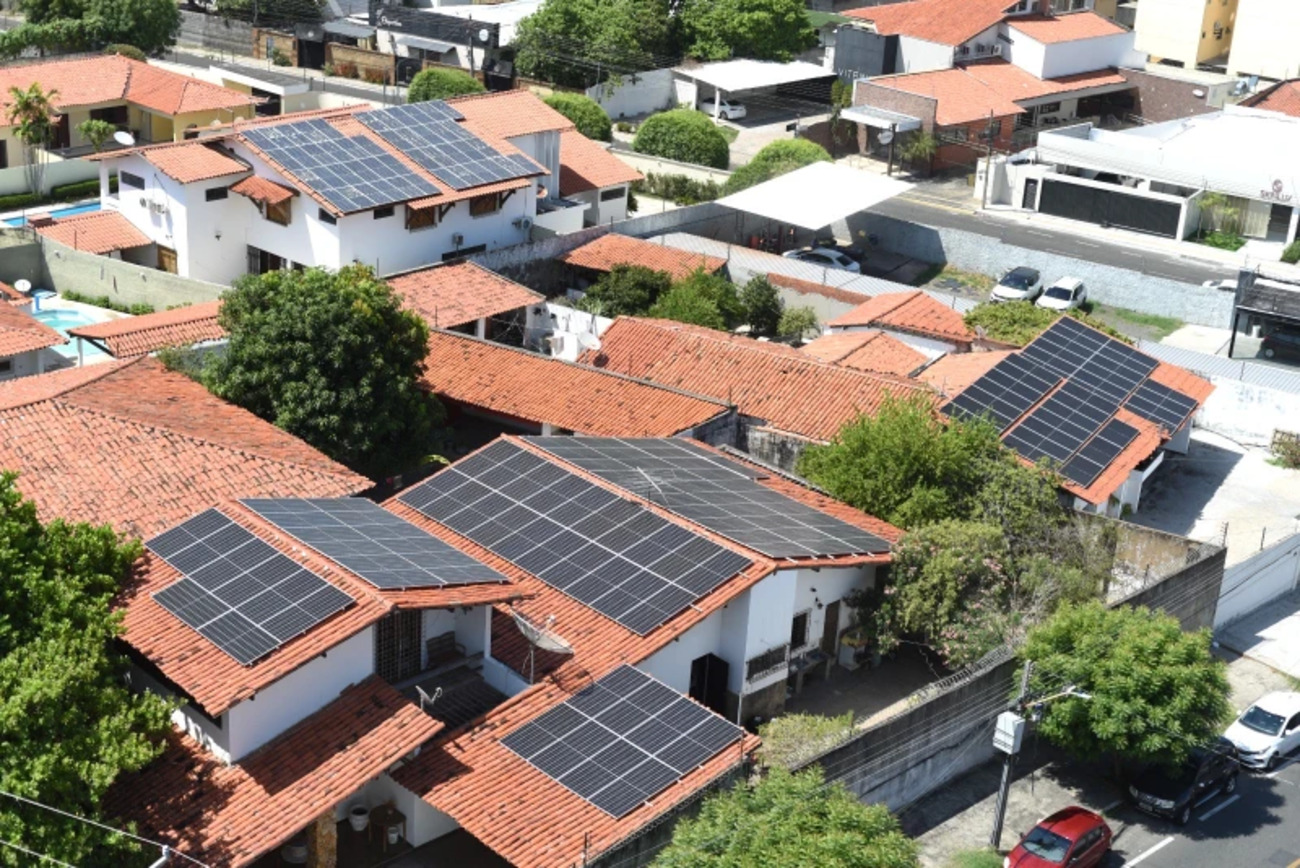

This factor has been decisive for families, businesses, and condominiums facing successive increases in energy tariffs. By generating part of the electricity consumed on-site, photovoltaic systems reduce dependence on the conventional grid and limit exposure to tariff variations.
Moreover, the predictability of costs over time makes solar energy a strategic solution for those seeking medium- and long-term financial planning.
Energy Autonomy And Less Dependence On The Traditional System
Another point highlighted by Marcos Rêgo is the contribution of solar energy to energy autonomy. “The use of solar panels contributes to energy self-sufficiency, helping to generate electricity internally in a clean and sustainable way,” he emphasizes.

By converting sunlight into electricity, photovoltaic systems reduce the need to resort to conventional sources, which are often more expensive and subject to supply fluctuations. Thus, homes and businesses gain greater control over their own consumption, especially during peak periods.
This trend is even more significant in a state with high solar incidence throughout the year, a condition that favors system performance and maximizes energy generation.
Solar Energy Advances In Bahia, But Still Has Great Potential
The numbers show a consistent advance of solar energy in the state. Currently, Bahia has over 263,000 installed photovoltaic systems, distributed across 417 municipalities, with an installed capacity greater than 2.3 GW. Still, this volume represents less than 4% of all consumer units in Bahia.
For the sector, this data highlights both the growth already achieved and the ample space for expansion in the coming years. The combination of high temperatures, favorable solar incidence, and high tariffs creates a suitable environment for increasing the use of this renewable source.
Direct Contribution To The Energy Transition
The growing adoption of solar energy is also directly linked to the energy transition in Brazil. By increasing the share of renewable sources in the electricity matrix, the country reduces dependence on more polluting plants and diversifies its energy generation.
“This is because the country decreases its dependence on polluting plants and strengthens its electricity matrix with a low environmental impact solution. In light of this, we can benefit not only the population but also the future of the next generations and the planet,” emphasizes Marcos Rêgo.
In addition to the environmental aspect, the sector’s expansion generates jobs, stimulates the production chain, and fosters technological innovation in different regions of the state.
Essential Care Before Investing In Solar Energy
Despite the advantages, investing in solar energy requires caution. Marcos Rêgo emphasizes that choosing qualified companies is essential to ensure safety and efficiency over decades. “A solar energy system is an investment for more than 25 years, and consumers must be careful that the cheap option doesn’t turn out to be expensive,” he warns.
Recommendations include hiring companies with a responsible engineer or technician, requiring a detailed project with shading studies, checking the company’s history, and ensuring that the system will be correctly approved by the utility company.
According to him, seeking companies associated with ABS can be a first step to reducing risks and ensuring installation quality.
Association Strengthens The Solar Energy Sector In The State
Founded in 2018, the Bahia Association of Photovoltaic Solar Energy represents companies in the sector in the state. With over 100 associates, the entity develops actions aimed at technical training, regulatory action, legal assistance, and strengthening of associativism.
Amid the increase in demand driven by summer, ABS has played a relevant role in organizing the market and disseminating information about the responsible and efficient use of solar energy in Bahia.








-

Uma pessoa reagiu a isso.