





 Portuguese
  English
  Spanish
  3 min of reading
  0 comments



With the Advancement of Automotive Technology, Independent Workshops Face Increasing Difficulties in Repairing New Cars, Caught in Electronically Controlled Systems by Manufacturers and High Costs of Accessing Essential Technical Data.
In recent years, the new car has come to represent not just a modern means of transportation but also a computer on wheels. Equipped with sensors, software, and electronic control modules, today’s vehicles require complex digital diagnostics that were previously done with simple tools and workshop experience.
But this advancement comes at a high cost for small repair shops. Independent workshops across the country report increasing difficulty in repairing modern models, as much information, trouble codes, and unlocking systems are restricted by the manufacturers themselves. Without complete access, many mechanics must turn to dealerships to complete repairs that were once routine.
The New Technological Dependence and Barriers Imposed by Manufacturers
Mechanic Agnaldo, owner of a medium-sized workshop, claims that even with modern scanners, he still needs to pay annual fees in euros to access electronic diagnostics for certain brands.
-
Less than a Tera TSI, up to 710 km of range and charging in 9 minutes: the new BYD Song Ultra expands the Chinese brand’s bet on increasingly faster, more technological, and competitively priced electric SUVs.

-
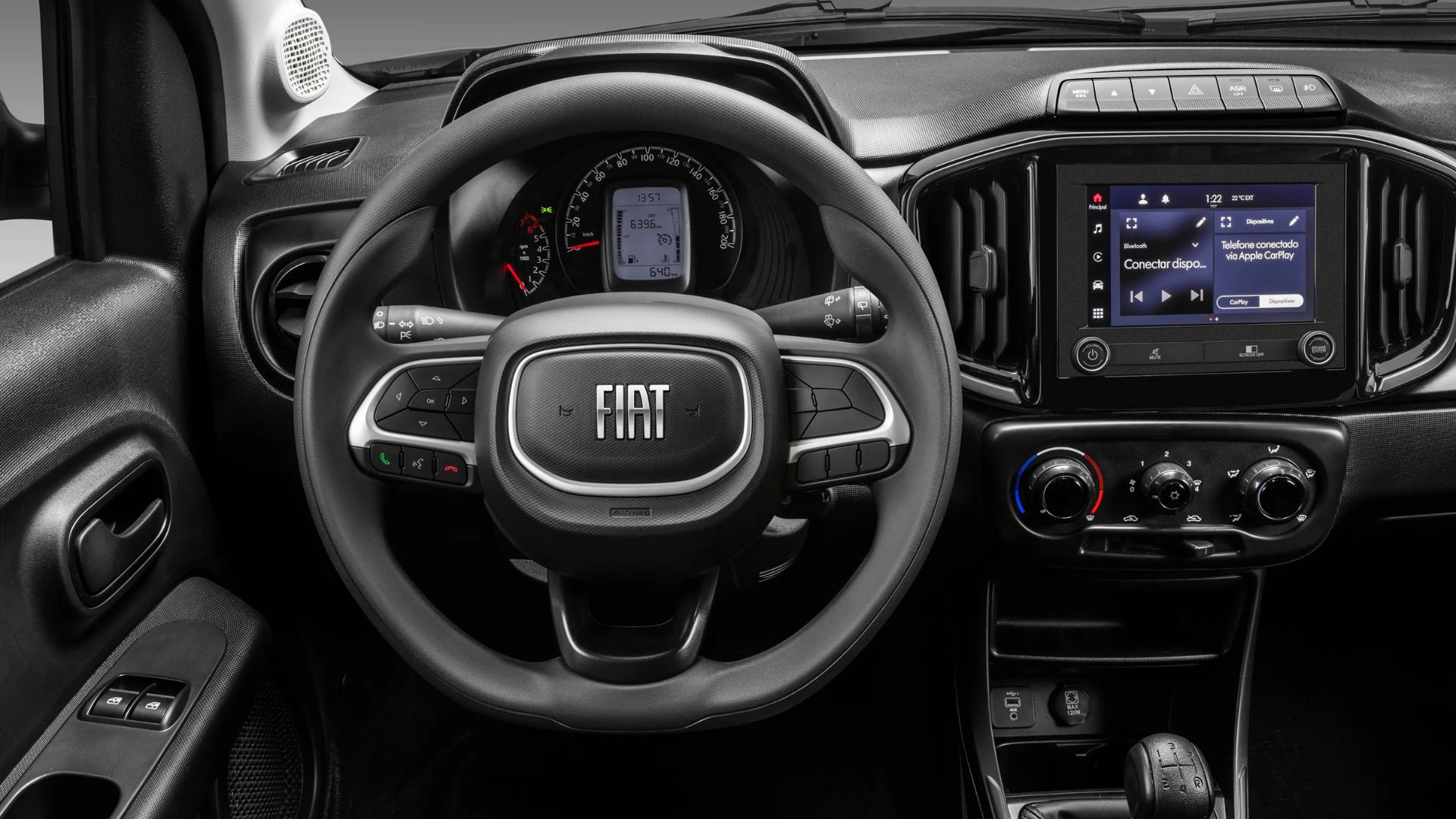
With a 1.0 engine producing 75 hp and costing less than R$ 70,000, Fiat’s car returns to the podium as the cheapest in the country; a temporary promotion for the 2026 Like version reduces the price of the Fiat Mobi.
-
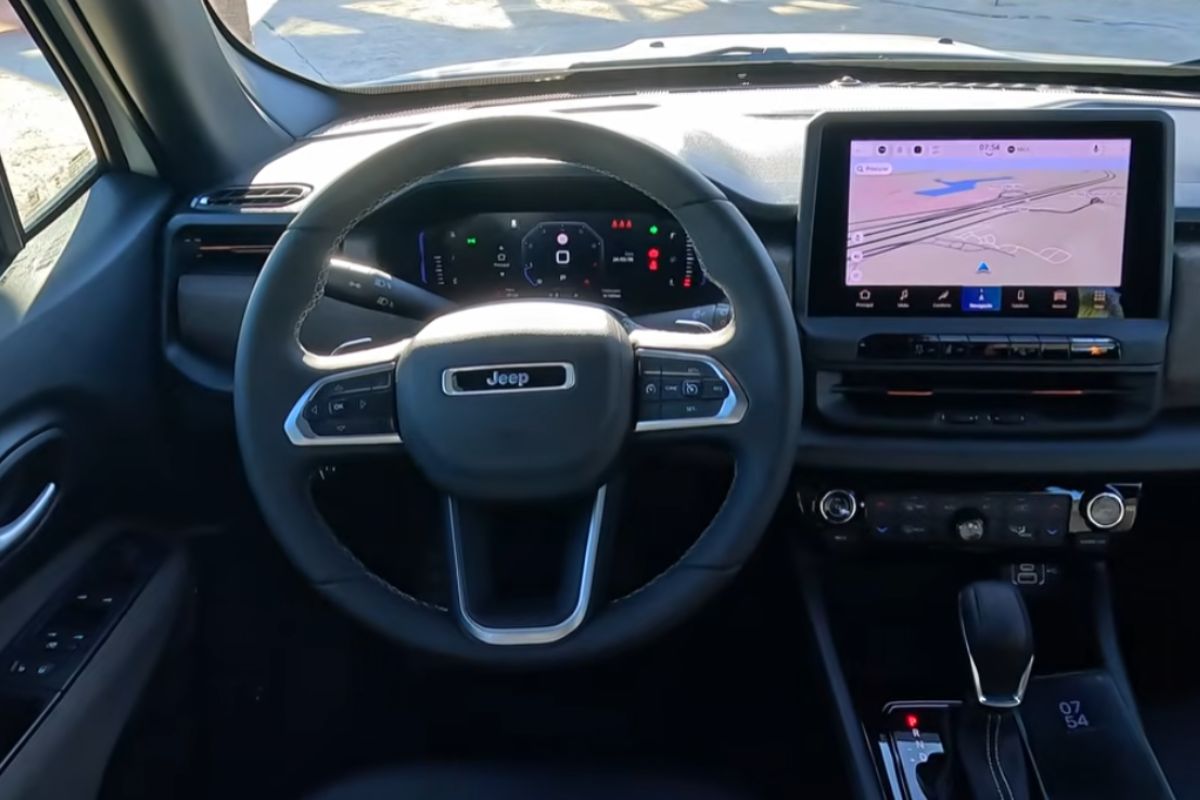
With a mild hybrid system of 48 V, 176 hp and a price of R$ 175,990 in the Sahara version, the new Jeep Renegade changes mostly on the inside, improves slightly in fuel consumption, and remains almost the same car.
-
With a 293.5 cm³ engine and a range of up to 400 km with a 14.1-liter tank, the Honda CB 300F Twister 2026 has up to 24.7 hp, an initial price of R$ 25,150, and already exceeds R$ 29,000 in the Fipe Table.


Each software update or code release depends on the manufacturer’s authorization, which raises service costs and limits the competitiveness of smaller workshops.
“I have to pay every year to get the access code and unlock the car’s system. If I don’t pay, the scanner simply won’t connect,” he explains.
According to him, the cost of these packages can exceed the value of several average repairs per month.
For small workshops, this expense is unfeasible, which ends up excluding professionals from the market and concentrating technical power in the hands of manufacturers.
When the Customer Needs to Return to the Dealership
The scenario repeats itself in different cities across the country. José Roberto, owner of a neighborhood workshop, says he had to send a vehicle back to the dealership after being unable to resolve an electronic problem.
“The scanner identified the code but did not grant access to the correction. Only the manufacturer’s system could authorize the repair,” he reports.
Cases like this have become common, especially in vehicles with digital injection systems, emission sensors, and safety modules.
Diagnostics require encrypted reading, and without the digital key provided by the manufacturer, the workshop cannot complete the repair.
The result is a more expensive service for the consumer and an increasingly closed market for independent repairers.
The Safety Argument and the Fight for the Right to Repair
Manufacturers argue that restrictions on access to technical information serve to protect vehicle safety systems, preventing manipulations that could compromise the electronic and digital integrity of cars.
However, industry experts claim that this control also has economic impacts, as it limits competition and makes free maintenance difficult.
The discussion about the so-called “right to repair” movement advocating for open access to repair information has been gaining traction in various countries.
In Brazil, there is still no specific regulation, but mechanics and repair associations are pushing for laws that ensure fair access to technical data and software, arguing that consumers should be able to choose where to have their vehicle repaired.
The Challenge of Balancing Technology and Fair Access
As the automotive industry moves towards smarter and more connected cars, small workshops run the risk of disappearing, suffocated by costs and technical barriers.
Repairing a new car, which previously depended on a good mechanic, now also relies on login, password, and digital authorization.
For many professionals, the future of the sector depends on a change in posture: either manufacturers open up some of the technical information, or the automotive maintenance chain will be restricted to large groups, reducing jobs, competition, and the autonomy of the consumer themselves.
And you, do you still trust your neighborhood workshop to repair your new car or do you believe that current models have left that in the past?








Seja o primeiro a reagir!