





 Portuguese
  English
  Spanish
  6 min of reading
  0 comments


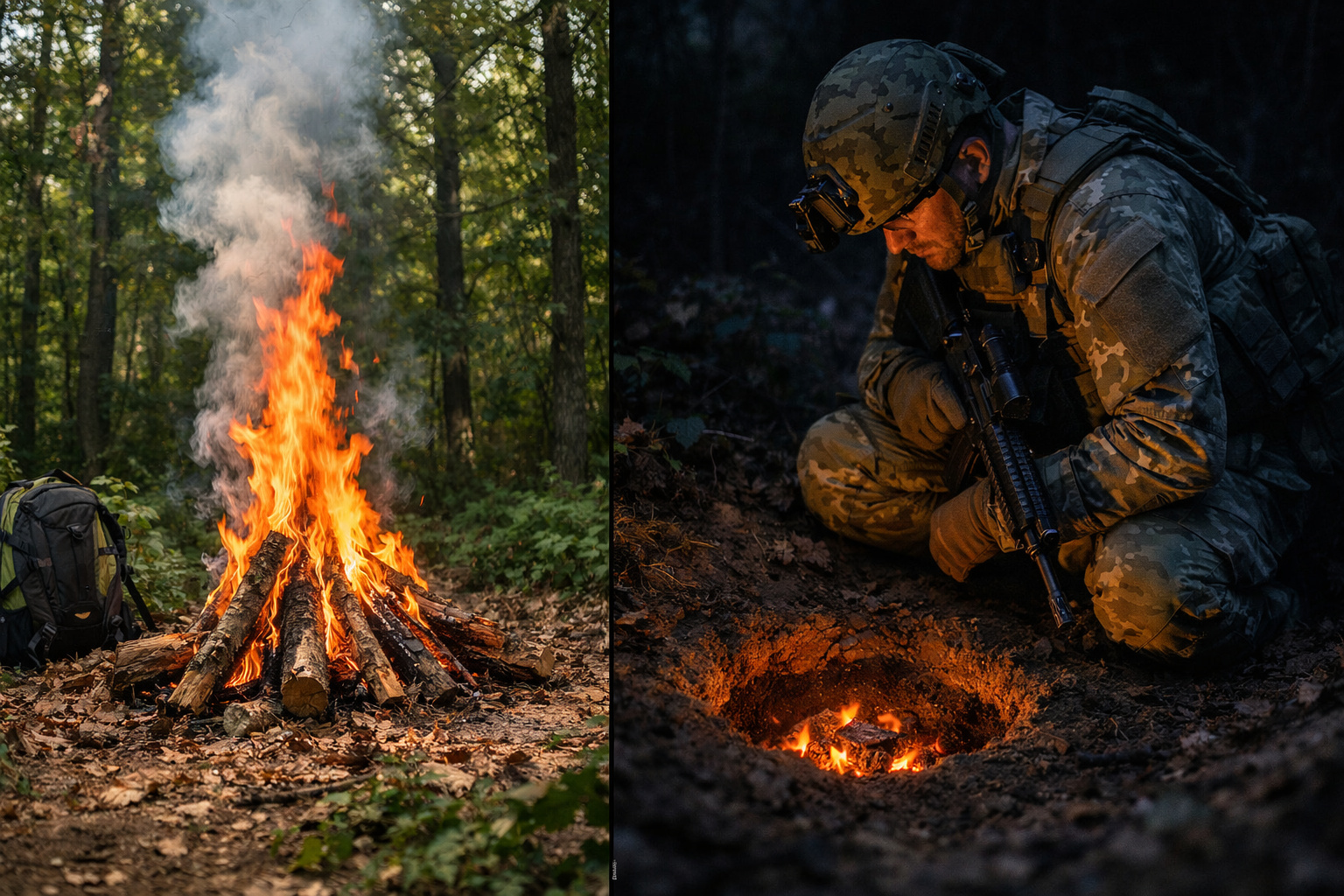
Science-Based Method, Ancestral Practices, and Modern Military Doctrine Turn Fire into an Invisible, Efficient, and Decisive Resource for Tactical and Civil Survival
Imagine yourself isolated in a dense forest region. Night falls quickly, the temperature drops, humidity rises, and your body begins to lose heat. Under these conditions, fire ceases to be comfort and becomes a vital necessity. It warms, purifies water, drives off animals, and sustains survival. However, there is an immediate risk: smoke. Visible for miles, it can reveal your position, attract predators, or, in extreme scenarios, expose your presence to unwanted individuals.
This dilemma is routinely faced by special forces around the world. In evasion, deep reconnaissance, infiltration, or rescue missions in hostile territory, fire remains essential, but smoke becomes a direct threat to life. Over decades of real operations, these groups have developed specific techniques to generate intense heat with minimal or practically zero smoke production.
The information has been disseminated through technical content and operational reports gathered in survival manuals, specialized articles, and historical documentation on military operations in the jungles of South America, Africa, and Southeast Asia. According to analyses published by channels specialized in survival and military doctrine, these techniques are not classified secrets but rather direct applications of combustion science combined with refined traditional practices.
-
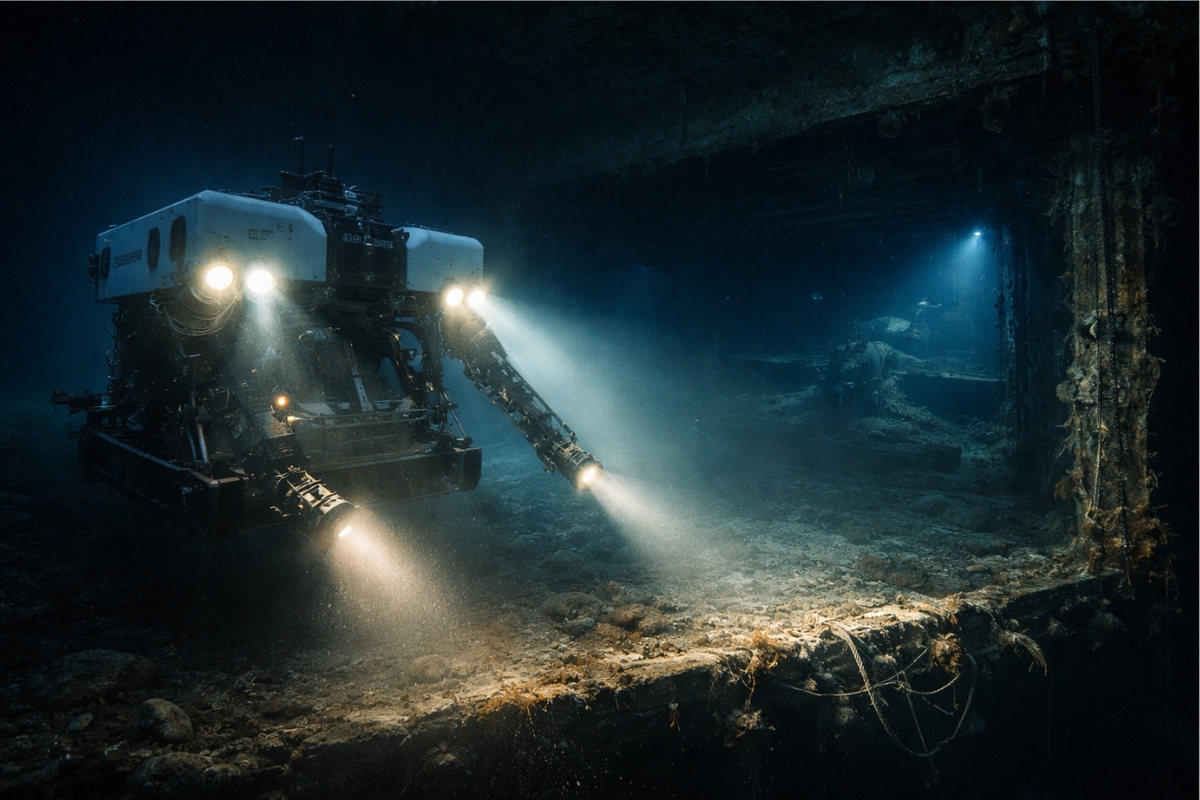
A new underwater exploration, conducted at over 5,000 meters deep, managed to access the aircraft carrier USS Yorktown, which has been sunk for more than 80 years under the Pacific, and brought to light clues from one of its most enigmatic areas that reopen its history.
-
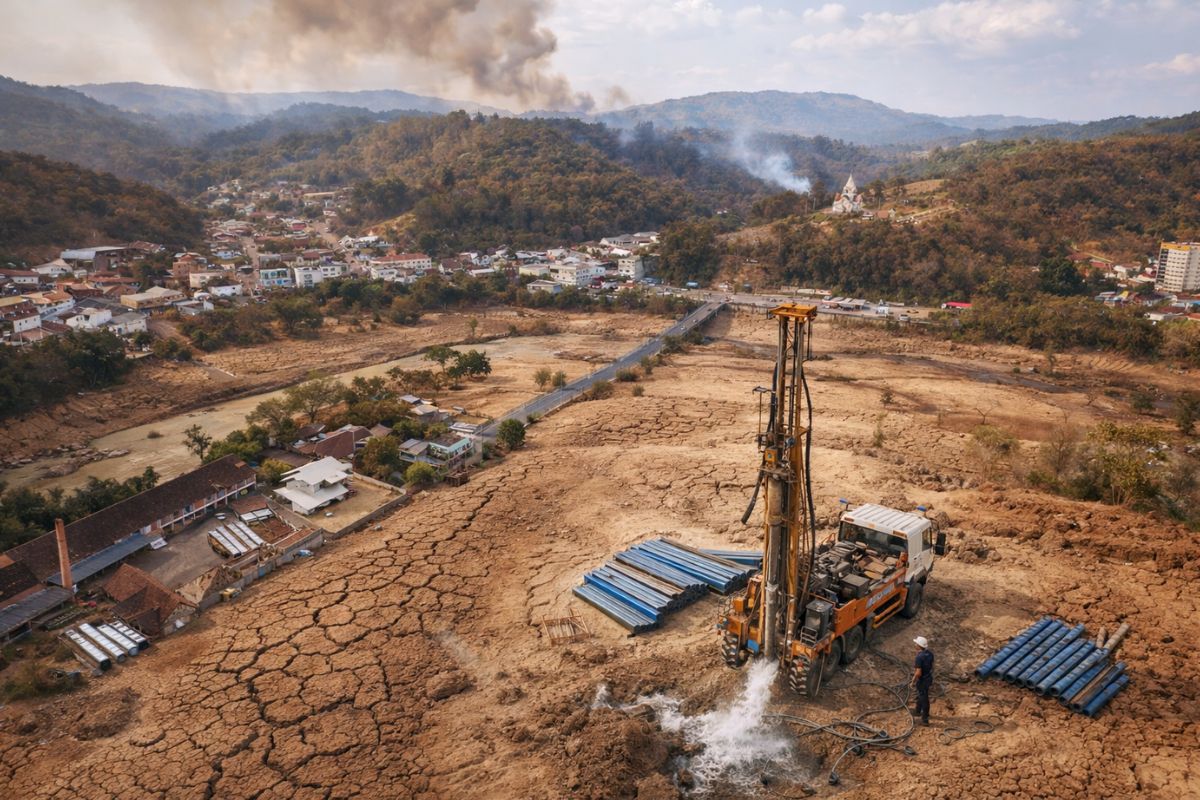
The city of Santa Catarina is experiencing a historic drought that has lasted four months, destroying livelihoods, drying up water sources, and leaving entire families without supply. The city hall has declared a state of emergency and has begun drilling artesian wells to survive.
-
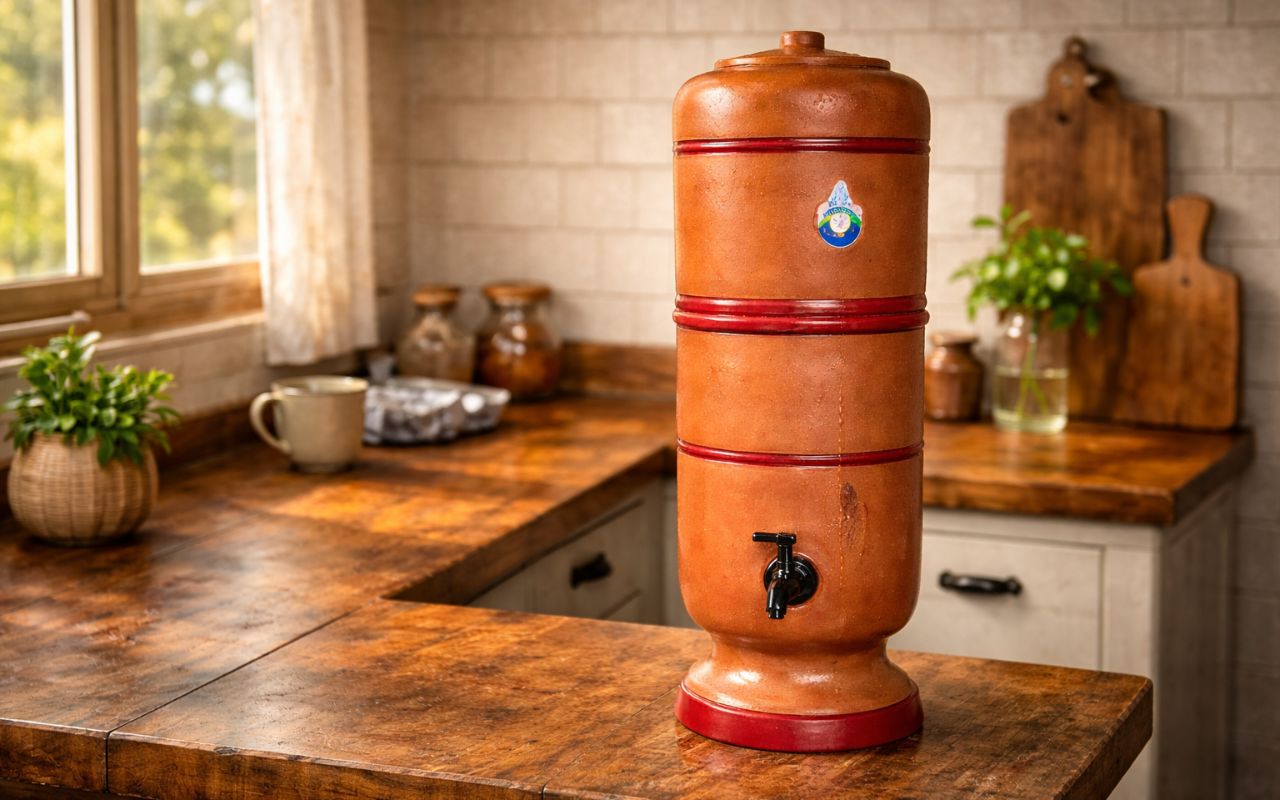
The clay filter dominated Brazilian kitchens, but today it is forgotten! Even without electricity, it ensured fresh water and was one of the simplest ways to purify water.
-
Founded in 1580, just 35 kilometers from São Paulo, this city has almost zero crime, over 200 preserved colonial buildings, and is considered the safest in Brazil among municipalities with more than 100,000 inhabitants.

Before understanding how to build a smokeless fire, it is essential to understand why most common campfires produce so much smoke. The problem lies in what is called incomplete combustion. When wood burns, it releases volatile gases trapped in the fibers. If these gases encounter sufficient oxygen and high temperature, they burn completely, turning into carbon dioxide and water vapor, both invisible. However, when oxygen is lacking, or the temperature is not high enough, these gases do not burn entirely, condensing into microscopic solid particles and dispersing into the air. This phenomenon is smoke.
In addition to being wasted fuel, smoke represents an extremely evident visual signal, especially during the day. In operational environments, a simple column of smoke can compromise an entire mission, reveal positions, attract enemy attention, and put lives at risk. Therefore, special forces have learned to master three critical variables: the type of fuel, the structure of the fire, and the precise management of airflow.
Choosing and Preparing Wood Determines the Success of the Smokeless Fire

The first pillar of the smokeless fire is the fuel. Not all wood is suitable. Green, wet, or freshly cut woods still contain sap and a large amount of moisture. When heated, they release vapor and gases that do not reach the necessary temperature for complete combustion, generating intense smoke. Likewise, resinous woods, such as pine, have a high resin content, which produces dense and dark smoke when burned.
The ideal choice is to use dry, hard, and dense wood. Species such as oak, ipe, rosewood, dry eucalyptus, and angico have high density, low moisture content, and burn at high temperatures, favoring clean combustion. In the Brazilian context, these woods are widely known and used precisely because of their thermal efficiency.
However, the correct choice is not enough. The preparation of the wood is equally decisive. The technique employed by special forces requires that the pieces be cut uniformly, preferably with a diameter between 3 and 5 centimeters. Very thick pieces take a long time to heat and release gases slowly, increasing smoke production. Conversely, very thin pieces burn too quickly, do not sustain high temperature, and also lead to incomplete combustion.
Furthermore, it is essential to ensure that the wood is completely dry. A simple test is to check if it feels dry to the touch, if it breaks with a clean snap, and if it shows no visible mold or moisture. If the wood was collected from the forest floor, it may be necessary to leave it in the sun to dry before use, whenever conditions allow.
Intelligent Structures Allow Complete Combustion and Minimal Smoke Emission
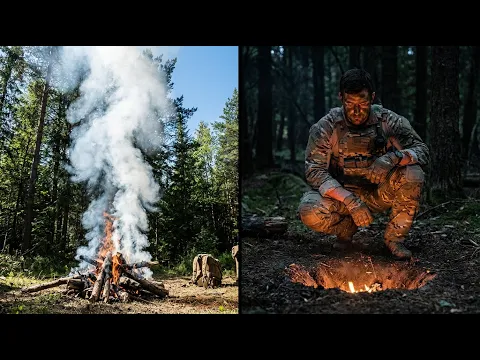

The second pillar of the smokeless fire lies in its structure. Among the various existing configurations, the most efficient for eliminating smoke is the so-called inverted pyramid fire, also known as top-down fire or upside-down fire. This technique reverses the traditional logic of building a fire.
Instead of positioning thin twigs at the base and thick logs above, the process is precisely the opposite. The base is formed by thick logs arranged parallel and close to each other. On top of them, a second layer of slightly thinner wood is placed perpendicularly to the first. Then progressively thinner layers are added, always alternating the direction, until reaching the top, where the thin twigs and ignition material are located.
When the fire is lit at the top, it starts small and controlled. As it burns, it gradually heats the lower layers, releasing volatile gases slowly and steadily. The key point of this technique lies in the path of these gases: as they rise, they pass through the flames already established at the top, where they encounter high temperature and sufficient oxygen to burn completely before escaping from the fire. The result is efficient, stable combustion with minimal smoke production.
Another widely used structure is the cota fire, also called a hole fire. This technique is especially effective in open environments, where there is no vegetation cover to obscure the light of the flames. The cota fire consists of digging two holes in the ground, connected by an underground tunnel. The first hole, about 30 centimeters in diameter and 40 centimeters deep, houses the fire. The second, smaller and located approximately 30 centimeters away, serves as an air inlet.
The tunnel connects the two points and creates a continuous and directed airflow. Fresh air enters through the smaller hole, travels through the tunnel, and rises through the fire, providing oxygen steadily. This configuration ensures extremely efficient combustion, drastically reduces smoke, conceals the light of the flames, and protects the fire from the wind. Historically, this technique has been used by American soldiers since World War II, after learning from the indigenous peoples of the Dakota plains.
Airflow Control, Health, and Practical Applications of the Technique
The third pillar of the smokeless fire is airflow management. The fire needs oxygen, but both insufficient and excessive amounts are detrimental. Insufficient oxygen results in incomplete combustion and smoke. Excess oxygen cools the flames and also increases particle emission. Balance is essential.
In the inverted pyramid fire, the spacing between the logs allows for natural air circulation. In the cota fire, the underground tunnel ensures continuous and controlled airflow. Regardless of the structure, using flat stones around the base of the fire can further optimize the process. Stones create air channels, reflect heat back to the fire, and raise the internal temperature, promoting complete combustion.
In addition to the tactical aspect, smoke poses a significant health risk. It contains carbon monoxide, fine particles, and volatile organic compounds. Prolonged inhalation can lead to eye irritation, coughing, breathing difficulties, and, in enclosed or semi-enclosed environments, severe poisoning. Therefore, even in non-tactical survival situations, reducing smoke makes fire safer and more comfortable.
From an energy standpoint, efficiency is also crucial. Smoke is wasted energy. A smokeless fire burns hotter, uses less wood, and lasts longer, a determining factor in survival scenarios where resources are limited. Reports of real operations in South America indicate that special forces teams managed to stay for up to five days in hostile territory using exclusively cota fires without being detected, thanks to the efficiency and discretion of the technique.
In practice, these techniques are not limited to military use. They are ideal for camping in areas with a risk of wildfires, for hunters who do not want to alert their prey, for regions with strict fire regulations, and for anyone who wants to cook or warm up without smoke in their eyes or smell lingering on their clothes.
Mastering the smokeless fire is, therefore, more than just a technical skill. It is knowledge accumulated over millennia, refined by indigenous peoples, confirmed by modern science, and applied in extreme ways by special forces. Clean fire is efficiency, safety, and control. In any scenario, smoke is not an ally. It is a sign of waste, risk, and vulnerability.





Seja o primeiro a reagir!