





 Portuguese
  English
  Spanish
  3 min of reading
  0 comments


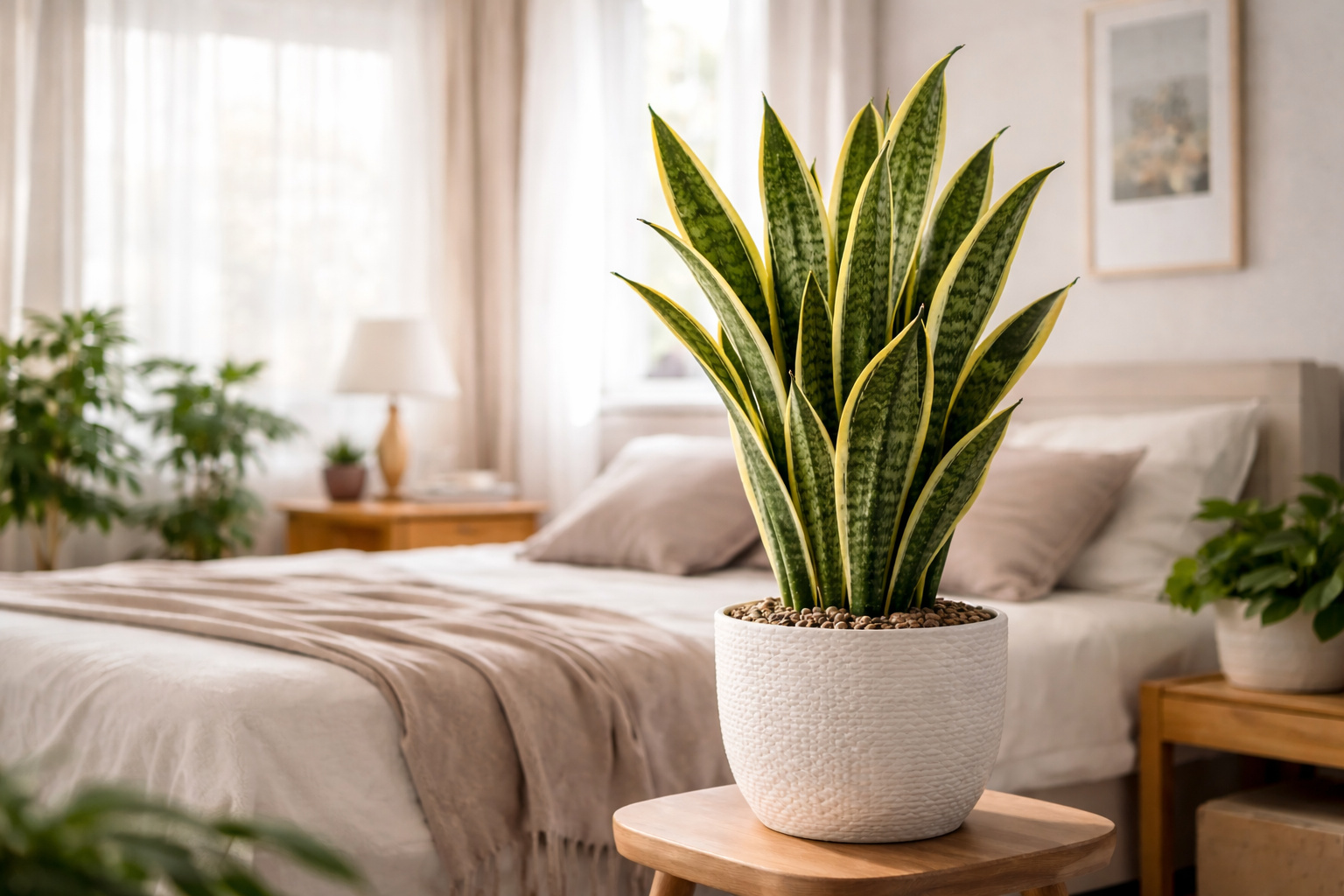
Resilient and Low-Maintenance Species Maintains Nighttime Metabolic Cycle That Contributes to Air Renewal Indoors
The snake plant, scientifically known as Sansevieria trifasciata, frequently appears in recommendations from botany experts for indoor environments.
Over the past few decades, this species has gained popularity for offering a practical alternative for those looking to improve air quality and maintain a balanced home environment.
Additionally, many people with busy routines have begun to choose this plant because of its low maintenance needs.
-
Family buys mansion destroyed by fire for $1.5 million, faces over 500 days of construction, transforms loss into high-end property, and leaves neighbors in awe.

-
The world consumes 50 billion tons of sand per year and no one is monitoring it: the UN warns that the second most used resource on the planet after water is running out and has even created an international mafia.

-
With a length of 211 meters, a double iron hull, and propulsion by sails, paddles, and a screw propeller simultaneously, the Great Eastern was the largest ship on the planet and ultimately laid the first successful transatlantic telegraph cable.

-
A truck driver spent 21 years building a 15-meter replica of New York using balsa wood, cardboard, and regular glue; the work, featuring hundreds of thousands of buildings, has become an attraction in a museum in the city itself.


Another relevant factor involves its atmospheric filtering properties, which help renew the air in enclosed spaces.
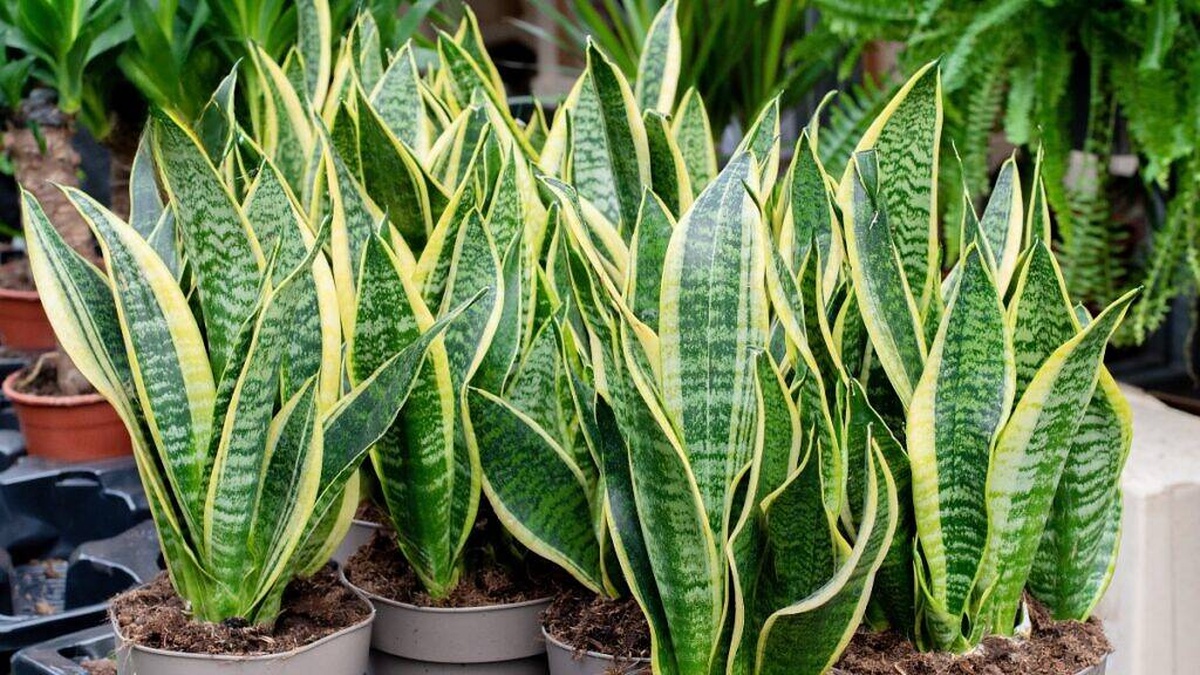
Nighttime Metabolic Cycle Sets the Species Apart from Other Plants
The Sansevieria trifasciata exhibits a metabolic behavior different from most ornamental plants.
While many species reduce oxygen production in the absence of sunlight, the snake plant maintains a physiological cycle that allows for air renewal at night.
This behavior caught the attention of botany researchers during the 2010s, a time when studies on indoor plants gained more prominence.
Plant physiology experts explain that this feature makes the plant a common choice in bedrooms and indoor environments with limited ventilation.
Thus, the space continues to benefit from the plant’s presence even during the night.
Plant Helps Reduce Substances Present in the Environment
In addition to its nighttime metabolic behavior, the snake plant also stands out for its ability to contribute to reducing indoor pollutants.
Researchers note that the plant helps neutralize chemical substances that tend to accumulate in enclosed spaces.
As a result, it contributes to air renewal and improves the environment’s balance.
This function reinforces the plant’s role not just as a decorative element, but also as a natural filter that works silently indoors.
For this reason, indoor gardening and functional decoration projects have started to include the species more frequently.
Species Resistance Favours Routines with Little Time for Care
Another aspect that draws attention to the snake plant involves its great resistance to adverse conditions.
The plant can thrive even in environments where many ornamental species do not perform well.
Among the conditions it tolerates are:
• Environments with little natural light
• Prolonged periods with little watering
• Indoor spaces with minimal maintenance
For this reason, people with busy routines often choose this plant to maintain vegetation indoors without requiring constant care.
Additionally, its adaptability helps keep the plant healthy even in less than ideal conditions.
Simple Care Helps Keep the Plant Healthy
Despite the species’ resistance, experts recommend some basic care to preserve its health.
Firstly, cultivation should ensure good drainage in the pot, preventing excessive water buildup in the soil.
This care reduces excessive moisture and helps maintain the plant’s balance.
Furthermore, proper drainage preserves its ability to act as a natural air purification element.
When provided with these simple care routines, the snake plant operates as both a decorative piece and a living filter for the environment.
By choosing this species, residents gain a durable, resilient, and functional plant.
Meanwhile, it continues to work silently in the environment, even at night.
Given these characteristics, the snake plant remains one of the most practical options for those seeking ornamental plants with benefits for the home environment.
After all, given so many available ornamental species, will resilient and functional plants like the snake plant continue to gain space in indoor environments?









Seja o primeiro a reagir!