





 Portuguese
  English
  Spanish
 5 min of reading
  0 comments


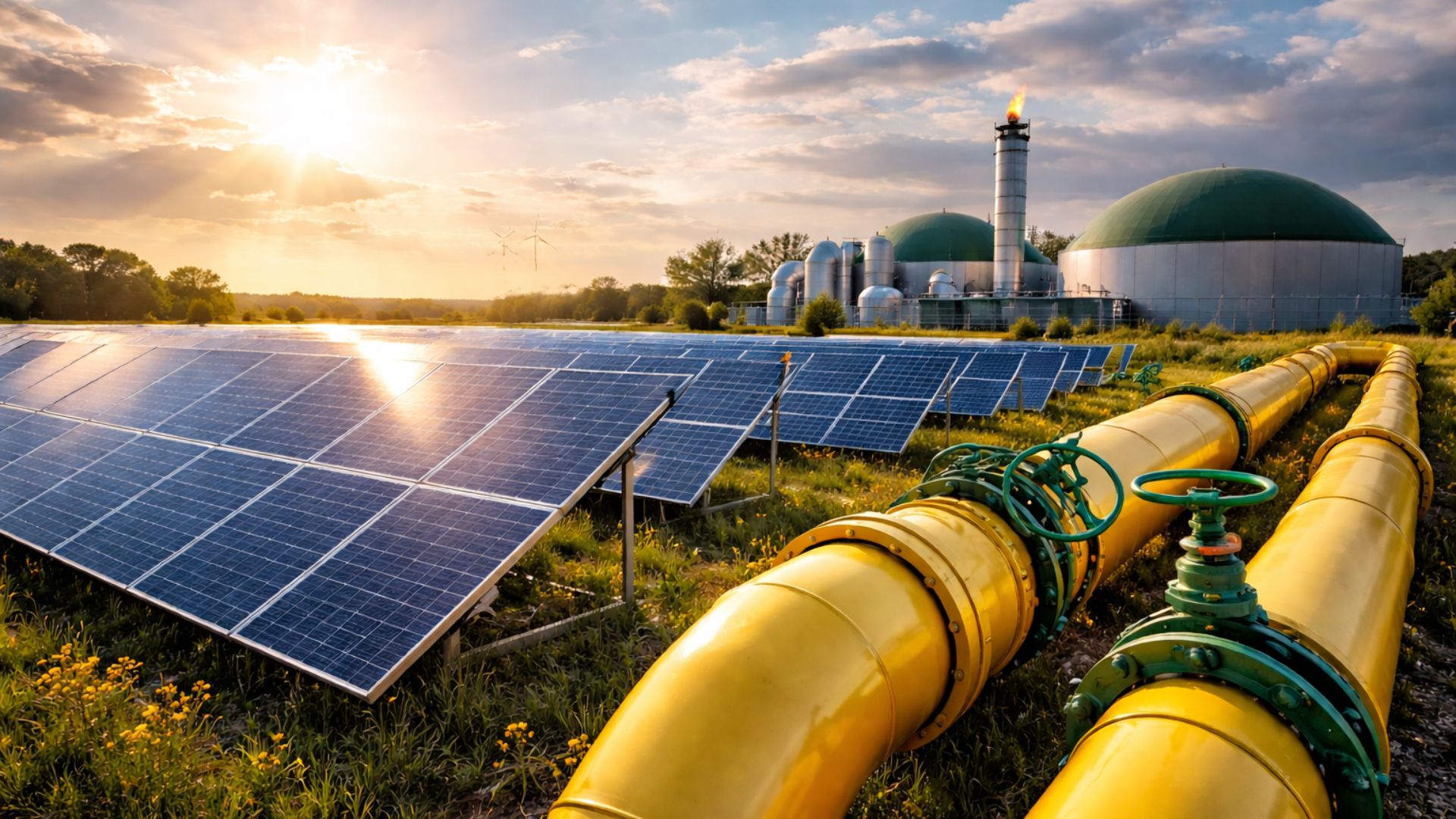
Interior of São Paulo Accelerates The Energy Transition With The Advancement Of Solar Energy And Biogas In The West Of São Paulo, Expanding Renewable Generation, Economic Sustainability, Green Jobs, And Attracting New Regional Investments.
In January, the interior of São Paulo established itself as one of the most strategic regions for the expansion of clean energy sources in the country. According to an article published by G1 this Sunday (11), the advancement of solar energy and biogas in the West of São Paulo highlights a structured movement of energy transition, supported by private investments, state public policies, and favorable technical conditions for renewable generation.
Presidente Prudente emerges as a national reference by becoming the first Brazilian city to receive urban supply with 100% renewable biogas produced from sugarcane waste. At the same time, distributed solar energy grows consistently, driven by the high solar irradiation in the region and tax incentives valid until 2026.
West of São Paulo Expands Renewable Generation With Structuring Projects
The scenario combines sustainability, economic development, and energy security, positioning the West of São Paulo as an emerging hub of innovation in the energy sector and opening new investment opportunities in the interior of São Paulo.
-
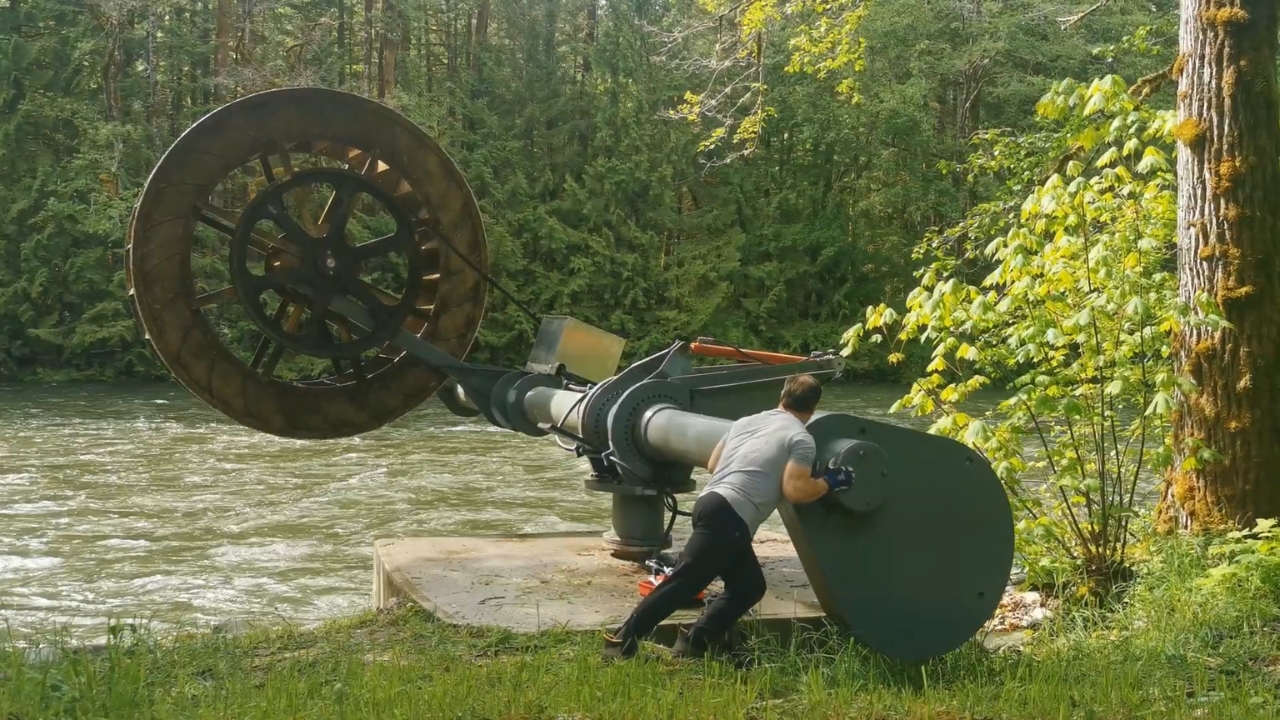
A Canadian retiree creates a hydroelectric system on a real river, generating energy continuously throughout the day and demonstrating how the power of water can supply a house with stability even in a simple structure.
-
Petrobras reaffirms its commitment to the market and ensures that it will carry out the energy transition safely to maintain national sovereignty.
-
Researchers discover a possible hydrogen deposit of up to 46 million tons beneath an ancient coal basin, and the volume could exceed half of the entire global production.

-
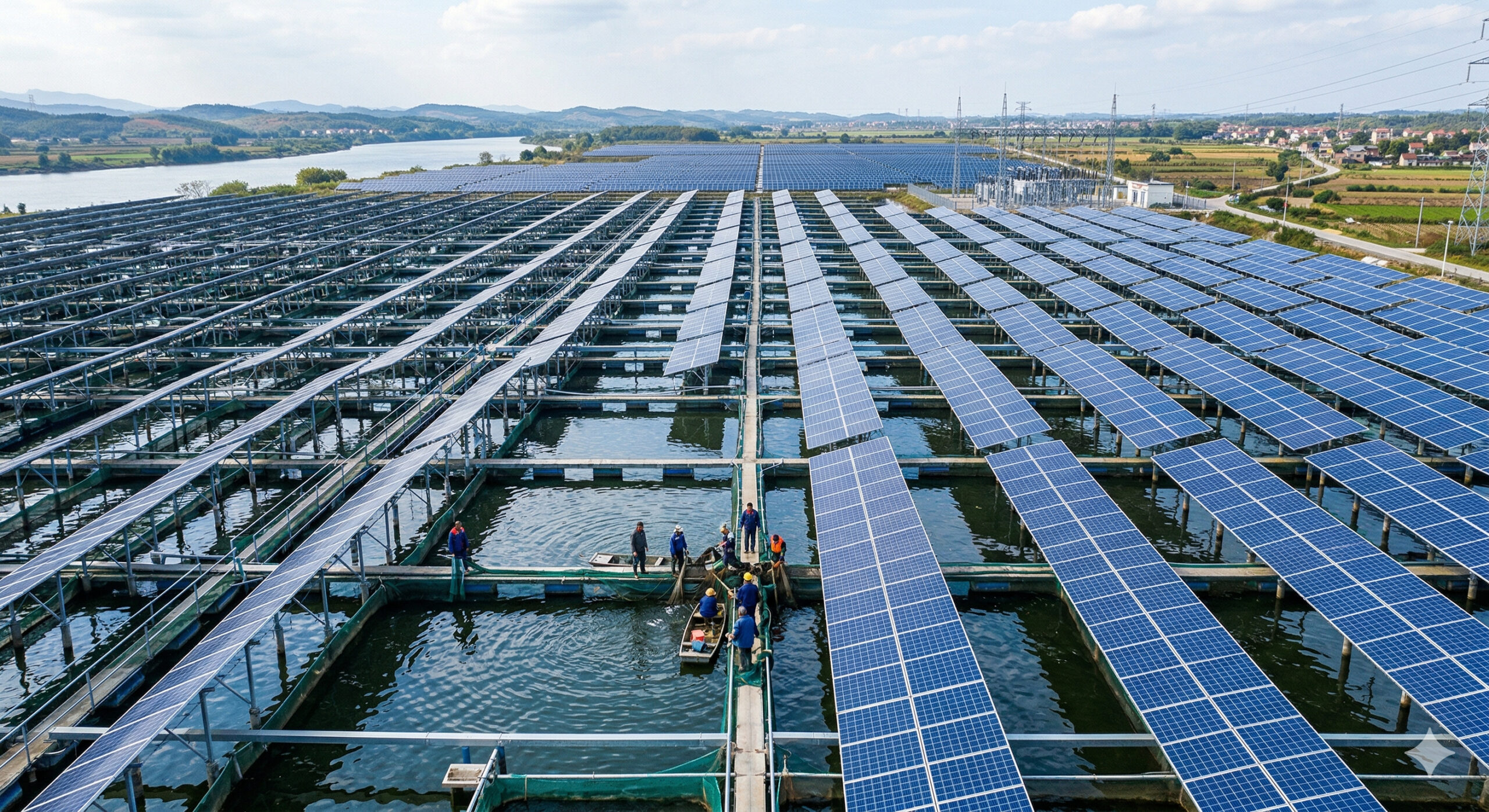
China bets on the Fishery-PV model and transforms fish farms into giant solar plants, covering ponds with panels that generate energy while utilizing the same space for large-scale aquaculture production.

The West of São Paulo has consistently advanced in diversifying its energy matrix, integrating well-established renewable sources with new technological solutions. The presence of hydroelectric plants, centralized solar projects, and distributed generation, in addition to the recent urban biogas network, strengthens regional renewable generation.
Diversification reduces risks and increases the resilience of the energy system, especially in a context of economic growth and increased electricity demand. According to Marisa Barros, the Undersecretary of Energy and Mining at the Environment, Infrastructure and Logistics Secretariat (Semil), energy consumption is directly linked to regional development, requiring planning and efficient solutions.
In this environment, the interior of São Paulo is no longer just an energy consumer and takes on an active role in energy production and innovation, reinforcing sustainability as a strategic development axis.
Solar Energy In The West of São Paulo Advances With Distributed Generation And Tax Incentives
Solar energy is experiencing significant growth in the Presidente Prudente region, driven by favorable natural conditions and a state market considered mature and competitive. The municipality leads the regional distributed generation ranking, with 96 megawatts (MW) installed, while the state of São Paulo totals 6.1 gigawatts (GW), equivalent to 14% of national capacity.
According to Semil, the technical and economic feasibility of solar projects is particularly high in the services, industry, and agriculture sectors. The proximity of generation to consumption reduces transmission losses, increases system efficiency, and decreases dependence on large centralized plants.
Another decisive factor is fiscal policy. The state government approved incentives in the ICMS Regulation (RICMS) for solar energy in the distributed generation modality, valid until December 2026, which helps reduce costs and expands access to technology.
Biogas And Biometano Drive Sustainability And The Circular Economy
The advancement of biogas in the West of São Paulo gained national relevance with the implementation of Brazil’s first urban biometano network in Presidente Prudente. The fuel is produced by Cocal Plant in Narandiba (SP), from sugarcane waste, and distributed by the concessionaire Necta.
The project is a concrete example of the circular economy, transforming waste from the sugar-energy sector into clean, renewable energy. The infrastructure works were supported by the Government of the State of São Paulo, facilitating the connection between production and urban consumption.
There was an investment of R$ 12 million in the construction of 44 kilometers of gas pipelines, with an initial supply capacity of 7,000 cubic meters per day, serving approximately 5,000 people and 58 establishments. In this context, biogas consolidates itself as a vector of environmental sustainability and economic efficiency.
Energy Infrastructure Strengthens Solar Energy And Biogas In The Region
Infrastructure is one of the central pillars for the expansion of solar energy and biogas in the interior of São Paulo. According to Marisa Barros, the next growth frontier for renewable generation lies in the integration of storage systems capable of mitigating the intermittency of solar sources and increasing supply reliability.
In addition to distributed generation, the West of São Paulo has a centralized photovoltaic solar plant in Dracena, with 27 MW of installed capacity, in addition to supply from hydroelectric plants, such as the one located in Taciba.
The combination of different sources increases energy security, improves system planning, and creates a more attractive environment for new industrial, commercial, and service ventures, boosting regional competitiveness.
Green Jobs And New Opportunities With Renewable Generation
The expansion of renewable generation in the West of São Paulo also boosts the job market and the local economy. Solar energy and biogas projects generate green jobs, require skilled labor, and stimulate regional production chains.
The state of São Paulo hosts a large number of integrators, installers, and specialized financiers, which reduces transaction costs and enhances project quality. This environment benefits both large investors and small and medium entrepreneurs interested in sustainable energy solutions. Sustainability now also represents an economic differential, fostering regional development, technological innovation, and productive inclusion in the interior of the state.
Sustainability, Decarbonization, And Security Of The Electric System
The electrical matrix of São Paulo already stands out for being predominantly clean, with nearly 100% participation from renewable sources. The expansion of solar energy and biogas reinforces this profile and directly contributes to the decarbonization of the energy system.
Adding new clean sources reduces greenhouse gas emissions, strengthens supply security, and aligns the state with national and international climate goals. In the West of São Paulo, this process occurs in an integrated manner, with environmental, social, and economic benefits. In this scenario, sustainability ceases to be just a discourse and consolidates as public policy, business strategy, and concrete investment opportunity.
The Interior of São Paulo Consolidates As A Strategic Hub For Clean Energy
The projected growth of solar energy and biogas in the West of São Paulo evidences a structural transformation in the regional energy matrix. With projects already in operation, active tax incentives, and continuous investments in infrastructure, the region advances consistently in renewable generation.
The data demonstrates a viable, scalable model aligned with current climate demands, capable of creating jobs, attracting capital, and promoting long-term sustainability. By integrating innovation, public policies, and private initiatives, the interior of São Paulo positions itself as a national reference in energy transition.
For investors, public managers, and consumers, the scenario represents a concrete opportunity for economic growth associated with clean energy, reinforcing the strategic role of the West of São Paulo in Brazil’s energy future.





Seja o primeiro a reagir!