





 Portuguese
  English
  Spanish
  3 min of reading
  0 comments



Solar Energy Installation Slows Down in Brazil After Taxation on Panels, High Interest Rates, and Regulatory Hurdles, According to Data from Absolar and the Financial Market.
The growth rate of solar energy in Brazil has entered a slowdown trajectory. After years of accelerated expansion, the productive sector now projects a more cautious outlook. According to the Brazilian Solar Photovoltaic Energy Association (Absolar), the expectation is for a 7% decrease in the total expansion of new installations throughout this year.
This movement occurs amidst a set of factors that pressure the market. Among them, high interest rates, regulatory difficulties, and especially a 25% tax on the importation of solar panels, implemented by the federal government in June 2025, stand out. The measure significantly altered the planning of companies and investors.
Generation Cuts and High Interest Rates Pressure the Sector
In addition to taxation, analyses from the financial market reinforce the slowdown reading. A report from XP Investments indicates that generation cuts and the current level of the interest rate are likely to limit the growth of solar energy in 2026. According to the study, the macroeconomic environment reduces the attractiveness of new projects and increases the cost of capital.
-
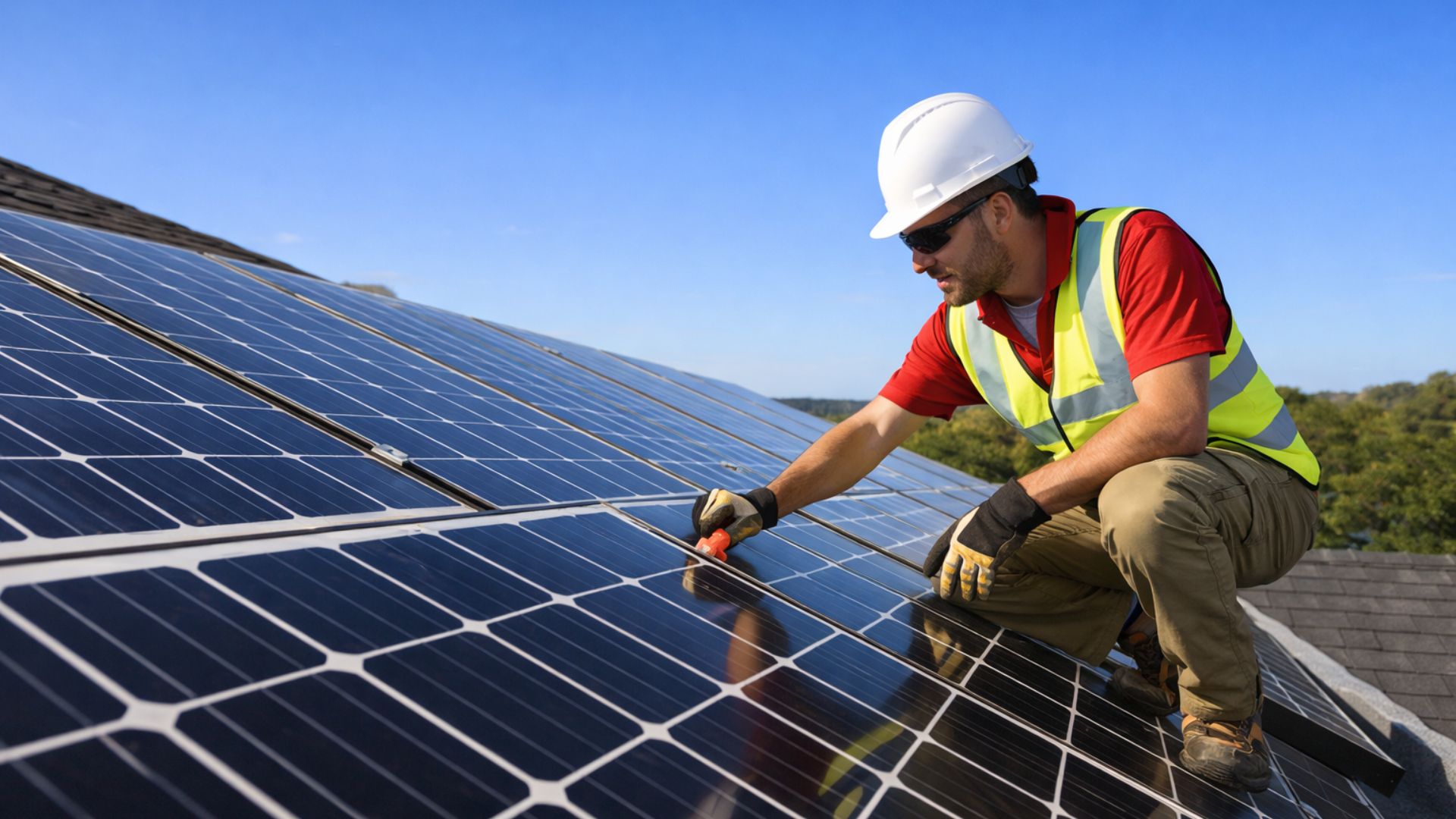
Seagri’s headquarters invests in solar energy with Neoenergia Coelba and promises to cut electricity costs, highlighting a strategic advance in sustainability and energy efficiency within state public administration.
-
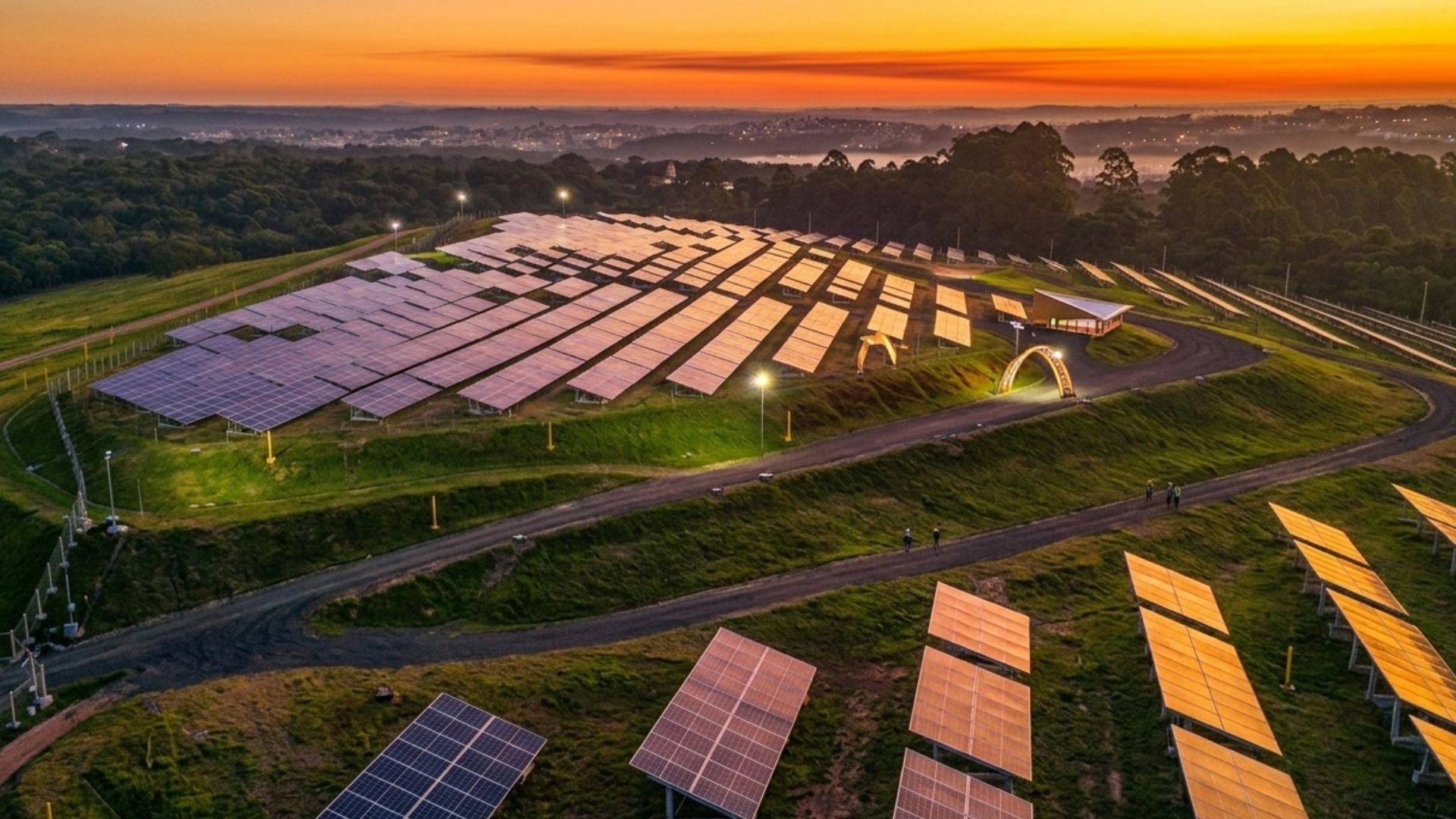
Solar Pyramid draws attention by converting solar energy into million-dollar savings and repositioning the City Hall of Curitiba as an example of innovation, sustainability, and intelligent use of public resources.
-
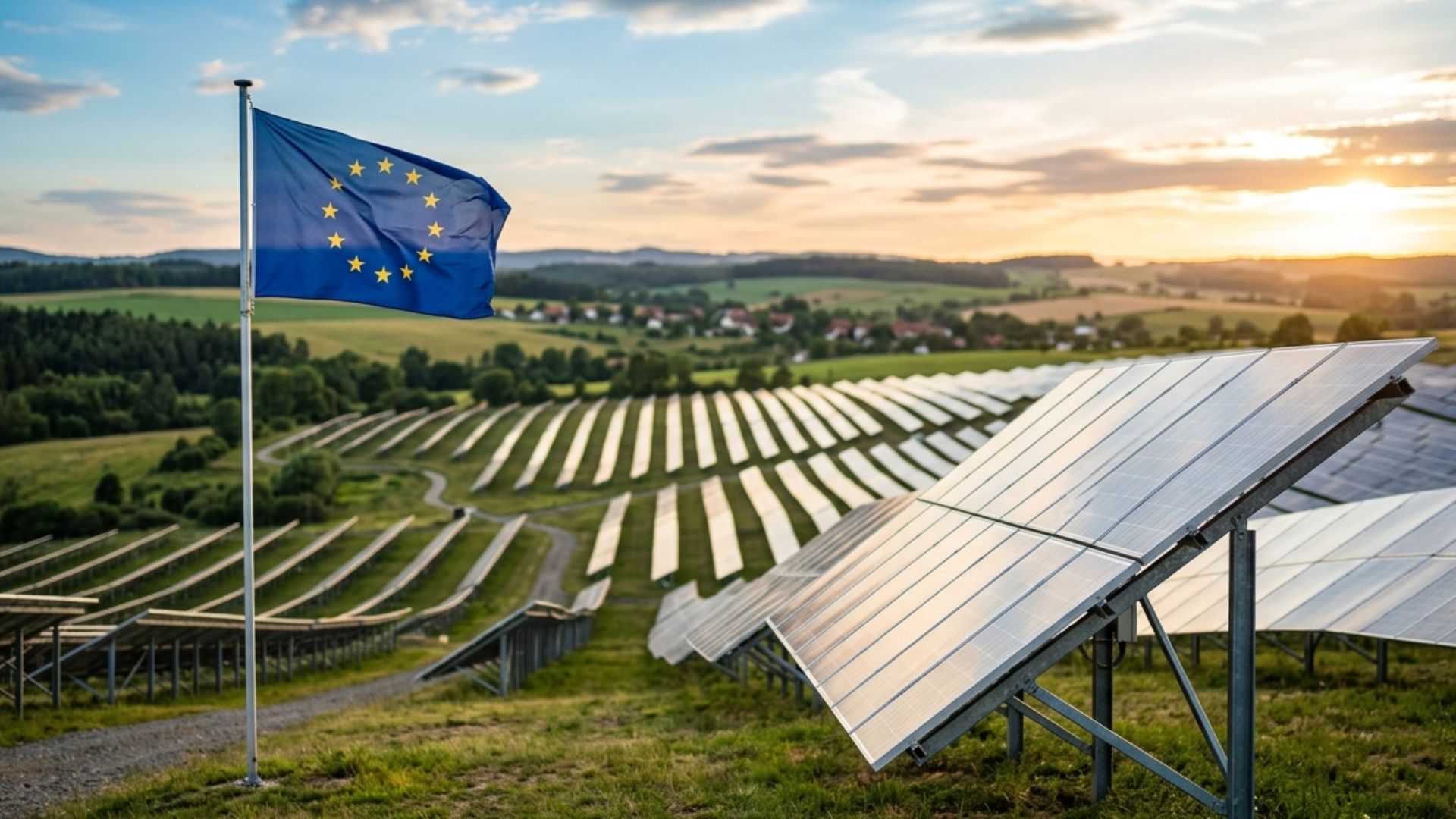
Europe records strong euro economy with solar energy in March and sparks curiosity about which country leads growth that redefines the energy market and reduces costs.
-
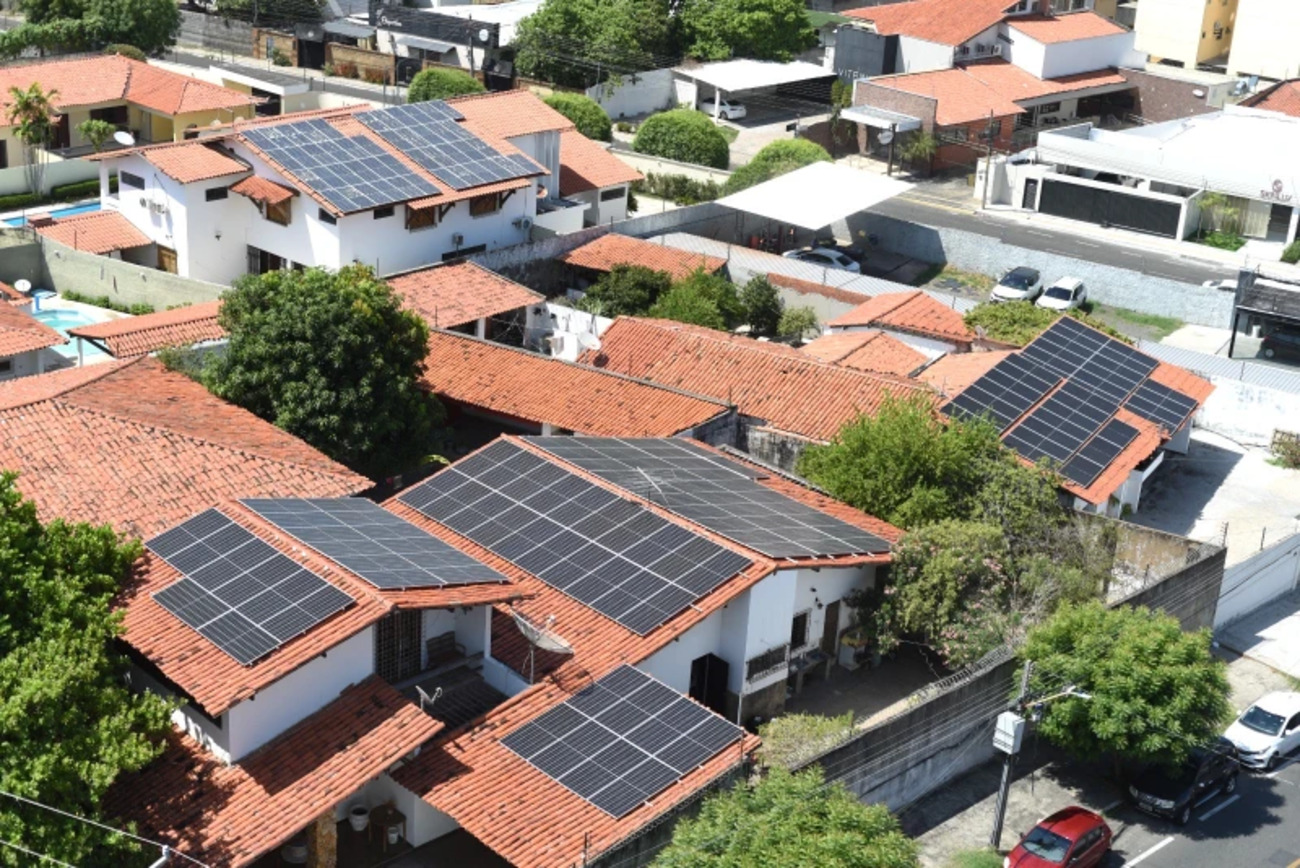
Piauí reaches a historic milestone in energy transition: State records nearly 160,000 households powered by solar energy and leads growth in the Northeast.

Before the change in the tariff policy, the sector projected to end 2025 with the creation of approximately 396 thousand jobs and collection of R$ 13 billion in taxes. However, with the new scenario, there was an estimated 24% drop in energy generation, along with a retraction of about R$ 10 billion in expected investments.
Debate in the Senate Tries to Reverse Increase in the Tax Rate
In light of the negative market reaction, the issue has begun to be discussed in the National Congress. The Federal Senate is examining Bill No. 4,607/2024, authored by Senator Marcos Rogério (PL-RO), which proposes to limit the Import Tax rate on solar panels to a maximum of 9.6%.
For the parliamentarian, the increase to 25% does not meet the goals announced by the government. “The 25% rate is abusive and has no beneficial effect on the national industry, which currently does not meet the growing demand in the sector,” argues Rogério. The text was presented in 2024 and is under the report of Senator Sérgio Moro (União-PR), but has not yet advanced in the committees.
Recent History of Taxation on Solar Panels
The productive sector also recalls that Brazil adopted different strategies in recent years. During Jair Bolsonaro’s government (PL), the import tax on solar panels was zeroed, as a way to stimulate the entry of equipment and accelerate the expansion of renewable energy in the country.
With the change in government in 2023, the policy was gradually revised. The tax initially rose from 0% to 6%, then to 9.6%, until reaching 25% in 2024. The official justification was to encourage the national industry of photovoltaic equipment, although sector agents assess that the domestic production capacity still does not meet the growing demand.
Solar Energy Between Potential and Uncertainties
Despite the more restrictive scenario, solar energy remains one of the main bets of the Brazilian energy transition. However, sector representatives assess that the combination of high interest rates, generation cuts, and regulatory uncertainties requires greater predictability for new projects to advance.
Meanwhile, companies, investors, and consumers are closely monitoring developments in the Senate and the signals from the federal government, seeking to understand to what extent current policies may be adjusted to unlock growth in solar energy once again in the country.








Seja o primeiro a reagir!