





 Portuguese
  English
  Spanish
  3 min of reading
  0 comments



Technical Failures in Substations and Decrease in Solar Generation Highlight Vulnerabilities of Electric Infrastructure in Energy Transition Contexts
On April 28, 2025, a large-scale blackout affected Spain, Portugal, Andorra, and southern France, impacting millions of people. The event resulted in the interruption of several essential services, such as public transport, healthcare, communications, and sporting activities. The Spanish government reported that technical failures in substations located in Granada, Badajoz, and Seville caused the blackout. This was compounded by a sudden drop in solar energy generation, which at the time represented about 59% of Spain’s energy mix, according to data from Red Eléctrica de España (REE).
Sequence of Failures Caused Electric Imbalance and Affected Countries Connected to the Spanish Grid
At 12:33 PM on April 28, the Granada substation experienced a technical failure. Shortly after, substations in Badajoz and Seville also failed, drastically amplifying the electrical collapse throughout the country’s interconnected grid. As an immediate result, about 2.2 gigawatts of energy were lost, representing 10% of the national capacity. Simultaneously, there was a drop in solar energy production, which fell from 18 to 8 gigawatts in less than five minutes. This compromised the stability of the electrical grid, which entered automatic shutdown mode in cascade, affecting countries connected to the Spanish infrastructure, such as Portugal and parts of France. According to REE, the system responded according to its safety programming; however, the lack of sufficient compensation mechanisms prevented balance from being quickly restored.
Authorities Rule Out Sabotage and Emphasize Focus on Structural and Operational Causes
Despite initial speculation about a possible cyberattack, Spain’s Minister of Ecological Transition, Sara Aagesen, stated on April 29 that there is no evidence of external actions or human error. According to her, the investigation focused exclusively on technical failures, with real-time data analysis. REE highlighted that it is evaluating millions of records and sensors to understand what led to the chain reaction. Experts in the electric sector, such as José Luis Martínez Dalmau from the University of Valencia, explain that dependence on intermittent sources like solar requires more robust structural support, which is still in the development phase.
-
Brazilians paid R$ 18 billion more for energy from the Itaipu plant, reflecting a direct impact on tariffs and generating discussions about costs, transparency, and balance in the national electricity sector.

-
Equatorial adopts new national number for consumer units on electricity bills starting in April, following ANEEL standards and modernizing energy bills in several states.

-
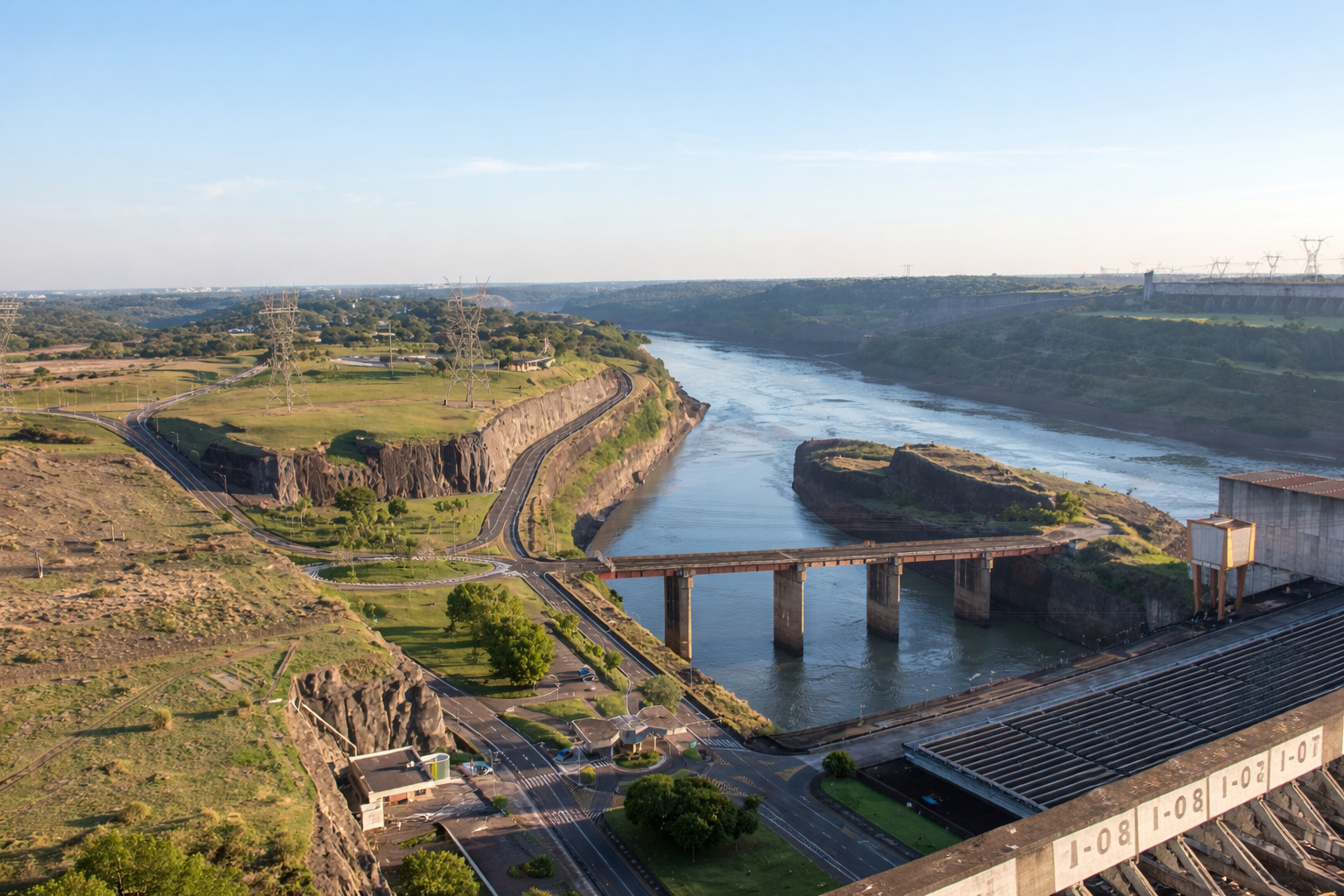
Itaipu Impresses the World: Hydroelectric Plant with 20 Turbines and 14,000 MW Generates Over 2.9 Billion MWh and Leads Global Clean Energy Production
-
Aneel Revokes CMAA Thermal Power Plants After Network Restrictions and Excess Energy in the System


Services Were Interrupted and Events Suspended During the Supply Failure
The blackout had immediate impacts in Madrid and Barcelona, as trains, subways, and traffic lights stopped working, causing widespread urban confusion. In addition, ATMs went offline while internet and phone networks failed, hindering communication for hours. Hospitals and airports activated generators to maintain essential services, which prevented greater losses during the energy crisis. The 2025 Mutua Madrid Open tournament at Parque Manzanares was temporarily suspended due to a lack of power at the venue. Power returned at 4 PM, but full normalization occurred only around 10:30 PM, according to local authorities. Finally, the city hall activated its emergency plan at 1:10 PM, coordinating the restoration of services based on already defined protocols.
Experts Highlight Need for Modernization of the Grid to Ensure Energy Security
In the days following the event, outlets like BBC News, RTVE, and Cadena SER consulted various experts. All emphasized that the energy transition based on sources like solar and wind requires robust compensation strategies, especially in the face of abrupt generation fluctuations. According to Francisco Valverde, an electric sector analyst consulted by RTVE, the Spanish electrical grid is among the most advanced in Europe, but still lacks automated response systems, large-scale storage, and interconnections that allow for more efficient energy distribution. On May 2, 2025, Minister Sara Aagesen announced that the government will therefore strengthen security protocols and additionally make structural investments. Thus, the objective will be to modernize the national electrical grid, which has already been called for by experts. Furthermore, the minister promised to release a comprehensive technical report with definitive data on the blackout by the end of June 2025.








Seja o primeiro a reagir!