





 Portuguese
  English
  Spanish
  4 min of reading
  0 comments


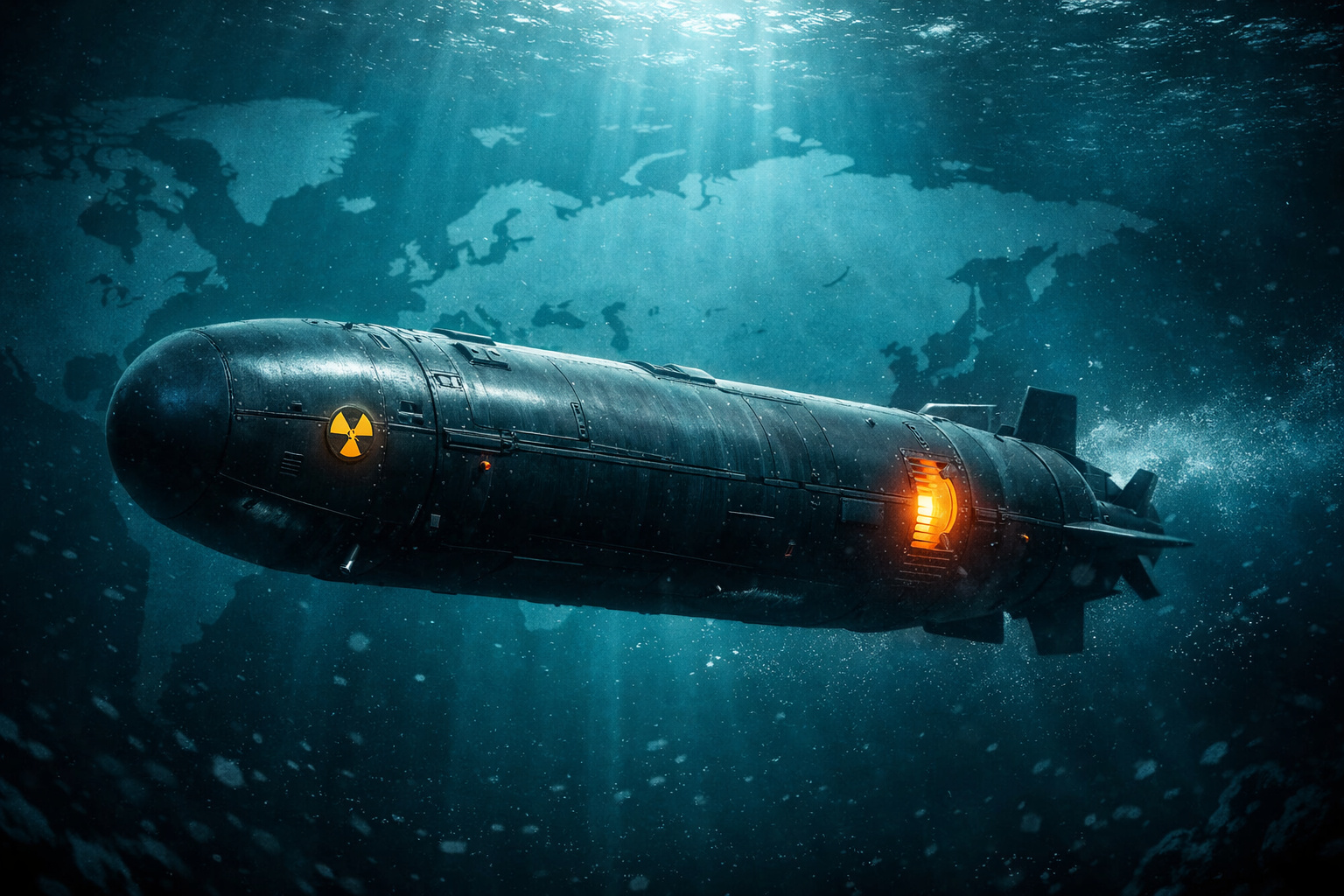
With Nuclear Propulsion, Estimated Range Above 10,000 Km and Strategic Warhead, the “Submarine Drone” Russian Status-6 Poseidon Emerges as One of the Most Controversial and Disruptive Weapons Ever Conceived by Military Engineering.
When Russia revealed to the world the existence of Status-6, later officially named Poseidon, it was not just another secret project from the late Cold War. The system presented something qualitatively different: a nuclear-powered autonomous underwater vehicle, designed to cross entire oceans alone, remain invisible for long periods, and reach coastal strategic targets without warning.
The Poseidon does not fit into traditional categories of torpedoes, submarines, or ballistic missiles. It occupies an unprecedented gray area in military engineering, combining intercontinental range, extreme autonomy, crewless operation, and strategic nuclear capability, something no other operational system simultaneously fulfills.
What Exactly Is the Status-6 Poseidon
Technically, Poseidon is classified as a strategic UUV (Unmanned Underwater Vehicle). Unlike tactical underwater drones used for reconnaissance or mine sweeping, it was conceived from the outset as a long-range strike platform.
-
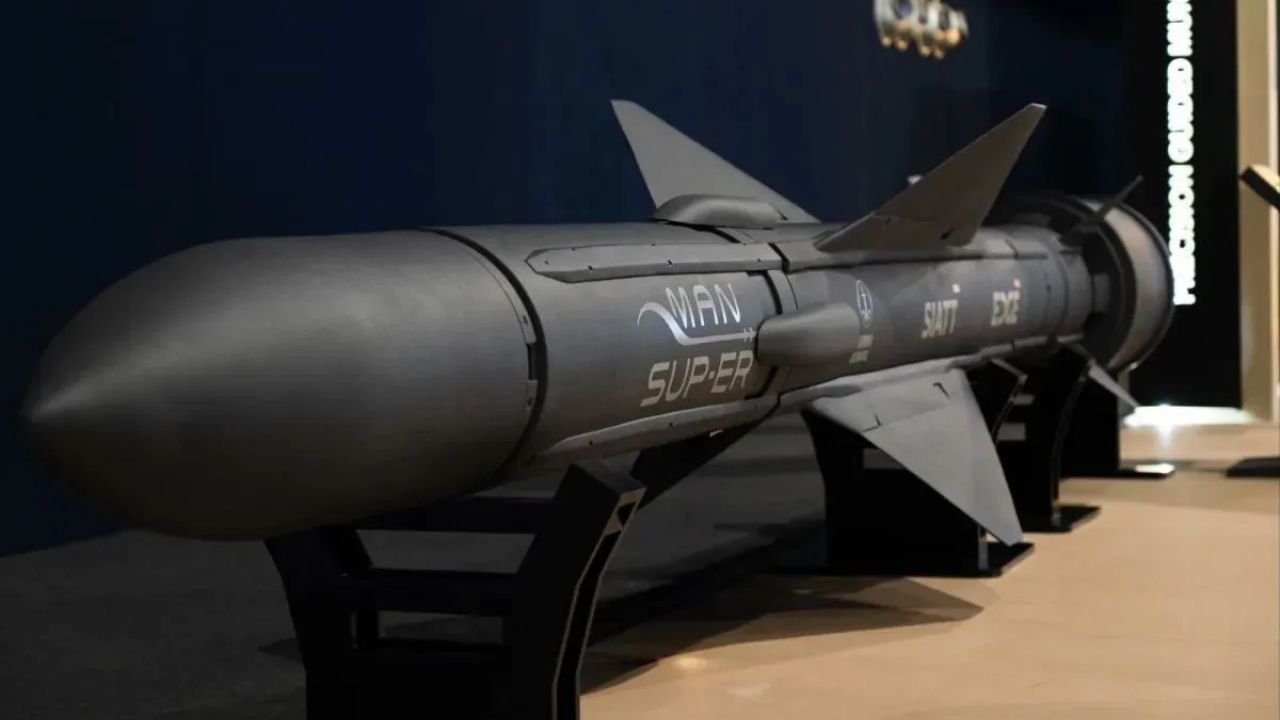
Brazil accelerates the evolution of the MANSUP missile, designing an air-surface version with a range exceeding 200 km, advanced guidance, and precision strike capability against land and naval targets, paving the way for a new generation of national armaments with global potential.
-
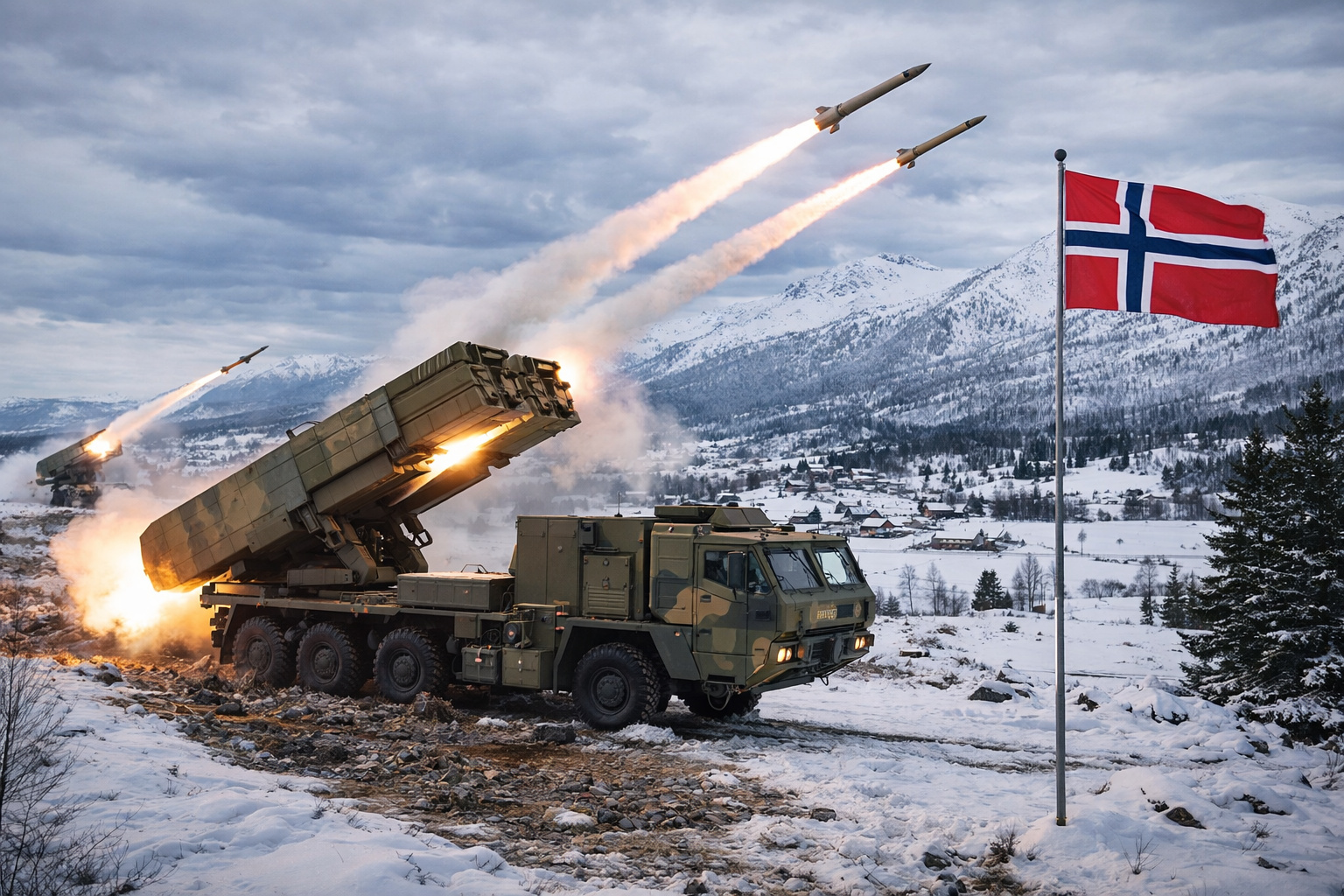
South Korea signs a $922 million deal with Norway, bringing Chunmoo launchers capable of firing guided missiles up to 290 km with an accuracy of 15 meters to Europe and turning the system into a key component of the new global race for precision artillery.
-
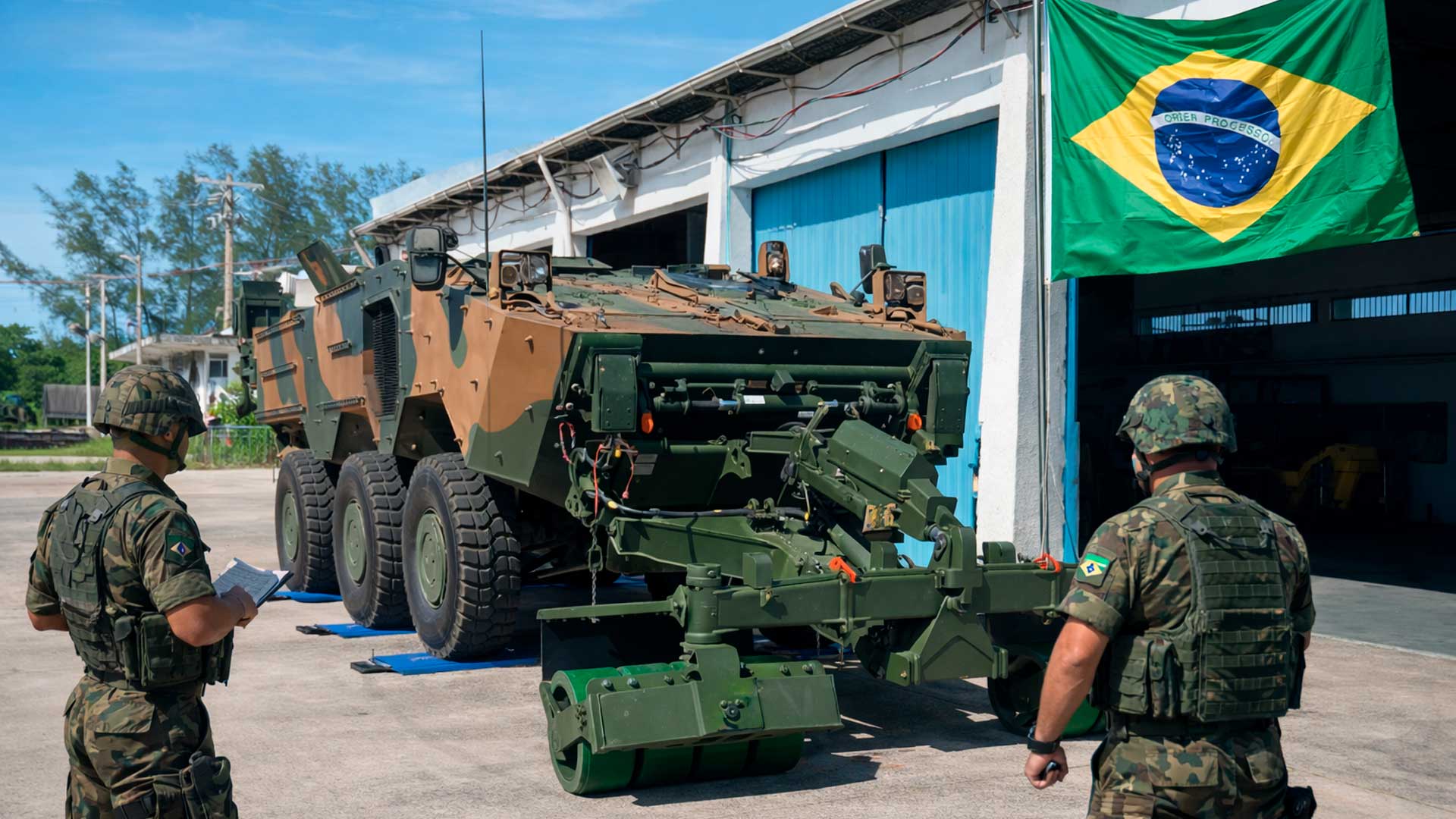
Brazil advances with decisive tests until June, the 6×6 Guarani armored vehicle with engineering equipment enters the most important phase and can enhance the operational capability of the Army.
-
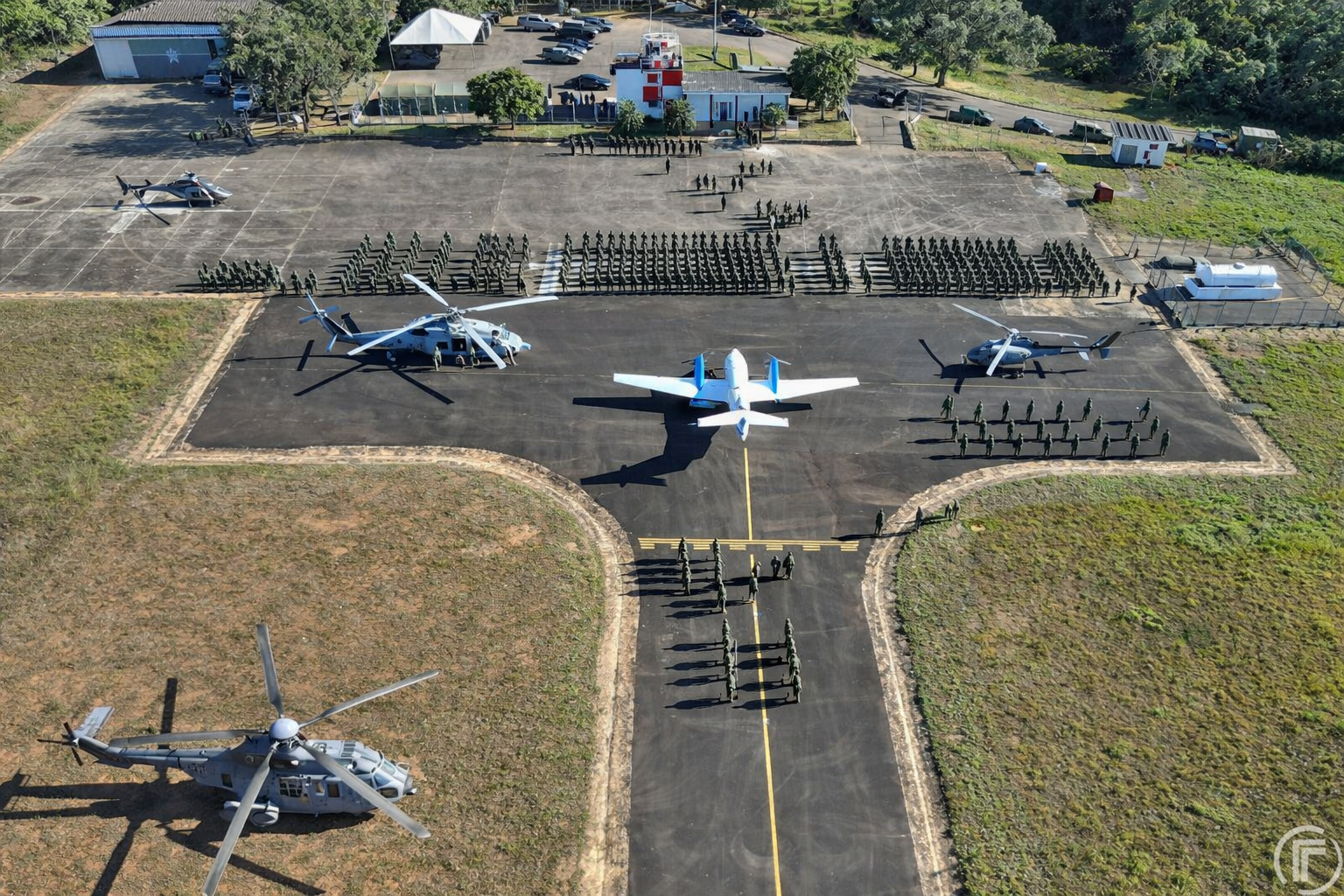
Furnas Airport is handed over to the Navy and becomes a strategic base with complete military operations, attack drones, and international mobilization at Furnas Lake.

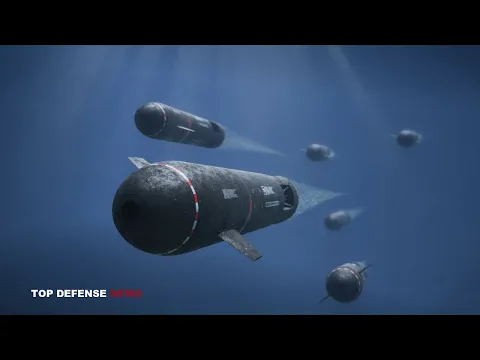

Its estimated length ranges from 20 to 24 meters, with an approximate diameter of 1.8 to 2 meters, dimensions far superior to those of a conventional torpedo. These proportions are necessary to accommodate a compact nuclear reactor, responsible for providing virtually unlimited power to the system.
This detail completely changes the operational logic: while common torpedoes have ranges limited to dozens or a few hundred kilometers, Poseidon is designed to navigate over 10,000 km, crossing entire oceans without refueling.
Nuclear Propulsion and Oceanic Autonomy
The heart of Poseidon is a miniaturized nuclear reactor, a concept similar to that used in submarines, but adapted to an uncrewed vehicle. This reactor powers a high-efficiency electric propulsion system, allowing estimated speeds between 70 and 100 km/h underwater, far above the standard for autonomous underwater vehicles.
This combination of reactor + electric propulsion guarantees not only extreme range but also practically unlimited operational endurance.
In practical terms, Poseidon can be launched from Russian territorial waters, silently navigate for weeks or months, and reach targets thousands of kilometers away without relying on continuous communications.
Operational Depth and Defense Evasion
Another critical factor is depth. Estimates suggest that Poseidon can operate at depths of over 1,000 meters, a depth where most detection systems, sonar, and naval interception simply do not work effectively.
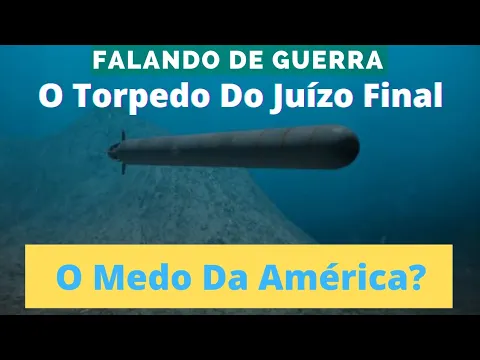
This makes it extremely difficult to detect and practically impossible to intercept with the conventional anti-submarine means used by NATO navies. The Poseidon’s mission profile precisely exploits this limitation: high speed at extreme depths, beyond the reaction envelope of current systems.
Warhead and Strategic Function
Although official data remains classified, intelligence analyses indicate that Poseidon can carry a high-yield nuclear warhead, possibly in the megaton range. The goal would not just be the direct destruction of a naval or port target, but the generation of large-scale strategic effects.
Among the scenarios discussed by analysts are attacks on critical coastal infrastructure, naval bases, military ports, and coastal industrial centers. There are also widely debated speculations about the use of a warhead designed to generate submarine shockwaves capable of causing extensive damage to coastal areas.
Launch from Special Submarines
Poseidon does not operate alone. It was designed to be transported and launched by mother submarines, such as the Russian projects Belgorod and Khabarovsk, platforms modified specifically for this role.
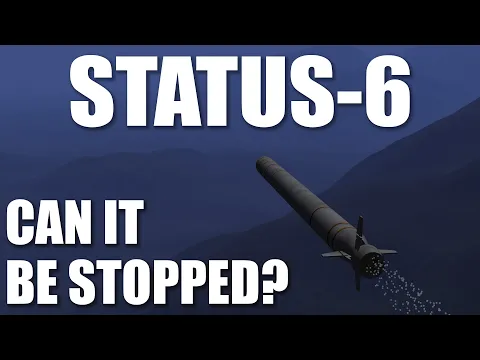
These submarines act as strategic vectors, carrying Poseidon to remote areas of the ocean before launch. From there, the vehicle proceeds autonomously, without the need for direct human command.
Why Poseidon Concerns Military Strategists
Status-6 Poseidon breaks one of the pillars of modern deterrence: predictability. Ballistic missiles follow detectable trajectories through early warning radars. Strategic submarines have known operational patterns. Poseidon, on the other hand, introduces a slow, silent, deep, and unpredictable vector, capable of remaining hidden for long periods.
This complicates not only defense but also the strategic response calculation, raising the level of uncertainty in high-intensity conflict scenarios.
A New Type of Weapon for a New Type of War
More than a technological curiosity, Status-6 Poseidon signals a profound change in how oceans are viewed in a military context.
They cease to be just routes or patrol fields and transform into invisible strategic corridors, where autonomous systems can operate for months without direct human oversight.
Regardless of how many units are produced or whether all the disclosed capabilities are fully confirmed, Poseidon has already played a fundamental role: forcing the world to rethink the limits of underwater warfare, nuclear deterrence, and modern military engineering itself.








-

-

-

-

8 pessoas reagiram a isso.