





 Portuguese
  English
  Spanish
  5 min of reading
  0 comments


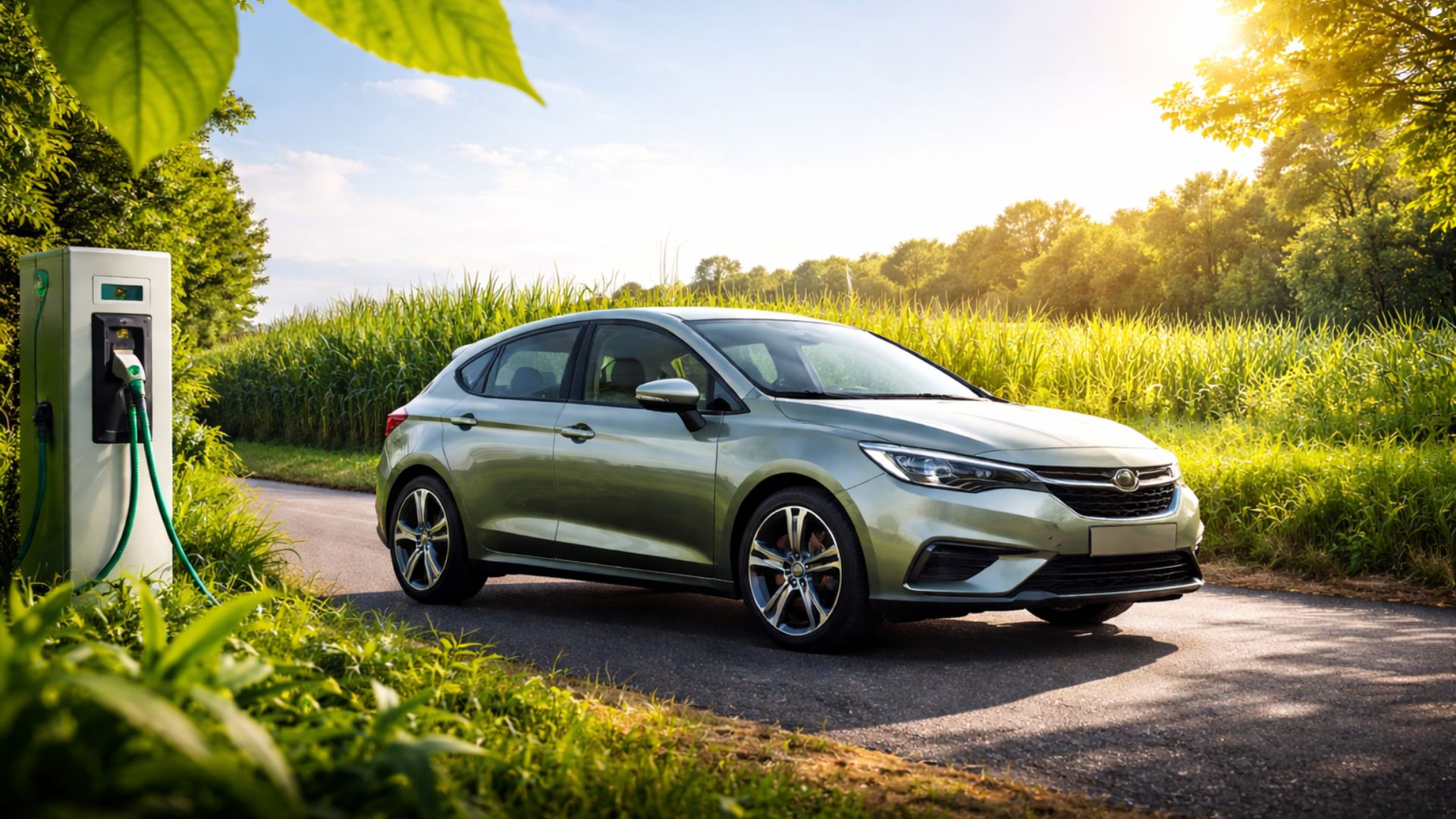
Anfavea Survey Indicates That the Brazilian Fleet Achieves Global Leadership in Sustainability by Combining Biocombustibles, Clean Energy Matrix, and Vehicles with a Lower Carbon Footprint Throughout the Lifecycle
Brazil has achieved a prominent global position in the debate on decarbonization of transport. A study conducted by Anfavea, in partnership with the Boston Consulting Group (BCG), revealed that the country has the lowest carbon footprint vehicles in the world, considering cars, trucks, and buses.
According to an article published by the Cana Online website on Wednesday (17th), the superior performance of the Brazilian fleet is directly linked to the intensive use of biocombustibles, the wide adoption of flex technology, and a predominantly renewable energy matrix, factors that strengthen the sustainability of the national automotive sector.
Anfavea Study on Vehicles with Lower Carbon Footprint in Brazil
The analysis considers the entire lifecycle of the vehicles, from raw material extraction to final disposal, a methodology known as “cradle to grave.” When comparing Brazilian data with those from markets such as the European Union, the United States, and China, the study concluded that Brazil has the lowest total carbon emissions over the lifespan of the vehicles.
-
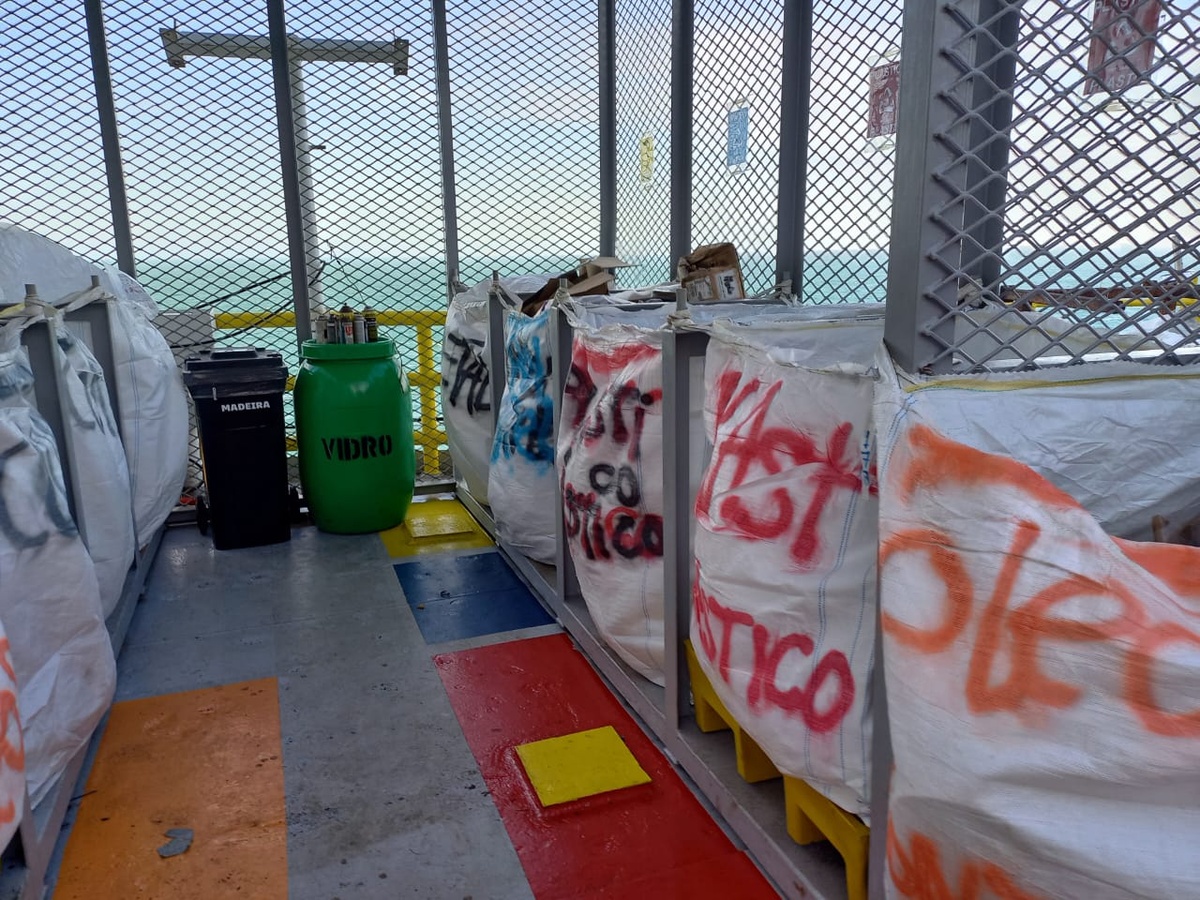
Foresea achieves 100% offshore waste reuse in 2025, eliminates landfill disposal, and consolidates sustainable strategy with 1,500 tons recycled.
-
With earth, bamboo, straw, and lime mortar, a specialist builds a house for just over $460 and draws attention for its cost being much lower than traditional construction.

-
Rodrigo de Freitas Lagoon advances in environmental recovery with sanitation, elimination of irregular sewage, and the resumption of water sports in Rio de Janeiro.

-
Sustainable housing gains strength with a nationally awarded project in Campo Grande, highlighting innovative solutions that combine sustainability, urban integration, and efficiency in the use of natural resources.


Titled “Paths of Decarbonization: The Carbon Footprint in the Vehicle Lifecycle”, the report from Anfavea is one of the most comprehensive surveys ever conducted on emissions in the Brazilian automotive sector. The study evaluates all stages of the production and usage chain, including extraction of raw materials, production of inputs, assembly, logistics, fuel consumption, and disposal.
This approach broadens the traditional concept of sustainability, as it goes beyond the analysis restricted to emissions at the tailpipe. By considering the entire production cycle, the study demonstrates that the vehicles with a lower carbon footprint depend not only on the type of engine but also on the energy matrix and the origin of the fuels used.
International Comparison Reinforces Brazilian Leadership in Sustainability
The research compared the Brazilian fleet with data from the European Union, the United States, and China. Even compared to markets with a higher presence of electric vehicles, Brazil showed superior environmental performance when analyzing the complete lifecycle.
This happens because many countries still depend on fossil sources for electricity generation. In Brazil, the industrial production of vehicles emits less carbon, which significantly reduces the environmental footprint of vehicles manufactured and used in the country. Thus, the sustainability of the Brazilian fleet stands out on a global scale.
Biocombustibles as the Central Axis of Decarbonization
Biocombustibles are identified as one of the main pillars of the Brazilian strategy. Ethanol, produced from sugarcane, is a renewable fuel that can reduce carbon dioxide emissions by up to 90% compared to gasoline when considering the entire lifecycle.
According to the Anfavea study, this characteristic makes the vehicles with a lower carbon footprint a reality in Brazil, without the need for abrupt changes in infrastructure or consumer profiles. Furthermore, the use of biocombustibles strengthens the national economy and reduces dependence on imported fossil fuels, enhancing the country’s energy sustainability.
Flex Fleet Enhances Environmental Efficiency in the Short and Medium Term
Another highlight of the survey is the wide adoption of flex technology. Flex vehicles, capable of operating on ethanol, gasoline, or any mixture of the two, represent an efficient solution for immediate emission reduction.
Anfavea emphasizes that this technology has been established in Brazil for over 20 years, with a supply infrastructure distributed throughout the national territory. This allows for consistent environmental gains, positioning flex vehicles as key players in the energy transition within the automotive sector.
Renewable Energy Matrix Reduces Industrial Emissions
The Brazilian electric matrix is made up of around 90% renewable sources, such as hydropower, wind, solar, and biomass. This factor directly impacts the environmental performance of the automotive industry.
The entire vehicle production process emits less carbon, from component manufacturing to final assembly. According to Anfavea, this structural advantage explains why Brazil stands out even against countries with a high level of vehicle electrification, reinforcing the concept of vehicles with a lower carbon footprint.
Lower Dependence on Oil Strengthens Sustainability and Energy Security
The trajectory of biocombustibles in Brazil dates back to the 1970s, with the creation of the National Alcohol Program (Proálcool). The goal was to reduce dependence on oil, whose supply and prices are subject to geopolitical factors.
Since then, the country has built a solid foundation for the use of renewable fuels. The lower the dependence on oil, the greater the energy security, along with a significant reduction in carbon emissions. This history reinforces Brazil’s position as a reference in sustainability in transport.
Economy, Efficiency, and Simple Maintenance of Flex Vehicles
In addition to the environmental benefit, flex vehicles offer economic advantages to consumers. Ethanol generally has a competitive cost and higher octane, providing more efficient combustion.
Another relevant point is ethanol’s detergent potential, which helps clean the engine and can reduce maintenance costs over time. These factors increase the acceptance of vehicles with a lower carbon footprint, strengthening the Brazilian strategy for decarbonization.
Variety of Models Expands Access to Vehicles with Lower Carbon Footprint
Flex technology is present in almost all categories of vehicles available in the Brazilian market, including hatchbacks, sedans, SUVs, pickups, and sports cars. This diversity allows consumers of different profiles to adopt cleaner solutions without compromising their mobility needs.
The wide availability and specialized workforce make the transition more accessible, consolidating Brazil’s leadership in automotive sustainability, as highlighted by Anfavea.
Lifecycle Assessment and Incentives from the Mover Program
The study highlights that starting in 2027, the concept of evaluation “cradle to grave” will be adopted as a criterion for granting incentives from the Mover Program. The initiative values solutions that reduce emissions throughout the entire lifecycle of vehicles.
This guideline strengthens the approach advocated by Anfavea, aligning public policies with Brazilian reality and recognizing the role of biocombustibles and the flex fleet in reducing emissions.
Brazil Solidifies Global Leadership in Automotive Sustainability
The survey from Anfavea, in partnership with BCG, proves that Brazil has the lowest carbon footprint vehicles in the world when analyzing the complete lifecycle. Biocombustibles, flex fleet, and renewable energy matrix create a unique combination on the international scene.
Sustainability in the Brazilian automotive sector is already a concrete competitive advantage, positioning the country as a global reference in energy transition and in building a cleaner, more efficient mobility model.









Seja o primeiro a reagir!