





 Portuguese
  English
  Spanish
  3 min of reading
  0 comments


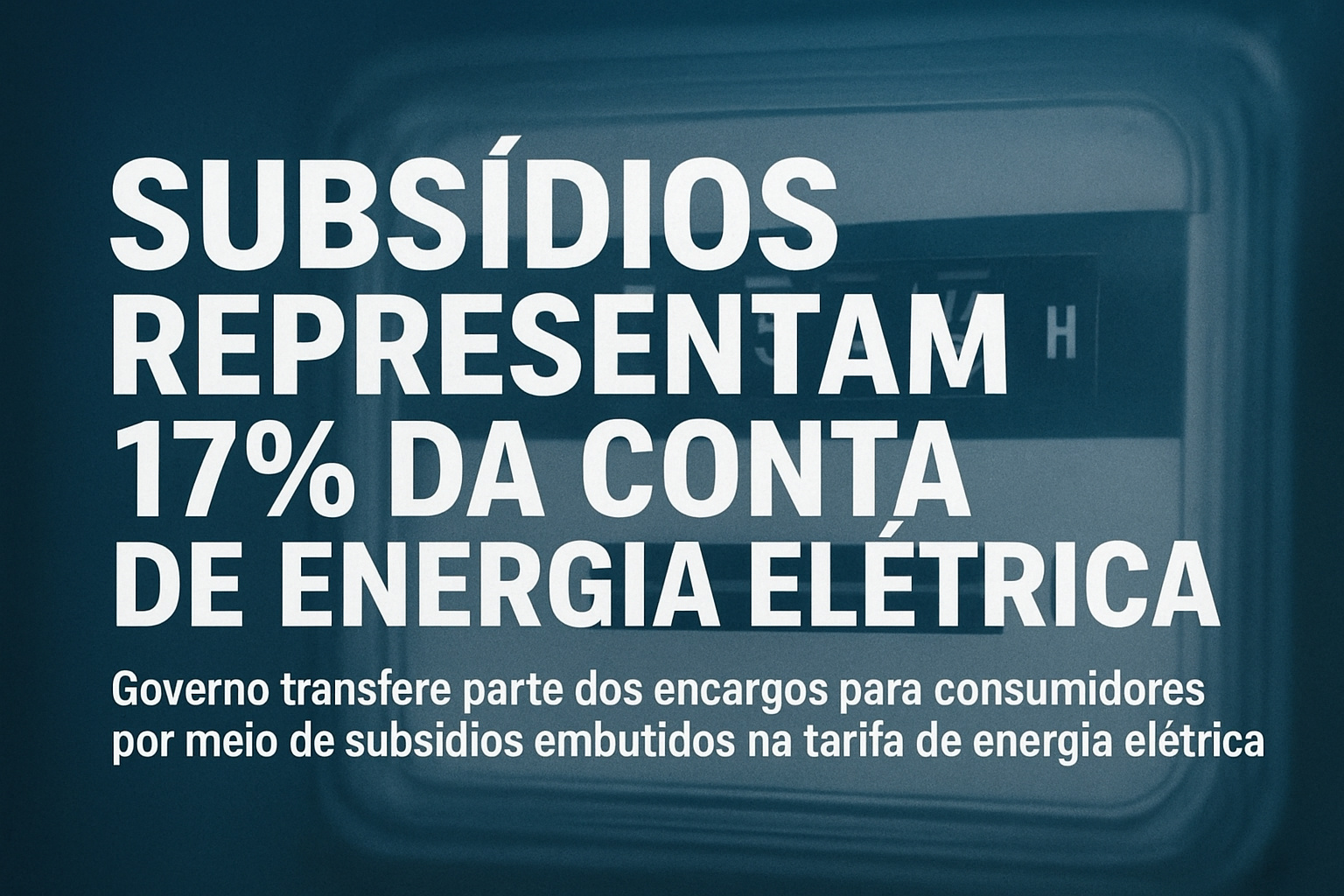
The electricity bill in Brazil continues to be pressured by the subsidies that make up the tariff. Right in the first paragraph, it is important to highlight the keyword: subsidies in the electricity bill. According to the National Electric Energy Agency (Aneel) and reports from Itatiaia, 17% of the total tariff value already corresponds to these charges.
This growing burden shows how the tariff model has become complex over the years.
As a result, consumers pay much more than just for the use of energy.
The cost of electricity for Brazilian consumers goes far beyond actual consumption: there is a considerable portion of the bill that does not stem from using the network.
-
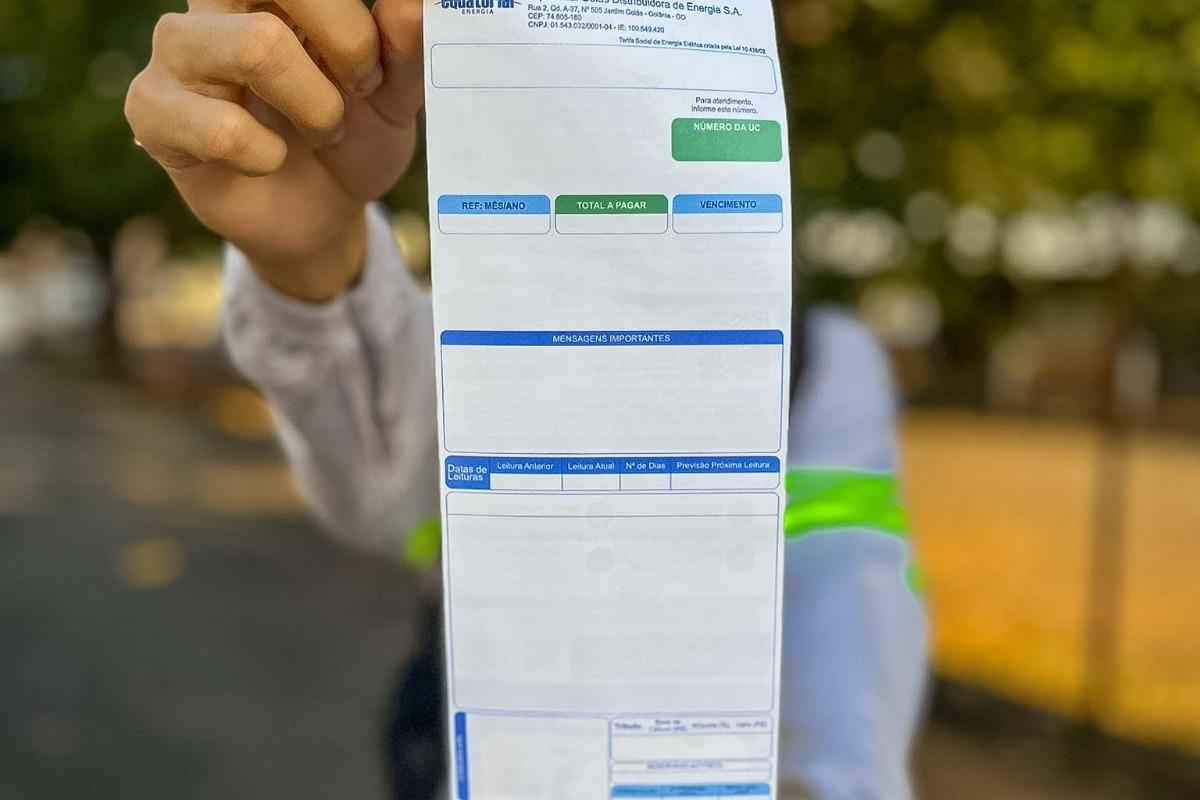
Equatorial adopts new national number for consumer units on electricity bills starting in April, following ANEEL standards and modernizing energy bills in several states.
-
Itaipu Impresses the World: Hydroelectric Plant with 20 Turbines and 14,000 MW Generates Over 2.9 Billion MWh and Leads Global Clean Energy Production

-
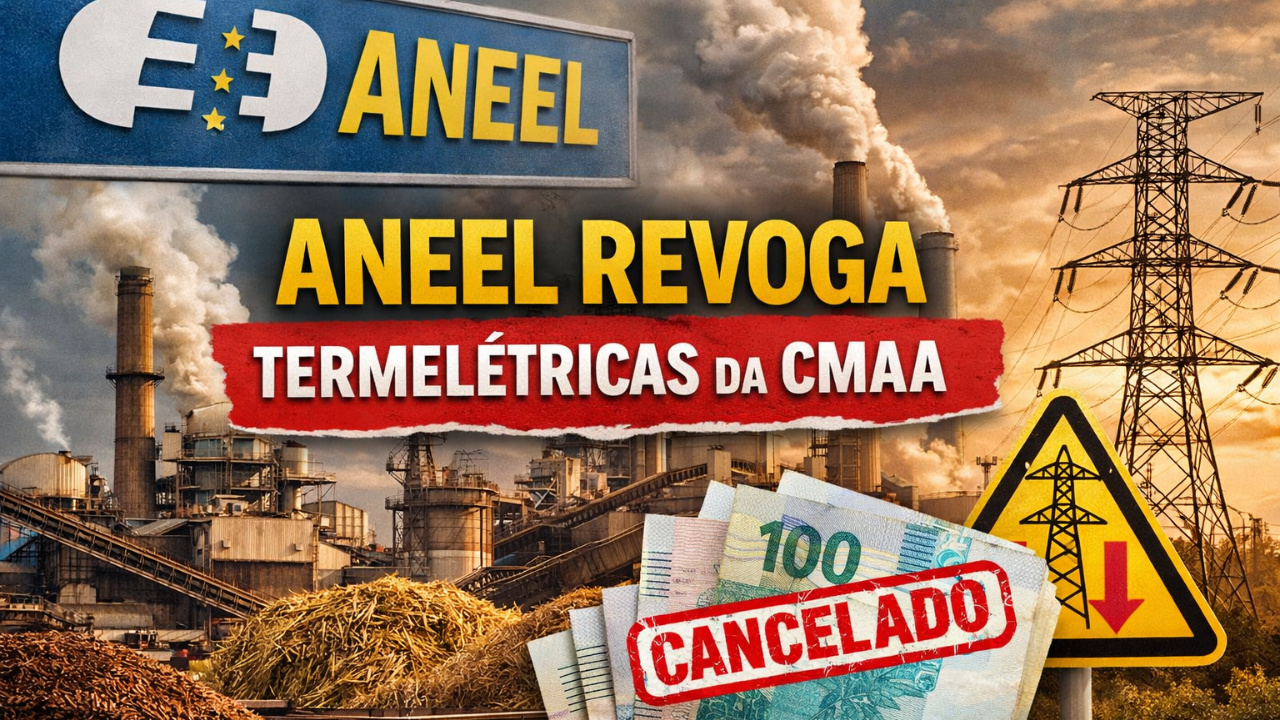
Aneel Revokes CMAA Thermal Power Plants After Network Restrictions and Excess Energy in the System
-
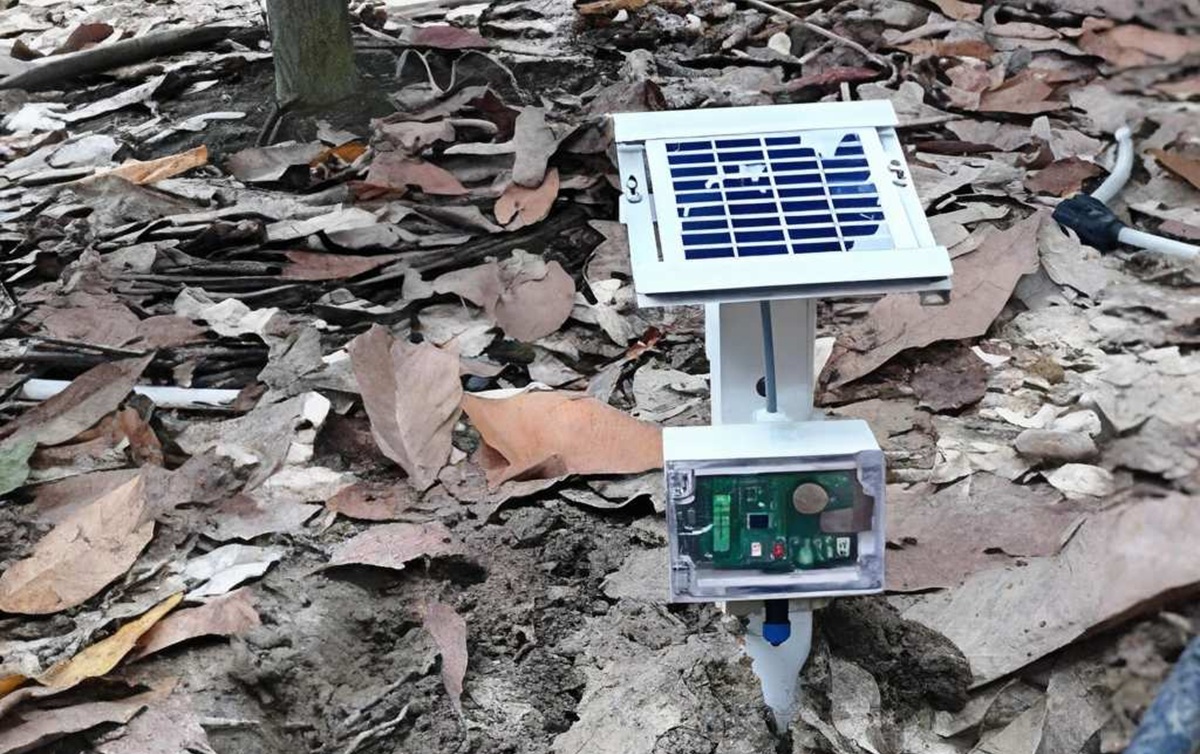
13-Year-Old Scientist Creates Clean Energy Device For Just R$ 16, Wins $25,000 Prize And Surprises The World With Affordable Solution


This amount, according to experts, is used to finance important public policies — such as the Social Tariff, renewable sources (solar, wind), and generation in remote regions — through the so-called Energy Development Account (CDE).
Historical Origins of Subsidies
To fully understand this structure, it is essential to go back a few decades. The CDE, created in 2002, was established precisely to fund the development of the Brazilian electric sector and promote universal access to energy.
As reported by Revista Energia, a significant portion of CDE resources is allocated to renewable sources — such as wind, solar plants, and small hydropower plants.
Indeed, according to data from Aneel, the growth of subsidy tariff charges has been pronounced. Revista Energia points out that, between 2018 and 2024, subsidies more than doubled for residential consumers.
How Subsidies Affect Consumers
Although aimed at promoting clean sources or protecting vulnerable populations, subsidies also have a direct impact on the electricity bill of those who pay in full, meaning most consumers.
According to Itatiaia, energy consultant Sérgio Pataca notes that the subsidy component in the bill has already increased significantly: in some distributors, it has gone from about 6% to over 20%.
Moreover, the minister of the Brazilian Court of Audit (TCU), Antônio Anastasia, emphasizes that many of these charges are outdated and deserve review.
Regulatory Debate and Reform Proposals
The issue is not new and has been gaining attention. According to reports from Itatiaia, there is a proposal for regulatory reform under discussion: changes to the legal framework of the sector could reduce some subsidies or make their billing more transparent.
Deputy Diego Andrade, president of the Mines and Energy Commission, stated that part of the incentives could have clearer limits.
For his part, Marcos Madureira, executive president of the Brazilian Association of Electric Energy Distributors (Abradee), argues that subsidies are still necessary.
Economic Impact: How Much Does This Cost?
The numbers are impressive when put into perspective. According to the subsidy meter by Aneel, Brazilians have already paid over R$ 23 billion in subsidies on their electricity bill this year.
A study by TR Soluções, cited by the media, estimates that if all subsidies were removed, the electricity tariff could drop by up to 16% for many consumers.
However, completely removing these charges is not simple, because many subsidies have a social or strategic role, such as ensuring energy for those living in isolated regions or promoting renewable energy.
The Future of Subsidies in the Tariff
The debate over subsidies is increasingly urgent. On one hand, if there is a well-executed regulatory reform, perhaps some of these costs could be reduced or reallocated without harming social or environmental policies.
On the other hand, experts warn that abrupt cuts could affect important social programs, such as the Social Tariff.
Additionally, according to the Ministry of Mines and Energy, changes in the CDE budget are accompanied by proposals for transparency so that consumers better understand where each portion of the tariff goes.
Reflection
Brazil faces a paradox. Subsidies ensure social inclusion and stimulate renewable sources, but they also raise the electricity bill. This scenario shows that the electric sector requires balance, transparency, and constant review of public policies.
The construction of a fairer system depends on dialogue between the government, regulators, and society. Only then will it be possible to create an efficient, sustainable, and accessible model for all.







Seja o primeiro a reagir!