





 Portuguese
  English
  Spanish
  4 min of reading
  0 comments


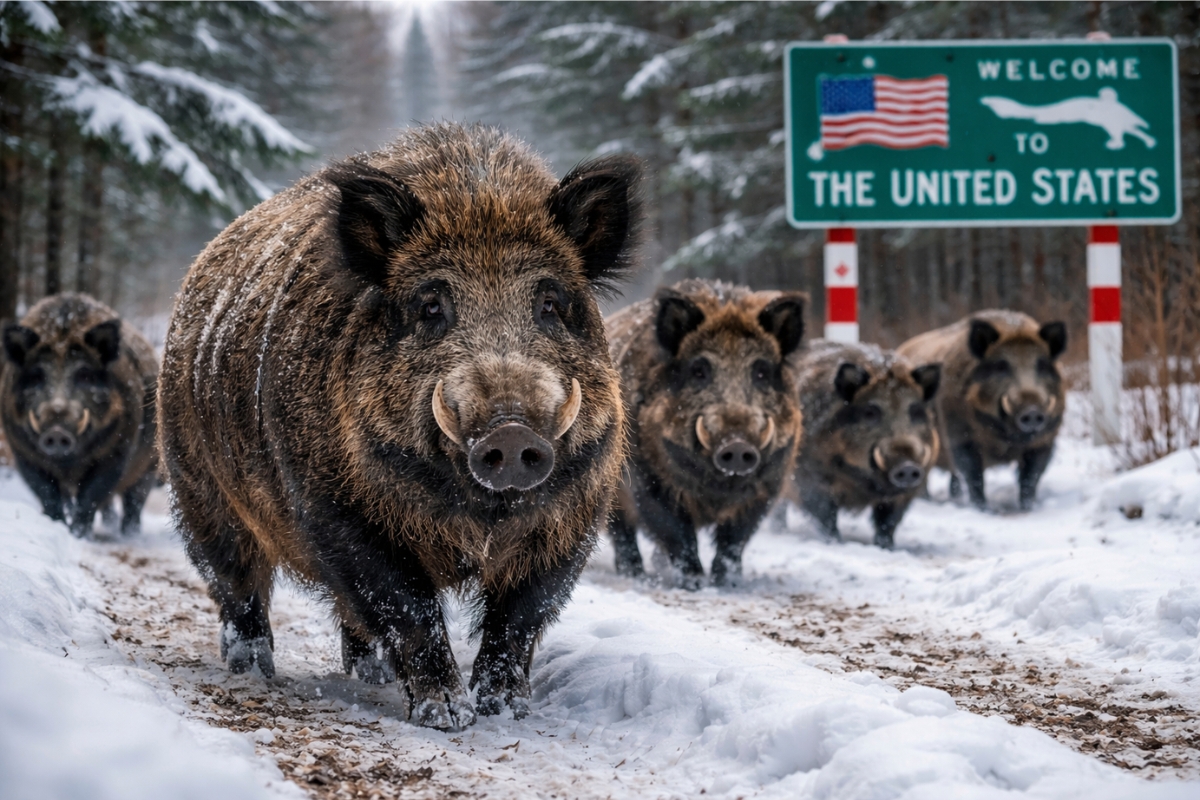
The Expansion of Super Pigs Raises Concerns Due to the Impact on Crops, Rivers, and Roads, with Animals That Can Weigh Almost 300 kg and Spread Quickly
The super pigs have become a growing problem in Canada after the crossbreeding between European wild boars and domestic pigs. The result was a larger, hardier animal with accelerated reproduction.
These pigs grow quickly, withstand extreme cold, and are already impacting crops, rivers, wildlife, and roads. The constant advance has raised a new alarm: the possible arrival in the United States.
With animals that can weigh almost 300 kg, the risk involves both environmental damages and direct threats to the safety of people and properties.
-
A promise made to their father led three men to unearth a forgotten house that had been swallowed by time for over 70 years, in a story of memory, abandonment, and reconstruction that seems straight out of a movie.

-
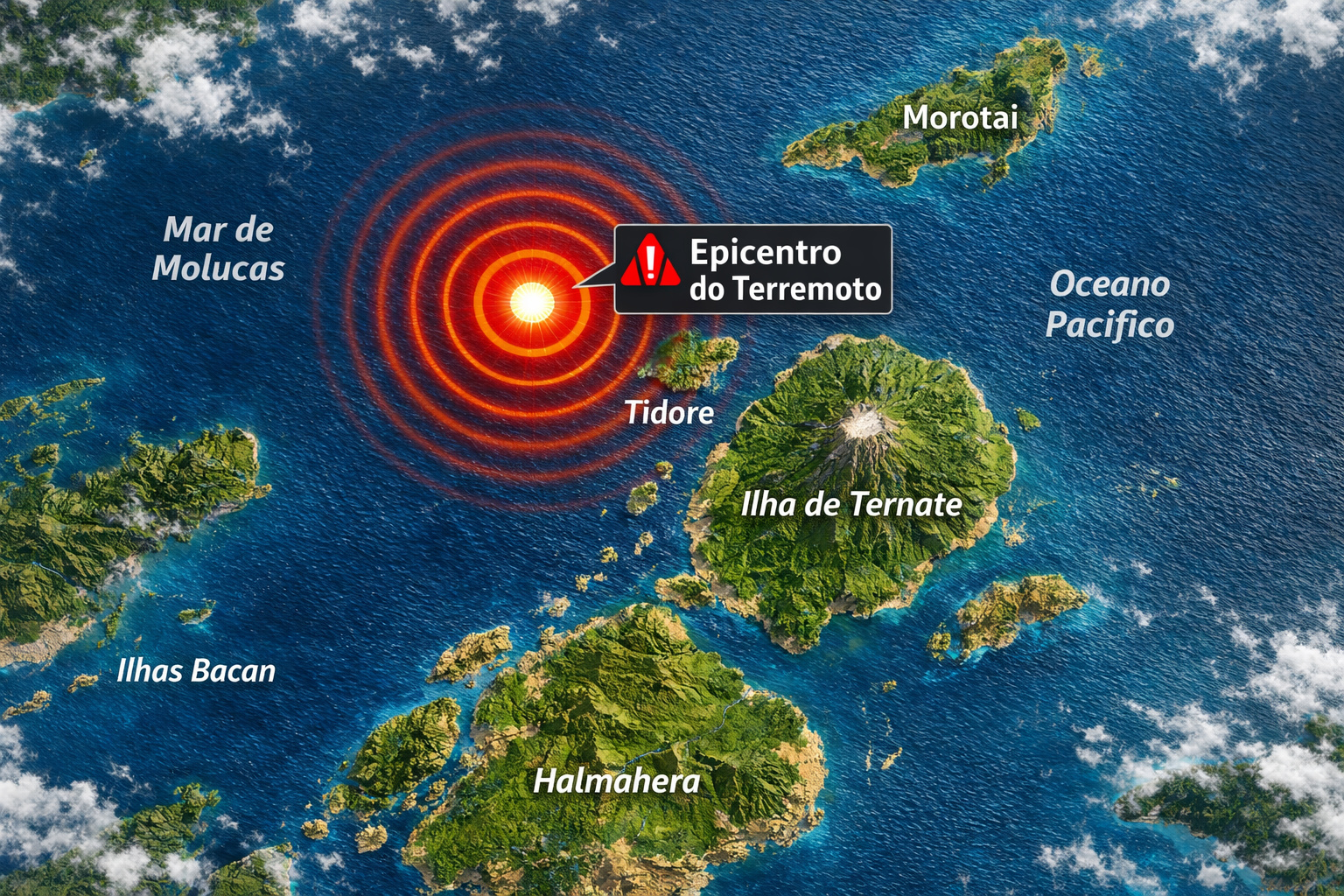
A strong earthquake in Indonesia affects houses and schools, causes panic, triggers a tsunami alert, and records a rise in sea level of up to 30 centimeters in some areas.

-
The Argentine government celebrates the lowest poverty rate in 7 years, but experts warn that the methodology has changed, real wages have fallen, unemployment has risen, and the number of people on the streets of Buenos Aires has increased by 57% since Milei took office.

-
7.8 magnitude earthquake in Indonesia frightens the population, triggers tsunami alert, and hits an island with over 200,000 inhabitants this Thursday.

What Happened and Why It Caught Attention
In the late 1980s and early 1990s, wild boars were brought from Europe to Canada with a focus on meat production.
Some of these animals escaped, and others were released when the activity lost momentum. The expectation was that they wouldn’t survive the harsh winter, but their adaptation was surprising.
Over time, there was crossbreeding with domestic pigs, forming hybrid populations that spread across large areas of the country.
Why They Came to Be Called Super Pigs

The genetic combination resulted in animals with high resistance, rapid growth, and great reproductive capacity.
Some individuals reach almost 300 kg, in addition to developing sharp tusks and more aggressive behavior in wild environments.
These characteristics gave rise to the term super pigs, used to describe one of the most difficult invasive mammals to control.
How They Survive Extreme Cold

The intense cold of Canada does not pose a barrier for these animals. In addition to their thick fur, they have developed their own survival strategies.
One of the most notable is the construction of pigloos, shelters made of snow, branches, grass, and vegetation.
These structures create efficient thermal insulation, allowing the pigs to remain active even during prolonged periods of extreme temperatures.
Where They Are and the Size of Their Territory Expansion
Records indicate that wild pigs already occupy about 620,000 square miles in Canada.
The largest concentration appears in the provinces of Saskatchewan, Manitoba, and Alberta, but the advance also occurs into previously unexplored areas.
Over the course of three decades, there has been continuous expansion, including invasions into private properties and agricultural areas.
What Are the Environmental Impacts and Risks to the Population
The damage is not limited to crops. These pigs alter the soil, affect waterways, and interfere with the balance of local wildlife.
The movement in riverbeds can compromise water quality and increase the risk of infectious diseases.
Another critical point involves road safety, as the animals can cross roads suddenly, raising the risk of serious accidents.
Why Super Pigs May Invade the United States

The continuous expansion in Canada has put the United States on alert. Their resistance to cold eliminates natural barriers in northern regions.
Their high intelligence and adaptability facilitate long-distance movements in search of food and shelter.
As several states already deal with smaller feral pigs, the arrival of a larger and hardier animal could significantly amplify the impacts.
What Makes These Pigs Difficult to Contain at the Border
Their larger size helps in heat retention and increases survival in cold environments.
Additionally, super pigs change behavior when facing human pressure, becoming more cautious and active at night.
This flexibility complicates captures and control efforts, especially when populations begin to spread.
Pigloos and Other Strategies That Favor Expansion
The pigloos are just one of the strategies used to cope with extreme conditions.
In areas with less snow, these pigs build compact shelters with vegetation, creating warm and protected environments.
This natural engineering allows for permanent occupation of cold areas and accelerates territorial expansion.
What Could Happen If the Invasion Is Not Contained
When invasive populations become established, control becomes more expensive and complex.
Constant reproduction creates new focal points in a short time, making eradication difficult.
The advance into agricultural areas, natural zones, and regions near urban centers increases conflicts and environmental damage.


The situation of the super pigs shows how a poorly planned introduction can generate long-term consequences. With animals that weigh almost 300 kg, withstand extreme cold, and reproduce quickly, the challenge grows each year.
The alert involves not only Canada but also the United States, which could face similar impacts if the expansion is not contained in time.








-

-

-

-

-

-

84 pessoas reagiram a isso.