





 Portuguese
  English
  Spanish
  4 min of reading
  0 comments


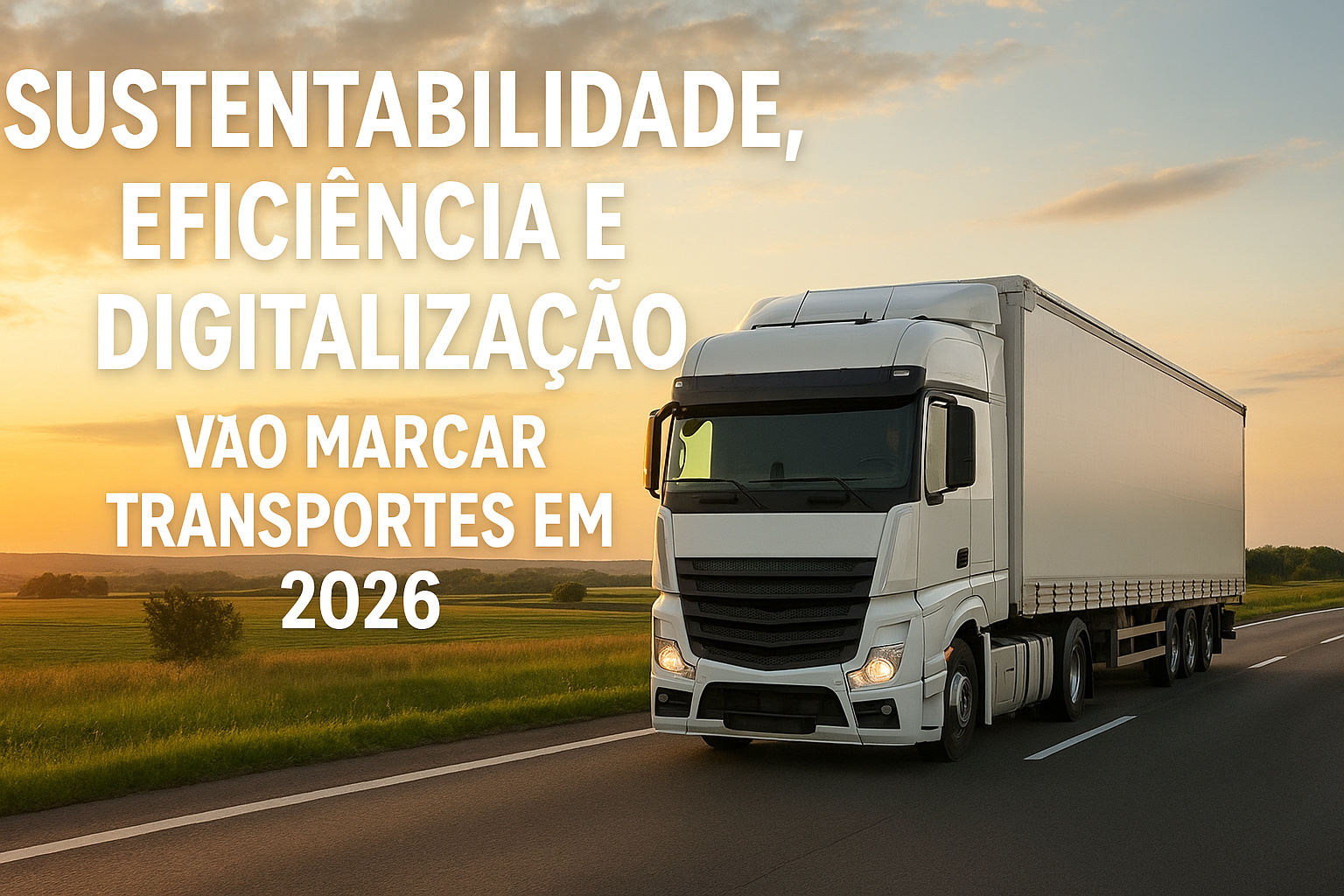
Historical Transition and New Priorities. The debate on sustainability has never occupied so much space in the transport sector as it does now. Over the last few decades, governments, companies, and international entities have transformed the issue into a structural priority.
However, according to the website Supply Chain Magazine (11/24/2025), Eurowag has emphasized that 2026 will be a milestone for the integration of sustainability, operational efficiency, and digitalization, three pillars that are already shaping mobility in Europe.
Although the sector has made significant progress since the oil crisis of the 1970s, recent moments have shown that there is still a long way to go. Furthermore, according to the International Energy Agency (IEA), transportation has historically been responsible for more than a quarter of global CO₂ emissions.
Therefore, companies have begun to reformulate priorities and accelerate investments, highlighting that technological evolution must walk hand in hand with environmental preservation.
-
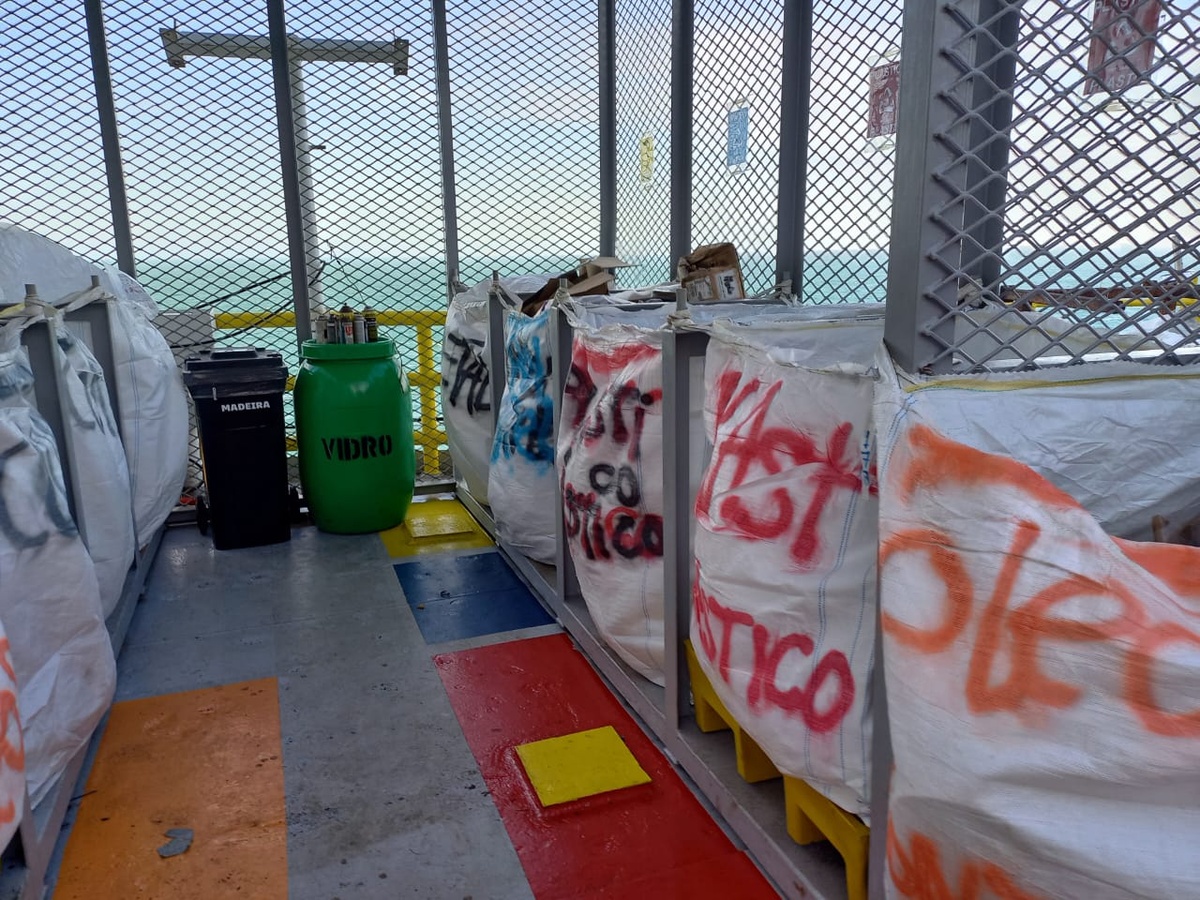
Foresea achieves 100% offshore waste reuse in 2025, eliminates landfill disposal, and consolidates sustainable strategy with 1,500 tons recycled.
-
With earth, bamboo, straw, and lime mortar, a specialist builds a house for just over $460 and draws attention for its cost being much lower than traditional construction.

-
Rodrigo de Freitas Lagoon advances in environmental recovery with sanitation, elimination of irregular sewage, and the resumption of water sports in Rio de Janeiro.

-
Sustainable housing gains strength with a nationally awarded project in Campo Grande, highlighting innovative solutions that combine sustainability, urban integration, and efficiency in the use of natural resources.


Sustainability as the Central Axis of Transformations
In recent years, Europe has consolidated stricter environmental policies. Since 2019, the European Green Deal has set ambitious targets to reduce emissions by 2050. Consequently, the transport sector has had to adapt.
Moreover, according to the European Commission, climate neutrality requires large-scale changes. Thus, solutions such as electromobility, alternative fuels, and logistical optimization have become indispensable.
Eurowag emphasizes that 2026 will mark a turning point, as transport companies of all sizes will need to adopt cleaner practices, as clients, governments, and financial markets demand real actions.
Therefore, smarter routes, less polluting vehicles, and sustainable tracking are already part of the new competitive standard. Still, companies acknowledge that the energy transition needs to occur gradually to avoid severe economic impacts.
Operational Efficiency Drives Environmental Progress
When analyzing the recent history of the sector, we realize that the pursuit of efficiency has always accompanied the need to reduce costs. However, now it appears as a direct tool to decrease emissions.
According to Eurowag, advanced monitoring technologies allow for predicting failures, reducing waste, and increasing energy efficiency. As a result, trucks travel safer and faster routes, consuming less diesel and emitting fewer pollutants.
Additionally, according to the IEA, digitalization could reduce energy consumption in transport chains by up to 20% by 2030. Therefore, companies have begun to integrate real-time data, artificial intelligence, and automated management systems.
Although financial challenges still exist, the strategic return of these systems shows that efficiency and sustainability go hand in hand.
Digitalization Reconfigures European Transport
Digitalization did not just emerge now, but it has gained unprecedented proportion since the 2020 pandemic. Thus, the accelerated advancement of sensors, algorithms, and telematics has allowed transport companies to control their operations with unprecedented precision.
According to the website Supply Chain Magazine, Eurowag predicts that 2026 will see an even more robust adoption of integrated digital platforms, capable of unifying payments, tolls, emissions, and routes in a single environment.
Moreover, digitalization enables complete transparency across the logistics chain, something frequently demanded by consumers and regulatory bodies.
Therefore, companies state that technology has ceased to be a complement and has become essential infrastructure, especially when connected to environmental goals.
History of Sustainable Transformation in Transport
European transport has gone through various reinventions. During the 1980s, logistical efficiency became a priority to keep pace with the growth of global chains. Then, in the 2000s, the discussion on climate change gained momentum, driven by reports from the Intergovernmental Panel on Climate Change (IPCC).
Later, after the Paris Agreement in 2015, the sector needed to accelerate greenhouse gas reductions.
More recently, according to the European Parliament, new regulations have required transport companies to adopt progressive CO₂ reduction targets by 2035. Consequently, companies have found themselves pressured to invest in alternative fuels, optimized routes, and hybrid or electric vehicles.
This history demonstrates that sustainability has solidified as a permanent theme, and not just a passing trend.
The Social Role of Sustainability in Transport
Sustainability has an environmental impact, but it also influences everyday life.
Moreover, according to the European government, clean transport reduces inequalities, improves public health, and enhances energy security. Therefore, structural projects aim to balance the economy and climate responsibility.
Companies such as Eurowag state that the integration of technology and environmental awareness creates a safer, smarter, and more accessible ecosystem for everyone. Thus, the sector can deliver truly transformative solutions.
Although the journey is challenging, society acknowledges that the transition cannot be postponed.
How 2026 Can Redefine the Future of Logistics
Eurowag highlights that, although obstacles exist, 2026 is expected to consolidate the greatest convergence between sustainability, efficiency, and digitalization ever seen in European transport.
Furthermore, experts point out that companies willing to innovate will gain a lasting competitive advantage. After all, customers value real environmental commitments, and governments accelerate stricter regulations.
Thus, connected trucks, alternative fuels, and highly automated operations are expected to transform the dynamics of the sector.


Therefore, the expectation for 2026 is not limited to technological advancement but rather to the creation of a new sustainable mobility model, capable of balancing economic progress and environmental preservation.








Seja o primeiro a reagir!