





 Portuguese
  English
  Spanish
  3 min of reading
  0 comments


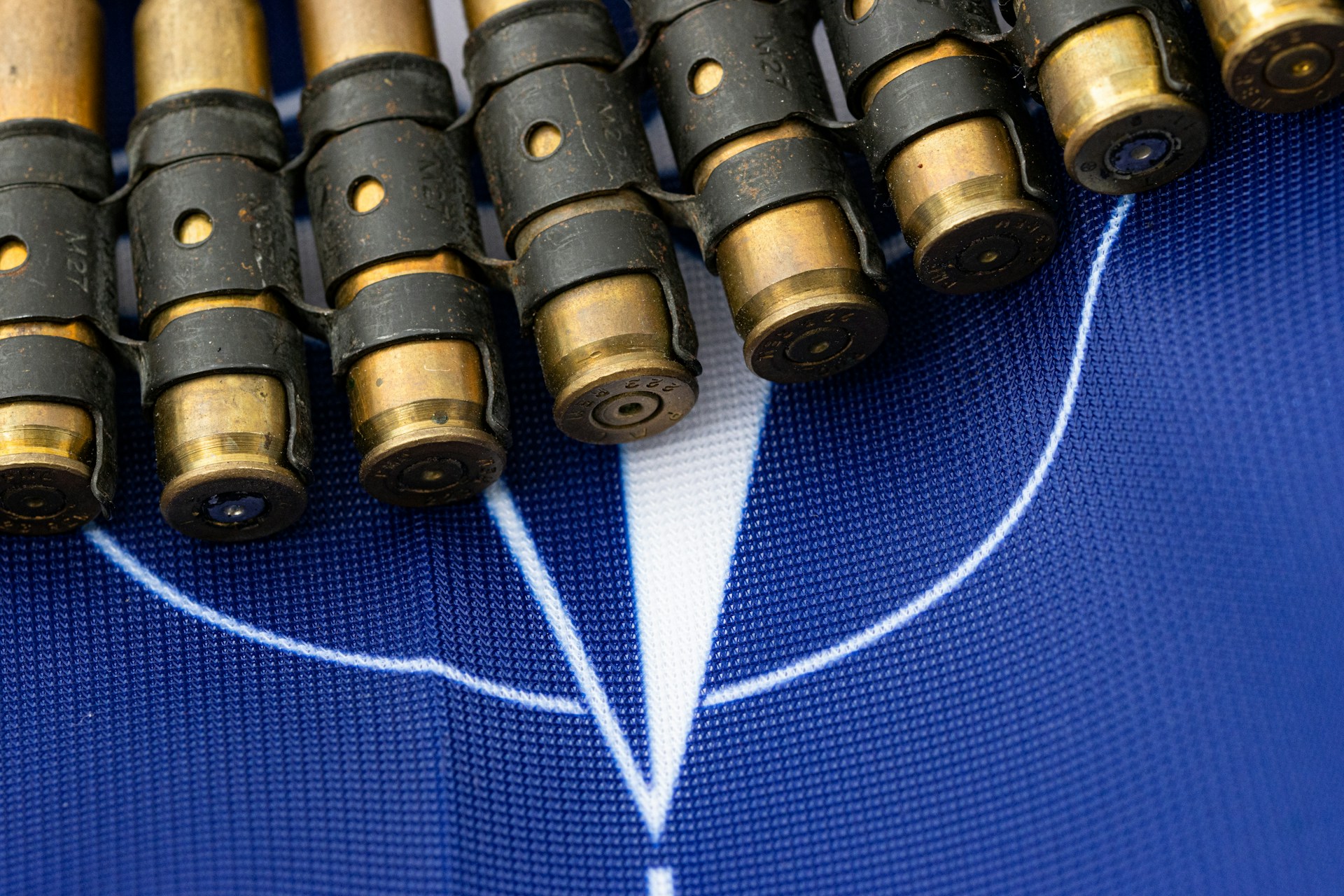
Swedish Government Interrupts Offshore Wind Energy Expansion in the Baltic Sea to Prioritize Military Security and Reinforces Plans for New Nuclear Reactors
The Swedish government has decided to cancel the installation of 13 offshore wind farms in the Baltic Sea. The decision was announced by Defence Minister Pal Jonson, who cited military concerns as the main reason. According to him, the construction of the turbines would hinder the country’s defense in the event of conflict, particularly in the use of Patriot batteries.
NATO Membership and New Security Priorities
In March 2024, Sweden officially became a member of NATO. The membership ended decades of the country’s neutrality and brought new security priorities.
The wind projects would be positioned north of the Åland Islands and along the eastern coastline up to the Öresund Strait. This area is close to Kaliningrad, considered a strategic point of Russian interest.
-
Giant of the winds in Rio Grande do Norte: Serra do Tigre Wind Complex receives new investments and accelerates the expansion of clean energy generation to supply millions of Brazilian homes.
-
Urgent energy transition: Greenpeace advocates for massive investments and points to Brazil as a global leader in wind energy production in the coming years.
-
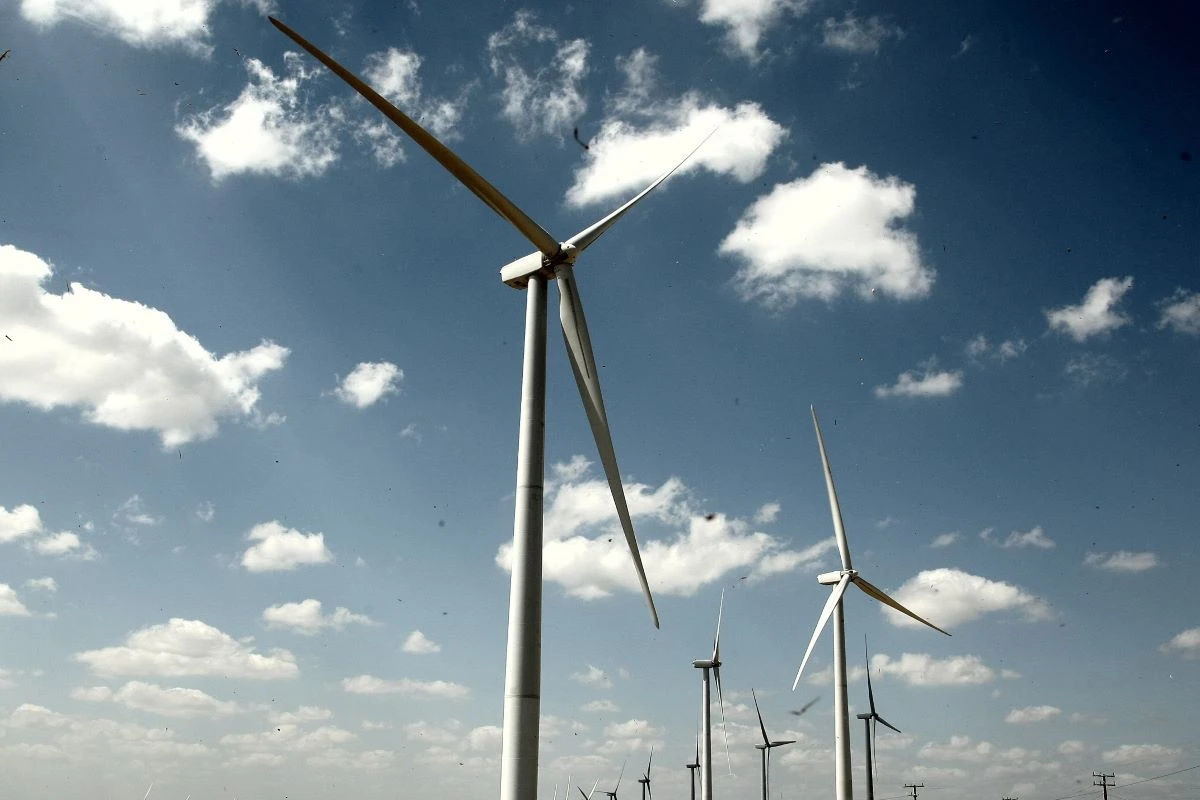
Conflict in the Sertão: Rural communities in Rio Grande do Norte report issues with wind farms and the new challenges of clean energy in the semi-arid region.
-
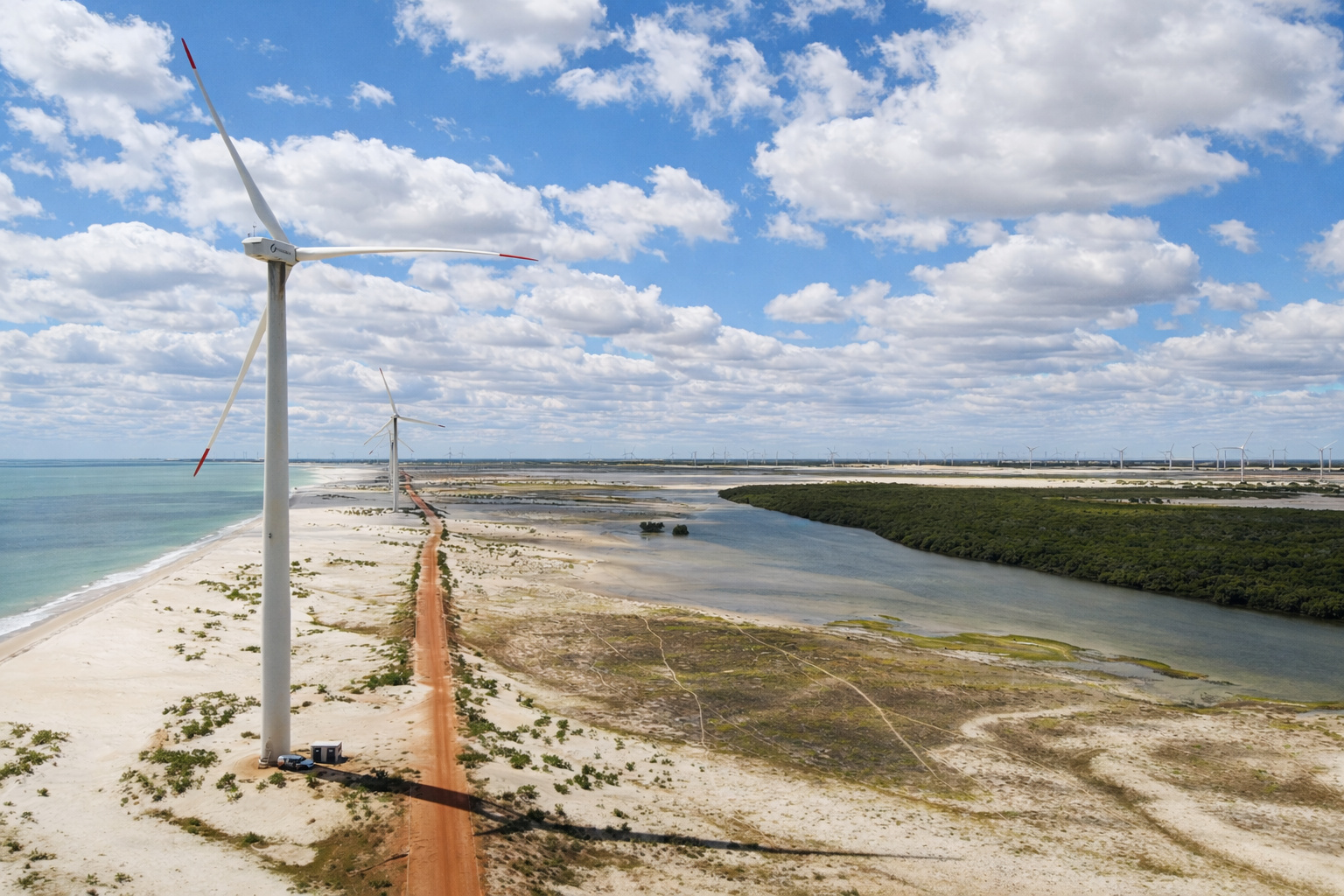
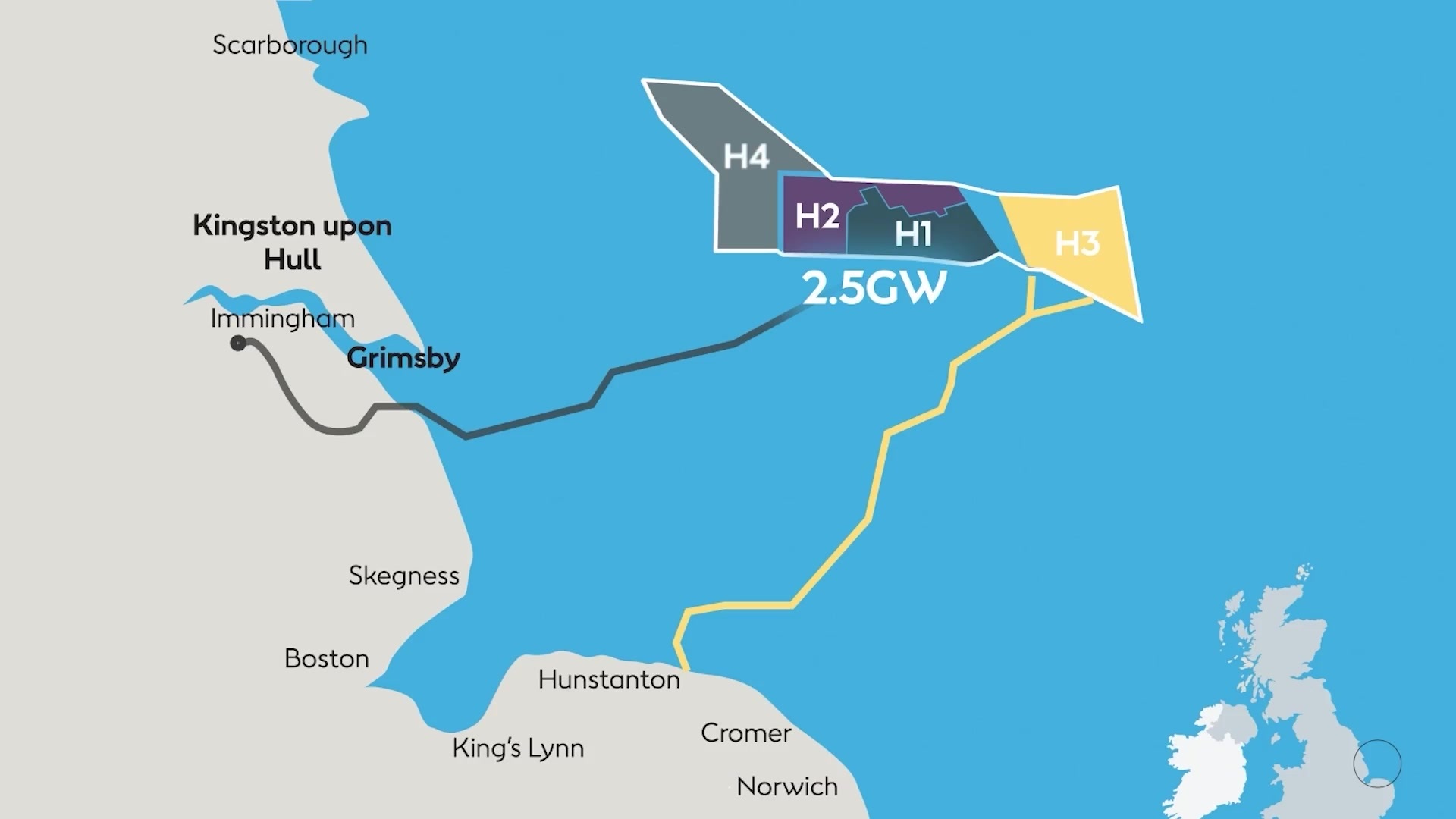
231 turbines of 260 meters at 160 km from the coast, monopiles weighing as much as nine blue whales embedded in the North Sea, and a crane ship taller than the Eiffel Tower: Hornsea 3 will be the largest offshore wind farm on the planet by 2027, and its first components have already arrived in England.

Military Concerns and Global Tensions
The government fears that, in the event of a war, the wind farms could harm the ability to track and intercept enemy missiles.
The increase in global tensions has heightened this concern. Data from the United States indicates that Russian President Vladimir Putin has recently incorporated 3,000 North Korean troops into the Ukraine war, raising the alert level in Europe.
Criticism from the Wind Energy Industry
The association WindEurope, representing the European wind industry, criticized the Swedish decision. The organization stated that the country’s military has been blocking offshore wind energy projects for years.
According to the association, Sweden could lose around 47 billion euros in private investments, an amount equivalent to R$ 295 billion.
Proposals for Integration Between Energy and Defense
WindEurope argues that the construction of wind farms can be integrated into military strategies. In other Baltic Sea countries, such as Poland, a collaborative approach has been adopted. Radar and sonar systems have been installed among the wind turbines to strengthen surveillance.
Symbiosis Initiative and Energy Alternatives
Seeking to reconcile security and energy development, WindEurope is participating in a new initiative called Symbiosis.
The project, developed in collaboration with NATO and the European Defence Agency (EDA), aims to create synergies between the deployment of offshore renewable energies and maritime protection.
While blocking new offshore wind energy projects, the Swedish government is betting on strengthening nuclear energy. The goal is to add 2,500 megawatts to nuclear capacity by 2035. Additionally, the country plans to build ten new nuclear reactors within twenty years.
Beyond Wind Energy: Current Energy Landscape in Sweden
Today, Sweden’s electricity mix is mainly composed of renewable sources. Onshore wind energy accounts for 21% of the country’s electricity generation, while hydropower represents 40%.
The scenario shows a strong reliance on sustainable sources but also the need to balance defense and energy investments.
With information from Xataka.









Seja o primeiro a reagir!