





 Portuguese
  English
  Spanish
  5 min of reading
  0 comments


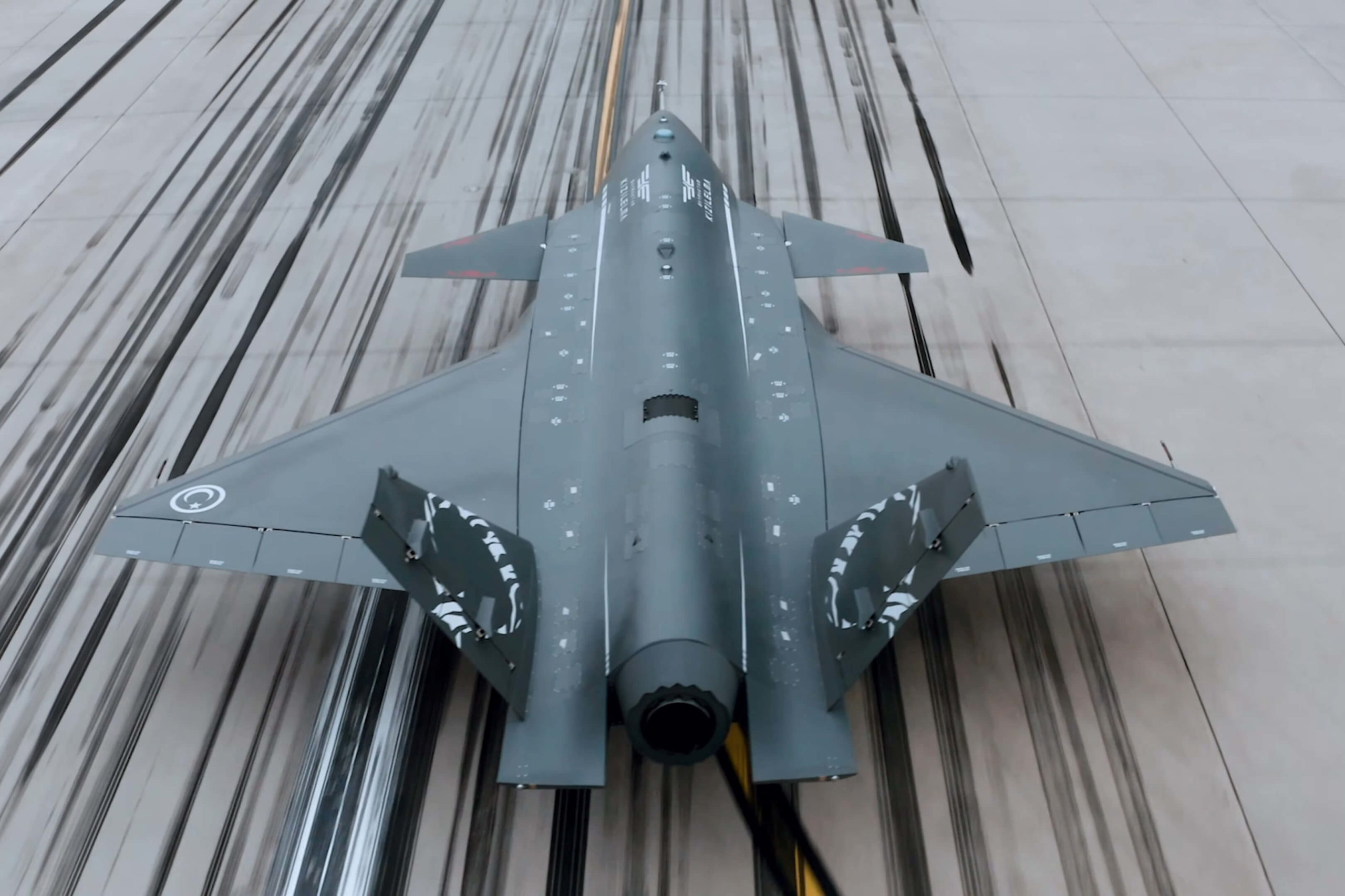
Bayraktar Kızılelma, 8.5 Ton Turkish UCAV, Successfully Fired Long-Range Air-to-Air Missile, Integrates AESA Radar MURAD, Has a Range of 930 Km, and Was Designed to Operate Even on the TCG Anadolu Ship.
Turkey has taken a significant step in the militarization of unmanned aerial systems with the tests of Bayraktar Kızılelma, an unmanned combat aerial vehicle (UCAV) developed by the company Baykar. The project combines typical manned fighter characteristics with autonomy and advanced digital integration, consolidating the country as one of the leading developers of next-generation military drones.
With a maximum takeoff weight of approximately 8.5 tons, about 14.5 meters in length, and 10 meters in wingspan, the Kızılelma was designed to perform air superiority, ground attack, and embarked operations.
Missile Launch Beyond Visual Range (BVR)
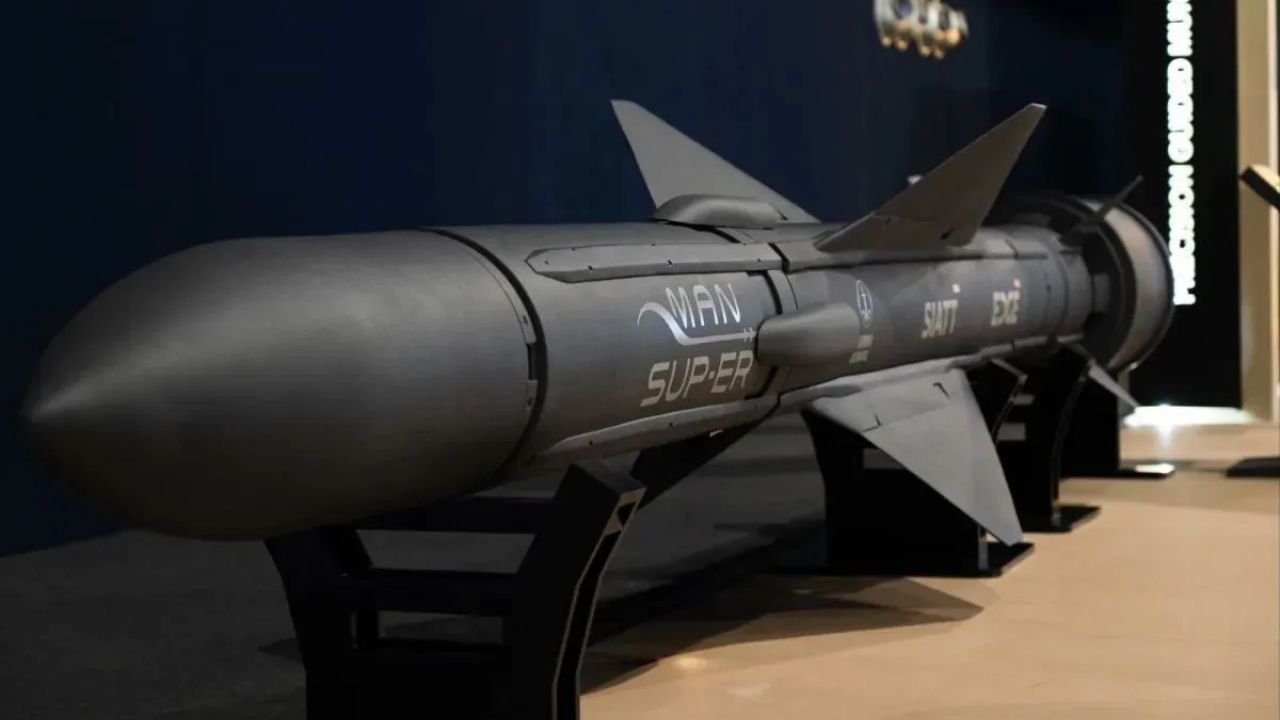
In November 2025, the Kızılelma conducted a test considered historic: the successful launch of a long-range air-to-air missile (BVR – Beyond Visual Range). The test involved the detection of an aerial target by radar, tracking, and missile launch with confirmed hit.
-
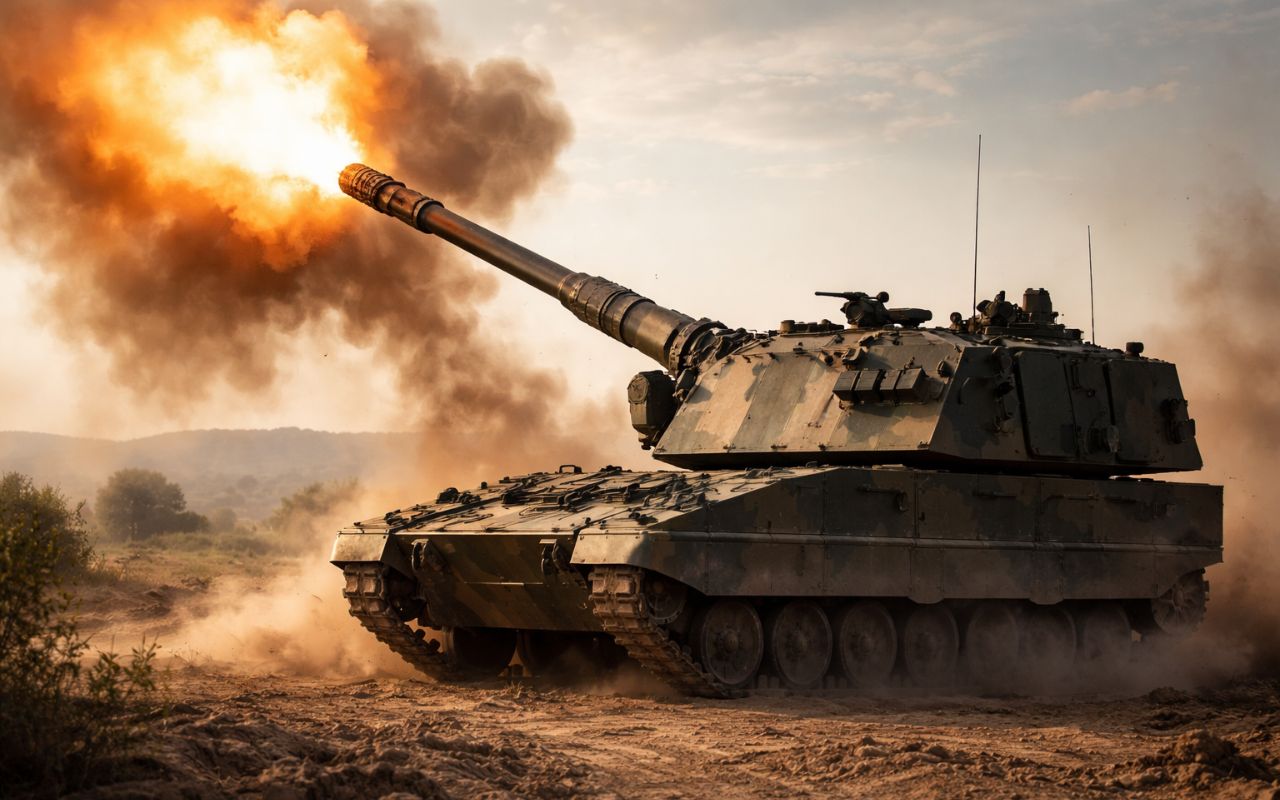
The German “steel monster” weighing 55 tons fires up to 10 projectiles per minute at over 40 km and avoids counterattacks on the battlefield by moving quickly to escape enemy attacks; meet the Panzerhaubitze 2000.
-
USS Gerald R. Ford, the largest aircraft carrier in the world, returns to sea after a fire in the laundry in the Red Sea; repaired in Crete, it resumes missions of Operation Epic Fury against Iran.

-
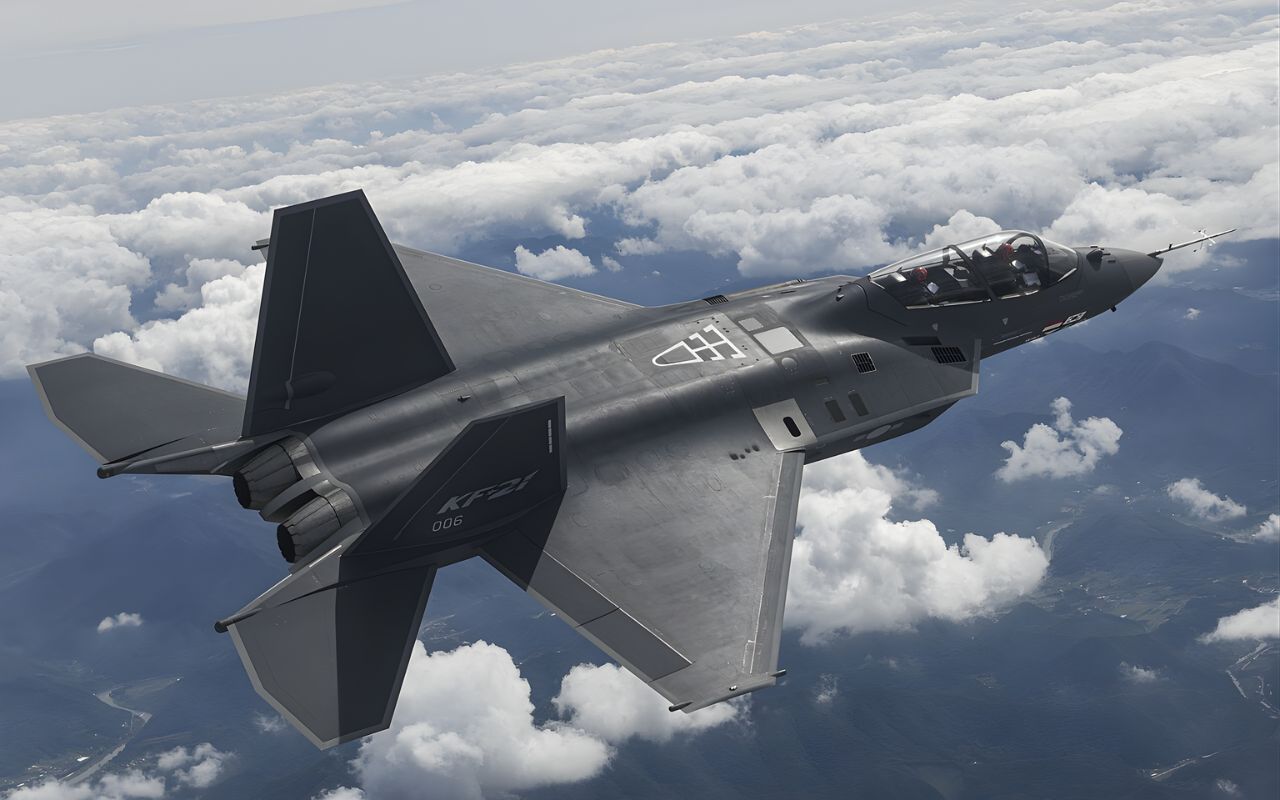
Military power: South Korea’s new KF-21 fighter jet will be a key component in replacing the aging aircraft of the air force, placing the country on the map of air military powers.
-
With 310 meters, 80 thousand tons, and capable of operating for 45 years, the new nuclear aircraft carrier France Libre will be the largest in France and will enter service in 2038.


This milestone represents one of the first times a combat drone successfully executes the entire long-range air-to-air engagement chain, a function traditionally associated with fourth and fifth-generation manned fighters.
The integration of air-to-air armaments significantly expands the operational scope of the system, which transitions from being merely a ground attack platform to also operating in the air domain.
AESA Radar MURAD and Advanced Sensors of the Bayraktar Kızılelma
The Kızılelma integrates the AESA MURAD radar, developed by the Turkish company Aselsan. AESA (Active Electronically Scanned Array) systems allow for rapid electronic scanning, greater resistance to interference, and the simultaneous capability to track multiple targets.
The presence of this radar positions the drone within a technological level normally associated with advanced combat aircraft.

In addition to the radar, the system features electro-optical sensors, integration with artificial intelligence systems, and a digital architecture geared towards networked operations.
The combination of AESA radar with operational autonomy marks a transition from conventional drones to an unmanned fighter concept.
Range and Performance of Bayraktar Kızılelma
The estimated range of the Kızılelma is approximately 500 nautical miles (about 930 kilometers), with an operational altitude close to 25,000 feet (approximately 7,600 meters).

The project uses turbofan engines, and future versions have been presented with a planned transonic performance, potentially reaching speeds close to Mach 1.2 in variants with more powerful propulsion.
This feature differentiates the system from conventional drones, which are typically limited to subsonic speeds.
Embarked Operation on the TCG Anadolu
One of the strategic elements of the program is the ability to operate from the TCG Anadolu, an amphibious assault ship of the Turkish Navy.
The Kızılelma was designed for autonomous takeoff and landing on short runways, enabling embarked operation without the need for traditional catapults.
This integration transforms the TCG Anadolu into a platform capable of operating larger combat drones, expanding Turkey’s power projection range in the Mediterranean and adjacent regions.
The adaptation for naval operations is considered one of the strategic differentials of the program.
Autonomous Formation and Cooperation Between Drones
In December 2025, tests demonstrated autonomous flight in formation between two Kızılelma. The capacity to operate in a group, coordinating trajectory and maintaining automatic spacing, is considered a central element in modern air combat doctrines.
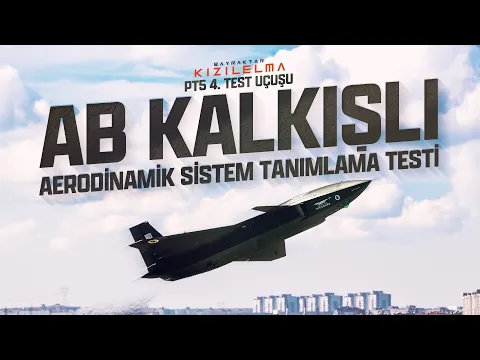
This type of operation paves the way for “loyal wingman” concepts, where unmanned aircraft accompany or partially replace manned fighters in complex missions.
The onboard autonomy includes navigation algorithms, stability control, and response to dynamic events.
Payload Capacity and Versatility
With a payload capacity estimated at 1.5 tons, the Kızılelma can carry air-to-air missiles, guided air-to-ground munitions, and other armaments compatible with its internal architecture.
The design prioritizes internal compartments to reduce radar signature, approaching the concept of stealth aircraft.
This versatility allows the system to be configured for different mission profiles, including precision strikes and air defense.
Insertion in the Global Military Scenario
The development of the Kızılelma occurs in the context of intense global competition in the advanced combat drone segment.
Countries like the United States, China, and Russia are also investing in unmanned systems with similar capabilities, including artificial intelligence integration, autonomous flight, and long-range armaments.
Turkey had already established international presence with models like the Bayraktar TB2. The Kızılelma represents a significant evolution in terms of complexity and strategic role.
Digital Architecture and Network Integration
The project was designed to operate in connected environments, sharing data with other aerial and ground platforms.
The digital integration allows for the exchange of radar information, sensors, and tactical intelligence in real time.
This capability for networked operations is one of the pillars of modern air warfare, enabling coordination among multiple systems.
Testing Phase and Next Steps
The Kızılelma is still in the testing phase and incremental development. Additional trials include the integration of different types of missiles, performance validation in maritime environments, and military certifications.
Mass production will depend on the completion of test cycles and operational approval by the Turkish Armed Forces.

The Bayraktar Kızılelma combines modern fighter characteristics with unmanned autonomy, incorporating AESA radar, BVR capability, embarked operation, and autonomous formation flight.
With a maximum takeoff weight of 8.5 tons, a range of 930 km, and naval integration on the TCG Anadolu, the system represents one of the most ambitious programs in the Turkish defense industry in recent years.
The tests conducted up to 2025 indicate consistent technological advancement, positioning the country among the leaders in the development of next-generation combat drones.









-

-

-

3 pessoas reagiram a isso.