





 Portuguese
  English
  Spanish
 4 min of reading
  0 comments


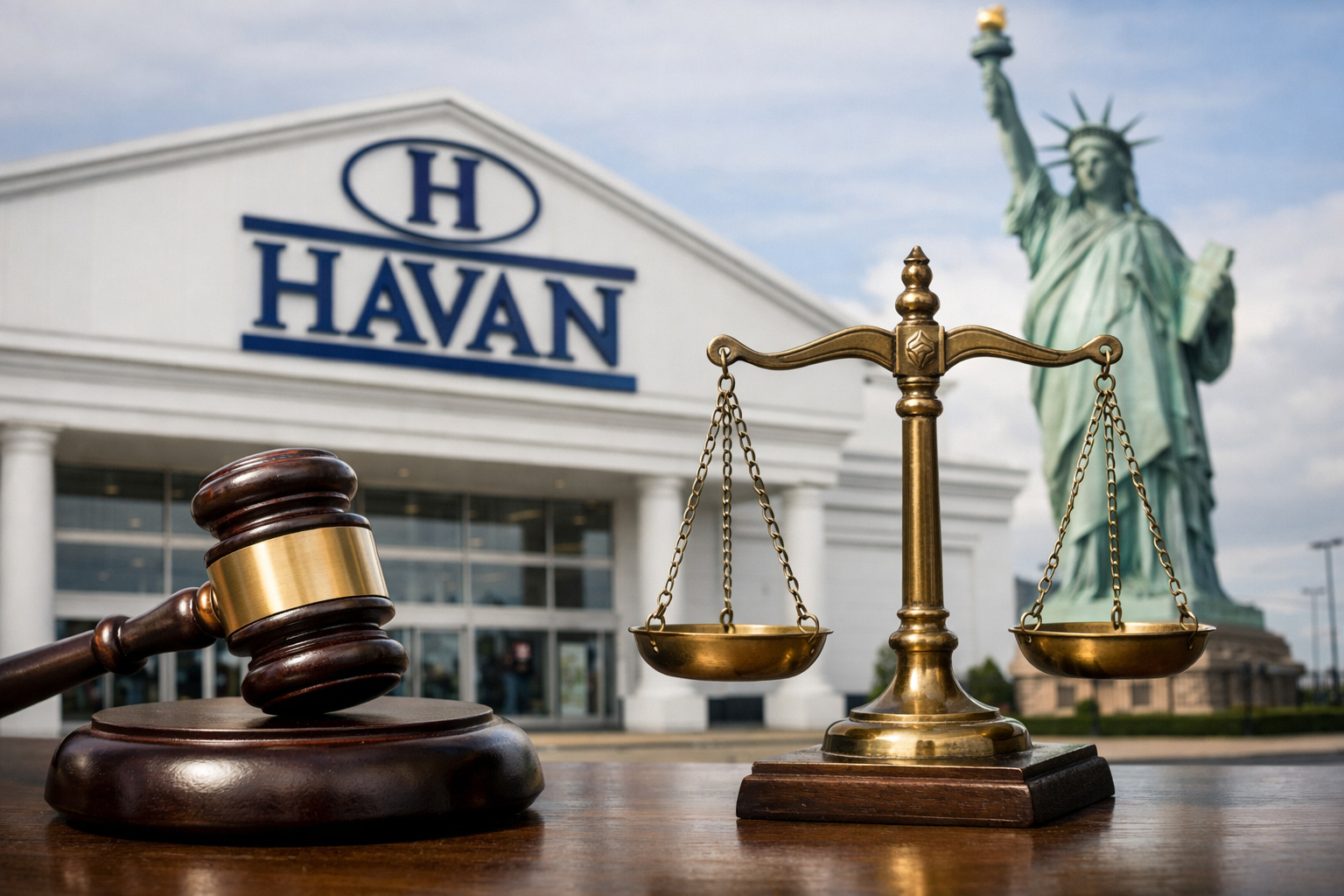
Supreme Labor Court Decision Strengthens Protection of the Right to Testify, Removes Argument of Low Productivity Presented by the Company and Maintains Sanction for Violation of Fundamental Worker Rights
The Labor Court upheld the condemnation of the retail chain Havan to pay compensation for moral damages to a former employee dismissed shortly after testifying in a labor lawsuit. The most recent decision came from the Supreme Labor Court (TST), which rejected an interlocutory appeal presented by the company, confirming a understanding already established in the lower courts and reinforcing the protection of the right of access to Justice and collaboration with the Judiciary.
The information was reported by g1, based on judicial decisions and statements from the parties involved in the process, which initially went through the Labor Court of Praia Grande, on the coast of São Paulo, and was subsequently analyzed by the Regional Labor Court of the 2nd Region (TRT-SP) and by the TST itself, in Brasília.
The worker worked at the Havan unit in Praia Grande (SP) and was dismissed 20 days after testifying, on September 26, 2023, as a witness in a case brought by a coworker. Given the temporal proximity between the testimony and the dismissal, the employee turned to the Justice claiming to have been the target of retaliation.
-
The noise law will no longer be in effect at 10 PM starting in June with a new rule valid during the 2026 World Cup.

-
The Chamber opens a debate on driver’s licenses at 16 years old as part of a reform that includes around 270 proposals to change the Brazilian Traffic Code and may redesign rules for licensing, enforcement, and circulation in the country.

-
The new Civil Code could revolutionize marriages in Brazil with “express divorce” and changes that could exclude spouses from inheritance.
-
Banco do Brasil sues famous influencer for million-dollar debt and intensifies debate on delinquency, risks of seizure, and direct impact on Gkay’s credibility.


Dismissal After Testimony Led to Condemnation for Moral Damages
Upon analyzing the case, the 1st Labor Court of Praia Grande understood that the dismissal violated the fundamental rights of the worker, especially the constitutional right of access to Justice and the civic duty to collaborate with the Judiciary. Based on this understanding, the court ordered the payment of R$ 10,000 as compensation for moral damages.
According to the ruling, the dismissal occurring shortly after the testimony constituted retaliatory practice, capable of generating an intimidating effect not only on the worker but also on other employees who might eventually be called to testify in judicial proceedings. Thus, the condemnation sought not only to repair individual damage but also to preserve the integrity of the Labor Justice system.
Havan, in turn, claimed that the dismissal occurred due to low productivity and insufficient performance of the professional. However, the argument was not accepted by the Justice, which understood that there was insufficient evidence that these factors justified the dismissal in that specific context.
Successive Appeals Were Rejected by the Labor Court
Unsatisfied with the first-instance decision, the company appealed to the Regional Labor Court of São Paulo, which upheld the condemnation. Subsequently, Havan filed another appeal, rejected in May 2025. Two months later, another request was also denied.
In a final attempt to reverse the outcome, the company presented an interlocutory appeal to the Supreme Labor Court. However, the reporting minister Liana Chaib rejected the request, stating that there was no excess of assignments by the previous instances and that the process was judged within legal limits at all stages.
With that, the TST confirmed the validity of the condemnation and maintained the understanding that the dismissal constituted a violation of the fundamental rights of the worker. Despite the defeat, Havan can still attempt new appeals, as provided for in procedural legislation.
Case Reinforces Credibility of Labor Justice, Says Lawyer
In a statement, lawyer Alexandre Leandro, from the law firm Vilas Boas & Leandro, which represented the case, stated that it is natural for large companies to use all available legal means to attempt to overturn unfavorable decisions. However, according to him, the maintenance of the condemnation in all instances demonstrates the solidity of the judgment.
“The fact that the condemnation has been upheld since the 1st instance in Praia Grande, passing through the TRT in São Paulo, and now the TST in Brasília, shows that the case has been analyzed in an exemplary manner,” stated the lawyer. For Leandro, the decision reinforces the credibility of Labor Justice and makes it clear that companies that violate the law, regardless of size, are subject to sanctions.
Contacted for comment on the decision, Havan did not respond until the publication of the report.









Seja o primeiro a reagir!