





 Portuguese
  English
  Spanish
 5 min of reading
  0 comments



São Paulo Raises State Minimum Wage to R$ 1,804, Surpassing the National Floor and Demonstrating Unprecedented Economic and Social Strength in the Country.
The governor of São Paulo, Tarcísio de Freitas (Republicans), signed the law raising the state minimum wage to R$ 1,804, an amount that exceeds the national floor currently set at R$ 1,518, according to a decree signed by President Lula.
The measure was officially published in the State Official Gazette on May 3, 2025, and is already beginning to positively impact the lives of millions of São Paulo workers.
This 10% adjustment compared to the previous minimum wage of R$ 1,640 represents a real increase above the accumulated inflation of the past year, which was 4.77%, according to the National Consumer Price Index (INPC).
-
Elon Musk’s Starship megafrocket puts $8 billion at risk, raises alarms in the market, and could affect technology, mining, and space internet startups in the coming years.

-
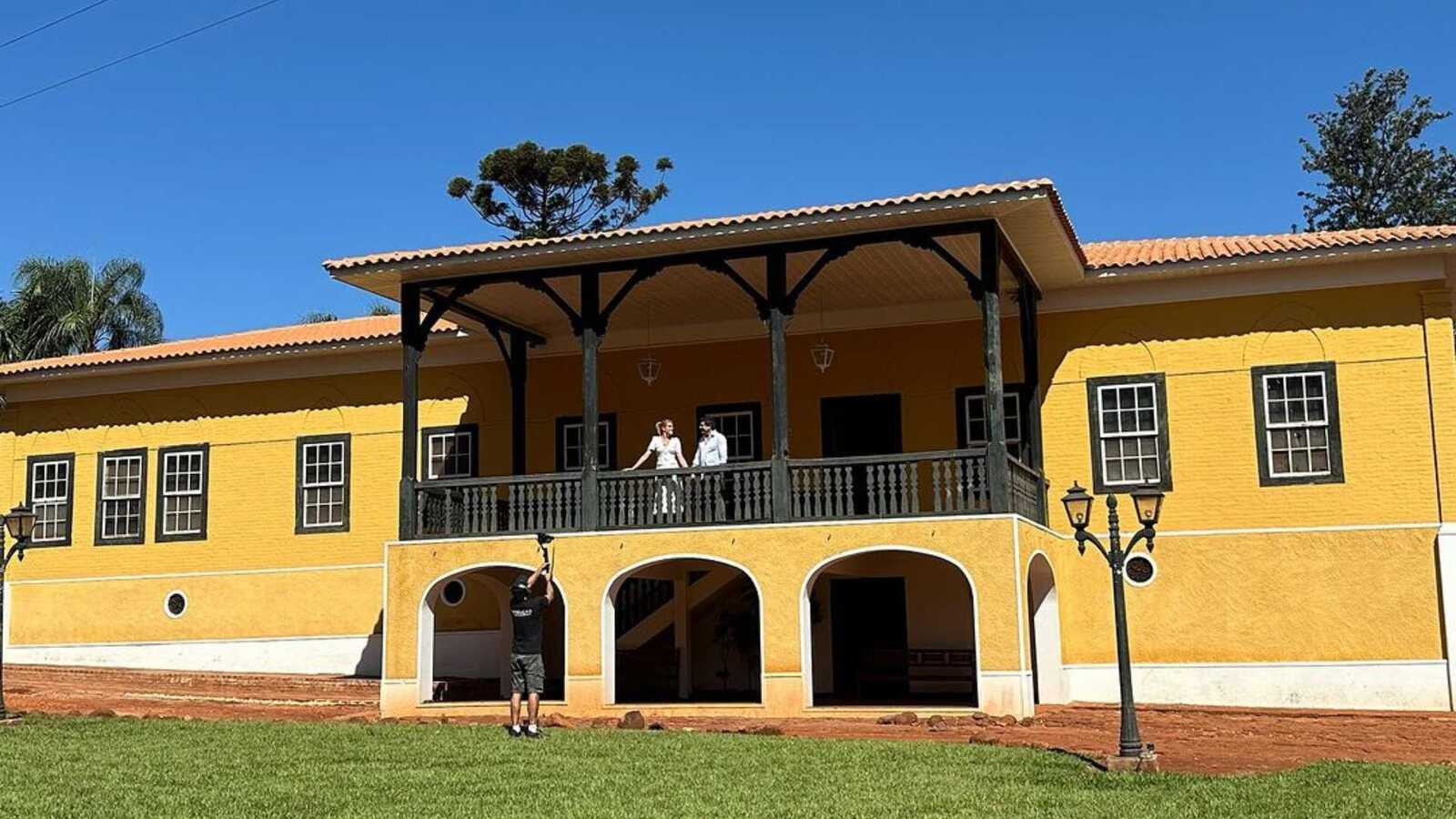
A Brazilian millionaire couple restores a farm over 150 years old in the interior of São Paulo and transforms the historic property with Portuguese tiles, antique furniture, and new spaces into a refuge that blends tradition, comfort, and sophistication.
-
Submerged city in a lake in Minas reveals intact streets, preserved vehicles, and houses after more than 60 years, impressing divers.

-
Yellowstone has started to rise again in an area of the caldera, and the movement rekindles fears surrounding the U.S. supervolcano, as scientists monitor the deformation and try to understand what is happening underground.

Since 2022, the state minimum wage has increased by 40.5%, while the accumulated inflation during the same period remained at 15.10%, showing real gains for São Paulo workers, according to INPC data.
The increase in the São Paulo minimum wage is the result of a continuous policy aimed at ensuring better conditions for around 70 professional categories working in the state.
According to the state administration, this is the third consecutive year that the proposed adjustment exceeds the accumulated inflation, reaffirming the commitment to value local workers.
In addition, the São Paulo State Legislative Assembly (Alesp) expanded the reach of the minimum wage by including important categories, such as caregivers for people with disabilities — who join elderly caregivers, already covered since 2023.
This unification aims to equalize the pay for these professions, ensuring that the São Paulo minimum wage reflects the specific demands of the local job market and the cost of living in the country’s largest economy.
Since the creation of the state minimum wage in 2007, São Paulo has sought to adapt its minimum wage to local economic conditions, differentiating it from the national value to better serve the state’s workers.
The new São Paulo minimum wage stands out especially for being 18.84% higher than the national minimum, a significant differential in view of the current Brazilian economic scenario.
As the principal economic hub of Brazil, São Paulo faces unique challenges related to the cost of living, particularly in metropolitan areas, which justifies the need for a higher local floor.
This movement highlights the state’s autonomy to establish salary policies that value workers according to regional conditions, without solely relying on federal adjustments.
Categories Covered by the São Paulo Minimum Wage
Among the categories benefiting from the state floor are domestic workers, elderly caregivers and caregivers for people with disabilities, laborers, agricultural and forestry workers, fishermen, porters, messengers, and cleaning and maintenance professionals.
The group also includes workers in green space maintenance and public areas, office clerks, unskilled workers in trade, industry, and administrative services, as well as delivery drivers, bar staff, elevator operators, and laundry workers.
Other covered professions include agricultural machine operators, construction workers, mail carriers, barbers, hairdressers, manicurists, pedicurists, salespeople, bricklayers, and professionals involved in paper and cardboard manufacturing.
The personal and property security sector, tourism, and hospitality are also included, encompassing waiters, public transport collectors, and bartenders.
Additionally, painters, plumbers, welders, metal structure assemblers, glaziers, ceramicists, weavers, jewelers, goldsmiths, and office machine operators also receive the state floor.
The group also consists of typists, data entry clerks, telephone operators, telemarketers, attendants, and passenger transport service commissioners, energy and telecommunications network professionals, mechanical adjusters, industrial production supervisors, and agricultural administrators.
This diversity demonstrates the breadth of the São Paulo minimum wage, which seeks to ensure fair compensation for various sectors of the local economy.
Social and Economic Impact of the Adjustment
The increase in the São Paulo minimum wage brings direct and indirect impacts on the state’s economy.
For workers, it represents more purchasing power, helping to compensate for rising prices and improving the quality of life for families.
In the current context, with inflation still challenging, this real gain helps protect workers’ rights and reduce regional inequalities.
For companies, the state adjustment may mean adjustments in payroll costs, but it can also stimulate local consumption, boosting trade and services.
Experts point out that when the minimum wage keeps pace with or grows above inflation, the economy tends to benefit from increased demand for goods and services.
Thus, the São Paulo adjustment could help dynamize the state economy, especially in sectors that employ a large number of workers covered by the minimum wage.
It is worth noting that the state floor was developed to reflect specific features of the São Paulo job market, where the cost of living is higher than in many other regions of the country.
The existence of a regional floor is seen by many experts as an effective way to balance the purchasing power of workers in light of local economic particularities.
São Paulo at the Forefront of Salary Policies
Since 2007, São Paulo has been a pioneer in creating a state minimum wage that serves a wide variety of professions and sectors, positioning itself ahead of most Brazilian states in this regard.
While the national floor serves as a reference, the state of São Paulo understands that its economic reality requires a differentiated approach, promoting consistent advancements in the value of the state minimum wage.
In 2024, Alesp unified the minimum wage for 70 categories, aiming to simplify and strengthen the rights of São Paulo workers, as highlighted by the Legislative Assembly itself.
This unification facilitates the application of the law and helps ensure that the adjustment reaches various professions in a fair and uniform manner.
With the new increase sanctioned by Tarcísio de Freitas, São Paulo reaffirms its policy of valuing labor and demonstrates autonomy to protect the purchasing power of the population in the face of national economic challenges.
Do you think other Brazilian states should adopt higher regional minimum wages to protect their workers? What impact could this policy have on national economic balance?




Seja o primeiro a reagir!