





 Portuguese
  English
  Spanish
  5 min of reading
  0 comments



Change in Spanish Law Expands Automatic Extensions, Strengthens Formal Deadlines, and Reignites Debate on Contractual Balance in the Residential Rental Market, with Direct Impacts on Owners and Tenants in a Context of Rising Costs and Increased Regulation.
A recent change in the legal framework of residential rental in Spain has once again brought to the forefront the relationship between tenant security and owner autonomy.
The changes reinforce mechanisms that extend the duration of contracts, even when the initially signed term is short, and increase the length of time the tenant can remain in the property.
In practice, although the legislation does not establish lifetime occupancy, the rules make it difficult for the owner to reclaim the property immediately, especially when there is no formal communication of termination within the legally prescribed timeframes.
-
The noise law will no longer be in effect at 10 PM starting in June with a new rule valid during the 2026 World Cup.

-
The Chamber opens a debate on driver’s licenses at 16 years old as part of a reform that includes around 270 proposals to change the Brazilian Traffic Code and may redesign rules for licensing, enforcement, and circulation in the country.

-
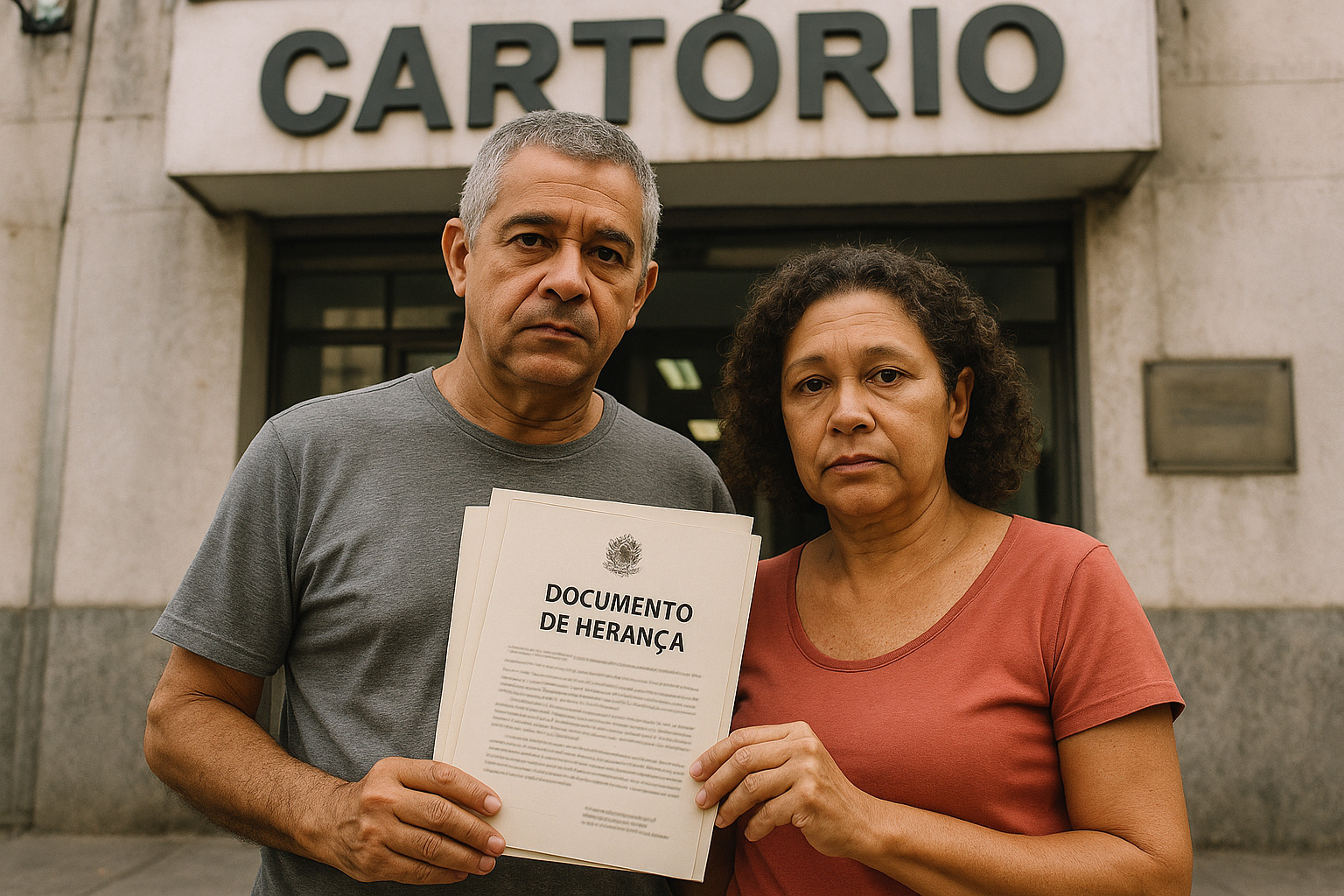
The new Civil Code could revolutionize marriages in Brazil with “express divorce” and changes that could exclude spouses from inheritance.
-
Banco do Brasil sues famous influencer for million-dollar debt and intensifies debate on delinquency, risks of seizure, and direct impact on Gkay’s credibility.


The issue has gained visibility because many contracts continue to be signed with reduced initial periods, while the legislation imposes a minimum stability greater than what was previously allowed.
As a result, situations that were previously treated as exceptions have become part of the everyday landscape of the Spanish real estate market, especially in regions where housing pressure is greater.
What Does Spanish Legislation Say About Residential Rental Contracts
The main focus of the changes lies in the Urban Leasing Law, which regulates residential rental in the country.
Under the current rule, when the owner is an individual, the tenant has the right to remain in the property for up to five years.
If the landlord is a legal entity, this minimum period increases to seven years.
Even if the contract was signed for a shorter period, the law provides for automatic extensions until that time is reached, as long as the tenant complies with contract obligations and keeps payments up to date.
In addition to this initial period, the regulation also establishes the possibility of tacit renewal.
If neither party formally expresses the intention to terminate the contract, the lease can be extended for up to three additional years, through annual renewals.
This mechanism aims to provide predictability in the contractual relationship and reduce the involuntary turnover of properties in the market.
Automatic Renewal and the Importance of Formal Deadlines

The point that tends to generate the most controversy is not a specific clause inserted in the contract, but the absence of communication at the appropriate time.
Under Spanish legislation, the owner’s silence can result in the automatic extension of the lease.
To avoid this, the landlord must inform, at least four months before the end of the applicable period, that they do not intend to renew the contract.
On the other hand, the tenant, if they wish to leave the property, needs to communicate their decision at least two months in advance.
In practice, failing to provide this notice within the legal timeframe results in the contract being automatically extended.
Real estate law experts point out that many owners still underestimate the importance of these formal deadlines, believing that simply reaching the end of the signed term is sufficient to terminate the lease.
The law also provides for specific situations for reclaiming the property, such as the need for permanent housing for the owner or close family members.
Even in these cases, however, the recovery depends on fulfilling legal requirements and prior communication.
Without these steps, the extension is likely to prevail.
Reactions of Owners and Impact on Property Management
Representatives of property owners and real estate sector entities have expressed concern about the effects of mandatory extensions on property management.
According to these associations, the lengthening of the minimum rental time reduces flexibility for selling the asset, planning renovations, or redefining prices in new contracts.
This happens because renegotiation only occurs when the lease effectively ends.
Another point mentioned by these groups is the broader regulatory context in which the rule is inserted.

The Law 12/2023, known as the housing law, introduced instruments that allow public intervention in areas classified as “tensioned residential market zones”.
In these regions, depending on the profile of the owner and the contract, there may be additional limits on adjustments and stricter conditions for new leases.
These factors have fueled debates in the Spanish real estate sector.
Arguments in Favor of Greater Tenant Stability
On the other hand, organizations linked to the right to housing argue that the expansion of extensions brings greater stability to a market marked by price increases and difficulty in accessing housing.
For these groups, excessively short contracts increase residential insecurity and raise costs associated with frequent moves.
These include fees, deposits, and relocation expenses.
The official justification for the changes in Spanish legislation points precisely to the need to reduce tenants’ exposure to constant renewals and annual uncertainty.
By extending the minimum stay period, the stated goal is to balance the contractual relationship, while still maintaining the requirement for tenants to meet their obligations.
Differences Between Spanish Law and the Tenancy Law in Brazil
In Brazil, the Tenancy Law, in effect since 1991, structures the relationship between owner and tenant differently.
The recovery of the property depends on the type of contract, the agreed duration, and the legal grounds presented.
There is no equivalent legal minimum period of five or seven years provided in Spain for residential rentals.
Although Brazilian legislation also addresses extensions and specific cases for contract termination, the end of the contracted term tends to weigh more heavily in the rental dynamic.
For this reason, experts warn that Spanish rules cannot be automatically transposed to the Brazilian context.
The legal systems and available instruments for each party are different.
However, the Spanish experience has been closely monitored by markets in other countries.
Changes of this nature tend to influence decisions made by owners and tenants.
These decisions affect supply, demand, and how clauses and deadlines are negotiated.
In a scenario with stricter rules, to what extent can attention to legal deadlines and formal communications define who stays and who leaves a property at the end of each contract?









-

-

-

8 pessoas reagiram a isso.