





 Portuguese
  English
  Spanish
  5 min of reading
  0 comments


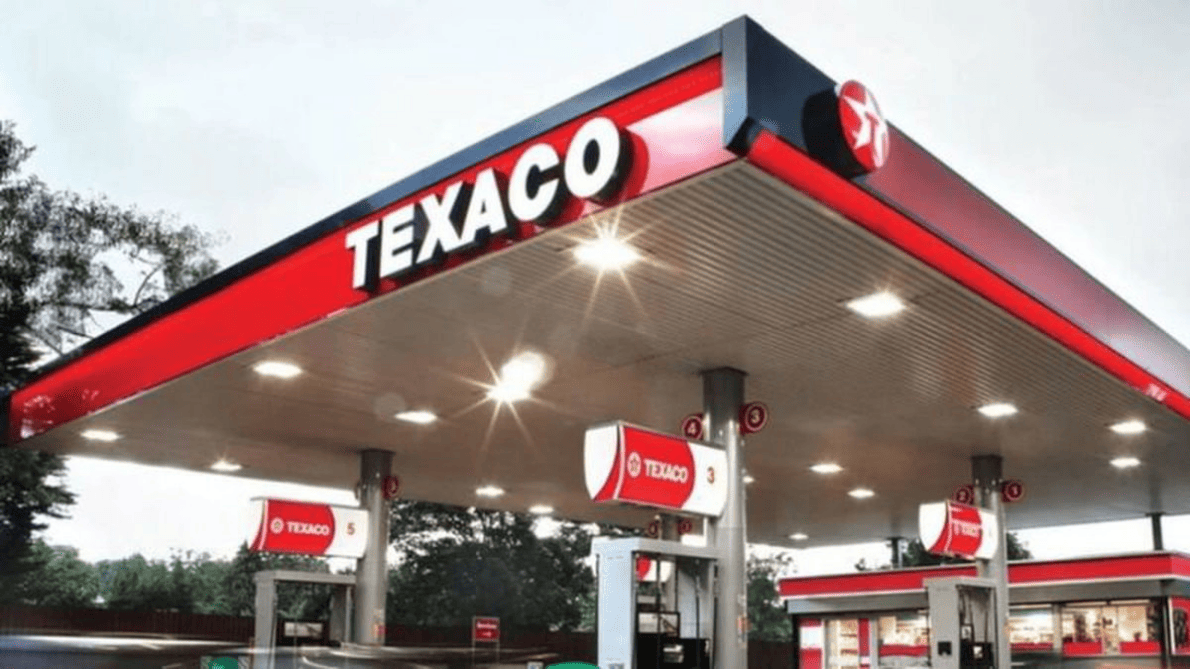
The Return of One of the Largest Fuel Brands in the World to Brazil Faces an Unexpected Setback: A Million-Dollar Judgment Debt Threatens to Compromise Expansion Plans and Leaves Investors on Alert About Texaco’s Next Steps in the Country.
Texaco’s attempt to return strongly to the fuel sector in Brazil has encountered an old judicial entanglement involving a million-dollar debt with a lubricants distributor in Bahia.
The 3rd Class of the Superior Court of Justice (STJ) unanimously decided to uphold the company’s conviction, requiring the payment of approximately R$ 60 million to MLub, the company that operated exclusively with the resale of the brand in the states of Bahia and Sergipe.
The STJ’s decision represents yet another obstacle in Texaco’s repositioning strategy in Brazil, which was officially resumed in October 2024 with the opening of a gas station in Palhoça, Santa Catarina.
-
“No one will make us change the Pix,” says Lula after the US report.

-
Lula responds directly to Trump and says that Pix is from Brazil and will not change under pressure from anyone, after a report from the United States pointed out the Brazilian payment system as an American trade barrier.
-
Amazon has just announced a new fee on all deliveries, and your online purchases will become more expensive starting April 17, including for those buying from the United States here in Brazil.

-
He sold his share for R$ 4 thousand, saw the company become a giant worth R$ 19 trillion, and missed the opportunity of a lifetime.


The brand’s expectation was to return with full force, especially in the South and Southeast regions, where it planned to open dozens of new gas stations in the coming months.
However, so far, no other gas station has been effectively inaugurated.
Texaco left Brazil in 2016, after more than 100 years of operations in the country, concluding its activities in the fuel station segment.
The brand’s management in the national territory has since been under the responsibility of Iconic Lubrificantes, a joint venture formed by giants Chevron and Grupo Ultra – the latter being the controller of the Ipiranga gas station network.
The new undertaking aimed to reclaim the brand’s weight in the imagination of Brazilian consumers, betting on a strategic repositioning to face consolidated competitors such as Petrobras, Shell, and Ipiranga itself.
Contractual Conflict with Bahia Company Reignites Legal Dispute
According to process documents, MLub accused Texaco of breaking the exclusive contract established for the resale of lubricants in the states of Bahia and Sergipe, entering into parallel agreements with other distributors and selling directly to customers in the region, which caused operational and financial losses to the Bahia company.
The Bahia Justice had already recognized the contractual infraction in two previous instances.
The decision now ratified by the STJ solidifies Texaco and its parent companies – Chevron and Grupo Ultra – obligations to compensate MLub for the damages incurred, further elevating the legal complexity surrounding the brand’s return to Brazil.
The compensation amount, estimated at around R$ 60 million, represents not only a financial setback, but also an impact on the brand’s image in front of potential partners and franchisees.
According to industry sources, the legal impasse has deterred potential investors interested in associating their operations with the Texaco brand.
Return to Brazil: Strategy Stalls Due to Lack of Adoption
Even with the effort to reposition the brand in the country, Texaco faces practical difficulties in expanding its network.
After launching the first gas station in Santa Catarina, no new unit has opened so far, reflecting the market’s lack of confidence regarding the brand’s operational stability in Brazil.
According to industry specialists, the Brazilian market is proving to be increasingly competitive and demanding, requiring companies to maintain a high degree of legal and reputational predictability.
Judicial convictions, along with the lack of clarity about the security of future contracts, have become a limiting factor for the adoption of new partners to the brand.
Additionally, the presence of well-established brands makes Texaco’s comeback more difficult, as it needs to compete not only on price and quality but also on trust.
In recent years, Brazilian consumers have become more concerned about the origin of fuels and the transparency of brands — a factor that can weigh against companies involved in litigation.


Chevron and Grupo Ultra Silent About Next Steps
Iconic Lubrificantes, the company responsible for managing the Texaco brand in Brazil, has not yet officially commented on the STJ’s decision.
No new expansion plans for the network or alternatives to mitigate the impacts of the judicial ruling have been disclosed.
Chelon and Grupo Ultra, parent companies of Iconic, avoid public statements about the process, reinforcing the climate of uncertainty surrounding Texaco’s future in the national territory.
According to analysts, the lack of institutional positioning may increase legal insecurity and further stall negotiations with potential franchisees.
The situation raises questions about the viability of the brand’s comeback project in the country.
Although the market potential is significant — Brazil is among the largest fuel consumers in the world — the scenario of legal instability represents a real threat to the continuity of Texaco’s plan.
Historical Presence and Exit from Brazil
Founded in 1901 in the United States, Texaco operated for decades in Brazil with a strong presence in the fuel and lubricant sector.
In the 2000s, the company underwent a series of international restructurings that culminated in its merger with Chevron, which also influenced its business strategy in Brazil.
In 2008, Texaco sold its network of gas stations to Grupo Ultra, which integrated the assets into the Ipiranga network.
Since then, the brand has survived in the country only in the lubricants sector, through Iconic.
It was only in 2024 that the possibility of reactivating the gas stations under the Texaco banner emerged, in a move now compromised by the legal dispute.
Business Owners in the Sector Analyze the Brand’s Future in the Country
Executives in the fuel sector interviewed by specialized portals assert that, despite the historical value and international strength of the Texaco brand, returning to the Brazilian market will be difficult without a definitive resolution of the legal liabilities.
Moreover, the current scenario of controlled inflation, but with high competition, demands agile actions and well-structured loyalty strategies.
The STJ’s decision is seen as a watershed moment, as it may influence other ongoing legal actions involving Texaco or its parent companies.
There is also the risk that new companies will allege similar contractual breaches, which would further increase pressure on Iconic and its partners.
While trying to rebuild its operation, Texaco faces a central challenge: regaining the confidence of the Brazilian market amid a crisis of image and high-value legal disputes.
What do you think, does Texaco still have space in the competitive fuel market in Brazil or has the brand missed the boat?







-

Uma pessoa reagiu a isso.