





 Portuguese
  English
  Spanish
  5 min of reading
  2 comments


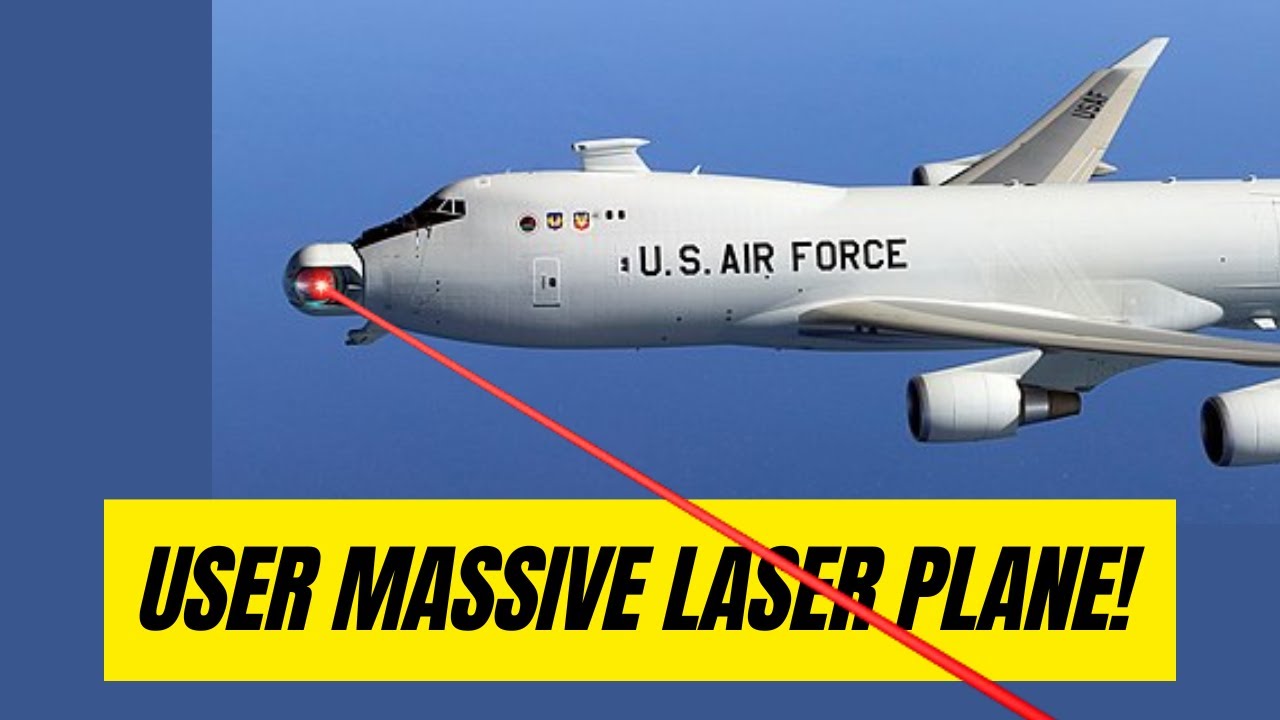


U.S. Secret Program Used a Boeing 747 with a Laser of Up to 2 Megawatts to Destroy Ballistic Missiles in Flight and Changed the Course of Laser Warfare.
For decades, the idea of destroying a ballistic missile before it even left the atmosphere was treated as science fiction. But in the early 21st century, the United States decided to take this concept to the limits of real engineering. The result was one of the most expensive, complex, and technically ambitious military projects ever put into flight: the Airborne Laser (ABL).
The system transformed a Boeing 747-400F cargo plane into a directed energy platform capable of firing a chemical laser with megawatts of power at targets hundreds of kilometers away. The goal was simple on paper and brutally difficult in practice: to melt the structure of enemy ballistic missiles during the launch phase, when they are most vulnerable.
The Strategic Logic Behind the Airborne Laser
Ballistic missiles are designed to survive space, atmospheric reentry, and complex anti-missile systems. However, in the first minutes after launch, during the so-called boost phase, they are still accelerating, filled with fuel, and structurally fragile.
-
The German “steel monster” weighing 55 tons fires up to 10 projectiles per minute at over 40 km and avoids counterattacks on the battlefield by moving quickly to escape enemy attacks; meet the Panzerhaubitze 2000.

-
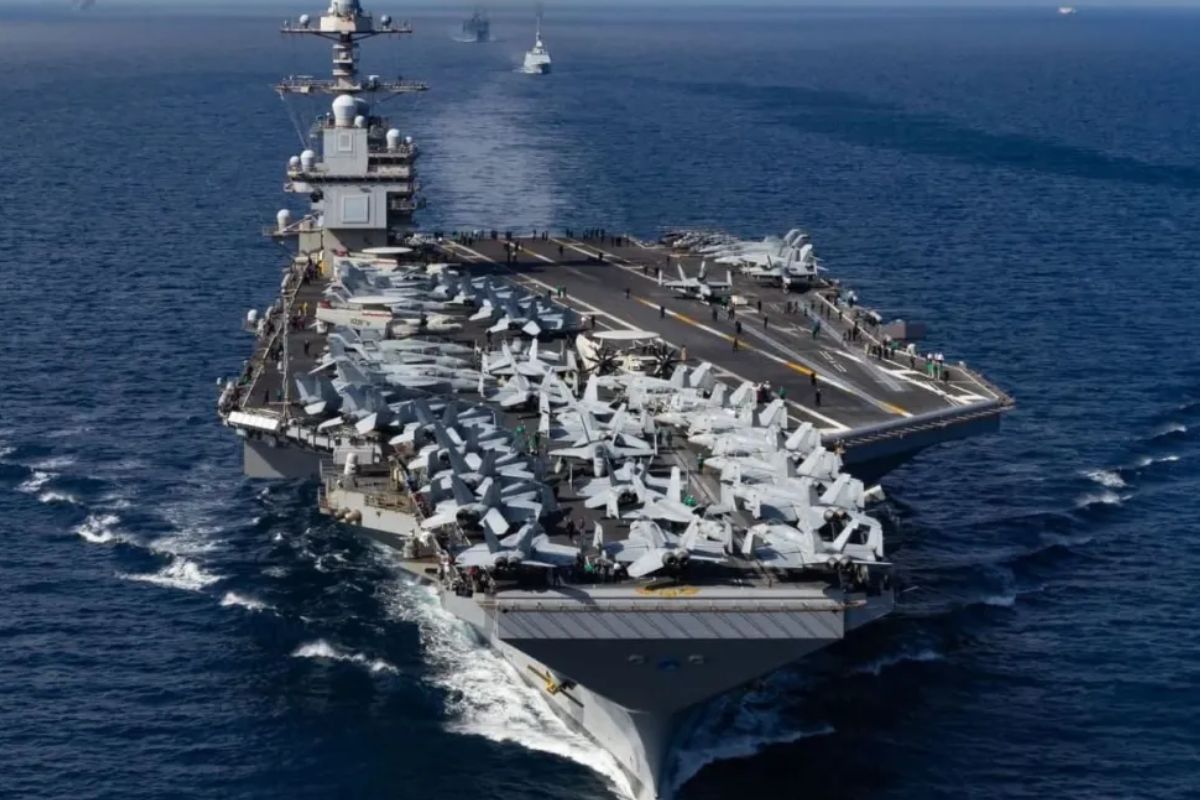
USS Gerald R. Ford, the largest aircraft carrier in the world, returns to sea after a fire in the laundry in the Red Sea; repaired in Crete, it resumes missions of Operation Epic Fury against Iran.
-
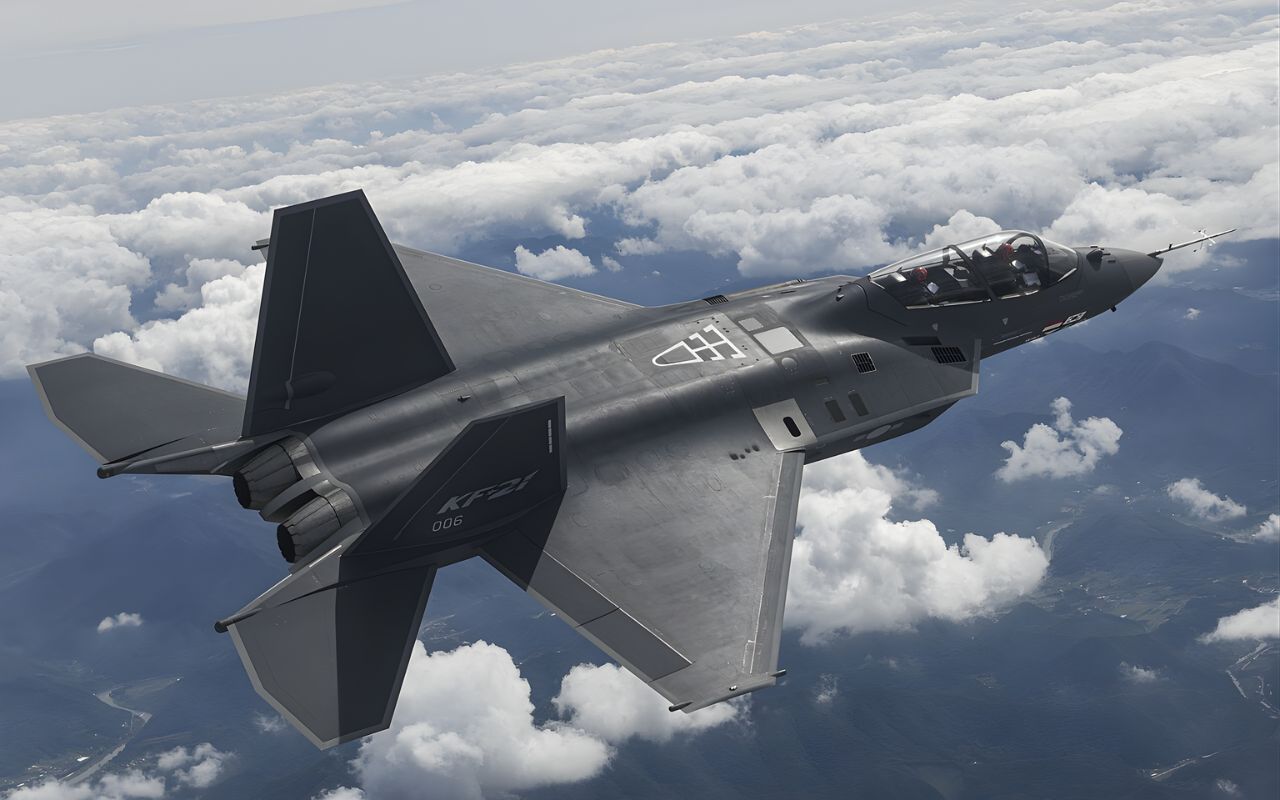
Military power: South Korea’s new KF-21 fighter jet will be a key component in replacing the aging aircraft of the air force, placing the country on the map of air military powers.
-
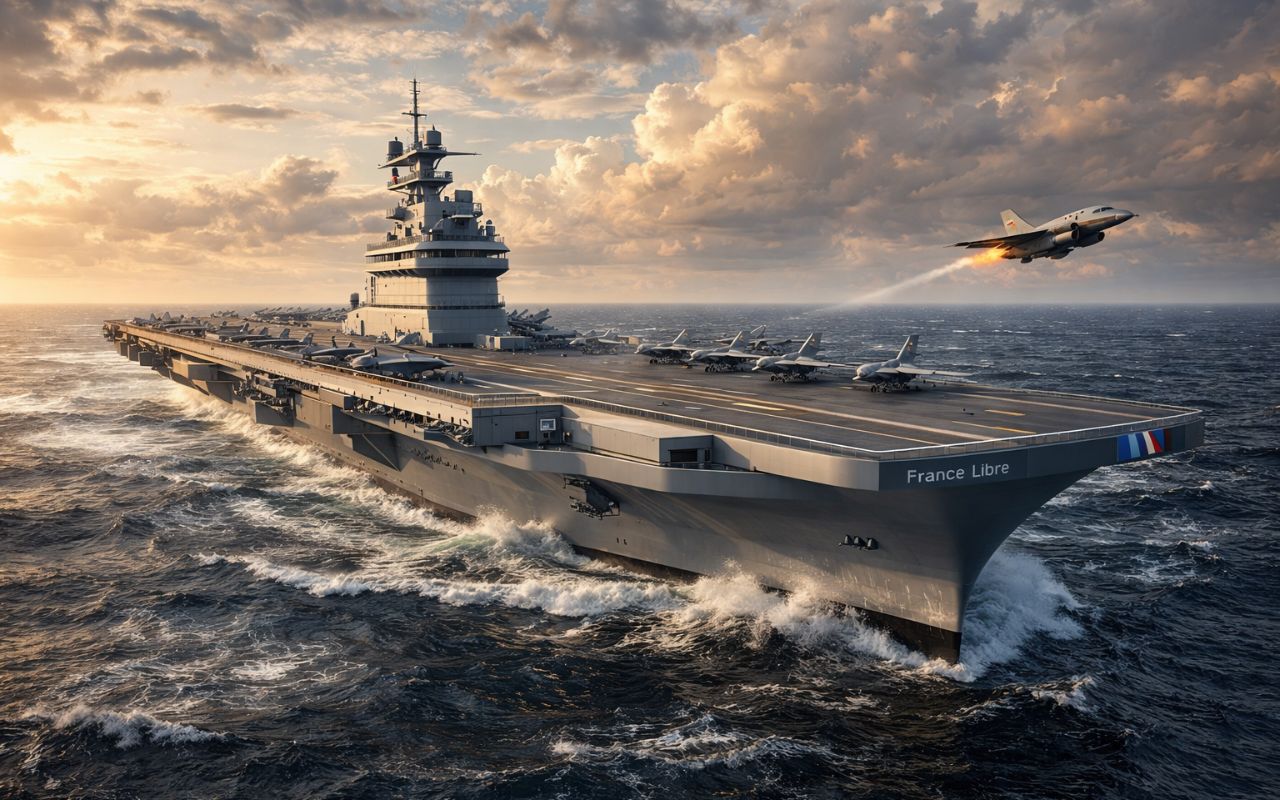
With 310 meters, 80 thousand tons, and capable of operating for 45 years, the new nuclear aircraft carrier France Libre will be the largest in France and will enter service in 2038.

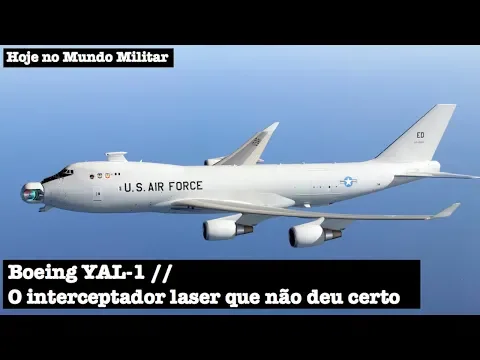

The logic of the ABL was to attack exactly at that moment, using concentrated energy instead of projectiles. Unlike traditional interceptors, the laser did not need to “hit” the missile in the classical sense: it just needed to heat a specific spot on the hull for a few seconds until it caused catastrophic structural failure.
This approach would eliminate multiple challenges of traditional missile defense, such as trajectory calculation, multiple decoy warheads, and evasive maneuvers in space.
A Laser of Unprecedented Scale — Boeing Yal-1
The heart of the system was a chemical oxygen-iodine laser (COIL), a technology that generates light energy through highly controlled chemical reactions. Unlike modern electric lasers, the COIL offered something essential to the ABL: extremely high continuous power.
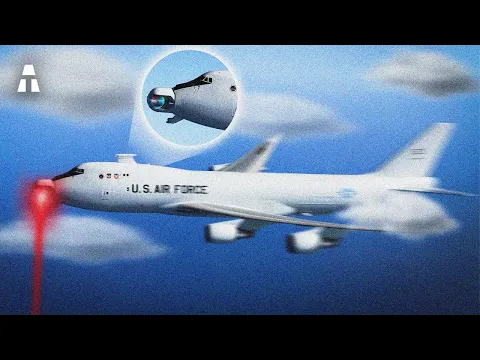
Official and technical estimates indicate that the ABL’s laser operated between 1 and 2 megawatts, making it the most powerful airborne laser ever installed on an aircraft. For comparison, this is equivalent to millions of watts concentrated in an extremely precise beam, maintained stable by advanced optical systems.
The system included a set of adaptive mirrors, some over 1.5 meters in diameter, capable of compensating for atmospheric turbulence in real-time. Without this correction, the beam would simply disperse before reaching the target.
The Boeing 747 Converted into a Strategic Weapon — Boeing Yal-1
The selected aircraft was not accidental. The Boeing 747-400F offered enough internal space, cargo capacity, and stability to accommodate something unprecedented: tanks for chemical reagents, gigantic optical systems, infrared sensors, tracking computers, and a completely redesigned nose.

The most visible feature of the Boeing Yal-1 was the mobile turret at the front, where the main laser mirror was located. This turret needed to move with extreme precision, tracking targets traveling at supersonic speeds hundreds of kilometers away.
Inside the aircraft, the laser occupied much of the space previously allocated for cargo. Each shot consumed chemical reagents, limiting the number of engagements possible per mission — one of the factors that weighed heavily against the project.
Real Tests and Destruction of In-Flight Targets
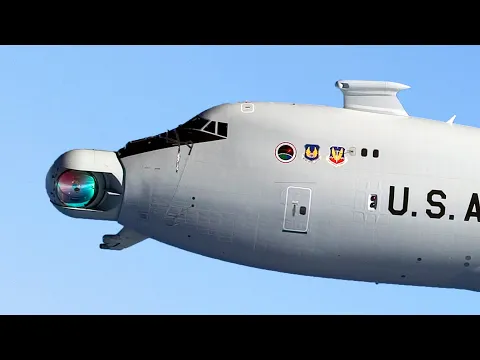
In February 2010, the program reached its greatest milestone. During tests in the Pacific, the Boeing Yal-1 successfully destroyed short-range ballistic missiles still in the boost phase in real flight, using only the laser.
These tests proved something historic:
✔ it was possible to track a launching missile
✔ maintain a stable beam for seconds
✔ cause enough structural failure to destroy it
Technically, the concept worked. From an engineering perspective, the ABL fulfilled its primary mission.
Why a Functional Project Like the Boeing Yal-1 Was Canceled
Despite the technical success, the program began to crumble when strategic and logistical factors entered the equation.
The effective range of the laser, although impressive, required the aircraft to operate relatively close to enemy territory, exposing it to advanced air defenses. Moreover, the system depended on large quantities of chemical reagents, making each mission costly, limited, and complex.
The total cost of the program exceeded US$ 5 billion, and projections indicated even higher values to make it operational at a full scale. In a scenario of dispersed global threats, the model proved to be inflexible.
In 2011, the U.S. Air Force decided to terminate the program, keeping it as a technological demonstration and flying laboratory.
The Invisible Legacy of the Boeing Yal-1
Although canceled, the ABL left a profound impact. Many of the technologies developed for the program, especially in adaptive optics, infrared tracking, and beam control — migrated to modern defensive laser projects, now in electric and much more compact versions.
Today, directed energy systems are returning to the center of military doctrines, installed on ships, ground vehicles, and even experimental fighters. The Boeing Yal-1 was not a technical failure, but rather a project too far ahead of its time, limited by the technology and strategic context of the era.
More than a weapon, it proved that pure energy can become a direct instrument of warfare, something that decades ago seemed impossible outside of science fiction.







E com certeza é se utilizando dessas armas que eles abatem foguetes brasileiros lançados em Alcântara.
Eu pensei a mesma coisa hahaha