





 Portuguese
  English
  Spanish
  3 min of reading
  0 comments


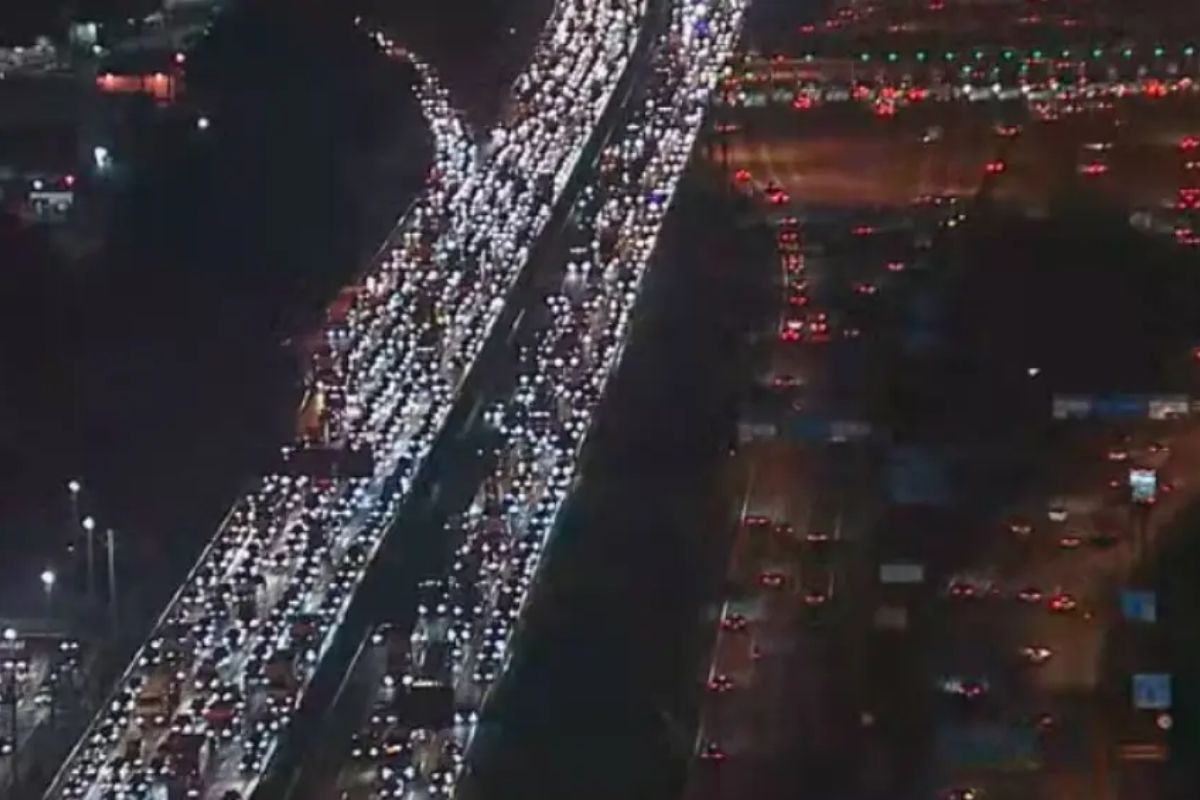
With a fleet that exceeds the mark of 9.5 million units, the capital of São Paulo stands out as the city with the largest fleet of vehicles in Brazil, presenting mobility challenges and superlative numbers that surpass entire nations.
According to the latest data from the National Traffic Department (SENATRAN), as of May 2024, the city of São Paulo holds the largest fleet of vehicles in Brazil, with numbers that reveal the impressive dimension of its urban fabric. The volume is so large that it alone surpasses the sum of the fleets of 14 Brazilian states, including Amazonas, Piauí, Alagoas, and Sergipe, highlighting its unique position on the national scene.
This massive concentration of vehicles places the capital of São Paulo on a distinct level compared to any other metropolis in the country. The difference to the second-largest fleet, in Rio de Janeiro, is over 6 million vehicles, a gap that illustrates the challenges and complexity of managing mobility in the largest city in South America.
São Paulo At The Top, The Numbers Of The Largest Fleet In The Country
The official records from SENATRAN as of May 2024 show that the city with the largest fleet of vehicles in Brazil has a total of 9,518,773 vehicles. This number not only positions it in first place but does so with an overwhelming advantage over others.
-
The village where two rivers run side by side without mixing in Santarém and Alter do Chão reveals some of the most beautiful freshwater beaches on the planet.

-
Brazil’s nuclear submarine with a speed 5 times greater than normal advances after nearly 50 years and R$ 40 billion spent.
-
A Brazilian island charges R$ 0.50 to receive visitors and prohibits any new residents.
-
Why was the Great Wall of China built? The truth that many are unaware of!


The growth of the fleet is a direct indicator of the city’s economic activity and population density. However, it also imposes constant pressure on road infrastructure, air quality, and urban logistics, requiring ongoing solutions such as the municipal vehicle rotation system and the expansion of public transport.
The Gap To Other Brazilian Metropolises
The leadership of São Paulo becomes even clearer when its numbers are placed side by side with those of other major Brazilian cities. The disparity reveals that the capital of São Paulo faces a mobility challenge on a completely different scale.
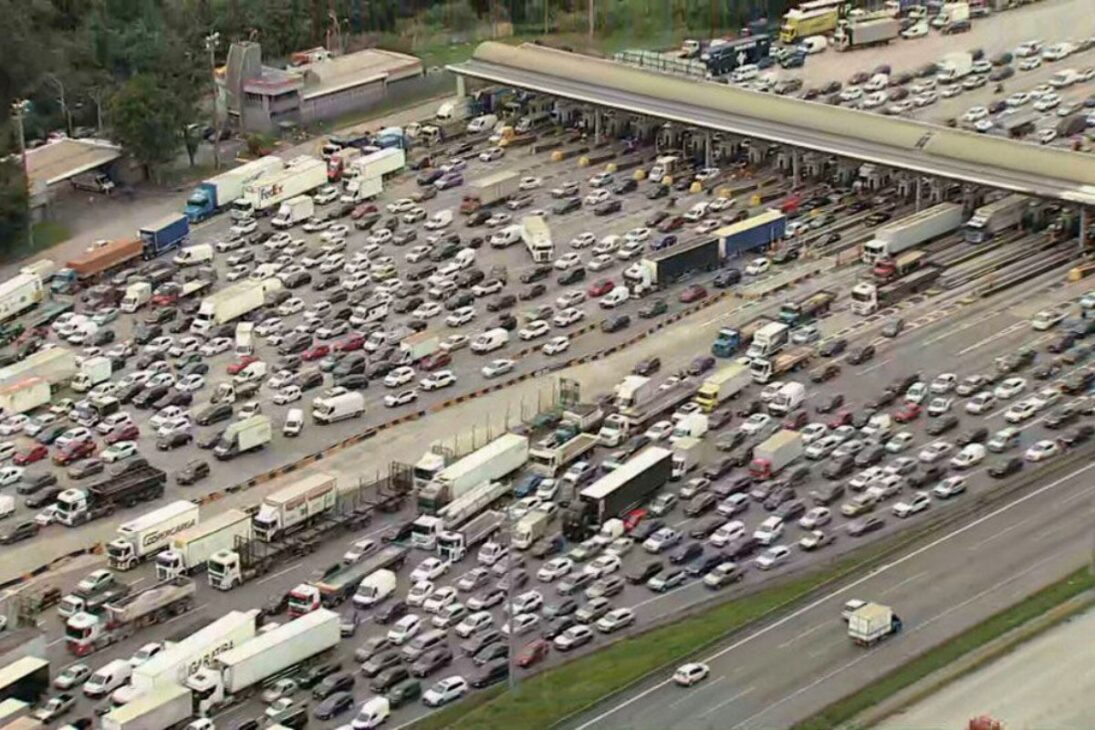
See the comparison of the city with the largest fleet of vehicles in Brazil with others in the ranking (data from May 2024):
São Paulo (SP): 9,518,773 vehicles
Rio de Janeiro (RJ): 3,102,583 vehicles
Belo Horizonte (MG): 2,308,201 vehicles
Brasília (DF): 2,152,091 vehicles
Curitiba (PR): 1,708,297 vehicles
The fleet of São Paulo is more than three times larger than that of Rio de Janeiro and more than four times larger than that of Belo Horizonte.
The Detailed Composition Of The Paulista Fleet
To understand the complete scenario, it is essential to analyze the composition of this gigantic fleet. The diversity of types of vehicles reflects the multiple facets of life in the city, from individual transportation to the flow of goods. The division, according to SENATRAN, is as follows:
Automobiles: 6,309,800
Motorcycles: 1,396,945
Pickups: 643,528
Trucks: 271,936
Utilities: 227,420
Automobiles represent the largest share, accounting for more than 66% of the total, which directly impacts the daily congestion faced by residents of São Paulo.
Traffic, Economy And The Environment
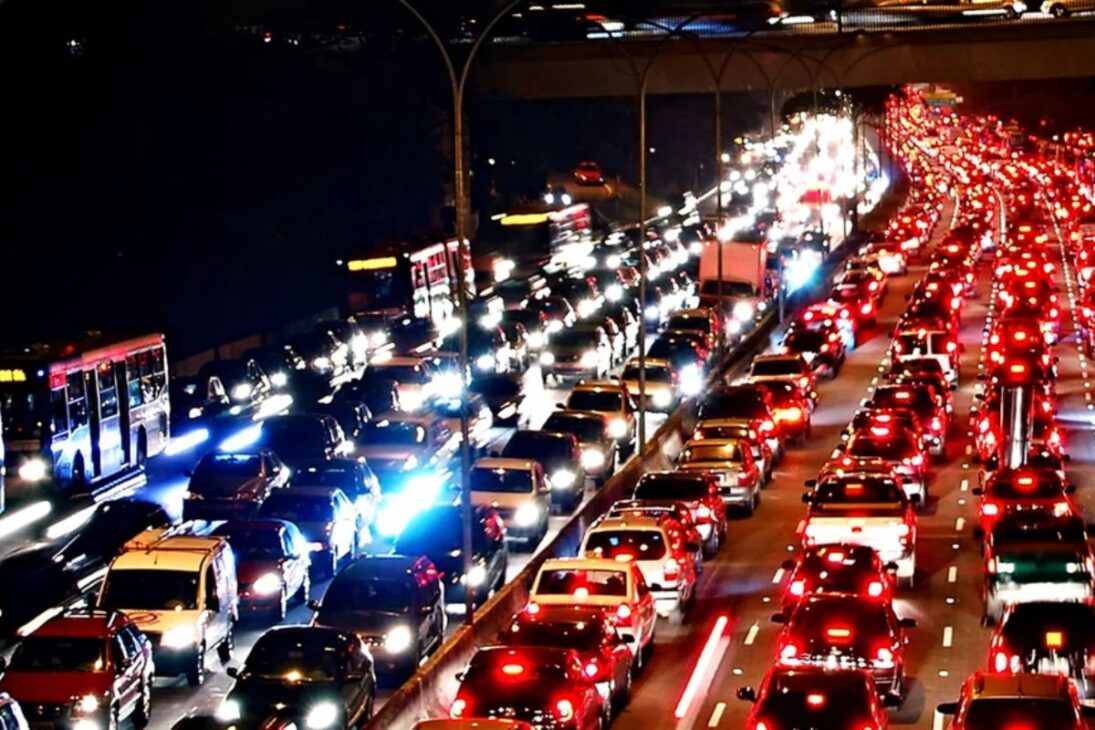
A fleet of nearly 10 million vehicles circulating in the same municipality generates profound and multifaceted consequences. Economically, it is the engine of a vast chain of services, including workshops, insurers, fuel stations, and logistics. The city runs on wheels, with deliveries and mobility that keep the economy thriving.
However, the negative impacts are equally significant. The long traffic jams are a daily reality, leading to lost time and productivity. From an environmental standpoint, the emission of pollutants from millions of combustion engines is one of the main challenges for air quality and meeting climate goals. Managing this enormous volume of vehicles is undoubtedly one of the biggest puzzles for public administration in the city with the largest fleet of vehicles in Brazil.







-

Uma pessoa reagiu a isso.