





 Portuguese
  English
  Spanish
  2 min of reading
  0 comments


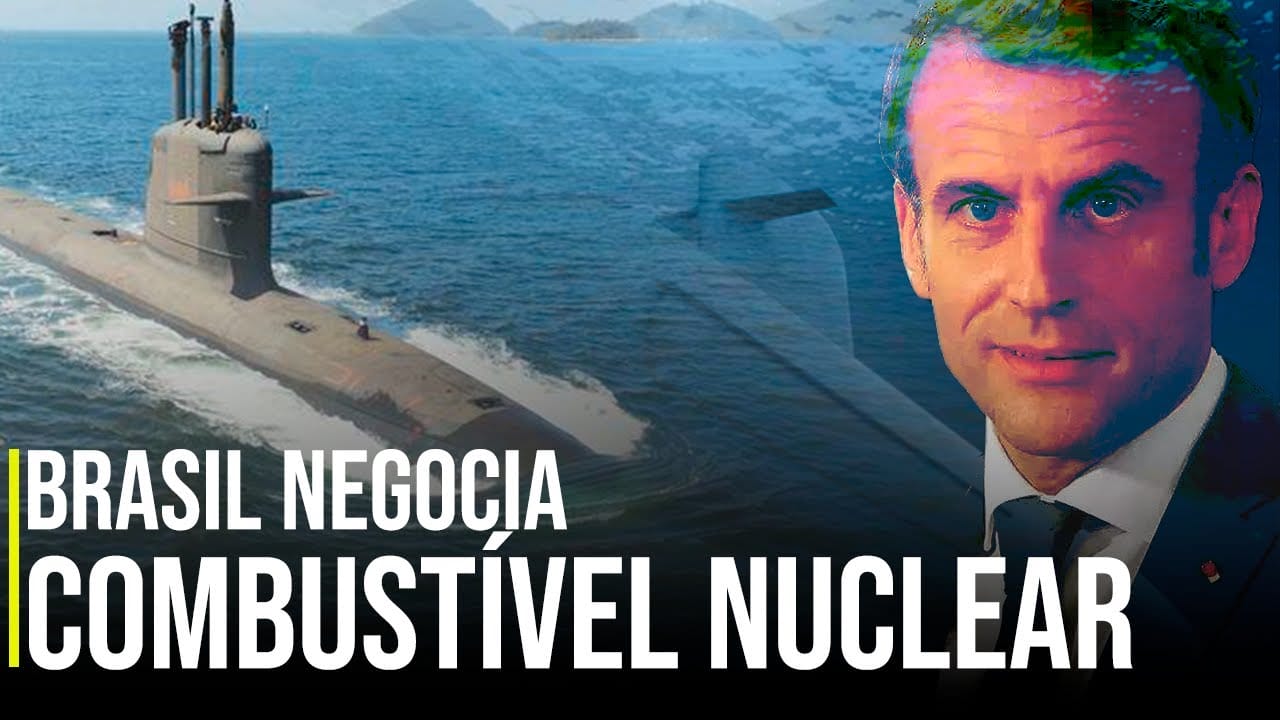
The Brazilian Government and the Navy Are Negotiating with France to Obtain Nuclear Fuel for the Álvaro Alberto Submarine
According to information published on March 22 by naval.com.br, the Brazilian government and the Navy are in negotiations with France to obtain cooperation, including in the area of nuclear fuel for the Álvaro Alberto submarine, which is under development as part of the Brazilian submarine program.
Ambassador Maria Luisa Escorel de Moraes, Secretary for Europe and North America at the Itamaraty, stated that regarding the submarine’s fuel and the possible cooperation from France in this area, it is believed to be feasible. She mentioned that although there may have been resistance in the past, there is currently discussion about this possibility.
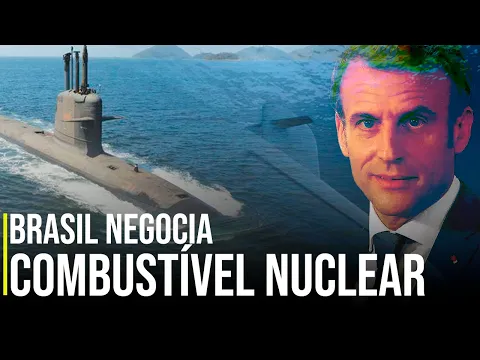

Brazilian Navy Submarine Álvaro Alberto
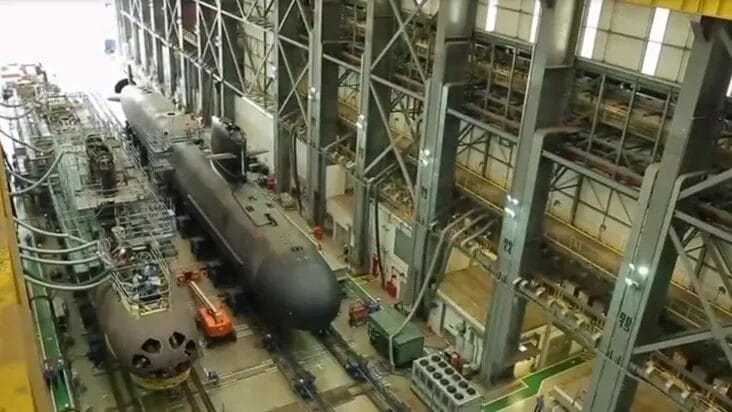
The nuclear submarine Álvaro Alberto (SN-10) will be Brazil’s first nuclear-powered attack submarine. It is being built by the state-owned shipbuilding company Itaguaí Construções Navais (ICN). The project is part of a strategic partnership established between France and Brazil, which also included the total transfer of technology and support for the construction of four expanded conventional Scorpène-class submarines.
-
Europe is trying to create an ammonia-powered marine engine without auxiliary fuel, which could unlock the race for giant emission-free ships. The technology aims to eliminate one of the biggest obstacles to clean maritime propulsion.
-
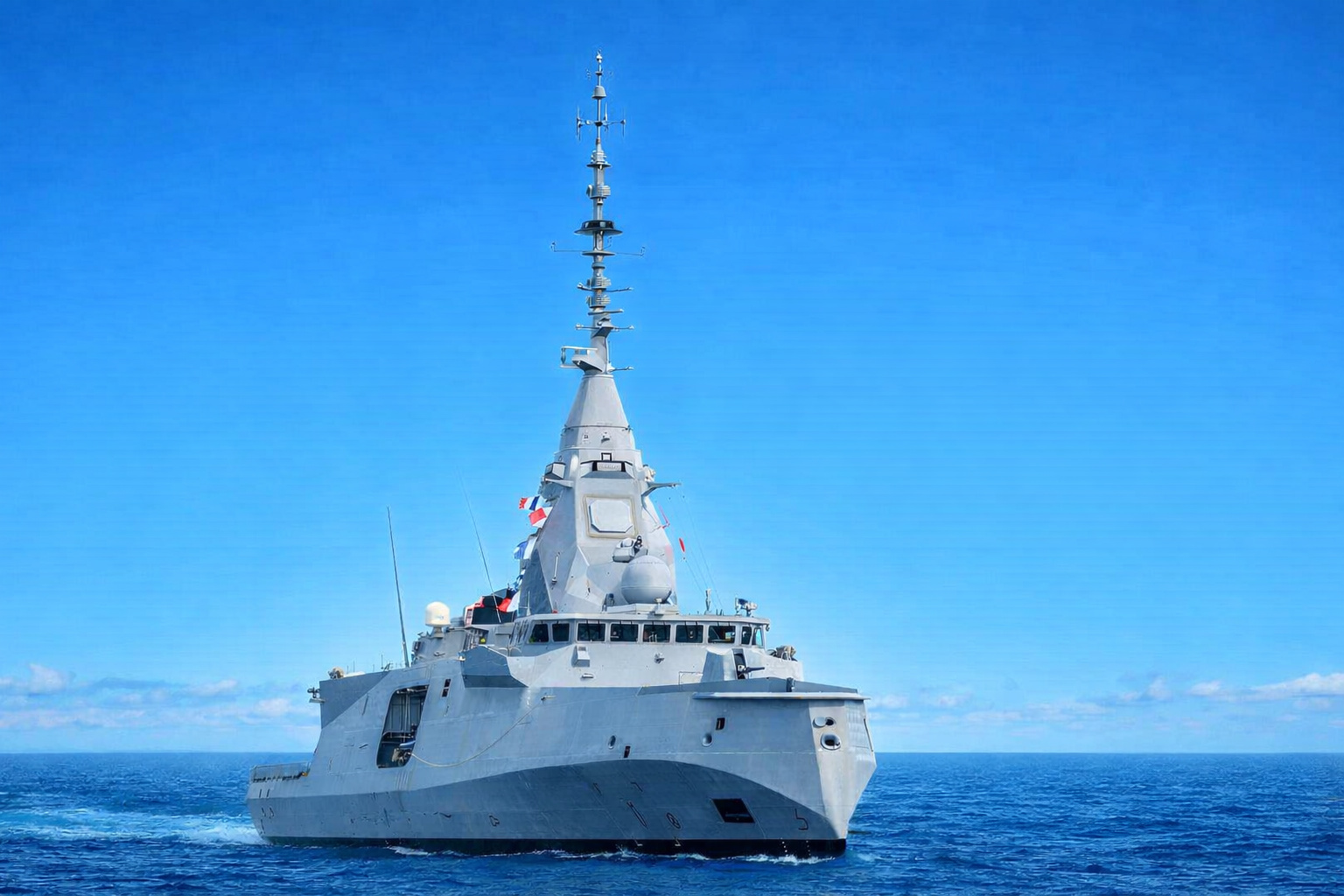
A 4,500-ton frigate with just over 100 crew members, state-of-the-art radar, and cruise missiles is being touted as the new standard of naval warfare in the 21st century.
-
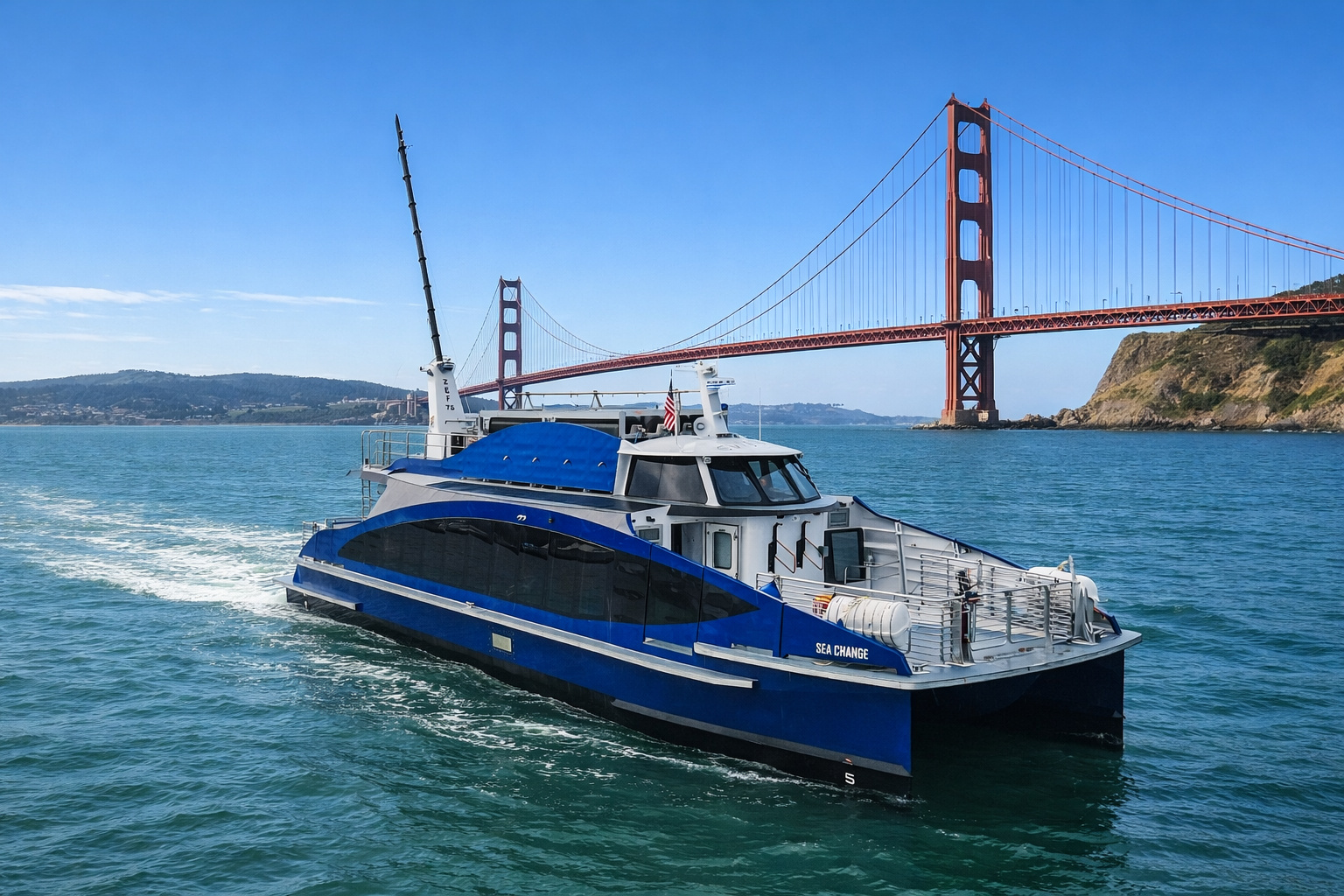
The first commercial hydrogen-powered ferry enters operation in the U.S., eliminates the use of diesel, uses fuel cells to generate clean energy on board, and transforms San Francisco Bay into a landmark of the new era of emission-free navigation.
-
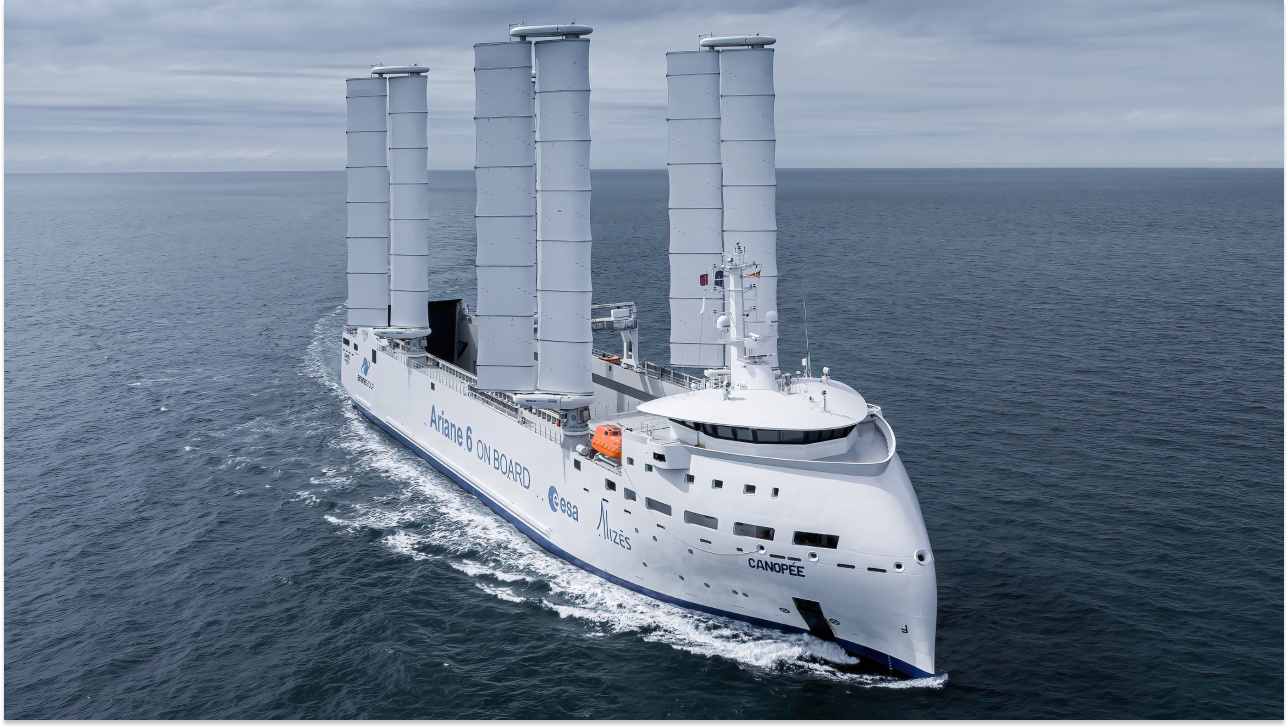
With a length of 121 meters and four rigid sails of 36 meters that automatically rotate to capture the wind, Canopée is the world’s first hybrid industrial cargo ship powered by wind, used to transport rockets and reduce fuel consumption by up to 30% on transoceanic routes.
The submarine is named after the former Vice Admiral of the Brazilian Navy and scientist Álvaro Alberto da Motta e Silva, who was responsible for implementing the Brazilian nuclear program.
Brazil-France Cooperation
The submarine development program, estimated at 40 billion reais in current values, aims to construct four conventional submarines, two of which are already completed, and one conventionally powered submarine driven by nuclear propulsion.
Regarding the nuclear-powered submarine, it is important to remember that in recent years Brazil has faced strong resistance from the international community, through the International Atomic Energy Agency, which is demanding a series of criteria from Brazil for the Brazilian project to be approved.
Challenges and Resistances
The issue is that many of these requested criteria would directly infringe upon military and industrial secrecy, putting Brazilian sovereignty at risk. Obviously, we do not know the extent of these negotiations between Brazil and France, but it certainly will not be something simple, as the United States opposes the sale of equipment and the transfer of know-how that would allow Brazil, or any other country, to obtain this capability. This negotiation will be the type that is exhausting, requiring a lot of political agreement so as not to violate national sovereignty.
What could happen if Brazil disregards all the criteria demanded by the International Atomic Energy Agency? In this case, Brazil would face serious sanctions, especially in the economic area.








Seja o primeiro a reagir!