





 Portuguese
  English
  Spanish
  3 min of reading
  0 comments


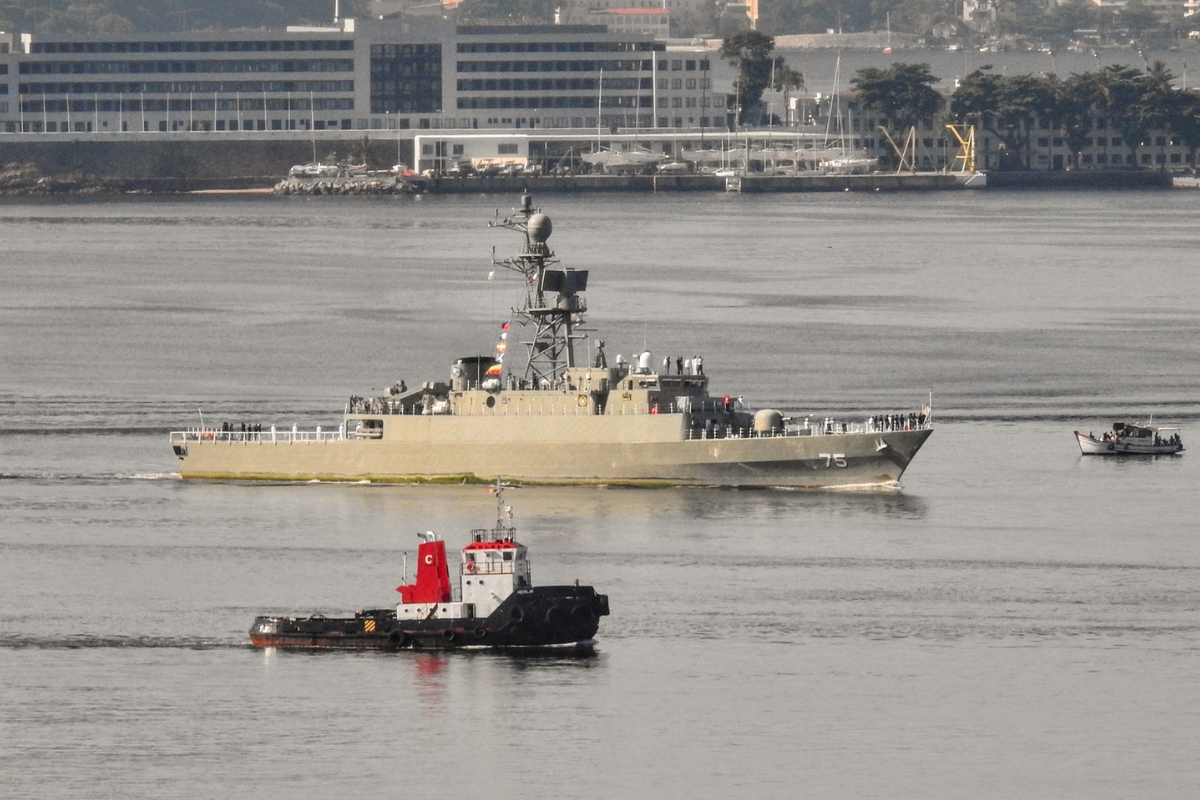
U.S. Defense Secretary Confirmed the Sinking of the Iris Dena Off the Southern Coast of Sri Lanka, with At Least 80 Dead, and the Rescue Operation Exposed Strategic Impact at Sea
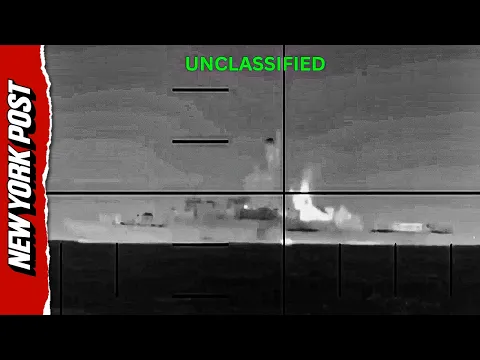
The southern coast of Sri Lanka became the scene of military shock this Wednesday (4). An American submarine sank the Iranian frigate Iris Dena in an attack attributed to a torpedo.
The episode opened an immediate crisis in the maritime surroundings and drew attention to the competition for presence and influence in the ocean. The rescue began after a distress call, but the vessel was no longer sighted.
Confirmed Sinking and Torpedo Report in the Attack
The U.S. Defense Secretary, Pete Hegseth, stated that the ship was sunk during a mission off the southern coast of Sri Lanka. The statement points to a direct attack and a high-impact action in the naval chessboard of the region.
-
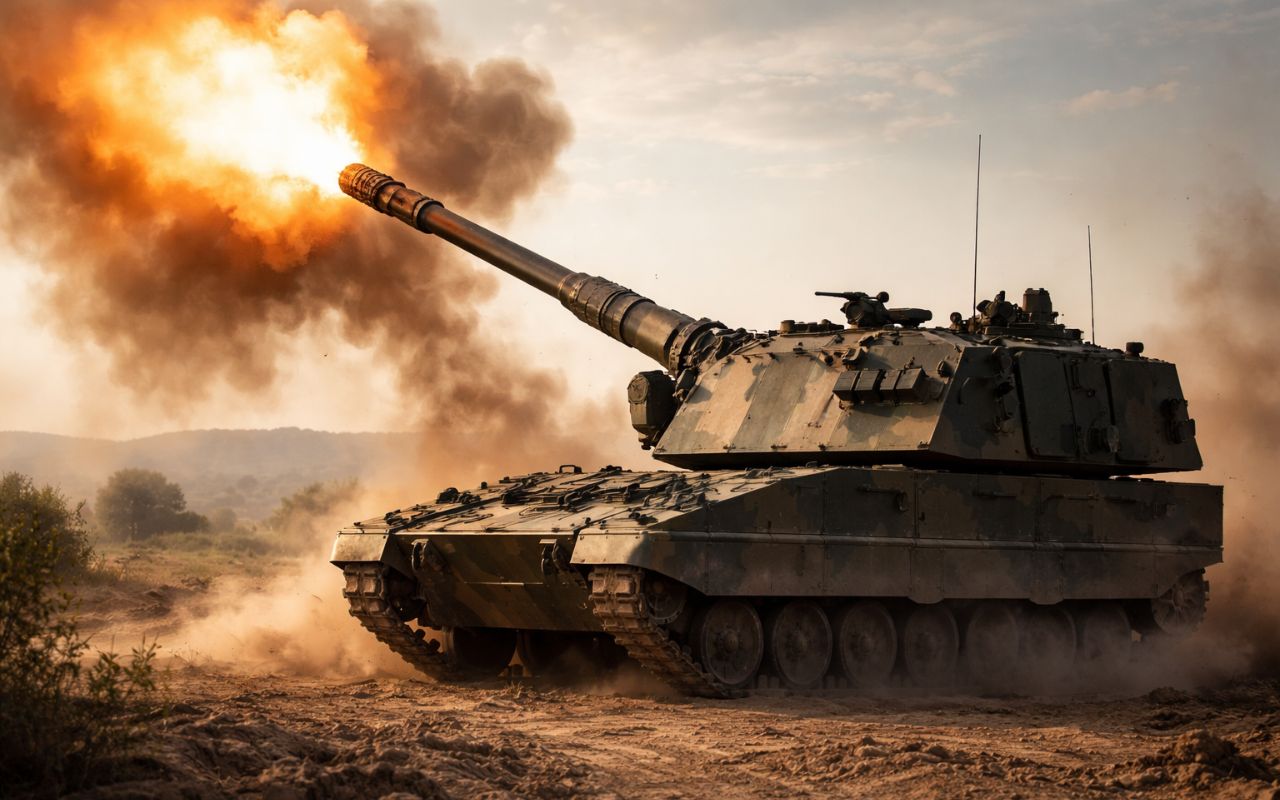
The German “steel monster” weighing 55 tons fires up to 10 projectiles per minute at over 40 km and avoids counterattacks on the battlefield by moving quickly to escape enemy attacks; meet the Panzerhaubitze 2000.
-
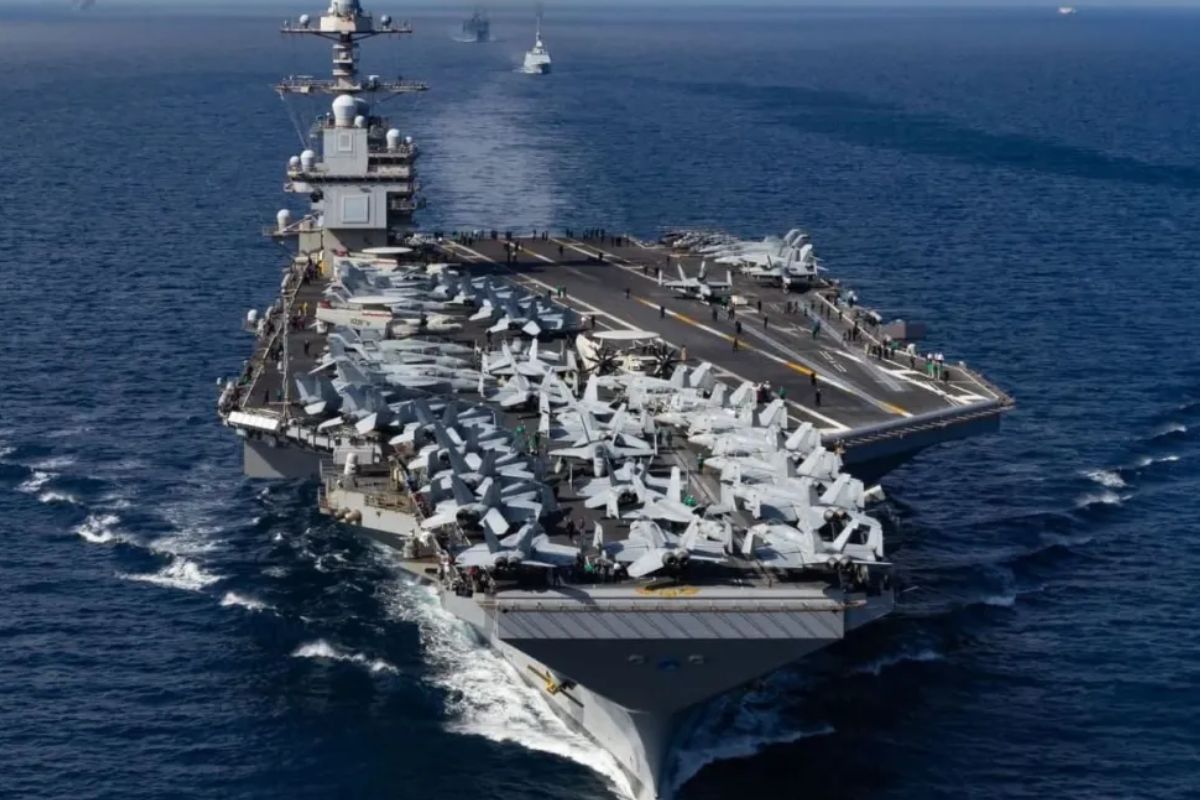
USS Gerald R. Ford, the largest aircraft carrier in the world, returns to sea after a fire in the laundry in the Red Sea; repaired in Crete, it resumes missions of Operation Epic Fury against Iran.
-
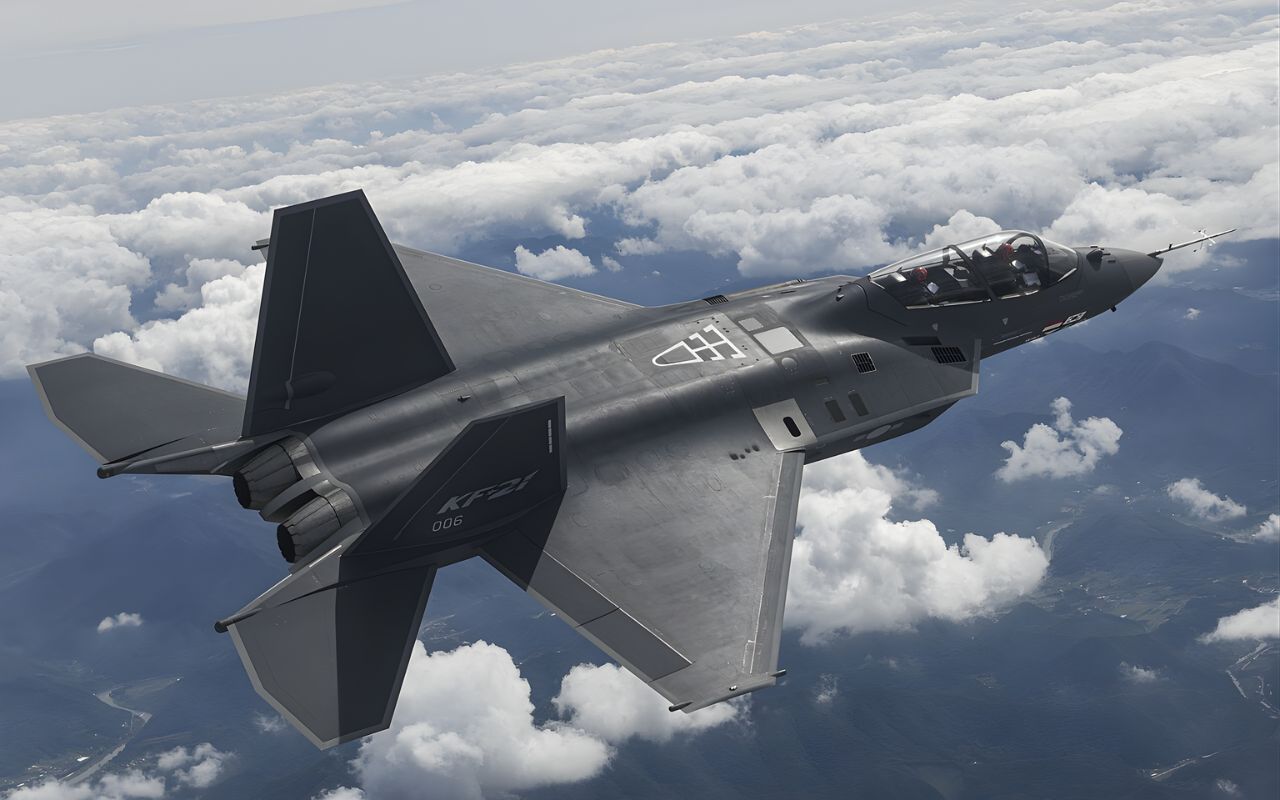
Military power: South Korea’s new KF-21 fighter jet will be a key component in replacing the aging aircraft of the air force, placing the country on the map of air military powers.
-
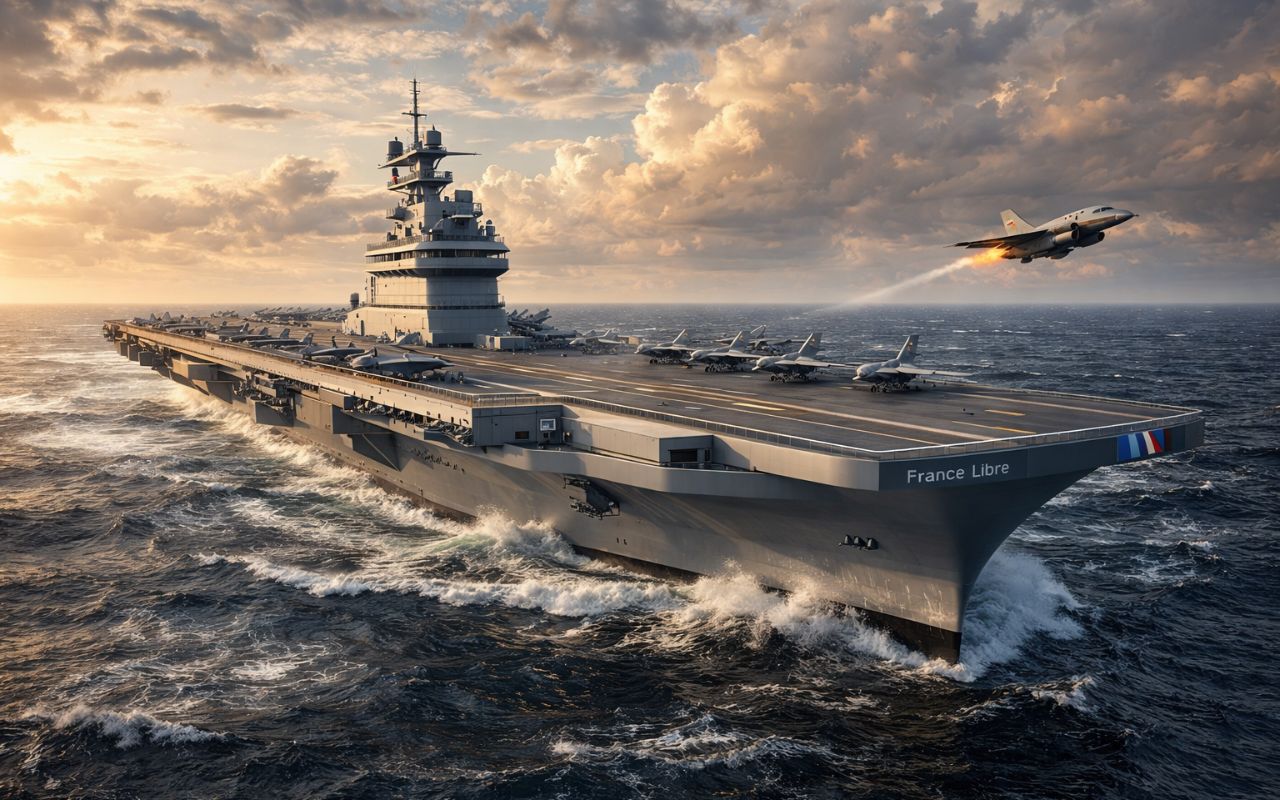
With 310 meters, 80 thousand tons, and capable of operating for 45 years, the new nuclear aircraft carrier France Libre will be the largest in France and will enter service in 2038.

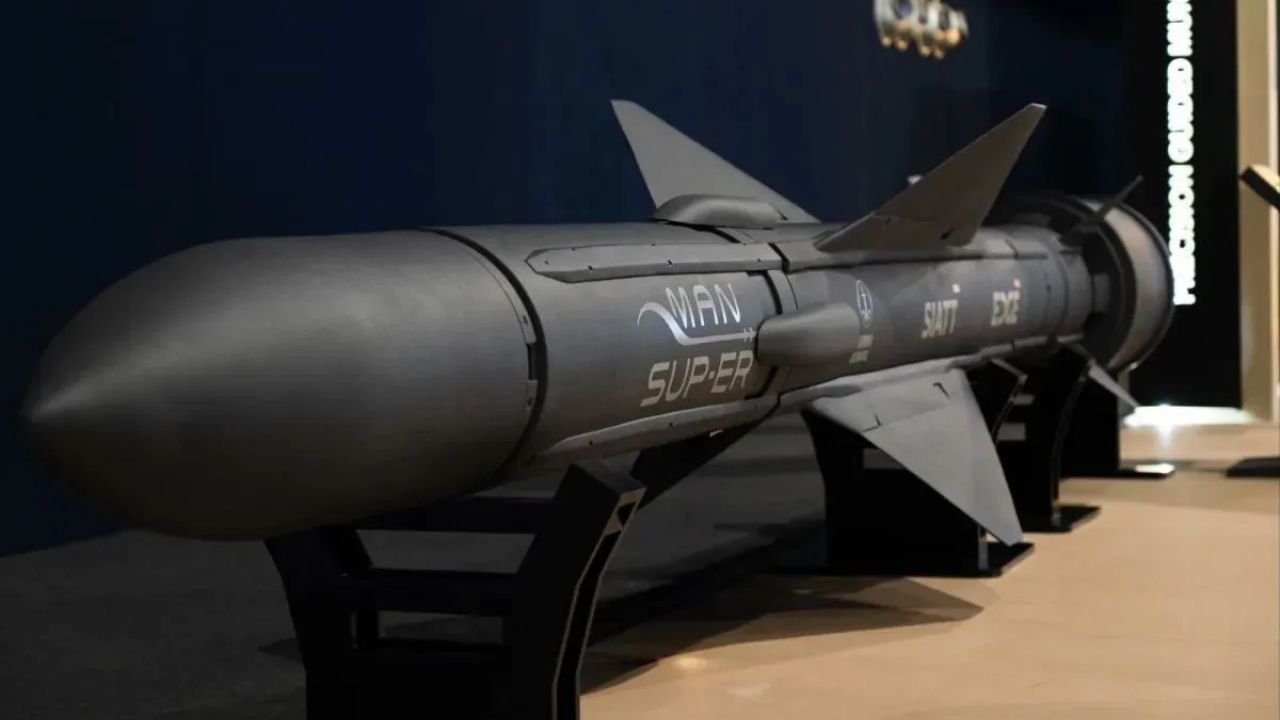
In the same report, the action was attributed to a torpedo described as Silent Death. The statement also mentioned that this would be the first sinking by torpedo since World War II, amplifying the symbolic weight of the episode.

Deaths, Missing, and Rescue Underway on the Coast
The attack left at least 80 people dead, with missing persons still reported. Local authorities indicated that there were a higher number of people onboard, which raised the urgency of the maritime response.
The Sri Lankan Foreign Minister, Vijitha Herath, told parliament that 180 people were on the Iranian vessel. The country’s forces rescued at least 32, while about 101 remained missing.
Oil Spill and Search Without the Ship in the Incident Area
The rescue vessels that arrived at the scene did not find the ship. What appeared in the sea was only a patch of oil, reinforcing the hypothesis of complete and immediate sinking after the attack.
The Sri Lankan Navy spokesperson, Commander Buddhika Sampath, stated that bodies were recovered from the sea. The rescued individuals were taken for treatment at a hospital in the port city of Galle, in the south of the country.
Joint Operation with the Air Force and Focus on Saving Lives
The Sri Lankan Navy received the distress call and communicated with the Air Force. The two forces initiated a search and rescue operation, prioritizing the attempt to locate survivors amid the fuel trail.
According to Petronoticias, a Brazilian news portal in the oil sector, the incident occurred outside Sri Lanka’s territorial waters, but Colombo maintained the commitment to provide support and continue the rescue efforts.
Frigate Had Already Passed Through Rio and Enters the Political Radar
The Iris Dena is the same Iranian frigate that was in Brazil at the beginning of Lula’s government. It remained in the Port of Rio de Janeiro for several days, linked to the transport of a cargo described as mysterious, without public detail in the report.
The memory of this passage adds a political component to the case. The sinking off the coast of Sri Lanka begins to resonate also in the strategic reading of presence and links in the South Atlantic.
Sri Lankan authorities stated that the priority was to save lives and that the investigation into the cause would come later. The episode, however, is already reorganizing pressures and signals on the naval chessboard.
The sinking of the Iris Dena, with at least 80 dead and dozens missing, amplifies the weight of the confrontation and repositions the region on the radar of competition, affecting the Pacific.






-

-

8 pessoas reagiram a isso.